SUBSCRIBE TO OUR FREE NEWSLETTER
Daily news & progressive opinion—funded by the people, not the corporations—delivered straight to your inbox.
5
#000000
#FFFFFF
To donate by check, phone, or other method, see our More Ways to Give page.
Daily news & progressive opinion—funded by the people, not the corporations—delivered straight to your inbox.

Participants in a protest against the safe arrival of Israel's Prime Minister Benjamin Netanyahu in Poland for the 80th anniversary commemoration of the liberation of the Auschwitz concentration camp gather at the main square on January 11, 2025, in Krakow, Poland.
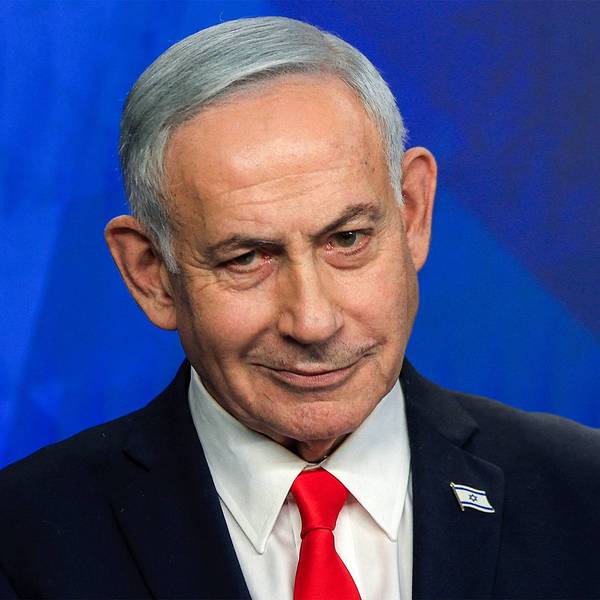
It remains uncertain how long Netanyahu will remain in power, but his political standing has significantly deteriorated as he faces widespread domestic opposition and international condemnation.
There was a time when Israeli Prime Minister Benjamin Netanyahu appeared to have all the cards. The Palestinian Authority was largely passive, the occupied West Bank was relatively calm, Israel's diplomatic reach was expanding, and the United States seemed ready to bend international law to accommodate Israel's desire for complete control over Palestine.
The Israeli prime minister had also, at least in his own estimation, succeeded in subduing Gaza, the persistently defiant enclave that had for years struggled unsuccessfully to break the suffocating Israeli blockade.
Within Israel, Netanyahu had been celebrated as the nation's longest-serving prime minister, a figure who promised not only longevity but also unprecedented prosperity. To mark this milestone, Netanyahu employed a visual prop: a map of the Middle East, or, in his own words, "the New Middle East."
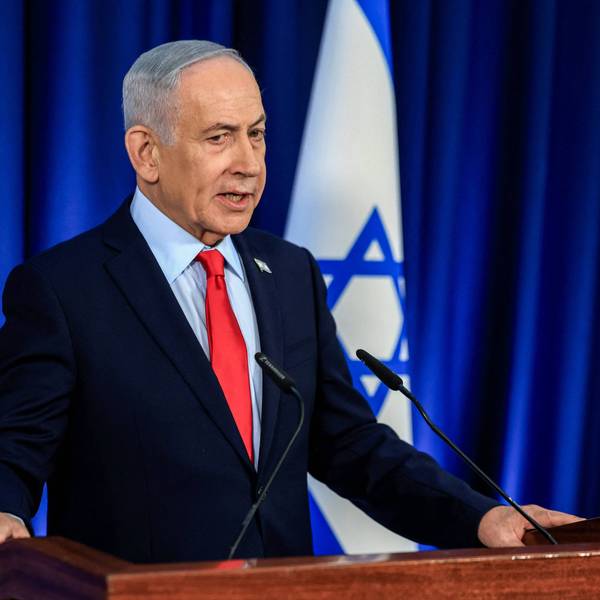
The intensified Israeli military operations in Gaza are an attempt by Netanyahu to project strength amid perceived political vulnerability.
This envisioned new Middle East, according to Netanyahu, was a unified green bloc, representing a future of "great blessings" under Israeli leadership.
Conspicuously absent from this map was Palestine in its entirety—both historic Palestine, now Israel, and the occupied Palestinian territories.
Netanyahu's latest unveiling occurred at the United Nations General Assembly on September 22, 2023. His supposedly triumphant address was sparsely attended, and among those present, enthusiasm was notably absent. This, however, seemed of little consequence to Netanyahu, his coalition of extremists, or the broader Israeli public.
Historically, Israel has placed its reliance on the support of a select few nations considered, in their own calculus, to be of primary importance: Washington and a handful of European capitals.
Then came the October 7 assault. Initially, Israel leveraged the Palestinian attack to garner Western and international support, both validating its existing policies and justifying its intended response. However, this sympathy rapidly dissipated as it became apparent that Israel's response entailed a campaign of genocide, the extermination of the Palestinian people in Gaza, and the ethnic cleansing of Gaza's population and West Bank communities.
As images and footage of the devastating carnage in Gaza surfaced, anti-Israeli sentiment surged. Even Israel's allies struggled to justify the deliberate killing of tens of thousands of innocent civilians, predominantly women and children.
Nations like Britain imposed partial arms embargoes on Israel, while France attempted a balancing act, calling for a cease-fire while suppressing domestic activists advocating for the same. The pro-Israel Western narrative has become increasingly incoherent, yet remains deeply problematic.
Washington, under former President Joe Biden, initially maintained unwavering support, implicitly endorsing Israel's objective—genocide and ethnic cleansing.
However, as Israel failed to achieve its perceived objectives, Biden's public stance began to shift. He called for a cease-fire, though without demonstrating any tangible willingness to pressure Israel. Biden's staunch support for Israel has been cited by many as a contributing factor to the Democratic Party's losses in the 2024 elections.
Then, U.S. President Donald Trump arrived. Netanyahu and his supporters, both in Israel and Washington, anticipated that Israel's actions in Palestine and the wider region—Lebanon, Syria, etc.—would align with a broader strategic plan.
They believed Trump's administration would be willing to escalate further. This escalation, they envisioned, would include military action against Iran, the displacement of Palestinians from Gaza, the fragmentation of Syria, the weakening of Yemen's Ansarallah, and more, without significant concessions.
Initially, Trump signaled a willingness to pursue this agenda: deploying heavier bombs, issuing direct threats against Iran, intensifying operations against Ansarallah, and expressing interest in controlling Gaza and displacing its population.
However, Netanyahu's expectations yielded only unfulfilled promises. This raises the question: Was Trump deliberately misleading Netanyahu, or did evolving circumstances necessitate a reassessment of his initial plans?
The latter explanation appears more plausible. Efforts to intimidate Iran proved ineffective, leading to a series of diplomatic engagements between Tehran and Washington, first in Oman, then in Rome.
Ansarallah demonstrated resilience, prompting the U.S. on May 6 to curtail its military campaigns in Yemen, specifically the Operation "Rough Rider." On May 16, a U.S. official announced that the USS Harry S. Truman would withdraw from the region.
Notably, on May 12, Hamas and Washington announced a separate agreement, independent of Israel, for the release of U.S.-Israeli captive Edan Alexander.
The culmination occurred on May 14, when Trump delivered a speech at a U.S.-Saudi investment forum in Riyadh, advocating for regional peace and prosperity, lifting sanctions on Syria, and emphasizing a diplomatic resolution with Iran.
Conspicuously absent from these regional shifts was Benjamin Netanyahu and his strategic "vision."
Netanyahu responded to these developments by intensifying military operations against Palestinian hospitals in Gaza, targeting patients within the Nasser and European Hospitals. This action, targeting the most vulnerable, was interpreted as a message to Washington and Arab states that his objectives remained unchanged, regardless of the consequences.
The intensified Israeli military operations in Gaza are an attempt by Netanyahu to project strength amid perceived political vulnerability. This escalation has resulted in a sharp increase in Palestinian casualties and exacerbated food shortages, if not outright famine, for over 2 million people.
It remains uncertain how long Netanyahu will remain in power, but his political standing has significantly deteriorated. He faces widespread domestic opposition and international condemnation. Even his primary ally, the United States, has signaled a shift in its approach. This period may mark the beginning of the end for Benjamin Netanyahu's political career and, potentially, for the policies associated with his horrifically violent government.
Dear Common Dreams reader, It’s been nearly 30 years since I co-founded Common Dreams with my late wife, Lina Newhouser. We had the radical notion that journalism should serve the public good, not corporate profits. It was clear to us from the outset what it would take to build such a project. No paid advertisements. No corporate sponsors. No millionaire publisher telling us what to think or do. Many people said we wouldn't last a year, but we proved those doubters wrong. Together with a tremendous team of journalists and dedicated staff, we built an independent media outlet free from the constraints of profits and corporate control. Our mission has always been simple: To inform. To inspire. To ignite change for the common good. Building Common Dreams was not easy. Our survival was never guaranteed. When you take on the most powerful forces—Wall Street greed, fossil fuel industry destruction, Big Tech lobbyists, and uber-rich oligarchs who have spent billions upon billions rigging the economy and democracy in their favor—the only bulwark you have is supporters who believe in your work. But here’s the urgent message from me today. It's never been this bad out there. And it's never been this hard to keep us going. At the very moment Common Dreams is most needed, the threats we face are intensifying. We need your support now more than ever. We don't accept corporate advertising and never will. We don't have a paywall because we don't think people should be blocked from critical news based on their ability to pay. Everything we do is funded by the donations of readers like you. When everyone does the little they can afford, we are strong. But if that support retreats or dries up, so do we. Will you donate now to make sure Common Dreams not only survives but thrives? —Craig Brown, Co-founder |
There was a time when Israeli Prime Minister Benjamin Netanyahu appeared to have all the cards. The Palestinian Authority was largely passive, the occupied West Bank was relatively calm, Israel's diplomatic reach was expanding, and the United States seemed ready to bend international law to accommodate Israel's desire for complete control over Palestine.
The Israeli prime minister had also, at least in his own estimation, succeeded in subduing Gaza, the persistently defiant enclave that had for years struggled unsuccessfully to break the suffocating Israeli blockade.
Within Israel, Netanyahu had been celebrated as the nation's longest-serving prime minister, a figure who promised not only longevity but also unprecedented prosperity. To mark this milestone, Netanyahu employed a visual prop: a map of the Middle East, or, in his own words, "the New Middle East."
The intensified Israeli military operations in Gaza are an attempt by Netanyahu to project strength amid perceived political vulnerability.
This envisioned new Middle East, according to Netanyahu, was a unified green bloc, representing a future of "great blessings" under Israeli leadership.
Conspicuously absent from this map was Palestine in its entirety—both historic Palestine, now Israel, and the occupied Palestinian territories.
Netanyahu's latest unveiling occurred at the United Nations General Assembly on September 22, 2023. His supposedly triumphant address was sparsely attended, and among those present, enthusiasm was notably absent. This, however, seemed of little consequence to Netanyahu, his coalition of extremists, or the broader Israeli public.
Historically, Israel has placed its reliance on the support of a select few nations considered, in their own calculus, to be of primary importance: Washington and a handful of European capitals.
Then came the October 7 assault. Initially, Israel leveraged the Palestinian attack to garner Western and international support, both validating its existing policies and justifying its intended response. However, this sympathy rapidly dissipated as it became apparent that Israel's response entailed a campaign of genocide, the extermination of the Palestinian people in Gaza, and the ethnic cleansing of Gaza's population and West Bank communities.
As images and footage of the devastating carnage in Gaza surfaced, anti-Israeli sentiment surged. Even Israel's allies struggled to justify the deliberate killing of tens of thousands of innocent civilians, predominantly women and children.
Nations like Britain imposed partial arms embargoes on Israel, while France attempted a balancing act, calling for a cease-fire while suppressing domestic activists advocating for the same. The pro-Israel Western narrative has become increasingly incoherent, yet remains deeply problematic.
Washington, under former President Joe Biden, initially maintained unwavering support, implicitly endorsing Israel's objective—genocide and ethnic cleansing.
However, as Israel failed to achieve its perceived objectives, Biden's public stance began to shift. He called for a cease-fire, though without demonstrating any tangible willingness to pressure Israel. Biden's staunch support for Israel has been cited by many as a contributing factor to the Democratic Party's losses in the 2024 elections.
Then, U.S. President Donald Trump arrived. Netanyahu and his supporters, both in Israel and Washington, anticipated that Israel's actions in Palestine and the wider region—Lebanon, Syria, etc.—would align with a broader strategic plan.
They believed Trump's administration would be willing to escalate further. This escalation, they envisioned, would include military action against Iran, the displacement of Palestinians from Gaza, the fragmentation of Syria, the weakening of Yemen's Ansarallah, and more, without significant concessions.
Initially, Trump signaled a willingness to pursue this agenda: deploying heavier bombs, issuing direct threats against Iran, intensifying operations against Ansarallah, and expressing interest in controlling Gaza and displacing its population.
However, Netanyahu's expectations yielded only unfulfilled promises. This raises the question: Was Trump deliberately misleading Netanyahu, or did evolving circumstances necessitate a reassessment of his initial plans?
The latter explanation appears more plausible. Efforts to intimidate Iran proved ineffective, leading to a series of diplomatic engagements between Tehran and Washington, first in Oman, then in Rome.
Ansarallah demonstrated resilience, prompting the U.S. on May 6 to curtail its military campaigns in Yemen, specifically the Operation "Rough Rider." On May 16, a U.S. official announced that the USS Harry S. Truman would withdraw from the region.
Notably, on May 12, Hamas and Washington announced a separate agreement, independent of Israel, for the release of U.S.-Israeli captive Edan Alexander.
The culmination occurred on May 14, when Trump delivered a speech at a U.S.-Saudi investment forum in Riyadh, advocating for regional peace and prosperity, lifting sanctions on Syria, and emphasizing a diplomatic resolution with Iran.
Conspicuously absent from these regional shifts was Benjamin Netanyahu and his strategic "vision."
Netanyahu responded to these developments by intensifying military operations against Palestinian hospitals in Gaza, targeting patients within the Nasser and European Hospitals. This action, targeting the most vulnerable, was interpreted as a message to Washington and Arab states that his objectives remained unchanged, regardless of the consequences.
The intensified Israeli military operations in Gaza are an attempt by Netanyahu to project strength amid perceived political vulnerability. This escalation has resulted in a sharp increase in Palestinian casualties and exacerbated food shortages, if not outright famine, for over 2 million people.
It remains uncertain how long Netanyahu will remain in power, but his political standing has significantly deteriorated. He faces widespread domestic opposition and international condemnation. Even his primary ally, the United States, has signaled a shift in its approach. This period may mark the beginning of the end for Benjamin Netanyahu's political career and, potentially, for the policies associated with his horrifically violent government.
There was a time when Israeli Prime Minister Benjamin Netanyahu appeared to have all the cards. The Palestinian Authority was largely passive, the occupied West Bank was relatively calm, Israel's diplomatic reach was expanding, and the United States seemed ready to bend international law to accommodate Israel's desire for complete control over Palestine.
The Israeli prime minister had also, at least in his own estimation, succeeded in subduing Gaza, the persistently defiant enclave that had for years struggled unsuccessfully to break the suffocating Israeli blockade.
Within Israel, Netanyahu had been celebrated as the nation's longest-serving prime minister, a figure who promised not only longevity but also unprecedented prosperity. To mark this milestone, Netanyahu employed a visual prop: a map of the Middle East, or, in his own words, "the New Middle East."
The intensified Israeli military operations in Gaza are an attempt by Netanyahu to project strength amid perceived political vulnerability.
This envisioned new Middle East, according to Netanyahu, was a unified green bloc, representing a future of "great blessings" under Israeli leadership.
Conspicuously absent from this map was Palestine in its entirety—both historic Palestine, now Israel, and the occupied Palestinian territories.
Netanyahu's latest unveiling occurred at the United Nations General Assembly on September 22, 2023. His supposedly triumphant address was sparsely attended, and among those present, enthusiasm was notably absent. This, however, seemed of little consequence to Netanyahu, his coalition of extremists, or the broader Israeli public.
Historically, Israel has placed its reliance on the support of a select few nations considered, in their own calculus, to be of primary importance: Washington and a handful of European capitals.
Then came the October 7 assault. Initially, Israel leveraged the Palestinian attack to garner Western and international support, both validating its existing policies and justifying its intended response. However, this sympathy rapidly dissipated as it became apparent that Israel's response entailed a campaign of genocide, the extermination of the Palestinian people in Gaza, and the ethnic cleansing of Gaza's population and West Bank communities.
As images and footage of the devastating carnage in Gaza surfaced, anti-Israeli sentiment surged. Even Israel's allies struggled to justify the deliberate killing of tens of thousands of innocent civilians, predominantly women and children.
Nations like Britain imposed partial arms embargoes on Israel, while France attempted a balancing act, calling for a cease-fire while suppressing domestic activists advocating for the same. The pro-Israel Western narrative has become increasingly incoherent, yet remains deeply problematic.
Washington, under former President Joe Biden, initially maintained unwavering support, implicitly endorsing Israel's objective—genocide and ethnic cleansing.
However, as Israel failed to achieve its perceived objectives, Biden's public stance began to shift. He called for a cease-fire, though without demonstrating any tangible willingness to pressure Israel. Biden's staunch support for Israel has been cited by many as a contributing factor to the Democratic Party's losses in the 2024 elections.
Then, U.S. President Donald Trump arrived. Netanyahu and his supporters, both in Israel and Washington, anticipated that Israel's actions in Palestine and the wider region—Lebanon, Syria, etc.—would align with a broader strategic plan.
They believed Trump's administration would be willing to escalate further. This escalation, they envisioned, would include military action against Iran, the displacement of Palestinians from Gaza, the fragmentation of Syria, the weakening of Yemen's Ansarallah, and more, without significant concessions.
Initially, Trump signaled a willingness to pursue this agenda: deploying heavier bombs, issuing direct threats against Iran, intensifying operations against Ansarallah, and expressing interest in controlling Gaza and displacing its population.
However, Netanyahu's expectations yielded only unfulfilled promises. This raises the question: Was Trump deliberately misleading Netanyahu, or did evolving circumstances necessitate a reassessment of his initial plans?
The latter explanation appears more plausible. Efforts to intimidate Iran proved ineffective, leading to a series of diplomatic engagements between Tehran and Washington, first in Oman, then in Rome.
Ansarallah demonstrated resilience, prompting the U.S. on May 6 to curtail its military campaigns in Yemen, specifically the Operation "Rough Rider." On May 16, a U.S. official announced that the USS Harry S. Truman would withdraw from the region.
Notably, on May 12, Hamas and Washington announced a separate agreement, independent of Israel, for the release of U.S.-Israeli captive Edan Alexander.
The culmination occurred on May 14, when Trump delivered a speech at a U.S.-Saudi investment forum in Riyadh, advocating for regional peace and prosperity, lifting sanctions on Syria, and emphasizing a diplomatic resolution with Iran.
Conspicuously absent from these regional shifts was Benjamin Netanyahu and his strategic "vision."
Netanyahu responded to these developments by intensifying military operations against Palestinian hospitals in Gaza, targeting patients within the Nasser and European Hospitals. This action, targeting the most vulnerable, was interpreted as a message to Washington and Arab states that his objectives remained unchanged, regardless of the consequences.
The intensified Israeli military operations in Gaza are an attempt by Netanyahu to project strength amid perceived political vulnerability. This escalation has resulted in a sharp increase in Palestinian casualties and exacerbated food shortages, if not outright famine, for over 2 million people.
It remains uncertain how long Netanyahu will remain in power, but his political standing has significantly deteriorated. He faces widespread domestic opposition and international condemnation. Even his primary ally, the United States, has signaled a shift in its approach. This period may mark the beginning of the end for Benjamin Netanyahu's political career and, potentially, for the policies associated with his horrifically violent government.