SUBSCRIBE TO OUR FREE NEWSLETTER
Daily news & progressive opinion—funded by the people, not the corporations—delivered straight to your inbox.
5
#000000
#FFFFFF
To donate by check, phone, or other method, see our More Ways to Give page.
Daily news & progressive opinion—funded by the people, not the corporations—delivered straight to your inbox.
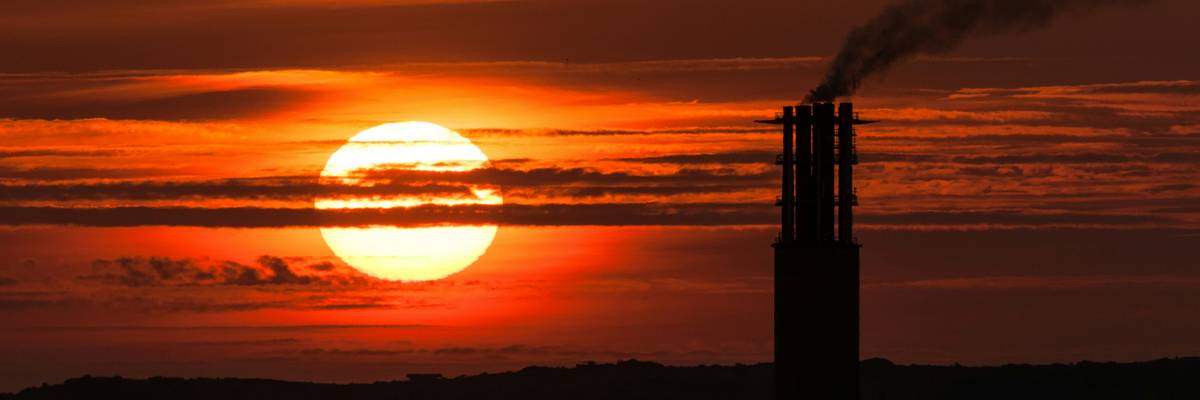
We have a responsibility to protect future generations and support vulnerable communities. The best way to do that is to put an end to the extraction and consumption of coal, gas, and oil.
Climate change made 2023 the warmest year on record. As urgency mounts to address this worldwide crisis, phasing out the use of fossil fuels is a necessary step that all nations must take. This is because fossil fuels—coal, oil and gas — are the primary drivers of the climate crisis accounting for over 75% of global greenhouse gas emissions and nearly 90% of all carbon dioxide emissions.
Fossil fuels can be linked to severe human rights harm. According to the International Energy Agency, there cannot be any new fossil fuel projects if countries are to meet existing climate targets and avoid the worst consequences for frontline communities. Not addressing these issues can create a human rights crisis of unprecedented scale.
Another ethical imperative for phasing out from fossil fuels is our responsibility to communities facing loss and damage. Fossil fuel projects and infrastructure often expose fence line and frontline communities to toxic substances, environmental degradation, and increased vulnerability to climate disasters.
Fossil fuel extraction leads to deforestation, habitat destruction, and water pollution, which have contributed to 1.2 million deaths in 2020, leading to biodiversity loss and ecosystem degradation.
Fossil fuel extraction and production often violate the rights of indigenous peoples, local communities, and environmental defenders, who face land grabbing, displacement, violence, intimidation, and criminalization. This must change.When we look at the African continent, the current increase in investment in fossil fuels will increase Africa’s carbon emissions and raise Africa’s share of global climate change.
In 2021, Africa contributed 3.9% (1.45 billion tonnes of CO2 eq.) of global carbon dioxide emissions from fossil fuels and industry. Continuing with this energy policy would be very suicidal for their future in the face of the consequences of climate change.
There is also an economic impact of fossil fuel production too, especially in Africa. Fossil fuel subsidies and investments divert resources from addressing the needs and rights of people living in poverty.
It is well known that Africa has contributed the least to climate change but still suffers the most from its consequences. Since rich countries have historically emitted the most greenhouse gases, the goal of transitioning to renewable energy sources is an act of responsibility and justice, providing support to those most in need.
Fossil fuel extraction leads to deforestation, habitat destruction, and water pollution, which have contributed to 1.2 million deaths in 2020, leading to biodiversity loss and ecosystem degradation.
In the DRC for instance, if the peatland is destroyed by the construction of roads, pipelines and other infrastructure needed to extract the oil, up to 6 billion tonnes of CO₂ could be released, which is the equivalent of 14 years’ worth of current UK greenhouse gas emissions.
Through a transition to renewable energies such as wind power and solar energy, we can take control of the effects of climate change and support future generation’s sustainability moving forward.
Africa has huge renewable energy potential – it has 60% of the world’s best solar resources, but the continent receives less than 3% of global energy investment.
As a region that has had the smallest impact on the climate crisis but suffers significant impacts now and in the future, the international community must work with Africa to invest in its clean energy future.
For instance, Kenya is home to the Lake Turkana Wind Project, currently the largest wind farm in Africa. Output exceeds 310 MW—enough to power 1 million homes.
Through a transition to renewable energies such as wind power and solar energy, we can take control of the effects of climate change and support future generation’s sustainability moving forward.
The project also attracted the largest private investment in Kenya’s history, amounting to US$650 million. For Africa to achieve its energy and climate goals, Africa needs $190 billion of investment a year between 2026 to 2030, with two-thirds of this going to clean energy.
Fortunately, some progress has been made toward ending use of fossil fuels on a global scale. During the recent COP28 in Dubai, nearly 130 nations approved a roadmap for “transitioning away from fossil fuels“—a first for a UN climate conference—but the deal still stopped short of a long-demanded call for a “phaseout” of oil, coal, and gas.
This is what is needed to transition away and help keep us from reaching the 1.5°C degree limit. Another shortcoming of COP28 is that there was neither a clear commitment nor a well-funded phaseout of all fossil fuels, nor was there clear funding for countries to transition to renewables and cope with escalating climate impacts.
We have a responsibility to protect future generations and support vulnerable communities. The countries, businesses, civil society, and leaders who came together during COP28 and made this first step deal should now walk the talk.
I can’t agree more with UN Secretary-General António Guterres who said during COP28: ‘’that a fossil fuel phaseout is inevitable, whether they like it or not. Let’s hope it doesn’t come too late.”
Being the custodians of the planet, it is our moral duty to leave a world that is habitable for our children and our grandchildren.
Dear Common Dreams reader, It’s been nearly 30 years since I co-founded Common Dreams with my late wife, Lina Newhouser. We had the radical notion that journalism should serve the public good, not corporate profits. It was clear to us from the outset what it would take to build such a project. No paid advertisements. No corporate sponsors. No millionaire publisher telling us what to think or do. Many people said we wouldn't last a year, but we proved those doubters wrong. Together with a tremendous team of journalists and dedicated staff, we built an independent media outlet free from the constraints of profits and corporate control. Our mission has always been simple: To inform. To inspire. To ignite change for the common good. Building Common Dreams was not easy. Our survival was never guaranteed. When you take on the most powerful forces—Wall Street greed, fossil fuel industry destruction, Big Tech lobbyists, and uber-rich oligarchs who have spent billions upon billions rigging the economy and democracy in their favor—the only bulwark you have is supporters who believe in your work. But here’s the urgent message from me today. It's never been this bad out there. And it's never been this hard to keep us going. At the very moment Common Dreams is most needed, the threats we face are intensifying. We need your support now more than ever. We don't accept corporate advertising and never will. We don't have a paywall because we don't think people should be blocked from critical news based on their ability to pay. Everything we do is funded by the donations of readers like you. When everyone does the little they can afford, we are strong. But if that support retreats or dries up, so do we. Will you donate now to make sure Common Dreams not only survives but thrives? —Craig Brown, Co-founder |
Climate change made 2023 the warmest year on record. As urgency mounts to address this worldwide crisis, phasing out the use of fossil fuels is a necessary step that all nations must take. This is because fossil fuels—coal, oil and gas — are the primary drivers of the climate crisis accounting for over 75% of global greenhouse gas emissions and nearly 90% of all carbon dioxide emissions.
Fossil fuels can be linked to severe human rights harm. According to the International Energy Agency, there cannot be any new fossil fuel projects if countries are to meet existing climate targets and avoid the worst consequences for frontline communities. Not addressing these issues can create a human rights crisis of unprecedented scale.
Another ethical imperative for phasing out from fossil fuels is our responsibility to communities facing loss and damage. Fossil fuel projects and infrastructure often expose fence line and frontline communities to toxic substances, environmental degradation, and increased vulnerability to climate disasters.
Fossil fuel extraction leads to deforestation, habitat destruction, and water pollution, which have contributed to 1.2 million deaths in 2020, leading to biodiversity loss and ecosystem degradation.
Fossil fuel extraction and production often violate the rights of indigenous peoples, local communities, and environmental defenders, who face land grabbing, displacement, violence, intimidation, and criminalization. This must change.When we look at the African continent, the current increase in investment in fossil fuels will increase Africa’s carbon emissions and raise Africa’s share of global climate change.
In 2021, Africa contributed 3.9% (1.45 billion tonnes of CO2 eq.) of global carbon dioxide emissions from fossil fuels and industry. Continuing with this energy policy would be very suicidal for their future in the face of the consequences of climate change.
There is also an economic impact of fossil fuel production too, especially in Africa. Fossil fuel subsidies and investments divert resources from addressing the needs and rights of people living in poverty.
It is well known that Africa has contributed the least to climate change but still suffers the most from its consequences. Since rich countries have historically emitted the most greenhouse gases, the goal of transitioning to renewable energy sources is an act of responsibility and justice, providing support to those most in need.
Fossil fuel extraction leads to deforestation, habitat destruction, and water pollution, which have contributed to 1.2 million deaths in 2020, leading to biodiversity loss and ecosystem degradation.
In the DRC for instance, if the peatland is destroyed by the construction of roads, pipelines and other infrastructure needed to extract the oil, up to 6 billion tonnes of CO₂ could be released, which is the equivalent of 14 years’ worth of current UK greenhouse gas emissions.
Through a transition to renewable energies such as wind power and solar energy, we can take control of the effects of climate change and support future generation’s sustainability moving forward.
Africa has huge renewable energy potential – it has 60% of the world’s best solar resources, but the continent receives less than 3% of global energy investment.
As a region that has had the smallest impact on the climate crisis but suffers significant impacts now and in the future, the international community must work with Africa to invest in its clean energy future.
For instance, Kenya is home to the Lake Turkana Wind Project, currently the largest wind farm in Africa. Output exceeds 310 MW—enough to power 1 million homes.
Through a transition to renewable energies such as wind power and solar energy, we can take control of the effects of climate change and support future generation’s sustainability moving forward.
The project also attracted the largest private investment in Kenya’s history, amounting to US$650 million. For Africa to achieve its energy and climate goals, Africa needs $190 billion of investment a year between 2026 to 2030, with two-thirds of this going to clean energy.
Fortunately, some progress has been made toward ending use of fossil fuels on a global scale. During the recent COP28 in Dubai, nearly 130 nations approved a roadmap for “transitioning away from fossil fuels“—a first for a UN climate conference—but the deal still stopped short of a long-demanded call for a “phaseout” of oil, coal, and gas.
This is what is needed to transition away and help keep us from reaching the 1.5°C degree limit. Another shortcoming of COP28 is that there was neither a clear commitment nor a well-funded phaseout of all fossil fuels, nor was there clear funding for countries to transition to renewables and cope with escalating climate impacts.
We have a responsibility to protect future generations and support vulnerable communities. The countries, businesses, civil society, and leaders who came together during COP28 and made this first step deal should now walk the talk.
I can’t agree more with UN Secretary-General António Guterres who said during COP28: ‘’that a fossil fuel phaseout is inevitable, whether they like it or not. Let’s hope it doesn’t come too late.”
Being the custodians of the planet, it is our moral duty to leave a world that is habitable for our children and our grandchildren.
Climate change made 2023 the warmest year on record. As urgency mounts to address this worldwide crisis, phasing out the use of fossil fuels is a necessary step that all nations must take. This is because fossil fuels—coal, oil and gas — are the primary drivers of the climate crisis accounting for over 75% of global greenhouse gas emissions and nearly 90% of all carbon dioxide emissions.
Fossil fuels can be linked to severe human rights harm. According to the International Energy Agency, there cannot be any new fossil fuel projects if countries are to meet existing climate targets and avoid the worst consequences for frontline communities. Not addressing these issues can create a human rights crisis of unprecedented scale.
Another ethical imperative for phasing out from fossil fuels is our responsibility to communities facing loss and damage. Fossil fuel projects and infrastructure often expose fence line and frontline communities to toxic substances, environmental degradation, and increased vulnerability to climate disasters.
Fossil fuel extraction leads to deforestation, habitat destruction, and water pollution, which have contributed to 1.2 million deaths in 2020, leading to biodiversity loss and ecosystem degradation.
Fossil fuel extraction and production often violate the rights of indigenous peoples, local communities, and environmental defenders, who face land grabbing, displacement, violence, intimidation, and criminalization. This must change.When we look at the African continent, the current increase in investment in fossil fuels will increase Africa’s carbon emissions and raise Africa’s share of global climate change.
In 2021, Africa contributed 3.9% (1.45 billion tonnes of CO2 eq.) of global carbon dioxide emissions from fossil fuels and industry. Continuing with this energy policy would be very suicidal for their future in the face of the consequences of climate change.
There is also an economic impact of fossil fuel production too, especially in Africa. Fossil fuel subsidies and investments divert resources from addressing the needs and rights of people living in poverty.
It is well known that Africa has contributed the least to climate change but still suffers the most from its consequences. Since rich countries have historically emitted the most greenhouse gases, the goal of transitioning to renewable energy sources is an act of responsibility and justice, providing support to those most in need.
Fossil fuel extraction leads to deforestation, habitat destruction, and water pollution, which have contributed to 1.2 million deaths in 2020, leading to biodiversity loss and ecosystem degradation.
In the DRC for instance, if the peatland is destroyed by the construction of roads, pipelines and other infrastructure needed to extract the oil, up to 6 billion tonnes of CO₂ could be released, which is the equivalent of 14 years’ worth of current UK greenhouse gas emissions.
Through a transition to renewable energies such as wind power and solar energy, we can take control of the effects of climate change and support future generation’s sustainability moving forward.
Africa has huge renewable energy potential – it has 60% of the world’s best solar resources, but the continent receives less than 3% of global energy investment.
As a region that has had the smallest impact on the climate crisis but suffers significant impacts now and in the future, the international community must work with Africa to invest in its clean energy future.
For instance, Kenya is home to the Lake Turkana Wind Project, currently the largest wind farm in Africa. Output exceeds 310 MW—enough to power 1 million homes.
Through a transition to renewable energies such as wind power and solar energy, we can take control of the effects of climate change and support future generation’s sustainability moving forward.
The project also attracted the largest private investment in Kenya’s history, amounting to US$650 million. For Africa to achieve its energy and climate goals, Africa needs $190 billion of investment a year between 2026 to 2030, with two-thirds of this going to clean energy.
Fortunately, some progress has been made toward ending use of fossil fuels on a global scale. During the recent COP28 in Dubai, nearly 130 nations approved a roadmap for “transitioning away from fossil fuels“—a first for a UN climate conference—but the deal still stopped short of a long-demanded call for a “phaseout” of oil, coal, and gas.
This is what is needed to transition away and help keep us from reaching the 1.5°C degree limit. Another shortcoming of COP28 is that there was neither a clear commitment nor a well-funded phaseout of all fossil fuels, nor was there clear funding for countries to transition to renewables and cope with escalating climate impacts.
We have a responsibility to protect future generations and support vulnerable communities. The countries, businesses, civil society, and leaders who came together during COP28 and made this first step deal should now walk the talk.
I can’t agree more with UN Secretary-General António Guterres who said during COP28: ‘’that a fossil fuel phaseout is inevitable, whether they like it or not. Let’s hope it doesn’t come too late.”
Being the custodians of the planet, it is our moral duty to leave a world that is habitable for our children and our grandchildren.