

SUBSCRIBE TO OUR FREE NEWSLETTER
Daily news & progressive opinion—funded by the people, not the corporations—delivered straight to your inbox.
5
#000000
#FFFFFF
To donate by check, phone, or other method, see our More Ways to Give page.
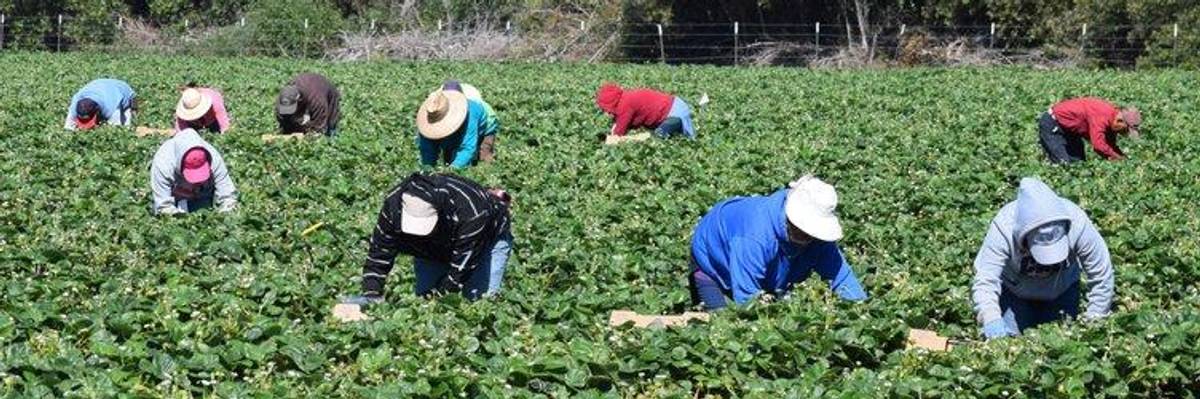
The 3 million strong farmworker force that provides the United States with its food has been deemed "essential" by the United States government during the coronavirus. Undocumented farmworkers, who make up almost half of this predominantly Latino force, have been granted a sort of reprieve from arrest by ICE (Immigration and Customs Enforcement), the Department of Homeland Security (DHS) agency that arrests, detains and deports undocumented immigrants in the United States
In a marked pivot from its previous stance, ICE issued a statement on March 18 declaring that, during the coronavirus crisis, it will focus on "criminal" aliens and "delay" enforcement activities aimed at others. The brief, four paragraph statement ended with a phrase civil rights organizations have long clamored for: "Individuals should not avoid seeking medical care because they fear civil immigration enforcement."
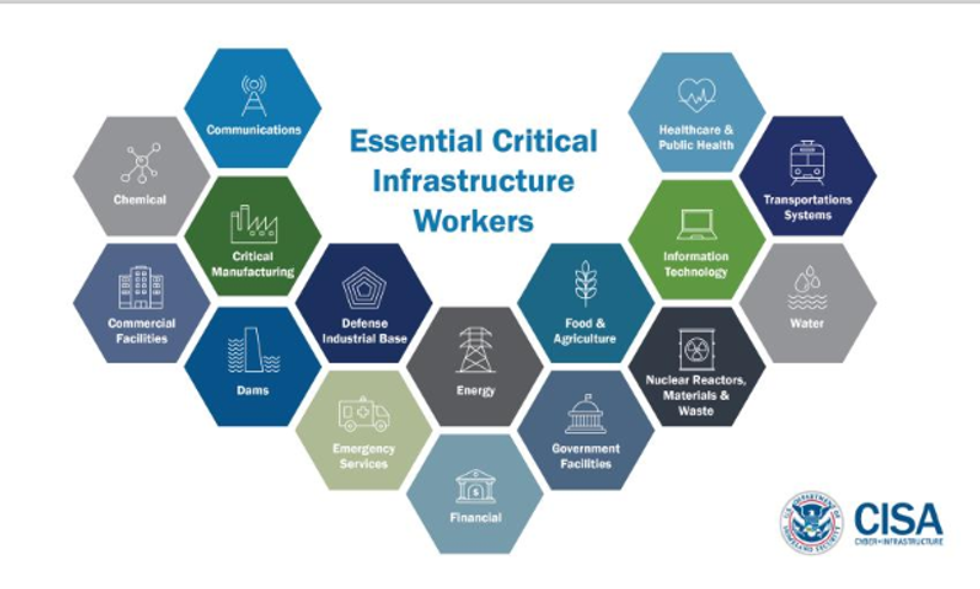
DHS followed up a day later with a memorandum listing agricultural work as part of the "essential critical infrastructure," telling farmworkers "you have a special responsibility to maintain your work schedule."
Previously ICE claimed to only arrest and detain, in the words of Donald Trump during his presidential campaign, the "bad hombres", immigrants who posed an imminent threat to public safety. But ICE's own literature conflates violent crimes with misdemeanor border crossing. Numerous community groups have documented case upon case of teens being arrested at school bus stops, parents being torn out of their cars in front of their children, and applicants arrested at ICE check-ins who had no serious records other than border crossing infractions.
But Covid-19, the coronavirus sickening and killing unprecedented numbers of people around the world, has caused the US government to rethink its position with regard to the massive workforce that grows and harvests the nation's food. From the orange groves of California to the corn fields of Iowa and the sweet potato growers of North Carolina, 80% of the 3 million farmworkers in the United States are Latino, and 90% of those working on H-2A (temporary agricultural worker) visas are from Mexico. Only a little more than half (53%) of these essential workers have legal authorization.
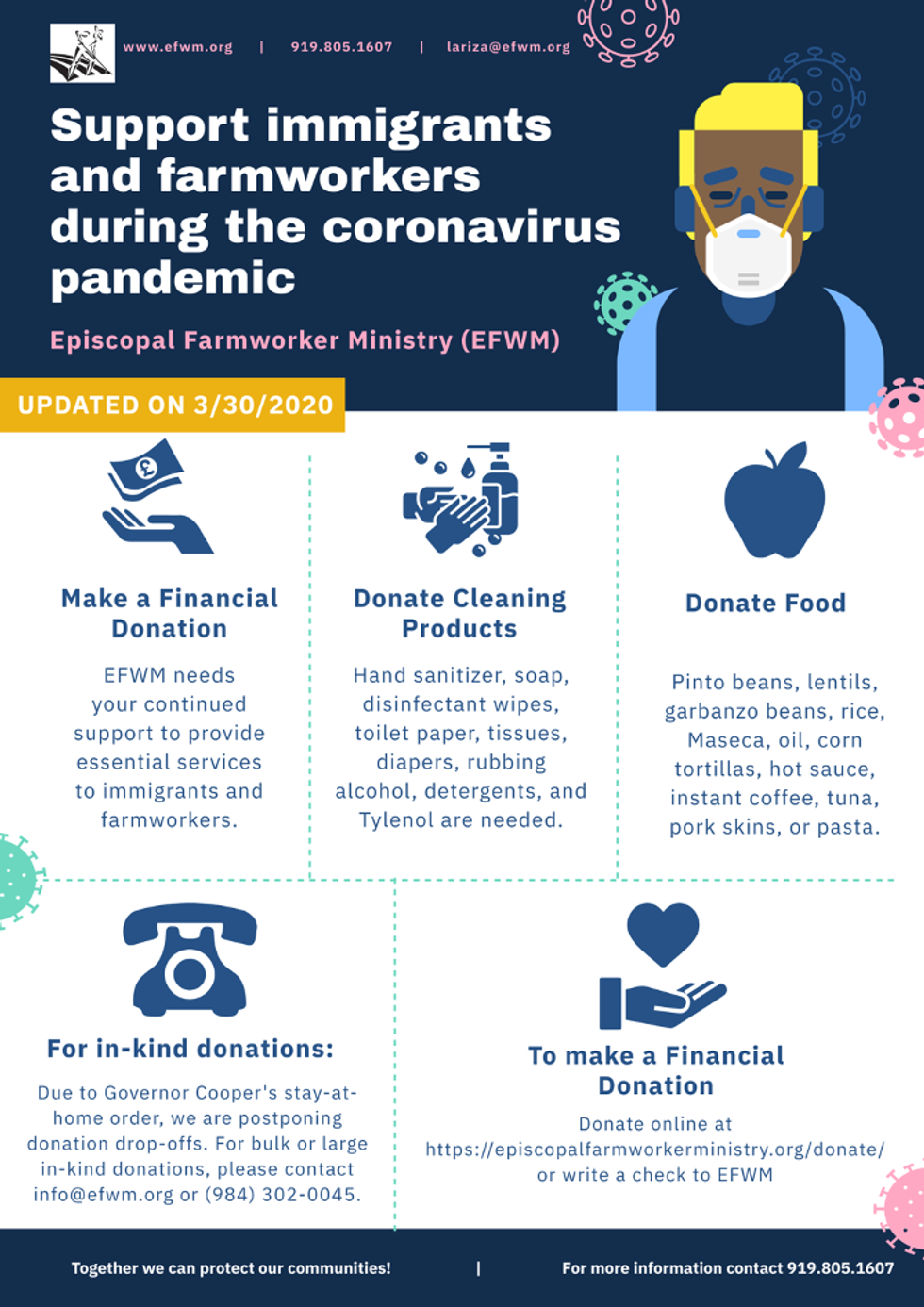
Lariza Garzon and the Episcopal Farmworker Ministry saw their food delivery for farmworkers in Dunn, North Carolina swamped on March 27 by immigrant families in search of basic foodstuffs. According to Ms Garzon, more than 200 families came to the EFWM's offices, and at least 50 families were forced to leave empty handed.
The EFWM is asking for donations of items like hand sanitizer, soap and Tylenol, and staples such as beans, tortillas, cooking oil and canned tuna. They also accept monetary donations here, or here.
According to Student Action for Farmworkers (SAF) in Durham, NC, farmworkers only earn an average of $11,000 a year for their risky, backbreaking work and long hours. SAF says "a farmworker must harvest 2 tons of sweet potatoes to earn just $4.50." Federal law permits children as young as 12 to work the fields, and the blueberry harvest that sweeps from Michigan and Maine to Florida has employed children even younger.
The Trump administration's February 24 "public charge rule", denies the immigration applications of persons who have or could potentially avail themselves of public benefits such as welfare, Medicaid health insurance and food stamps. It is being used against H-2A visa holders, even though their exceptionally low wages would drive them to seek assistance in order to survive. Undocumented agricultural workers are stopped from legalizing their situations by the public charge rule even as the government now demands they work for the good of the country.
Immigrant farm workers have long been essential to the United States. But they have never been recognized, respected or properly rewarded for their labour. While a reprieve from the threat of ICE arrest and deportation, if it really happens, is welcome, the true crime is how the U.S. treats these essential workers.
The 3 million strong farmworker force that provides the United States with its food has been deemed "essential" by the United States government during the coronavirus. Undocumented farmworkers, who make up almost half of this predominantly Latino force, have been granted a sort of reprieve from arrest by ICE (Immigration and Customs Enforcement), the Department of Homeland Security (DHS) agency that arrests, detains and deports undocumented immigrants in the United States
In a marked pivot from its previous stance, ICE issued a statement on March 18 declaring that, during the coronavirus crisis, it will focus on "criminal" aliens and "delay" enforcement activities aimed at others. The brief, four paragraph statement ended with a phrase civil rights organizations have long clamored for: "Individuals should not avoid seeking medical care because they fear civil immigration enforcement."
DHS followed up a day later with a memorandum listing agricultural work as part of the "essential critical infrastructure," telling farmworkers "you have a special responsibility to maintain your work schedule."
Previously ICE claimed to only arrest and detain, in the words of Donald Trump during his presidential campaign, the "bad hombres", immigrants who posed an imminent threat to public safety. But ICE's own literature conflates violent crimes with misdemeanor border crossing. Numerous community groups have documented case upon case of teens being arrested at school bus stops, parents being torn out of their cars in front of their children, and applicants arrested at ICE check-ins who had no serious records other than border crossing infractions.
But Covid-19, the coronavirus sickening and killing unprecedented numbers of people around the world, has caused the US government to rethink its position with regard to the massive workforce that grows and harvests the nation's food. From the orange groves of California to the corn fields of Iowa and the sweet potato growers of North Carolina, 80% of the 3 million farmworkers in the United States are Latino, and 90% of those working on H-2A (temporary agricultural worker) visas are from Mexico. Only a little more than half (53%) of these essential workers have legal authorization.
Lariza Garzon and the Episcopal Farmworker Ministry saw their food delivery for farmworkers in Dunn, North Carolina swamped on March 27 by immigrant families in search of basic foodstuffs. According to Ms Garzon, more than 200 families came to the EFWM's offices, and at least 50 families were forced to leave empty handed.
The EFWM is asking for donations of items like hand sanitizer, soap and Tylenol, and staples such as beans, tortillas, cooking oil and canned tuna. They also accept monetary donations here, or here.
According to Student Action for Farmworkers (SAF) in Durham, NC, farmworkers only earn an average of $11,000 a year for their risky, backbreaking work and long hours. SAF says "a farmworker must harvest 2 tons of sweet potatoes to earn just $4.50." Federal law permits children as young as 12 to work the fields, and the blueberry harvest that sweeps from Michigan and Maine to Florida has employed children even younger.
The Trump administration's February 24 "public charge rule", denies the immigration applications of persons who have or could potentially avail themselves of public benefits such as welfare, Medicaid health insurance and food stamps. It is being used against H-2A visa holders, even though their exceptionally low wages would drive them to seek assistance in order to survive. Undocumented agricultural workers are stopped from legalizing their situations by the public charge rule even as the government now demands they work for the good of the country.
Immigrant farm workers have long been essential to the United States. But they have never been recognized, respected or properly rewarded for their labour. While a reprieve from the threat of ICE arrest and deportation, if it really happens, is welcome, the true crime is how the U.S. treats these essential workers.
The 3 million strong farmworker force that provides the United States with its food has been deemed "essential" by the United States government during the coronavirus. Undocumented farmworkers, who make up almost half of this predominantly Latino force, have been granted a sort of reprieve from arrest by ICE (Immigration and Customs Enforcement), the Department of Homeland Security (DHS) agency that arrests, detains and deports undocumented immigrants in the United States
In a marked pivot from its previous stance, ICE issued a statement on March 18 declaring that, during the coronavirus crisis, it will focus on "criminal" aliens and "delay" enforcement activities aimed at others. The brief, four paragraph statement ended with a phrase civil rights organizations have long clamored for: "Individuals should not avoid seeking medical care because they fear civil immigration enforcement."
DHS followed up a day later with a memorandum listing agricultural work as part of the "essential critical infrastructure," telling farmworkers "you have a special responsibility to maintain your work schedule."
Previously ICE claimed to only arrest and detain, in the words of Donald Trump during his presidential campaign, the "bad hombres", immigrants who posed an imminent threat to public safety. But ICE's own literature conflates violent crimes with misdemeanor border crossing. Numerous community groups have documented case upon case of teens being arrested at school bus stops, parents being torn out of their cars in front of their children, and applicants arrested at ICE check-ins who had no serious records other than border crossing infractions.
But Covid-19, the coronavirus sickening and killing unprecedented numbers of people around the world, has caused the US government to rethink its position with regard to the massive workforce that grows and harvests the nation's food. From the orange groves of California to the corn fields of Iowa and the sweet potato growers of North Carolina, 80% of the 3 million farmworkers in the United States are Latino, and 90% of those working on H-2A (temporary agricultural worker) visas are from Mexico. Only a little more than half (53%) of these essential workers have legal authorization.
Lariza Garzon and the Episcopal Farmworker Ministry saw their food delivery for farmworkers in Dunn, North Carolina swamped on March 27 by immigrant families in search of basic foodstuffs. According to Ms Garzon, more than 200 families came to the EFWM's offices, and at least 50 families were forced to leave empty handed.
The EFWM is asking for donations of items like hand sanitizer, soap and Tylenol, and staples such as beans, tortillas, cooking oil and canned tuna. They also accept monetary donations here, or here.
According to Student Action for Farmworkers (SAF) in Durham, NC, farmworkers only earn an average of $11,000 a year for their risky, backbreaking work and long hours. SAF says "a farmworker must harvest 2 tons of sweet potatoes to earn just $4.50." Federal law permits children as young as 12 to work the fields, and the blueberry harvest that sweeps from Michigan and Maine to Florida has employed children even younger.
The Trump administration's February 24 "public charge rule", denies the immigration applications of persons who have or could potentially avail themselves of public benefits such as welfare, Medicaid health insurance and food stamps. It is being used against H-2A visa holders, even though their exceptionally low wages would drive them to seek assistance in order to survive. Undocumented agricultural workers are stopped from legalizing their situations by the public charge rule even as the government now demands they work for the good of the country.
Immigrant farm workers have long been essential to the United States. But they have never been recognized, respected or properly rewarded for their labour. While a reprieve from the threat of ICE arrest and deportation, if it really happens, is welcome, the true crime is how the U.S. treats these essential workers.

