SUBSCRIBE TO OUR FREE NEWSLETTER
Daily news & progressive opinion—funded by the people, not the corporations—delivered straight to your inbox.
5
#000000
#FFFFFF
To donate by check, phone, or other method, see our More Ways to Give page.
Daily news & progressive opinion—funded by the people, not the corporations—delivered straight to your inbox.
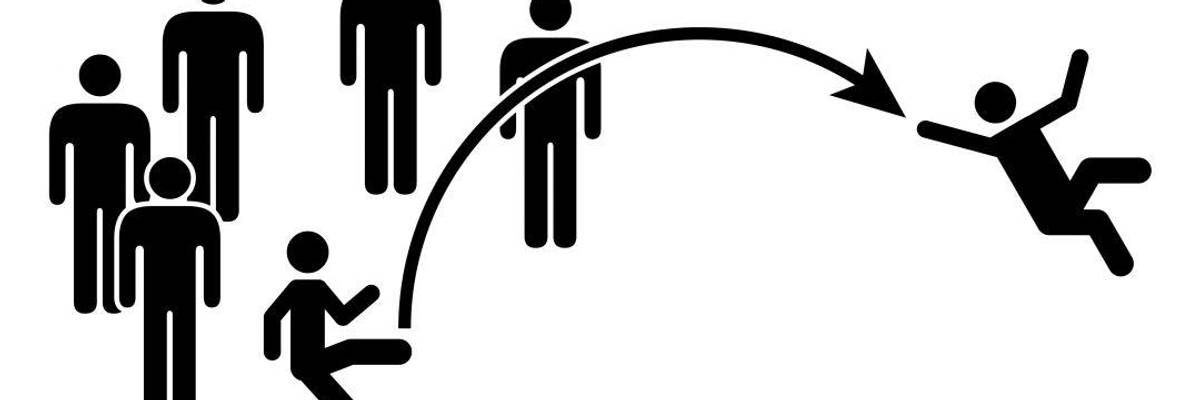
Former president Barack Obama, whose moderate vice president Joe Biden is now in the race, recently decried the alleged "purity tests" he saw on the left. (Photo: Shutterstock)
The Democratic primaries are heating up. One notable feature of the race is the strong presence of progressive candidates -- which has many in the establishment wing of the party worried.
Former president Barack Obama, whose moderate vice president Joe Biden is now in the race, recently decried the alleged "purity tests" he saw on the left. Obama worried that an "obsessive" ideological fanaticism was setting the party up for failure.
Indeed, in the political world, the term "purity test" is largely used by the establishment to chastise and attack the left.
For instance, Senators Elizabeth Warren and Bernie Sanders have refused to accept corporate donations for their presidential campaigns. Many outlets -- The Atlantic, Politico, The Hill -- described these pledges as a new Democratic "purity test" to establish progressive credentials.
Hillary Clinton scorned the idea, claiming that "under [Sanders'] "definition, President Obama is not a progressive because he took donations from Wall Street!" (Some might argue that's accurate, as Obama has described himself as a 1980s-style "moderate Republican.")
Another key issue in the primaries is health care. A lack of health coverage kills around 45,000 Americans yearly, and hospital bills drive the large majority of bankruptcies in America. Many Democratic candidates, including Warren and Sanders, support a Medicare for All system in response.
Yet New York Times columnist Paul Krugman has cautioned Democrats not to "make health care a purity test," warning that Democrats who don't support a single-payer system could be characterized as industry "shills."
Washington Post columnist Catherine Rampell was more scathing, attacking leftist "cranks" for supposedly embracing "empty slogans instead of evidence-based policy" on health care. (Nevermind the evidence that Medicare for All would cover more Americans for less money.)
In contrast, attacks directed toward the left are seldom framed this way.
For example, Sanders appointed Briahna Joy Gray as his press secretary, who had previously declared she voted for the Green Party's Jill Stein in 2016. Instead of this being seen as the party expanding its appeal to third-party voters, many party loyalists said it was proof that Bernie was not a "real Democrat".
In other words, they tried to excommunicate an ally for being insufficiently orthodox -- but no pundits called it a "purity test."
Nor did they say that about the anger generated by the decision of candidates like Sanders, Warren, Sen. Kamala Harris, and Beto O'Rourke not to attend the AIPAC conference. Nor about demands that the candidates embrace Trump's regime change strategy in Venezuela lest they be accused of supporting a "dictator."
Meanwhile, the left is told their preferred policies are either unrealistic or unpopular. "If Democrats want to destroy any chances of winning national office," The Hill warns, "establishing purity tests is the quickest way to do it."
But this is demonstrably not the case.
Seventy-five percent of Americans (and nearly two-thirds of Republicans) support Medicare for All. Three-quarters of Americans support higher taxes on the wealthy, while tuition-free public college is popular even among Tea Party supporters. One can make a strong case that these policies would attract rather than repel Trump voters.
This purity test trope is so blatantly used to defend anyone in power it sometimes stretches credulity to the breaking point.
In a Washington Post op-ed, Carolyn Dupont bemoaned the "rigid, self-righteous, and blind" progressives who criticized Virginia governor Ralph Northam for wearing blackface. The column unbelievably compared this censure to the guillotines of the French Revolution.
When you hear the phrase "purity test," be on the alert. The phrase is code for powerful people being pressured in ways they don't like -- and is often a shield against legitimate criticism.
Dear Common Dreams reader, It’s been nearly 30 years since I co-founded Common Dreams with my late wife, Lina Newhouser. We had the radical notion that journalism should serve the public good, not corporate profits. It was clear to us from the outset what it would take to build such a project. No paid advertisements. No corporate sponsors. No millionaire publisher telling us what to think or do. Many people said we wouldn't last a year, but we proved those doubters wrong. Together with a tremendous team of journalists and dedicated staff, we built an independent media outlet free from the constraints of profits and corporate control. Our mission has always been simple: To inform. To inspire. To ignite change for the common good. Building Common Dreams was not easy. Our survival was never guaranteed. When you take on the most powerful forces—Wall Street greed, fossil fuel industry destruction, Big Tech lobbyists, and uber-rich oligarchs who have spent billions upon billions rigging the economy and democracy in their favor—the only bulwark you have is supporters who believe in your work. But here’s the urgent message from me today. It's never been this bad out there. And it's never been this hard to keep us going. At the very moment Common Dreams is most needed, the threats we face are intensifying. We need your support now more than ever. We don't accept corporate advertising and never will. We don't have a paywall because we don't think people should be blocked from critical news based on their ability to pay. Everything we do is funded by the donations of readers like you. When everyone does the little they can afford, we are strong. But if that support retreats or dries up, so do we. Will you donate now to make sure Common Dreams not only survives but thrives? —Craig Brown, Co-founder |
The Democratic primaries are heating up. One notable feature of the race is the strong presence of progressive candidates -- which has many in the establishment wing of the party worried.
Former president Barack Obama, whose moderate vice president Joe Biden is now in the race, recently decried the alleged "purity tests" he saw on the left. Obama worried that an "obsessive" ideological fanaticism was setting the party up for failure.
Indeed, in the political world, the term "purity test" is largely used by the establishment to chastise and attack the left.
For instance, Senators Elizabeth Warren and Bernie Sanders have refused to accept corporate donations for their presidential campaigns. Many outlets -- The Atlantic, Politico, The Hill -- described these pledges as a new Democratic "purity test" to establish progressive credentials.
Hillary Clinton scorned the idea, claiming that "under [Sanders'] "definition, President Obama is not a progressive because he took donations from Wall Street!" (Some might argue that's accurate, as Obama has described himself as a 1980s-style "moderate Republican.")
Another key issue in the primaries is health care. A lack of health coverage kills around 45,000 Americans yearly, and hospital bills drive the large majority of bankruptcies in America. Many Democratic candidates, including Warren and Sanders, support a Medicare for All system in response.
Yet New York Times columnist Paul Krugman has cautioned Democrats not to "make health care a purity test," warning that Democrats who don't support a single-payer system could be characterized as industry "shills."
Washington Post columnist Catherine Rampell was more scathing, attacking leftist "cranks" for supposedly embracing "empty slogans instead of evidence-based policy" on health care. (Nevermind the evidence that Medicare for All would cover more Americans for less money.)
In contrast, attacks directed toward the left are seldom framed this way.
For example, Sanders appointed Briahna Joy Gray as his press secretary, who had previously declared she voted for the Green Party's Jill Stein in 2016. Instead of this being seen as the party expanding its appeal to third-party voters, many party loyalists said it was proof that Bernie was not a "real Democrat".
In other words, they tried to excommunicate an ally for being insufficiently orthodox -- but no pundits called it a "purity test."
Nor did they say that about the anger generated by the decision of candidates like Sanders, Warren, Sen. Kamala Harris, and Beto O'Rourke not to attend the AIPAC conference. Nor about demands that the candidates embrace Trump's regime change strategy in Venezuela lest they be accused of supporting a "dictator."
Meanwhile, the left is told their preferred policies are either unrealistic or unpopular. "If Democrats want to destroy any chances of winning national office," The Hill warns, "establishing purity tests is the quickest way to do it."
But this is demonstrably not the case.
Seventy-five percent of Americans (and nearly two-thirds of Republicans) support Medicare for All. Three-quarters of Americans support higher taxes on the wealthy, while tuition-free public college is popular even among Tea Party supporters. One can make a strong case that these policies would attract rather than repel Trump voters.
This purity test trope is so blatantly used to defend anyone in power it sometimes stretches credulity to the breaking point.
In a Washington Post op-ed, Carolyn Dupont bemoaned the "rigid, self-righteous, and blind" progressives who criticized Virginia governor Ralph Northam for wearing blackface. The column unbelievably compared this censure to the guillotines of the French Revolution.
When you hear the phrase "purity test," be on the alert. The phrase is code for powerful people being pressured in ways they don't like -- and is often a shield against legitimate criticism.
The Democratic primaries are heating up. One notable feature of the race is the strong presence of progressive candidates -- which has many in the establishment wing of the party worried.
Former president Barack Obama, whose moderate vice president Joe Biden is now in the race, recently decried the alleged "purity tests" he saw on the left. Obama worried that an "obsessive" ideological fanaticism was setting the party up for failure.
Indeed, in the political world, the term "purity test" is largely used by the establishment to chastise and attack the left.
For instance, Senators Elizabeth Warren and Bernie Sanders have refused to accept corporate donations for their presidential campaigns. Many outlets -- The Atlantic, Politico, The Hill -- described these pledges as a new Democratic "purity test" to establish progressive credentials.
Hillary Clinton scorned the idea, claiming that "under [Sanders'] "definition, President Obama is not a progressive because he took donations from Wall Street!" (Some might argue that's accurate, as Obama has described himself as a 1980s-style "moderate Republican.")
Another key issue in the primaries is health care. A lack of health coverage kills around 45,000 Americans yearly, and hospital bills drive the large majority of bankruptcies in America. Many Democratic candidates, including Warren and Sanders, support a Medicare for All system in response.
Yet New York Times columnist Paul Krugman has cautioned Democrats not to "make health care a purity test," warning that Democrats who don't support a single-payer system could be characterized as industry "shills."
Washington Post columnist Catherine Rampell was more scathing, attacking leftist "cranks" for supposedly embracing "empty slogans instead of evidence-based policy" on health care. (Nevermind the evidence that Medicare for All would cover more Americans for less money.)
In contrast, attacks directed toward the left are seldom framed this way.
For example, Sanders appointed Briahna Joy Gray as his press secretary, who had previously declared she voted for the Green Party's Jill Stein in 2016. Instead of this being seen as the party expanding its appeal to third-party voters, many party loyalists said it was proof that Bernie was not a "real Democrat".
In other words, they tried to excommunicate an ally for being insufficiently orthodox -- but no pundits called it a "purity test."
Nor did they say that about the anger generated by the decision of candidates like Sanders, Warren, Sen. Kamala Harris, and Beto O'Rourke not to attend the AIPAC conference. Nor about demands that the candidates embrace Trump's regime change strategy in Venezuela lest they be accused of supporting a "dictator."
Meanwhile, the left is told their preferred policies are either unrealistic or unpopular. "If Democrats want to destroy any chances of winning national office," The Hill warns, "establishing purity tests is the quickest way to do it."
But this is demonstrably not the case.
Seventy-five percent of Americans (and nearly two-thirds of Republicans) support Medicare for All. Three-quarters of Americans support higher taxes on the wealthy, while tuition-free public college is popular even among Tea Party supporters. One can make a strong case that these policies would attract rather than repel Trump voters.
This purity test trope is so blatantly used to defend anyone in power it sometimes stretches credulity to the breaking point.
In a Washington Post op-ed, Carolyn Dupont bemoaned the "rigid, self-righteous, and blind" progressives who criticized Virginia governor Ralph Northam for wearing blackface. The column unbelievably compared this censure to the guillotines of the French Revolution.
When you hear the phrase "purity test," be on the alert. The phrase is code for powerful people being pressured in ways they don't like -- and is often a shield against legitimate criticism.