SUBSCRIBE TO OUR FREE NEWSLETTER
Daily news & progressive opinion—funded by the people, not the corporations—delivered straight to your inbox.
5
#000000
#FFFFFF
To donate by check, phone, or other method, see our More Ways to Give page.
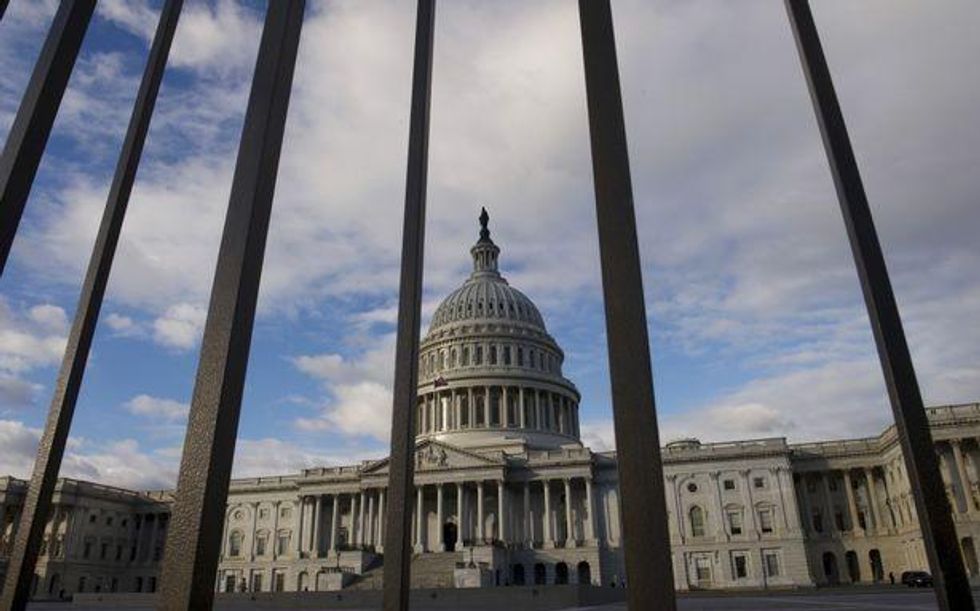
On Friday, after just one day of rushed debate, the Senate shamefully voted on a five-year extension to the FISA Amendments Act, an unconsitutional law that openly allows for warrantless surveillance of Americans' overseas communications.
Incredibly, the Senate rejected all the proposed amendments that would have brought a modicum of transparency and oversight to the government's activities, despite previous refusals by the Executive branch to even estimate how many Americans are surveilled by this program or reveal critical secret court rulings interpreting it.
The common-sense amendments the Senate hastily rejected were modest in scope and written with the utmost deference to national security concerns. The Senate had months to consider them, but waited until four days before the law was to expire to bring them to the floor, and then used the contrived time crunch to stifle any chances of them passing.
Sen. Ron Wyden's amendment would not have taken away any of the NSA's powers, it just would have forced intelligence agencies to send Congress a report every year detailing how their surveillance was affecting ordinary Americans. Yet Congress voted to be purposely kept in the dark about a general estimate of how many Americans have been spied on.
You can watch Sen. Ron Wyden's entire, riveting floor speech on the privacy dangers and lack of oversight in the FISA Amendments Act here.
Sen. Jeff Merkley's amendment would have encouraged (not even forced!) the Attorney General to declassify portions of secret FISA court opinions--or just release summaries of them if they were too sensitive. This is something the administration itself promised to do three years ago. We know--because the government has admitted--that at least one of those opinions concluded the government had violated the Constitution. Yet Congress also voted to keep this potentially critical interpretation of a public law a secret.
Tellingly, Sen. Rand Paul's "Fourth Amendment Protection Act," which would have affirmed Americans' emails are protected from unwarranted search and seizures (just like physical letters and phone calls), was voted down by the Senate in a landslide.
The final vote for re-authorizing five more years of the FISA Amendments Act and secretive domestic spying was 73-23. Our thanks goes out to the twenty-three brave Senators who stood up for Americans' constitutional rights yesterday. If only we had more like them.
Of course, the fight against illegal and unconsitutional warrantless wiretapping is far from over. Since neither the President, who once campaigned on a return to rule of law on surveillance of Americans, nor the Congress, which has proven to be the enabler-in-chief of the Executive's overreach, have been willing to protect the privacy of Americans in their digital papers, all eyes should now turn to the Courts.
EFF was just in federal court in San Francisco two weeks ago, challenging the NSA's untargeted dragnet warrantless surveillance program. And the Supreme Court will soon rule whether the ACLU's constitutional challenge to the "targeted" portions of the FISA Amendments Act can go forward.
But make no mistake: this vote was nothing less than abdication by Congress of its role as watchdog over Executive power, and a failure of its independent obligation to protect the Bill of Rights. The FISA Amendments Act and the ongoing warrantless spying on Americans has been, and will continue to be, a blight on our nation and our Constitution.
On Friday, after just one day of rushed debate, the Senate shamefully voted on a five-year extension to the FISA Amendments Act, an unconsitutional law that openly allows for warrantless surveillance of Americans' overseas communications.
Incredibly, the Senate rejected all the proposed amendments that would have brought a modicum of transparency and oversight to the government's activities, despite previous refusals by the Executive branch to even estimate how many Americans are surveilled by this program or reveal critical secret court rulings interpreting it.
The common-sense amendments the Senate hastily rejected were modest in scope and written with the utmost deference to national security concerns. The Senate had months to consider them, but waited until four days before the law was to expire to bring them to the floor, and then used the contrived time crunch to stifle any chances of them passing.
Sen. Ron Wyden's amendment would not have taken away any of the NSA's powers, it just would have forced intelligence agencies to send Congress a report every year detailing how their surveillance was affecting ordinary Americans. Yet Congress voted to be purposely kept in the dark about a general estimate of how many Americans have been spied on.
You can watch Sen. Ron Wyden's entire, riveting floor speech on the privacy dangers and lack of oversight in the FISA Amendments Act here.
Sen. Jeff Merkley's amendment would have encouraged (not even forced!) the Attorney General to declassify portions of secret FISA court opinions--or just release summaries of them if they were too sensitive. This is something the administration itself promised to do three years ago. We know--because the government has admitted--that at least one of those opinions concluded the government had violated the Constitution. Yet Congress also voted to keep this potentially critical interpretation of a public law a secret.
Tellingly, Sen. Rand Paul's "Fourth Amendment Protection Act," which would have affirmed Americans' emails are protected from unwarranted search and seizures (just like physical letters and phone calls), was voted down by the Senate in a landslide.
The final vote for re-authorizing five more years of the FISA Amendments Act and secretive domestic spying was 73-23. Our thanks goes out to the twenty-three brave Senators who stood up for Americans' constitutional rights yesterday. If only we had more like them.
Of course, the fight against illegal and unconsitutional warrantless wiretapping is far from over. Since neither the President, who once campaigned on a return to rule of law on surveillance of Americans, nor the Congress, which has proven to be the enabler-in-chief of the Executive's overreach, have been willing to protect the privacy of Americans in their digital papers, all eyes should now turn to the Courts.
EFF was just in federal court in San Francisco two weeks ago, challenging the NSA's untargeted dragnet warrantless surveillance program. And the Supreme Court will soon rule whether the ACLU's constitutional challenge to the "targeted" portions of the FISA Amendments Act can go forward.
But make no mistake: this vote was nothing less than abdication by Congress of its role as watchdog over Executive power, and a failure of its independent obligation to protect the Bill of Rights. The FISA Amendments Act and the ongoing warrantless spying on Americans has been, and will continue to be, a blight on our nation and our Constitution.
On Friday, after just one day of rushed debate, the Senate shamefully voted on a five-year extension to the FISA Amendments Act, an unconsitutional law that openly allows for warrantless surveillance of Americans' overseas communications.
Incredibly, the Senate rejected all the proposed amendments that would have brought a modicum of transparency and oversight to the government's activities, despite previous refusals by the Executive branch to even estimate how many Americans are surveilled by this program or reveal critical secret court rulings interpreting it.
The common-sense amendments the Senate hastily rejected were modest in scope and written with the utmost deference to national security concerns. The Senate had months to consider them, but waited until four days before the law was to expire to bring them to the floor, and then used the contrived time crunch to stifle any chances of them passing.
Sen. Ron Wyden's amendment would not have taken away any of the NSA's powers, it just would have forced intelligence agencies to send Congress a report every year detailing how their surveillance was affecting ordinary Americans. Yet Congress voted to be purposely kept in the dark about a general estimate of how many Americans have been spied on.
You can watch Sen. Ron Wyden's entire, riveting floor speech on the privacy dangers and lack of oversight in the FISA Amendments Act here.
Sen. Jeff Merkley's amendment would have encouraged (not even forced!) the Attorney General to declassify portions of secret FISA court opinions--or just release summaries of them if they were too sensitive. This is something the administration itself promised to do three years ago. We know--because the government has admitted--that at least one of those opinions concluded the government had violated the Constitution. Yet Congress also voted to keep this potentially critical interpretation of a public law a secret.
Tellingly, Sen. Rand Paul's "Fourth Amendment Protection Act," which would have affirmed Americans' emails are protected from unwarranted search and seizures (just like physical letters and phone calls), was voted down by the Senate in a landslide.
The final vote for re-authorizing five more years of the FISA Amendments Act and secretive domestic spying was 73-23. Our thanks goes out to the twenty-three brave Senators who stood up for Americans' constitutional rights yesterday. If only we had more like them.
Of course, the fight against illegal and unconsitutional warrantless wiretapping is far from over. Since neither the President, who once campaigned on a return to rule of law on surveillance of Americans, nor the Congress, which has proven to be the enabler-in-chief of the Executive's overreach, have been willing to protect the privacy of Americans in their digital papers, all eyes should now turn to the Courts.
EFF was just in federal court in San Francisco two weeks ago, challenging the NSA's untargeted dragnet warrantless surveillance program. And the Supreme Court will soon rule whether the ACLU's constitutional challenge to the "targeted" portions of the FISA Amendments Act can go forward.
But make no mistake: this vote was nothing less than abdication by Congress of its role as watchdog over Executive power, and a failure of its independent obligation to protect the Bill of Rights. The FISA Amendments Act and the ongoing warrantless spying on Americans has been, and will continue to be, a blight on our nation and our Constitution.