SUBSCRIBE TO OUR FREE NEWSLETTER
Daily news & progressive opinion—funded by the people, not the corporations—delivered straight to your inbox.
5
#000000
#FFFFFF
To donate by check, phone, or other method, see our More Ways to Give page.


Interestingly, 50% of the participating countries are members or “partners” of NATO, the NORTH ATLANTIC Treaty Organization. Eight of the 10 NATO countries are from Europe: Denmark, Germany, Greece, Italy, Netherlands, Poland, Spain, and the United Kingdom.
Canada is the only other NATO member from the Western Hemisphere, along with, of course, the host country, the United States.
Five of the 6 NATO “partners” have Pacific Ocean coasts: Australia, Japan, New Zealand, Korea, and Colombia.
Invited from its wars in the Middle East, Israel, the US partner in the genocide of Palestinians in Gaza, the ethnic cleansing of the West Bank, the destruction of southern Lebanon, and the war on Iran, will also have a presence in RIMPAC as it continues to weave itself into the fabric of the US military.
Although RIMPAC has not specified what the role of the Israeli military delegation is, one can surmise that its members will act as liaison officers, planners, observers, or staff officers participating in command-and-control and multinational planning activities and giving lessons learned in the genocide of Palestinians in Gaza.
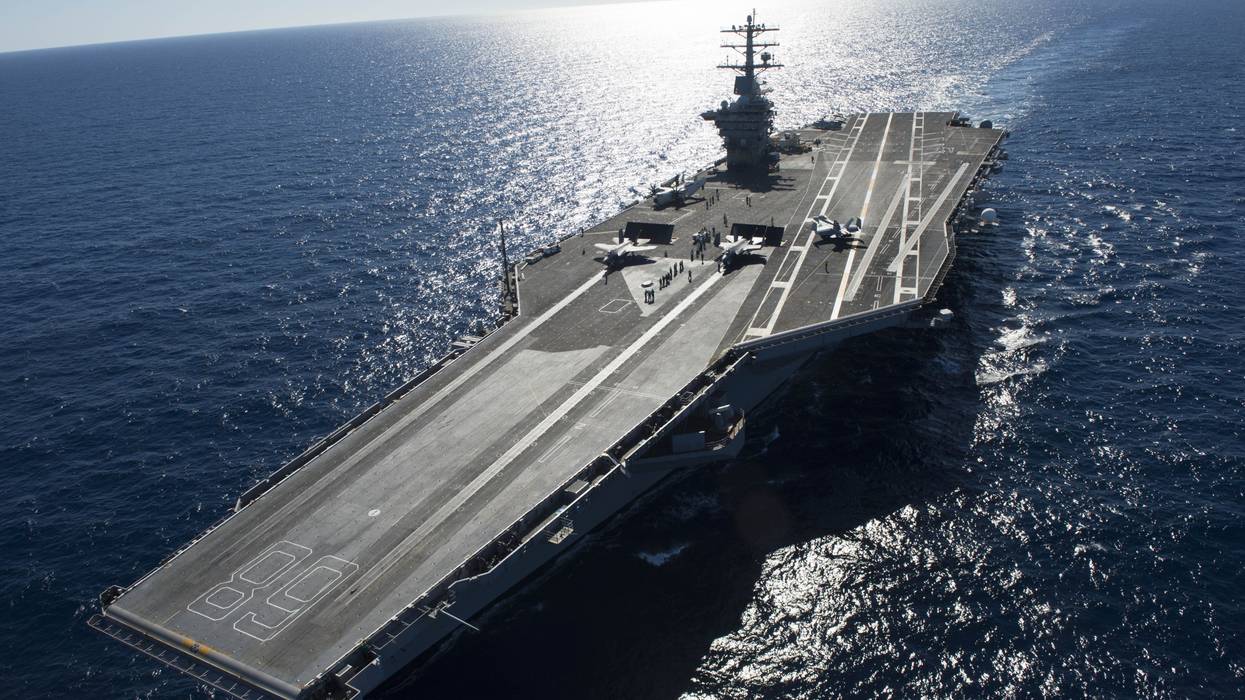
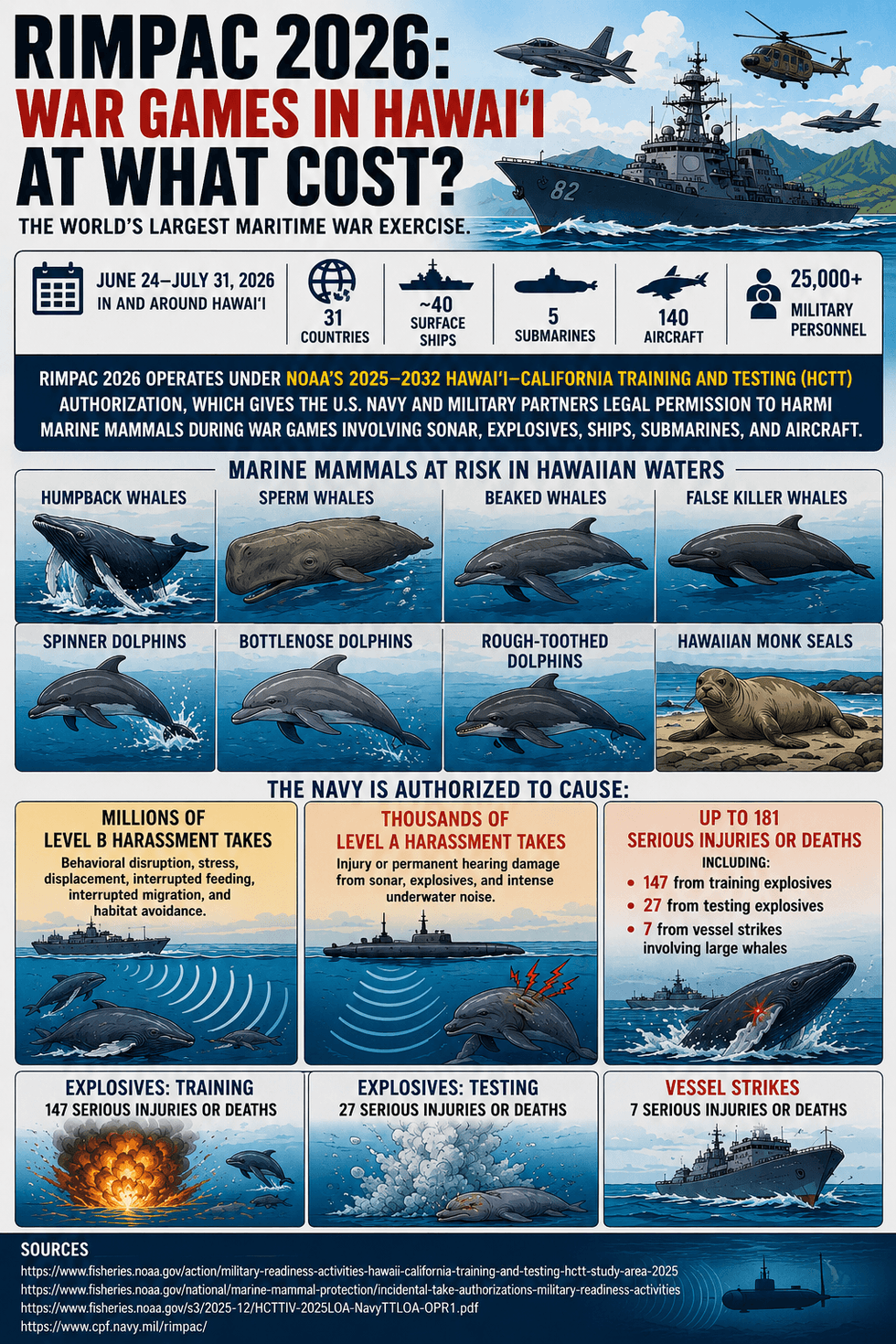
40 military ships, including 13 from the US, 200 aircraft, 25,000 military personnel, and five Submarines will practice their violent mission of war in this year’s RIMPAC, which will include live fire and bombings on the Pohakuloa range on the Big Island of Hawaii, sinking a large retired US navy ship off the island of Kauai and amphibious landings on the turtle hatching beach of Bellows on the island of Oahu.
Harm to marine mammals created by the large numbers of ships continues to be a major concern. The numbers of “takes” or deaths of marine mammals allowed by the US government permits are horrendous.
On February 28, 2026, the Trump administration allowed itself to get suckered into joining Israel in attacking Iran. The massive bombings and missile attacks from the US and Israel assassinated the Iranian supreme leader Ali Khamenei and many other senior Iranian officials on the first day of the war on Iran.
Also killed on February 28, 2026, the first day of the US-Israeli attack on Iran, were 156 civilians, including 120 school children when a US missile destroyed the Shajareh Tayyebe Elementary School school in Minab, southern Iran.
One of the five submarines in 2026 RIMPAC is the US Navy’s USS Charlotte.
On March 4, 2026, five days after the US-Israel war on Iran began, the USS Charlotte torpedoed and sunk the Iranian frigate IRIS Dena in international waters 19 nautical miles off the southern tip of Sri Lanka in the Indian Ocean.
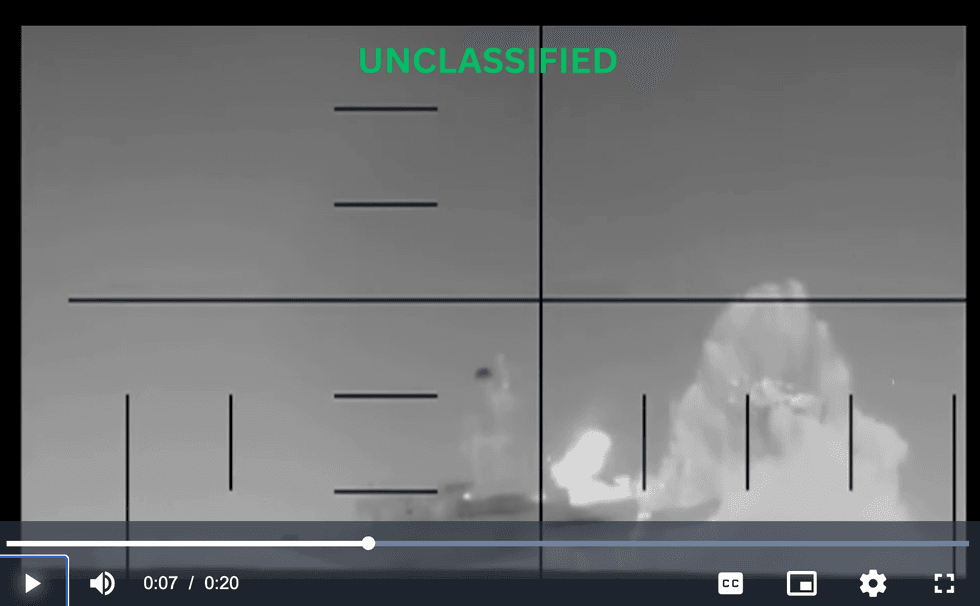
The USS Charlotte torpedoing of the Dena killed 104 Iranian sailors. At the time of the attack, Dena had a crew of 136 personnel and only 32 survived. According to reports, the remains of 20 of the deceased were not recovered.
It is the only instance since World War II in which a United States Navy submarine sank a surface vessel using torpedoes.
The Iranian ship was 2,300 miles from Iran having participated in the multilateral naval exercise MILAN 2026, in February 2026, and in the International Fleet Review 2026, held at the Indian port of Visakhaptnam.
The US sent US Pacific Fleet commander Admiral Steve Koehler, the highest-ranking naval officer in the Pacific Command, to the International Fleet Review. Ironically, a US Navy release revealed that a P-8A Poseidon maritime patrol and reconnaissance aircraft took part and conducted anti-submarine warfare drills with other participating forces in MILAN 2026.
The United States Navy was to have sent the Arleigh Burke Class guided-missile destroyer USS Pinckney (DDG-91), but participation was cancelled at the last minute for “undisclosed operational reasons.”
According to an article in The Maritime Executive written before the US-Israeli war on Iran started, the Indian military was probably not concerned about the lack of US participation, “as the It would have been embarrassing for the Indian hosts to have had Pinckney moored alongside IRINS Dena, should war have broken out with Iran during the period of the fleet review.”
After the USS Charlotte sunk the Dena, India allowed Iranian warship IRIS Lavan to dock at the port of Kochi on March, 4 2026 with its 183-member crew housed at naval facilities. Sri Lanka allowed another Iranian warship IRIS Bushehr, to dock at Trincomalee port and housed its 208-member crew at the naval camp on March 5, 2026.
India's former chief of naval staff, Admiral Arun Prakah, commented: "It’s a bit of treachery of the US to attend a peaceful function side-by-side with Iranian navy, where there’s a lot of camaraderie, and then the moment the Iranian ship pops out of harbour, it’s sunk... They could have delayed this action to spare India this embarrassment."
That comment, and India allowing one Iranian ship to seek safe harbor in an Indian port after the USS Charlotte torpedoed the IRIS Dena, is probably the reason why the massive US military unified command “Indo-Pacific Command,” and host of RIMPAC, recently dropped “Indo” from its name and is now called the “Pacific Command,” even though its area of responsibility still includes the Indian subcontinent.
The US Central command said that the US has now sunk and destroyed 60 Iranian naval vessels.
However, those of us who live in Hawaii and those from Japan remember another tragic incident with a US submarine homeported in Pearl Harbor.
On February 9, 2001, the US Navy’s USS Greenville conducted an “emergency” surfacing with 16 VIP civilians onboard as a part of the US Navy's Distinguished Visitor Embarkation (DVE) program. The USS Greeneville came up under the Japanese student training vessel Ehime Maru, 9 nautical miles off the island of Oahu, breaking the hull of the ship which quickly sank. Thirty-five people were aboard the Ehime Maru, of which 26 were rescued, one with serious injuries. Nine were killed, four high school students, two teachers, and three crew members, with US Navy and Japanese divers retrieving 8 of the 9 bodies from the sunken vessel which was raised from the ocean floor during October 2001.
Thankfully, the USS Greeneville is not participating in RIMPAC 2026 and is now homeported in San Diego.
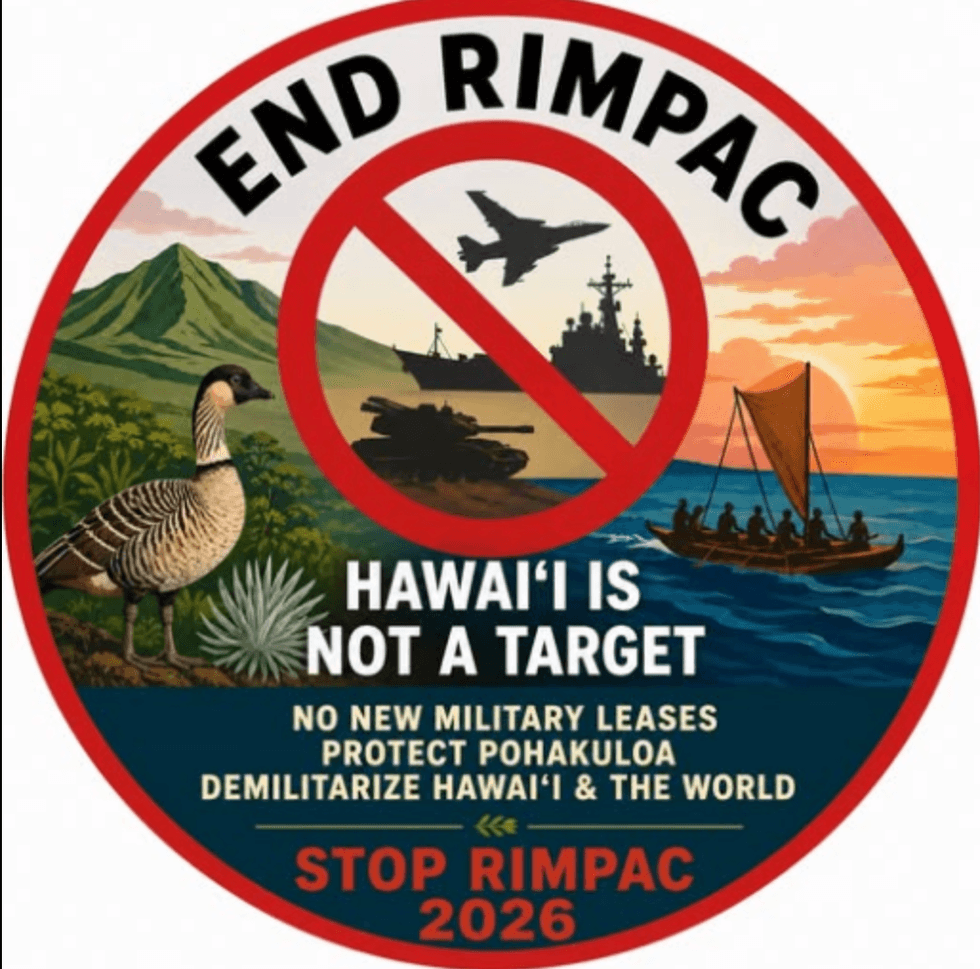
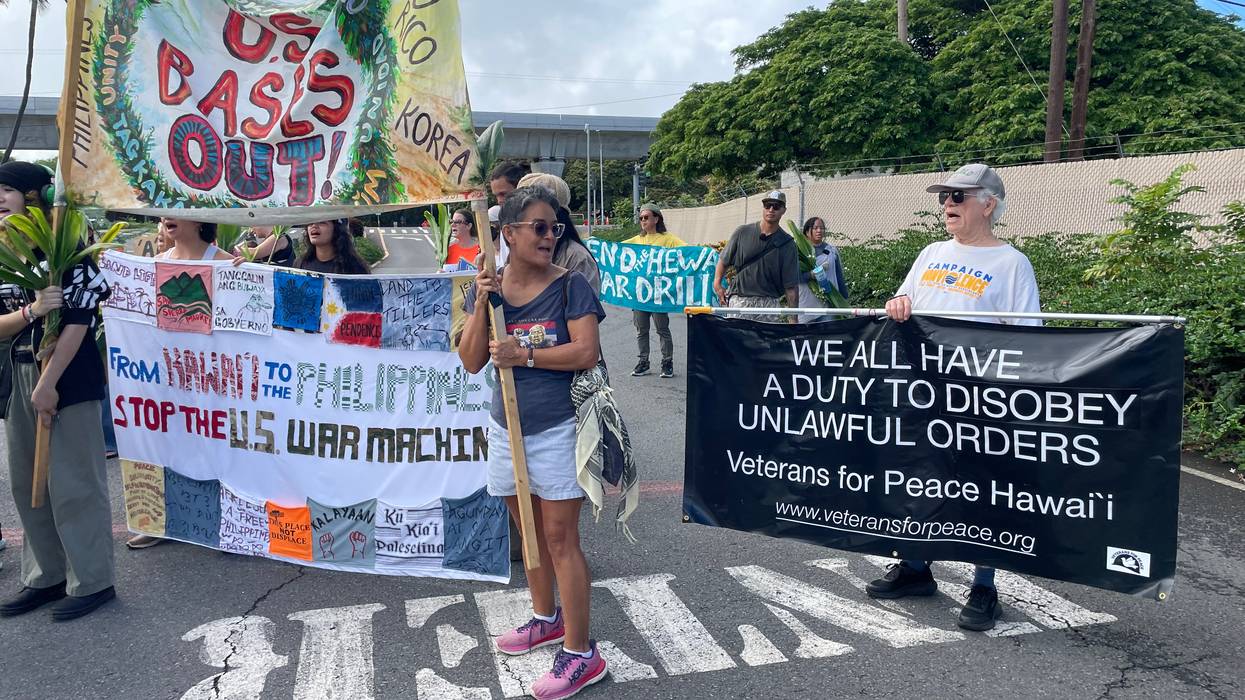
Each edition of RIMPAC is protested by citizens in Hawaii. On June 24 a spirited ceremony and procession preceded the protest at the gates of the US Pacific Fleet at Pearl Harbor.
Numerous persons will be at the gates of Pearl Harbor over the next weeks to continue the challenge to the war practice called RIMPAC.

It is the expansion of a contract first reported on in October by CNN, which found that DHS was "funneling $10 billion through the Navy to help facilitate the construction of a sprawling network of migrant detention centers across the US in an arrangement aimed at getting the centers built faster, according to sources and federal contracting documents."
The report describes the money as being allocated for "new detention centers," which "are likely to be primarily soft-sided tents and may or may not be built on existing Navy installations, according to the sources familiar with the initiative. DHS has often leaned on soft-sided facilities to manage influxes of migrants."
According to a source familiar with the project, "the goal is for the facilities to house as many as 10,000 people each, and are expected to be built in Louisiana, Georgia, Pennsylvania, Indiana, Utah, and Kansas."
Now Manríquez reports that the project has just gotten much bigger after a Navy grant was repurposed weeks ago. It was authorized through the Worldwide Expeditionary Multiple Award Contract (WEXMAC), a flexible purchasing system that the government uses to quickly move military equipment to dangerous and remote parts of the world.
The contract states that the money is being repurposed for "TITUS," an abbreviation for "Territorial Integrity of the United States." While it's not unusual for Navy contracts to be used for expenditures aimed at protecting the nation, Manríquez warned that such a staggering movement of funds for domestic detention points to something ominous.
“This $45 billion increase, published just weeks ago, converts the US into a ‘geographic region’ for expeditionary military-style detention,” he wrote. "It signals a massive, long-term escalation in the government’s capacity to pay for detention and deportation logistics. In the world of federal contracting, it is the difference between a temporary surge and a permanent infrastructure."
He says the use of the military funding mechanism is meant to disburse funds quickly, without the typical bidding war among contractors, which would typically create a period of public scrutiny. Using the Navy contract means that new projects can be created with “task orders,” which can be turned around almost immediately, when “specific dates and locations are identified” by DHS.
"It means the infrastructure is currently a 'ghost' network that can be materialized anywhere in the US the moment a site is picked," Manríquez wrote.
Amid its push to deport 1 million people each year, the White House has said it needs to dramatically increase the scale of its detention apparatus to add more beds for those who are arrested. But Manríquez said documents suggest "this isn't just about bed space; it’s about the rapid deployment of self-contained cities."
In addition to tent cities capable of housing thousands, contract line items include facilities meant for sustained living—including closed tents likely for medical treatment and industrial-sized grills for food preparation.
They also include expenditures on "Force Protection" equipment, like earth-filled defensive barriers, 8-foot-high CONEX box walls, and “Weather Resistant” guard shacks.
Eric Feigl-Ding, an epidemiologist and health economist, said the contract's provision of materials meant to deal with medical needs and death was "extra chilling." According to the report, "services extend to 'Medical Waste Management,' with specific protocols for biohazard incinerators."
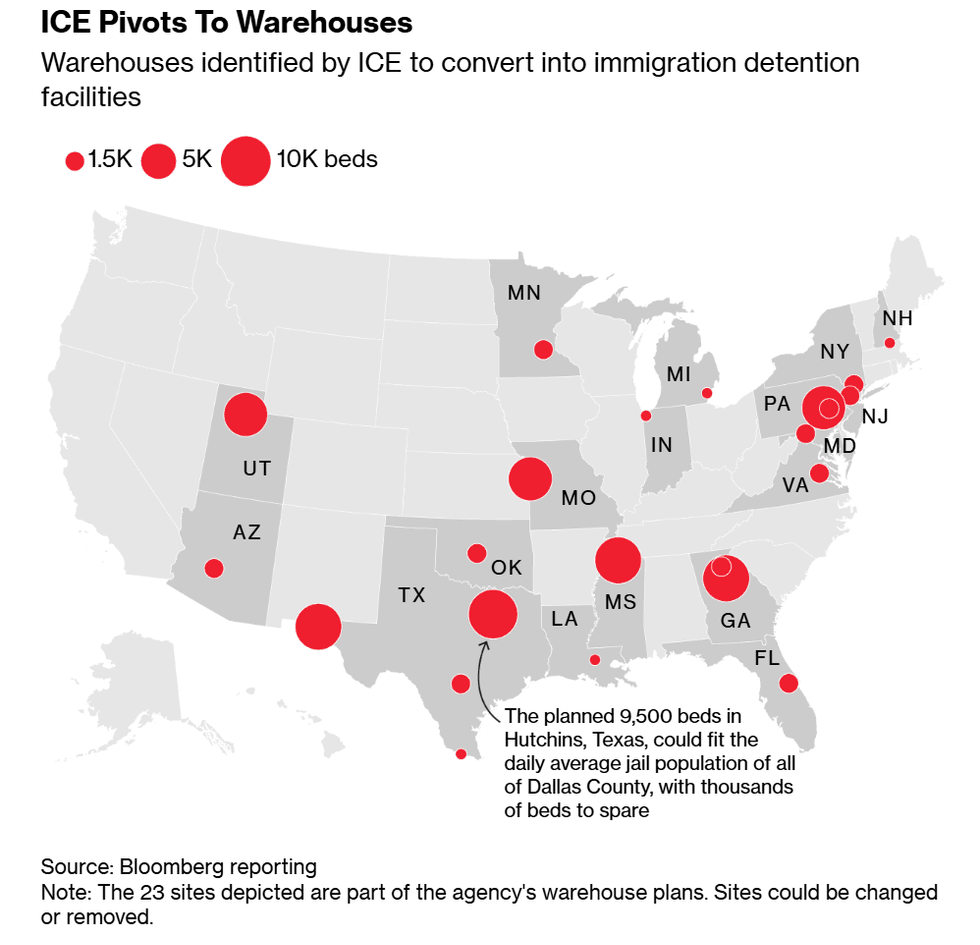 Graphic from Bloomberg
The new reporting from Migrant Insider comes on the heels of a report last week from Bloomberg that US Immigration and Customs Enforcement (ICE) has used some of the $45 billion to purchase warehouses in nearly two dozen remote communities, each meant to house thousands of detainees, which it said "could be the largest expansion of such detention capacity in US history."
The plans have been met with backlash from locals, even in the largely Republican-leaning areas where they are being constructed:
This month, demonstrators protested warehouse conversions in New Hampshire, Utah, Texas and Georgia after the Washington Post published an earlier version of the conversion plan.
In mid-January, a planned tour for contractors of a potential warehouse site in San Antonio was canceled after protesters showed up the same day, according to a person familiar with the scheduled visit.
In Salt Lake City, the Ritchie Group, a local family business that owns the warehouse ICE identified as a future “mega center” jail, said it had “no plans to sell or lease the property in question to the federal government” after protesters showed up at their offices to pressure them.
On January 20, Sen. Chris Van Hollen (D-Md.) joined hundreds of protesters outside a warehouse in Hagerstown, Maryland, that was set to be converted into a facility that will hold 1,500 people.
The senator called the construction of it and other detention facilities "one of the most obscene, one of the most inhumane, one of the most illegal operations being carried out by this Trump administration."
Reports of a new influx of funding from the Navy come as Democrats in Congress face pressure to block tens of billions in new funding for DHS and ICE during budget negotiations.
"If Congress does nothing, DHS will continue to thrive," Manríquez said. "With three more years pre-funded, plus a US Navy as a benefactor, Secretary Kristi Noem—or any potential successor—has the legal and financial runway to keep the business of creating ICE concentration camps overnight in American communities running long after any news cycle fades."