

SUBSCRIBE TO OUR FREE NEWSLETTER
Daily news & progressive opinion—funded by the people, not the corporations—delivered straight to your inbox.
5
#000000
#FFFFFF
To donate by check, phone, or other method, see our More Ways to Give page.
Daily news & progressive opinion—funded by the people, not the corporations—delivered straight to your inbox.
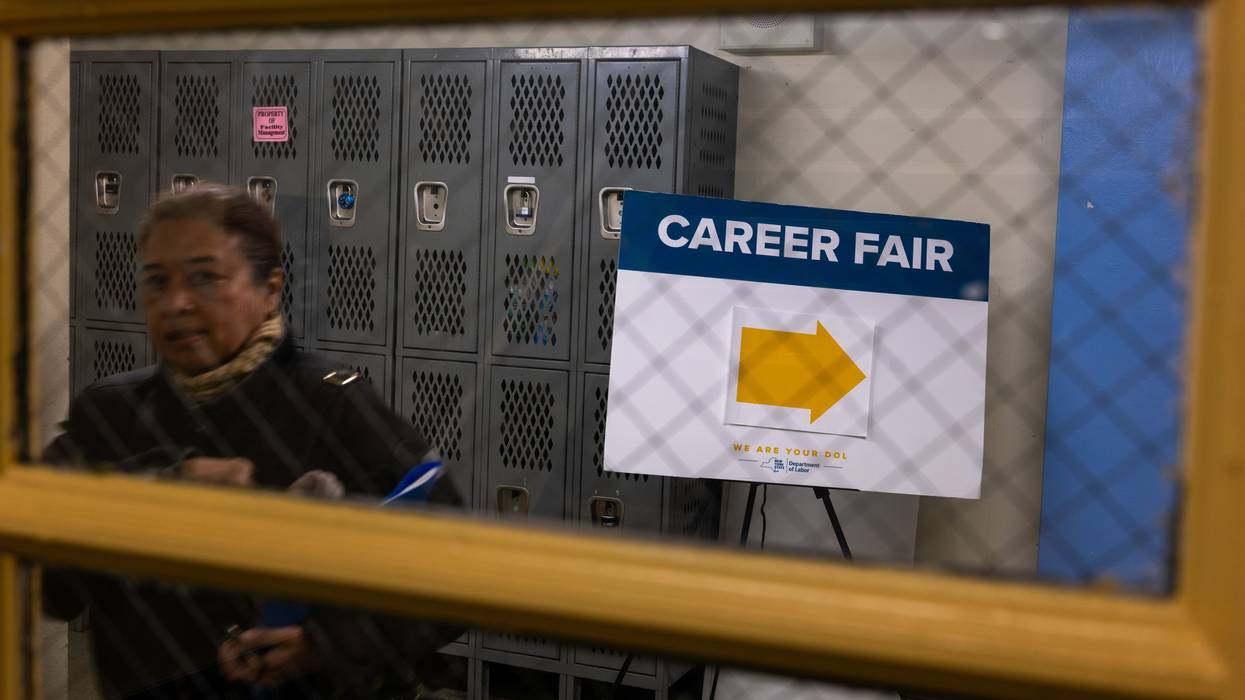
"It’s a stalled economy—and working families are stuck in it," said one economist.
A Friday report from the US Bureau of Labor Statistics showed that the American job market is running on fumes.
According to the BLS, the US economy added just 29,000 jobs in September, which was well below economists' forecasts of 90,000 jobs added on the month.
Additionally, employment numbers for previous months were revised downward by a total of 60,000 jobs, and BLS now estimates that the economy posted a net loss of 10,000 jobs in July and a net gain of 133,000 jobs in August.
In a Friday social media post, economist Bill McBride noted that the economy over the last year has only created 496,000 jobs, which averages to roughly 41,000 jobs per month. For comparison, the economy created an average of 186,000 jobs per month in the last year of former President Joe Biden's term.
Heather Long, chief economist at Navy Federal Credit Union, called the latest jobs numbers "mediocre," and pointed out that wage growth in September posted just a 3% yearly gain.
"That’s a new five-year low," Long remarked, "and it’s wiped out entirely by ~3.4% inflation."
Tahra Hoops, director of economic analysis at Chamber of Progress, also pointed to wage growth failing to keep up with inflation, which she said "gives credibility to the negative consumer sentiment" expressed in recent surveys.
Kyle Moore, chief economist at The Century Foundation, said that the weak wage growth on the month doesn't tell the full story of the stresses working-class Americans are facing because the numbers "leave out debt, all the bills families have to pay before they can spend any of their paycheck."
"A worker with debt often can’t afford to miss a paycheck, and therefore can’t afford to quit a bad job or push for a raise," Moore explained. "That is exactly what we see in today’s job market, with hiring stalled, the quit rate stuck at 1.9%, and wage growth falling as prices climb. Mounting debt, sluggish hiring and real wage growth, and weak social support all disempower workers."
Moore criticized President Donald Trump and his administration for trying to spin their economic policies as successes given the current numbers.
"Until the Trump administration confronts the reality that debt is eating into workers’ gains—wage gains that are now non-existent, in real terms, for the typical worker," said Moore, "the gulf between how this administration spins the economy and how working families actually experience it will continue to widen."
White House National Economic Council Director Kevin Hassett didn't heed Moore's advice on this matter, and continued boasting about the state of the economy during a Friday interview.
"If you look at the data from this week, it's proving that Trumponomics is really working," said Hassett, "and this is one reason why markets are celebrating so much."
Kevin Hassett responds to a bad September jobs report: "If you look at the data from this week, it's proving that Trumponomics is really working ... we're very very happy"
The Fox News host responds by saying "you're bullish and I expected that" pic.twitter.com/bVdTFnteHc
— Aaron Rupar (@atrupar) October 2, 2026
Breyon Williams, chief economist at Groundwork Collaborative, called the weak jobs report emblematic of how the economy as a whole has performed during Trump's second term.
"There’s a clear pattern in the Trump economy," Williams explained. "One sector is creating most of the new jobs, unemployed workers can’t find new jobs, and Americans are seeing their paychecks eaten up by the president’s high prices. When businesses are barely hiring and raises aren’t keeping up with rising prices, it’s a stalled economy—and working families are stuck in it."
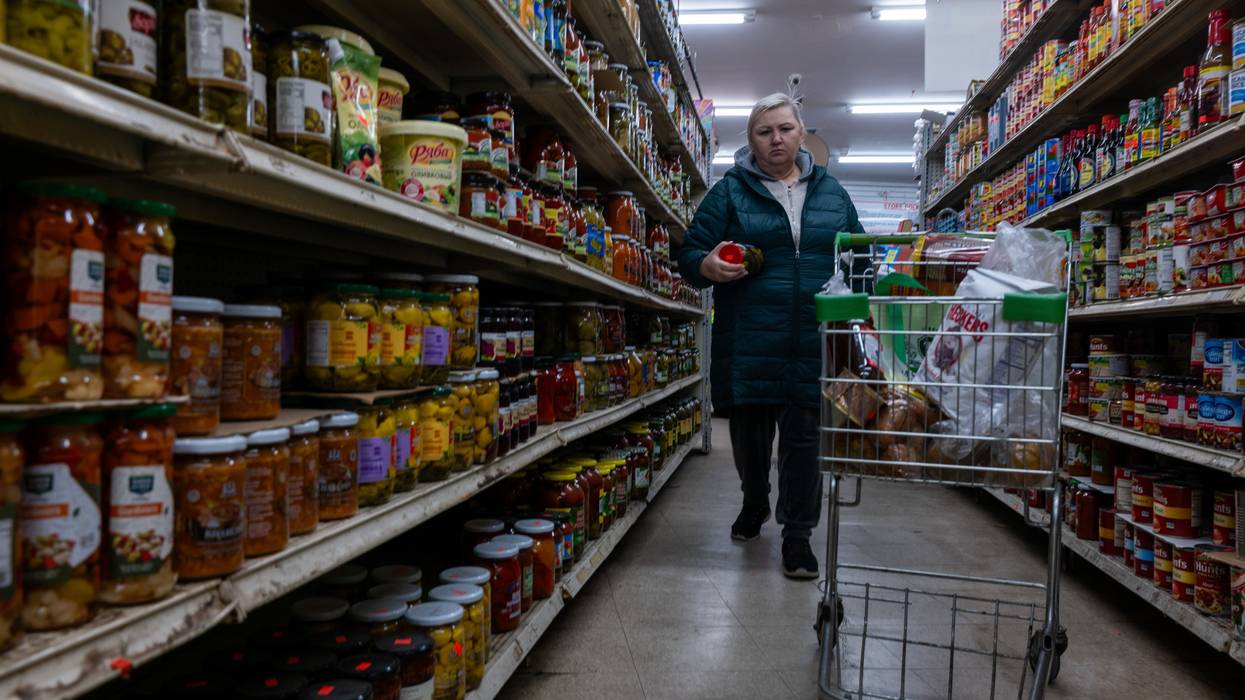
"Families are going further into the red just to cover basic essentials, all while the Trump administration touts hollow talking points about a booming economy."
Research published Tuesday shows that more than half of the income gains seen by the typical American worker since 2022 has been swallowed by debt payments, as high and still-rising costs of housing, groceries, utilities, and other essentials force families to turn to credit cards and other sources of borrowing to stay afloat.
The new report released by The Century Foundation and Protect Borrowers estimates that take-home income for a typical US household rose by approximately $109 per month while the average worker's debt payments rose by $57. In households with a single earner, the groups noted, "52 cents of every dollar a worker gained went to paying down their debt before they could actually spend it on other things."
In two-income households in which both earners faced the average debt payment increase, "the household’s entire real income gain was lost to debt, and then some."
Credit cards and auto loans—which often come with extremely high interest rates—account for most of the debt burden carried by typical US households, which have seen their debt payments grow more than eight times as fast as their income over the past four years, according to The Century Foundation and Protect Borrowers.
"The economy is rigged against working families, and this report shows one big reason why," US Sen. Elizabeth Warren (D-Mass.), the top Democrat on the Senate Banking Committee, said in a statement. "For the typical worker, more than half of every dollar of income growth is going right back out the door in debt payments. Instead of letting lenders rip off families, [President] Donald Trump and congressional Republicans should act today to protect families from getting trapped in cycles of debt, including a cap on credit card interest rates.”
Trump repeatedly vowed during his 2024 presidential campaign to cap credit card interest rates at 10%, but he has since done nothing substantive to fulfill that promise as the nation's credit card debt crisis continues to spiral amid deteriorating economic conditions, with sluggish hiring and inflation—fueled by the president's illegal war on Iran—outpacing wage growth.
"Families are going further into the red just to cover basic essentials, all while the Trump administration touts hollow talking points about a booming economy and fails to deliver on promises to lower costs,” said Aissa Canchola Bañez, policy director for Protect Borrowers. “Today’s report shows just how dire the affordability crisis is for working people who are being forced to surrender their hard-earned income gains to paying off debt and padding the pockets of credit card executives and debt collectors."
"Growing household debt is burying America’s workers," she added, "and policymakers must take action to get them real relief."
The new research warns that, in the absence of ambitious policy action, the debt emergency facing working-class US households "is about to get worse," with many student-loan borrowers about to be forced into expensive repayment plans due to the Trump administration's assault on Biden-era relief efforts.
"Cancelling student and medical debt, capping interest rates, and restraining employer debt traps are all examples of solutions available to provide help to struggling households," the new report states. "We should also address the ways workers end up in debt in the first place through stagnant wages, eroded bargaining power, and lack of public provisioning. Together these interventions represent a coherent alternative to the status quo so that economic growth is measured by what workers actually keep and not just by what employers pay."
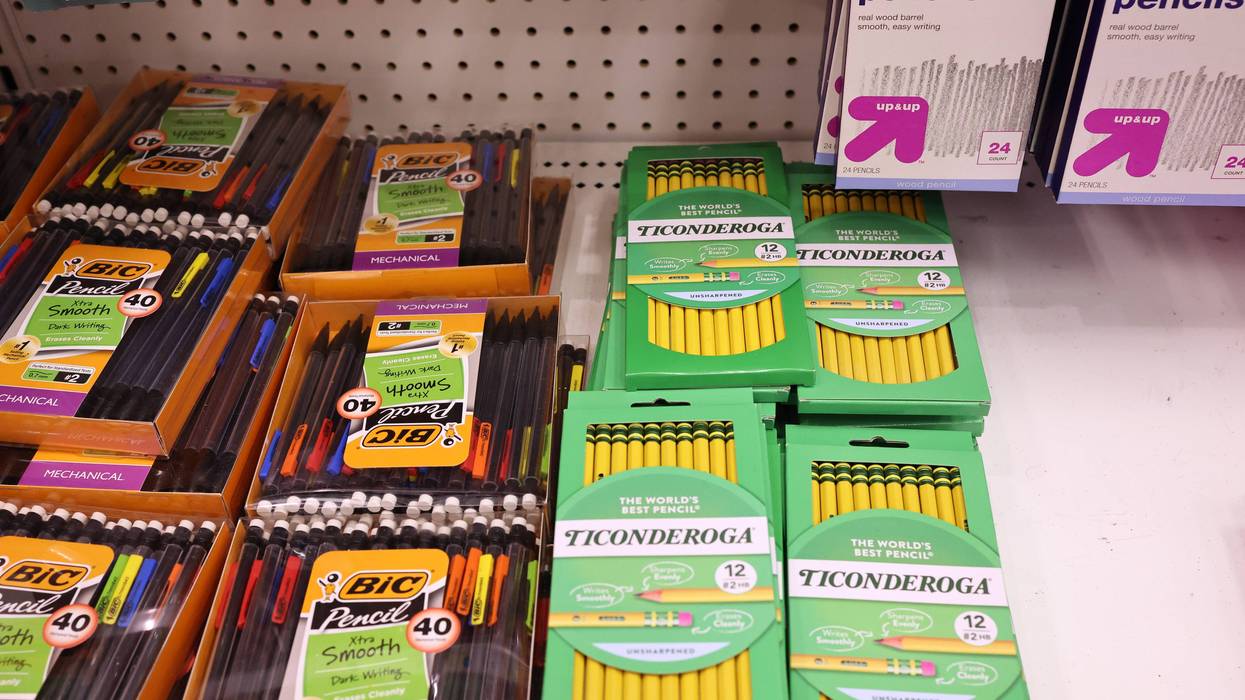
"If the president continues to treat our economy like a schoolyard game, our students and their families will pay the price."
Even as President Donald Trump continues dismissing Americans' concerns about affordability heading into the 2026 midterm elections, a study released on Monday reveals that US parents are about to pay a hefty premium to ensure their children are prepared for school this fall.
A joint analysis from Groundwork Collaborative and The Century Foundation finds that a typical basket of school supplies costs nearly 8% more than it did last year, with typical school lunch items costing 11% more.
Lunch boxes have posted the largest yearly price increase, as the analysis estimates they will cost nearly 27% more this year than in 2025. Other items whose prices have soared include one-subject notebooks (23% yearly increase), index cards (22%), and notebook paper (20%).
Trump's illegal war with Iran, which has caused fuel prices including diesel to surge higher, has played a large role in increasing prices, as have his tariffs on foreign imports, the report notes.
The increase in diesel has been particularly troublesome for the price of food, the analysis points out, as the fuel is used both by farmers to power their agricultural equipment and by delivery trucks that ship food to grocery stores.
When it comes to the tariffs, the report points to Newell Brands—the company that makes Sharpies, Paper Mate, Elmer's glue, and other school supply staples—which has been hit with a $174 million tax bill thanks to Trump's policies and has consistently raised prices over the last year.
The report also points to changes made to the Supplemental Nutrition Assistance Program (SNAP) made in Republicans' 2025 budget law that will make it harder for low-income kids to qualify for food assistance this school year.
Lindsay Owens, president of Groundwork Collaborative, said Trump's policies are forcing parents "to worry about whether they can afford to buy what their students need to be successful in the classroom."
"If the president continues to treat our economy like a schoolyard game, our students and their families will pay the price," said Owens. "When report cards come this year, Americans will give Trump an F.”
Janelle Jones, senior fellow at The Century Foundation, noted that school supplies aren't luxuries for families, but rather "the baseline for a kid to show up ready to learn."
"When notebooks and paper are up over 20%," Jones emphasized, "we’re not just squeezing family budgets, we’re setting students up to fall behind. We know where this leads: lower test scores, more kids repeating grades, and worse outcomes well into adulthood."

"Working Americans increasingly report that their paychecks can't keep up with Trump's high prices, but are not confident they’ll be able to find better opportunities," noted one Groundwork Collaborative expert.
As President Donald Trump's team on Thursday tried to paint the June jobs report as positive, economists and congressional Democrats called it "weak" and "disappointing," with some also ripping the Republican administration's harmful policies, from sweeping tariffs and the Iran War to the mass detention and deportation of immigrants.
The nation's economy added just 57,000 jobs in June, or roughly half of what economists had anticipated, according to the latest monthly report from the US Bureau of Labor Statistics. BLS noted that "both the unemployment rate, at 4.2%, and the number of unemployed people, at 7.1 million, changed little in June."
The Department of Labor (DOL) agency also revised job gains down for May by 43,000 and April by 31,000, and said that "over the year, average hourly earnings have increased by 3.5%." That's notably lower than the 4.2% annual inflation rate detailed by BLS a few weeks ago, as Americans struggle to afford groceries, housing, and other basic necessities during Trump's second term.
"Today's weak jobs numbers are grim warning signs of a struggling labor market," Alex Jacquez, a former Obama administration official who is now Groundwork Collaborative's chief of policy and advocacy, said in a statement.
"Job gains reflect temporary seasonal hires and other workers separated from the broader economy while the majority of the labor force is frozen," he explained. "Working Americans increasingly report that their paychecks can't keep up with Trump's high prices, but are not confident they'll be able to find better opportunities. They're instead focused on trying to keep up with the president's price hikes."
Angela Hanks, a former DOL senior official who's now chief of policy programs at The Century Foundation, similarly called the report "yet more evidence of a fragile economy under President Trump, with job growth coming in well below expectations and sizable downward revisions to the last two months."
"While the unemployment rate dipped slightly to 4.2%, this number only tells us how many people are working—it doesn't tell you whether people can afford to live," she stressed. "The reality behind today's jobs numbers is that the cost of living continues to outpace paychecks: 43% of Americans now say they're worse off financially than they were a year ago, and year-over-year wage growth came in at 3.5%, below overall inflation of 4.2%—meaning that real wages are falling."
"Looking beyond the topline numbers, more than half of all June job growth was concentrated in healthcare and social assistance, continuing a trend of these sectors propping up much of our economy," she pointed out. "The labor force participation rate declined sharply and widely, with nearly every demographic group seeing declines, which partially explains the drop in the unemployment rate. Moreover, certain racial and age disparities actually worsened: Black youth unemployment rate rose to a whopping 26.8%, as did Hispanic youth unemployment, coming in at 20.1%—a reminder that this economy is not delivering for workers who are struggling the most."
Hanks added that “while Trump will surely tout this moderate job growth as a win, not long ago numbers like today's would have prompted serious concern. But families aren't grading Trump on a curve: They feel the impacts of this administration's chaotic and costly economic policies every day. Until working people can actually afford their lives—groceries, housing, healthcare, childcare—claims of a 'strong economy' will continue to ring hollow."
In line with Hanks' prediction, Trump's messengers attempted to frame the figures positively, with his press secretary, Karoline Leavitt, celebrating the declining foreign-born labor force amid the administration's deadly crackdown on immigrants, and her deputy, Kush Desai, claiming the report "reinforces that the American labor market remains solid."
Acting Secretary of Labor Keith Sonderling—whom the president earlier this week nominated for the permanent post—said that "Trump's America first agenda continues to provide greater wages for workers and certainty to the sectors which will fuel the next 250 years of US economic security."
Meanwhile, with the midterm elections just four months away, the Democratic National Committee's rapid response director, Kendall Witmer, declared that "Donald Trump's failed economic agenda has driven working families into a corner as Americans worry about how to find a job and keep up with sky-high prices. The reality for working families is undeniable: Trump has wrecked the economy, leaving millions wondering how they will make ends meet with no relief in sight."
"But Trump doesn't give a shit—he's only focused on building his vanity projects and using the power of the presidency to get even richer," added Witmer, just two days after the president's annual financial disclosures revealed that he pocketed an unprecedented $2.2 billion—over half of it from his family’s cryptocurrency grift—during his first year back in the Oval Office.
Congressman Ted Lieu (D-Calif.) took to social media over "another disappointing jobs report" and also called out GOP priorities, from erecting a giant arch in Trump's honor to putting his name on various items, including passports and the $250 bill.
As Lieu concluded, "November is coming."
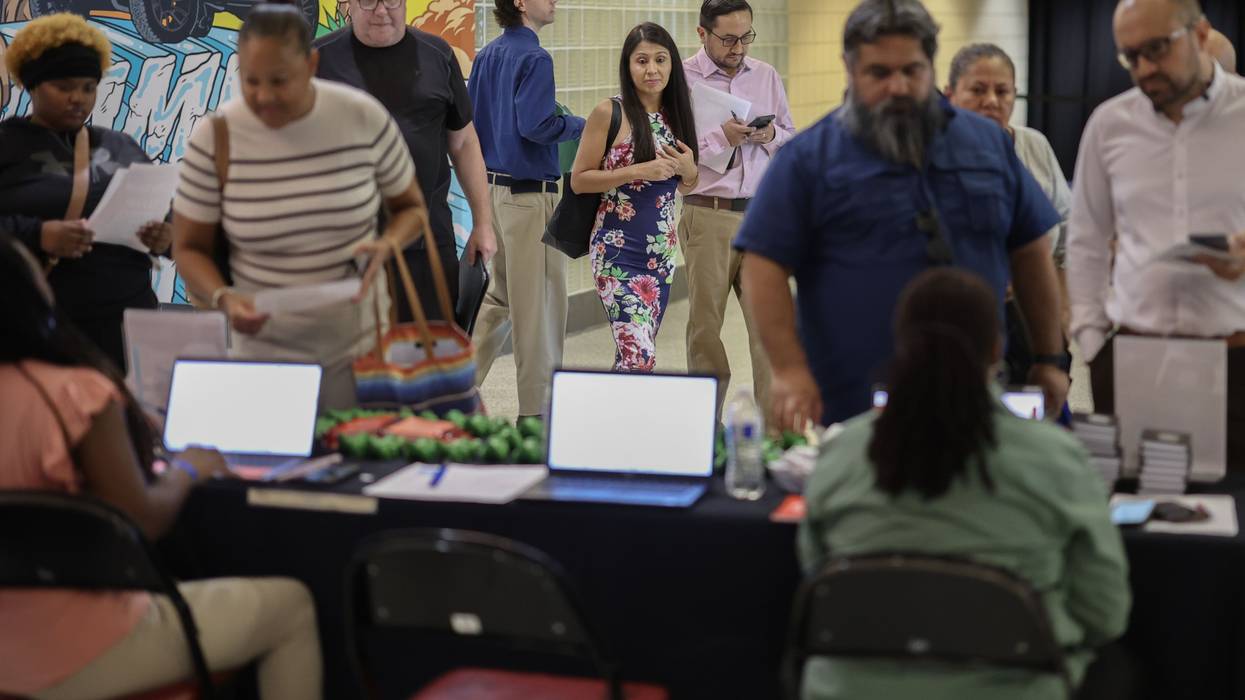
"Trump may give himself an A++++ on the economy, but these latest jobs numbers are failing working families."
Federal data belatedly released Tuesday shows that the US unemployment rate rose to the highest level in four years last month as President Donald Trump's administration continues its assault on the government's workforce and American corporations lay off workers at a level not seen in decades.
The unemployment rate rose to 4.6% in November, up from 4.4% in September, according to the Labor Department report, whose release was delayed due to the recent government shutdown.
US employers added 64,000 jobs last month following the loss of 105,000 jobs in October, fueled by the Trump administration's large-scale layoffs of federal workers. The manufacturing sector, which Trump has promised to bolster with his tariff regime, shed 5,000 jobs in November, according to the newly published federal data.
Over the past six months, the US has averaged just 17,000 jobs added per month—a number that underscored concerns about the frailty of Trump's economy.
"Today’s long-awaited jobs report confirms what we already suspected: Trump’s economy is stalling out and American workers are paying the price," said Alex Jacquez, chief of policy and advocacy at the Groundwork Collaborative. "Far from sparking a manufacturing renaissance, Trump’s reckless trade agenda is bleeding working-class jobs, forcing layoffs, and raising prices for businesses and consumers alike. Trump may give himself an A++++ on the economy, but these latest jobs numbers are failing working families.”
Another notable trend in today's payroll release is the gradual slowdown in nominal wage growth. As the unemployment rate rises, workers struggle to find jobs and have less leverage when it comes to demand higher wages. Both indicate a slowdown in affordability for workers and their families.
[image or embed]
— Elise Gould (@elisegould.bsky.social) Dec 16, 2025 at 10:17 AM
The new figures were released after Trump kicked off a tour of battleground states in an effort to defend his economic policies, which voters—including many of the president's own—increasingly blame for driving up prices. Trump and White House officials have insisted, despite mounting evidence to the contrary, that the US economy is stronger than it's ever been.
Julie Su, a senior fellow at the Century Foundation and former acting head of the Labor Department, said Tuesday that "for months, Donald Trump and his administration have been hiding data about the economy, leaving workers and employers in the dark when trying to make critical hiring decisions."
"But you can’t hide the reality every American knows," said Su. "An economy where costs are too high for people to afford the basic necessities and also can’t find jobs is an economic crisis that requires massive change so that working people can actually come out on top."
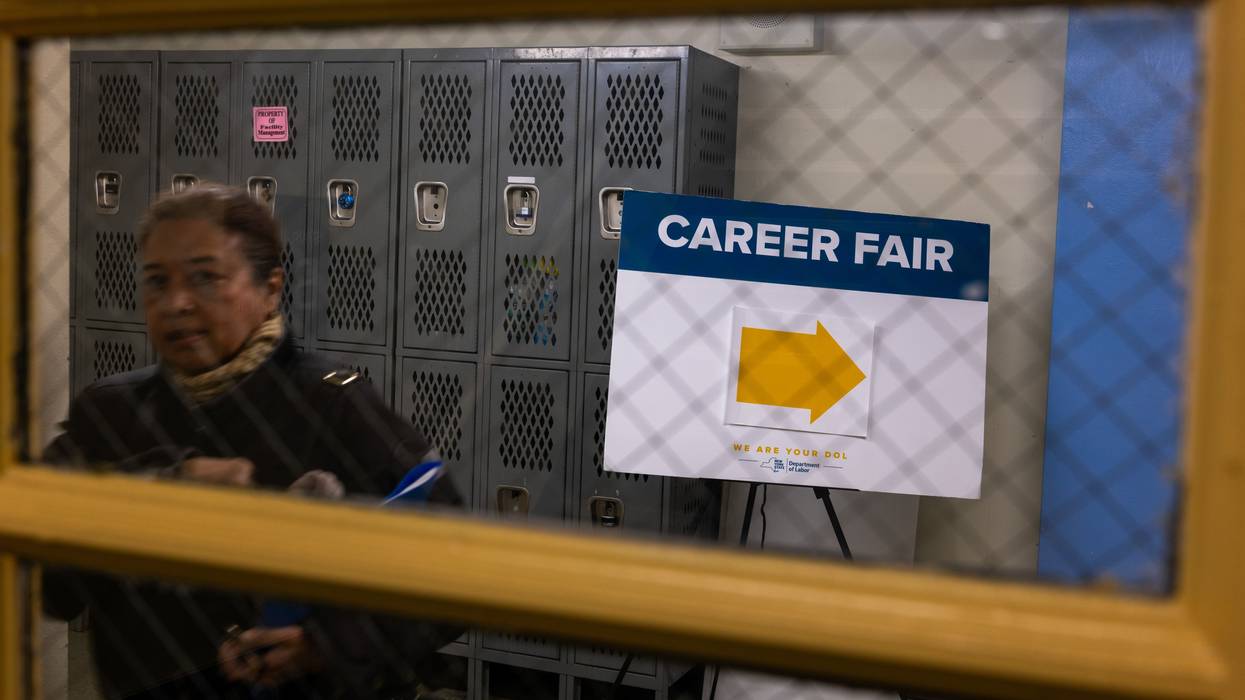
"While President Trump calls affordability a ‘hoax,’ countless families are being forced into impossible tradeoffs every day."
Federal data released Thursday shows that the number of Americans filing for unemployment benefits surged last week, another indication of growing instability in President Donald Trump's economy as corporations lay off workers en masse and prices continue to rise.
For the week ending December 6, new unemployment claims jumped to 236,000—an increase of 44,000 from the previous week, according to figures from the US Labor Department.
Andrew Stettner, an unemployment insurance expert at The Century Foundation (TCF) noted that new unemployment claims are now at their highest level since early September.
"These totals don’t include an additional 12,732 former federal workers who are also now relying on unemployment benefits, as the number of federal workers on UI has stayed at levels not seen since the pandemic, even after the government shutdown has ended," Stettner said.
"This disappointing news comes on the heels of other troubling labor market data," he continued, pointing to private-sector payroll figures showing the US economy lost 32,000 jobs in November. "With hiring still so weak, it is no surprise that the percentage of workers feeling confident enough to quit their job dropped to its lowest level since the beginning of the pandemic in April 2020. In fact, our polling shows that 27% of Americans said they took on a 'second job, side hustle, or gig work' in the past year to help make ends meet."
The updated unemployment numbers come as Trump is on an economic messaging tour during which he has dismissed the notion that his policies have worsened the country's affordability crisis, calling such claims a Democratic "hoax" even as polling shows Americans—including a significant percentage of his own voters—increasingly blame the president for rising costs groceries and other necessities.
"We inherited the highest prices ever, and we’re bringing them down,” Trump said, falsely, during a stop in Pennsylvania earlier this week.
"We’re crushing it, and you’re getting much higher wages,” the president added, another falsehood.
Survey data released Thursday by The Century Foundation shows that Americans are increasingly skipping meals and doctor visits as prices rise.
"Roughly three in 10 voters delayed or skipped medical care in the past year due to cost, while nearly two-thirds switched to cheaper groceries or bought less food altogether," the group noted in a summary of its findings. "About half tapped into their savings to cover everyday expenses."
Julie Margetta Morgan, president of The Century Foundation, said in a statement that "while President Trump calls affordability a ‘hoax,’ countless families are being forced into impossible tradeoffs every day as a result of Trump’s disastrous policies that are jacking up prices."
"Working-class Americans are living in a different, harsher economy under Trump," Morgan added, "and they feel the impacts of financialization—and the added risks and costs that come with it—most severely."
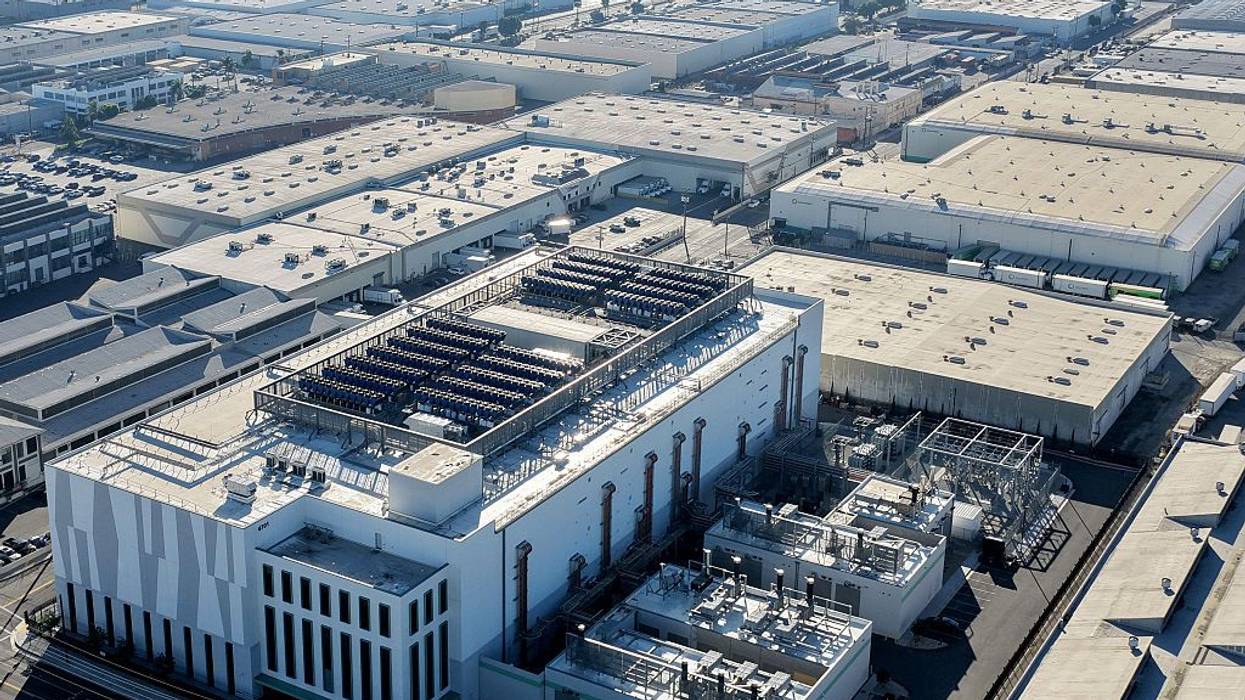
"It’s hard to see utility bills coming down in this decade," said one industry analyst.
Although the rising cost of groceries has gotten a lot of attention in recent weeks, US consumers are also increasingly under pressure from the rising cost of electricity.
A new report from researchers at The Century Foundation and financial abuse watchdog Protect Borrowers has found that the average overdue balance on utility bills has surged by 32% over the last three years, going from $597 in 2022 to $789 in 2025. What's more, the report estimates that roughly 1 out of every 20 US households has utility debt that is "so severe it was sent to collections or in arrears."
The increase in overdue utility bill debt has come at a time when electricity costs have been growing significantly faster than the overall rate of inflation, the organizations found.
"Comparing twelve-month moving averages from March 2022 to June 2025 (to adjust for seasonality), monthly energy costs... nationwide rose from $196 to $265—a 35% jump, or nearly three times overall inflation during that period," noted the report.
The organizations said that the reasons for these price increases are complicated, although factors include "poorly regulated monopolies overcharging customers to the tune of $5 billion a year," as well as the explosion in the construction of energy-devouring artificial intelligence data centers and the Trump administration's attacks on renewable energy projects that began under former President Joe Biden's administration.
AI data center construction has become a major controversy in communities across the US, and a CNBC analysis published late last week found that "in at least three states with high concentrations of data centers," electric bills have grown "much faster than the national average" over the last year.
Virginia, which has the highest concentration of AI data centers in the country, saw electricity prices surge by 13% over the last year, while data center-heavy states such as Illinois and Ohio saw electricity costs go up by 16% and 12%, respectively.
Rob Gramlich, president of power sector consulting firm Grid Strategies, told CNBC that the massive growth in data centers means that "it’s hard to see utility bills coming down in this decade."
The Century Foundation and Protect Borrowers conclude that their report paints "a grim picture" of "increasing energy prices, rising overdue balances, and squeezed household budgets that together are pushing families deeper and deeper into debt."

"From the grocery aisles to the doctor’s office, Trump’s economic circus keeps jacking up costs and squeezing household budgets."
President Donald Trump's economic policies have put a damper on this year's Halloween festivities, as his tariffs on imported chocolate in particular have helped jack up the price of candy.
CNBC reported on Friday that data from research firm Circana and the US Bureau of Labor Statistics show that chocolate prices in the US have jumped by 30% over the last year since Trump began slapping hefty tariffs on foreign goods, including staple products such as cocoa, coffee, and bananas that cannot be grown at sufficient scale in the US.
The increased cost of chocolate has now been passed on to consumers in the form of higher candy prices, according to a joint study released this week by The Century Foundation and Groundwork Collaborative.
According to the organizations' analysis, candy prices as a whole have gone up by just under 11% over the last year, which is more than triple the current overall rate of inflation.
Unsurprisingly, the analysis showed that these increases were particularly severe in candies that had significant chocolate inputs, as it found that "variety packs from Hershey’s (maker of KitKats, Twizzlers, Reeses, and Heath bars) are up 22%, while variety packs from Mars (maker of Milky Way, M&Ms, Three Musketeers, and Skittles) are up 12%."
The analysis also cited recent quotes from the CEOs of retail giants Target and Walmart indicating the president's tariffs were having a major impact on US consumers. Target CEO Brian Cornell, for instance, said on a recent earnings call that the tariffs had created a "challenging and highly uncertain" environment, while Walmart CEO Doug McMillon said that "costs increase each week" thanks to Trump's trade wars.
Sen. Elizabeth Warren (D-Mass.) used the organizations' study to rip the president for raising the price of Halloween candy in a video posted on social media.
"Do you remember when Donald Trump told American families to cut back on buying kids' dolls?" she asked, in reference to Trump earlier this year suggesting parents buy fewer toys for their children after his tariffs on imports raised their costs. "Well now he's making candy more expensive too, just in time for Halloween."
Donald Trump's jacked up candy prices — just in time for Halloween. pic.twitter.com/f3glomQbUK
— Elizabeth Warren (@SenWarren) October 31, 2025
The American Federation of Teachers, whose members have likely experienced the increased cost candy first hand, also took a shot at Trump's economic policies while posting a graph illustrating The Century Foundation and Groundwork Collaborative's study.
"The only thing scarier than Halloween costumes? The rising price of candy from Trump's tariffs," the union wrote on X.
Alex Jacquez, chief of policy and advocacy at Groundwork Collaborative, said that the increase in Halloween candy prices was just one source of pressure facing US families as a result of Trump's economic policies.
In particular, Jacquez pointed to the cuts to the Supplemental Nutritional Assistance Program (SNAP) and Medicaid in the Republican Party's One Big Beautiful Bill Act, as well as the GOP's inaction on extending tax credits for buying health insurance, as major pain points.
"While inflation eats through paychecks and House Republicans hide in plain sight, working families are slammed by soaring healthcare premiums, frozen food assistance, and rising bills," he said. "From the grocery aisles to the doctor’s office, Trump’s economic circus keeps jacking up costs and squeezing household budgets."

"Trump's back-to-school message to America's families is crystal clear: Don't expect help, just expect less," said one expert.
Families of students across the United States are facing significantly higher prices for basic supplies as the new school year begins, a cost burden that a new analysis blames on President Donald Trump's sweeping tariffs and the massive Republican budget package he signed into law last month.
The analysis, conducted by The Century Foundation (TCF) and Groundwork Collaborative, estimates that prices for supplies such as index cards have surged by more than 40% this year.
Lunch staples have also gotten more expensive, with U.S. families set to pay roughly $163 more on average for juice boxes, strawberries, and other such items this year, according to the new analysis, which characterized the higher costs as a "back-to-school tax" imposed by the president.
"President Trump's policies are forcing families to foot higher bills for back-to-school essentials from binders and lunch-box staples to clothes, shoes, and even laptops," said TCF senior fellow Rachel West. "From his reckless tariffs to his budget law slashing food assistance and federal student loans, Trump's back-to-school message to America's families is crystal clear: Don't expect help, just expect less."
The analysis was released just as new economic data further underscored the impact of Trump's tariffs on prices across the economy, with wholesale prices registering their largest monthly gain since June 2022.
TCF and Groundwork's findings align with a recent survey by the research firm Deloitte, which found that nearly half of U.S. parents and caregivers believe lunch costs on school days will be higher this year than in 2024.
Liz Pancotti, Groundwork's managing director of policy and advocacy, said Thursday that "President Trump's tax and tariff policies have turned the back-to-school season into a budgeting nightmare for hardworking American families."
"From lunch boxes and notebooks to juice boxes and pencils, parents are being squeezed at every turn—paying more for the school supplies and meals their kids need to succeed," said Pancotti. "No family should have to struggle to afford the basics while the wealthy and well-connected cash in on massive tax breaks they do not need."
"Trump's tax and tariff policies have turned the back-to-school season into a budgeting nightmare for hardworking American families."
The budget law that Trump signed last month is set to deliver trillions of dollars in tax breaks largely to the wealthiest Americans and biggest corporations while making unprecedented cuts to the Supplemental Nutrition Assistance Program (SNAP) and Medicaid.
Those programs are used in states across the country to determine eligibility for free or reduced-cost school meals, and cuts inflicted by the Trump-GOP law are expected to leave more than 18 million children across the U.S. without access to free school meals in the coming years.
"President Trump's policies—including his erratic, punitive tariffs—are squeezing families' budgets as they prepare to return to school," TCF and Groundwork said Thursday. "Not only has Trump failed to keep his promises to tackle high prices, but his massive budget law will soon drive costs even higher for back-to-school essentials as its cuts to programs that children, families, and college students depend on take hold."

"In contrast with the president's assertion of bustling job creation," said The Century Foundation's Andrew Stettner, "Americans can't get off of unemployment benefits in an economy that has stopped adding jobs outside of healthcare."
The flow of abysmal U.S. economic data continued Thursday with the release of figures showing that the number of Americans collecting unemployment benefits has reached its highest level in nearly four years, heightening concerns that the Trump administration is pushing the country toward a period of "stagflation."
"Today's unemployment report, coupled with last week's jobs data, suggests that we're fast stumbling into stagflation, with fledgling jobs growth and rising prices," Andrew Stettner, unemployment insurance expert at The Century Foundation, said in a statement following the new Labor Department numbers.
The department said that 1.97 million Americans were receiving unemployment benefits during the week ending July 26, an increase of 38,000 compared to the previous week.
"In contrast with the president's assertion of bustling job creation," said Stettner, "Americans can't get off of unemployment benefits in an economy that has stopped adding jobs outside of healthcare."
The government figures were released a day after private data showed that employment in the U.S. services sector fell last month as prices rose. Meanwhile, U.S. manufacturing activity contracted in July at the fastest pace in nine months, even as President Donald Trump claimed his erratic tariff regime would revive the sector.
"Private data confirms the government numbers, and firing the head of BLS can't change that," said Rep. Gwen Moore (D-Wis.), referring to Trump's decision to terminate Bureau of Labor Statistics Commissioner Erika McEntarfer in the wake of last week's terrible U.S. jobs report—calling into question the reliability of future federal data.
" Republicans are killing jobs and feeding inflation," Moore added. "Trump is making stagflation great again."
"Trump's economy of uncertainty is leading to widespread anxiety, with more than 3 in 4 Americans saying they are concerned about a possible recession."
The recent data—combined with surveys showing American consumers are increasingly struggling with the rising prices of groceries and other necessities—appears to vindicate warnings from economists and other analysts that the U.S. economy is in growing trouble under Trump's erratic stewardship.
"The risk of stagflation has risen meaningfully," Olu Sonola, an economist at Fitch Ratings, wrote in a client note. "Inflation is drifting further from target, private sector economic growth has slowed materially, and the labor market has just sounded a warning bell."
Rachel West and Laura Valle Gutierrez of The Century Foundation wrote earlier this week that "Trump's economy of uncertainty is leading to widespread anxiety, with more than 3 in 4 Americans saying they are concerned about a possible recession."
"And Trump's budget law, which slashes healthcare and food assistance for everyday Americans to pay for more than $4 trillion in tax cuts for the wealthy and corporations, compounds Americans' uncertainty and fear about what the future brings," they added.