SUBSCRIBE TO OUR FREE NEWSLETTER
Daily news & progressive opinion—funded by the people, not the corporations—delivered straight to your inbox.
5
#000000
#FFFFFF
To donate by check, phone, or other method, see our More Ways to Give page.
Daily news & progressive opinion—funded by the people, not the corporations—delivered straight to your inbox.
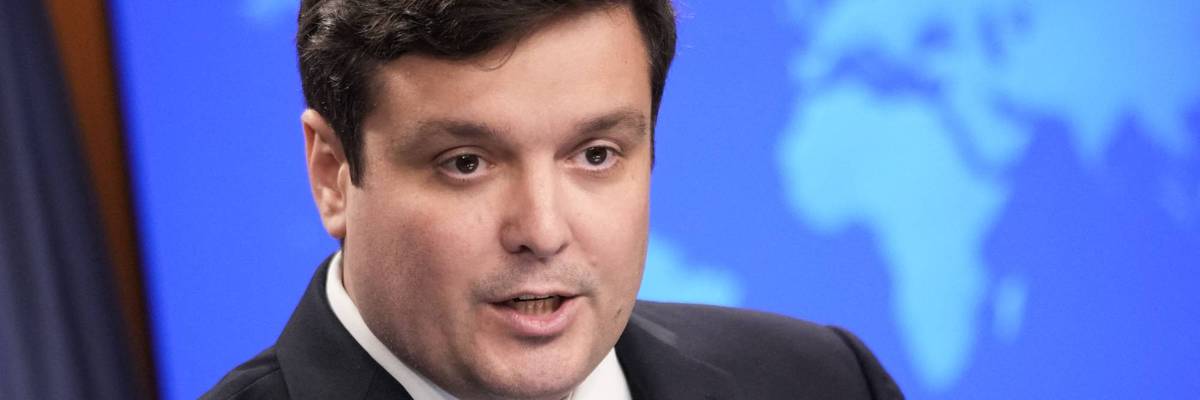
US Deputy State Department spokesperson Tommy Pigott speaks during a press briefing at the State Department in Washington, DC on July 31, 2025.
As the Inter-American Commission on Human Rights was advised not to investigate the bombings, Pentagon officials expressed support for strikes on land, ostensibly against drug traffickers.
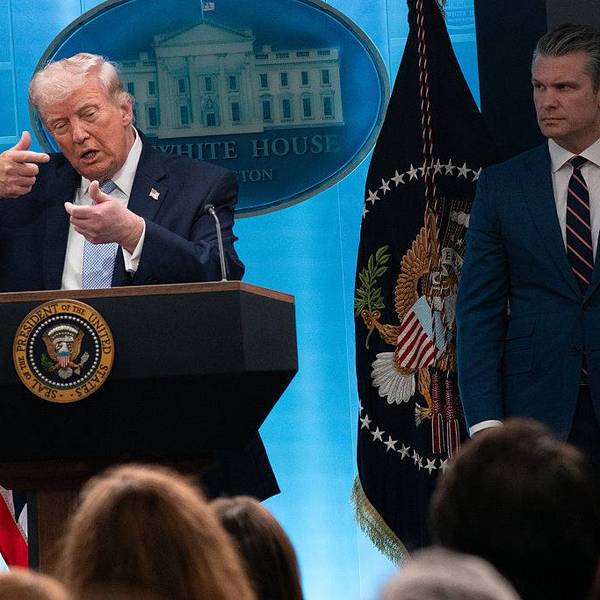
The former president of a top international human rights watchdog views the United States' monthslong campaign of bombing boats in the Caribbean Sea and eastern Pacific Ocean as a clear-cut case of "murder," he told The Intercept Monday, but he warned that pressure from the Trump administration may stop the body from investigating the Pentagon's actions.
Juan Méndez, a former president of the Inter-American Commission on Human Rights, noted that a month after the IACHR held a hearing on the boat bombing campaign, officials "may well feel that this is a very delicate situation, and if they take the initiative, they’re going to incur the wrath of the United States."
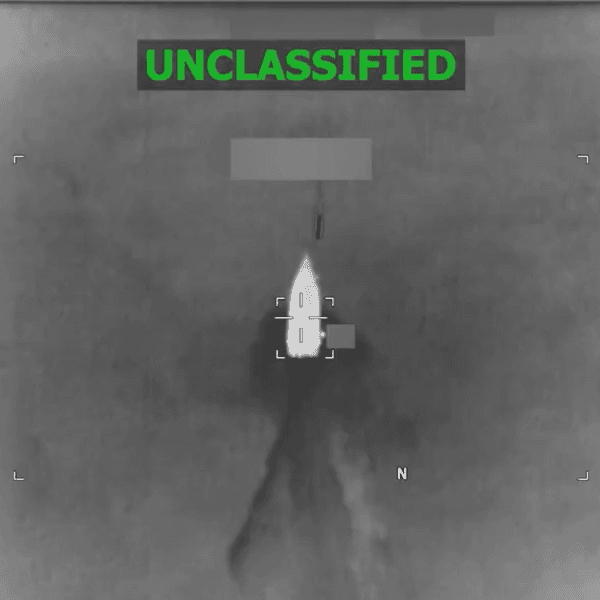
The hearing last month was the first of its kind and included testimonies from the ACLU, the Center for Constitutional Rights, International Crisis Group, and Ben Saul, the United Nations special rapporteur on counterterrorism and human rights. The groups presented evidence that the US has been violating both domestic and international law by bombing vessels that it has claimed—without making any evidence publicly available—are involved in drug trafficking. Nearly 170 people have been killed in dozens of strikes, and legal experts worldwide have asserted the US is violating international law and has committed extrajudicial killings—potentially making those involved in the strikes liable for murder.
The hearing was followed by a statement from Tommy Pigott, a State Department spokesperson, who said the IACHR had "strayed far outside its mandate” by looking into the boat attacks—as the family of one man killed in a bombing requested it to—and accused the ACLU of trying to manipulate the body.
"The United States calls on the commission to adhere to its statute and rules of procedure in the future and avoid inserting itself into matters that are in active domestic litigation and fall outside the human rights sphere," said Pigott. "Convening hearings under these circumstances risks undermining—not strengthening—the credibility of the inter-American human rights system."
Pigott also called on the commission to "redirect its focus toward the individual petitions languishing on its docket, sometimes for decades." He did not mention specific petitions or issues the IACHR should focus on.
Carl Anderson, a legal adviser at the State Department, also rebuked the commission for holding the proceedings.
"If the United States cuts the funding, they probably would have to shut down—at least for a while.”
A person with close ties to the IACHR told The Intercept that Pigott's demand that the commission focus on other topics pointed to a pressure campaign aimed at stoking fear that the IACHR could lose its funding.
President Donald Trump's zeroed out US contributions to the commission during his first term in 2018, and withdrew some funding the following year due to its support for abortion rights. The administration terminated funding last year for at least 22 programs under the IACHR's parent body, the Organization of American States, of which the US is the largest international funder.
“They are stretched for funding," Méndez told The Intercept. "And if the United States cuts the funding, they probably would have to shut down—at least for a while.”
Stuardo Ralón, the IACHR's current president, denied that there is "pressure from the United States on the Inter-American Commission on Human Rights," but suggested it may not conduct a comprehensive investigation into the Trump administration's boat bombings—saying the body "does not conduct investigations."
The Intercept noted that the IACHR has conducted numerous investigations that it has publicly acknowledged and described as such, including into US immigration detention centers and the kidnapping and apparent killing of 43 students in Mexico in 2014.
Ralón told the outlet that it has not yet taken any steps to launch an investigation into the strikes following the hearing, and said it "will continue to monitor the situation in accordance with its mandate."
Jamil Dakwar, director of the ACLU’s human rights program, emphasized that "the commission is within its competency and its bounds to fully investigate the egregious violations of international law happening in its own backyard.”
“We have asked the commission to fulfill its responsibilities as the premier regional human rights body to conduct a fact-finding investigation of these heinous killings," Dakwar told The Intercept, "and to ensure that no country can act in this fashion because that will have severe implications on human rights in the region and beyond."
As the State Department has pushed the IACHR away from probing the legality of the boat bombings, administration officials like Joseph Humire, acting assistant secretary of war for homeland defense and Americas security affairs, have warned that the attacks at sea are "just the beginning" of what officials claim is an effort to defeat drug cartels—against which Congress has not authorized any military action.
US Southern Command announced a joint ground operation with Ecuador last month to defeat "narco-terrorists."
Humire said the Pentagon supports "joint land strikes," while Gen. Francis Donovan, the head of US Southern Command who has been directing the boat attacks, told the Senate Armed Service Committee that the Pentagon is moving toward "a counter-cartel campaign process that puts total systemic friction across this network."
"I believe," he said, "these kinetic [boat] strikes are just one small part of that.”
Dear Common Dreams reader, It’s been nearly 30 years since I co-founded Common Dreams with my late wife, Lina Newhouser. We had the radical notion that journalism should serve the public good, not corporate profits. It was clear to us from the outset what it would take to build such a project. No paid advertisements. No corporate sponsors. No millionaire publisher telling us what to think or do. Many people said we wouldn't last a year, but we proved those doubters wrong. Together with a tremendous team of journalists and dedicated staff, we built an independent media outlet free from the constraints of profits and corporate control. Our mission has always been simple: To inform. To inspire. To ignite change for the common good. Building Common Dreams was not easy. Our survival was never guaranteed. When you take on the most powerful forces—Wall Street greed, fossil fuel industry destruction, Big Tech lobbyists, and uber-rich oligarchs who have spent billions upon billions rigging the economy and democracy in their favor—the only bulwark you have is supporters who believe in your work. But here’s the urgent message from me today. It's never been this bad out there. And it's never been this hard to keep us going. At the very moment Common Dreams is most needed, the threats we face are intensifying. We need your support now more than ever. We don't accept corporate advertising and never will. We don't have a paywall because we don't think people should be blocked from critical news based on their ability to pay. Everything we do is funded by the donations of readers like you. When everyone does the little they can afford, we are strong. But if that support retreats or dries up, so do we. Will you donate now to make sure Common Dreams not only survives but thrives? —Craig Brown, Co-founder |
The former president of a top international human rights watchdog views the United States' monthslong campaign of bombing boats in the Caribbean Sea and eastern Pacific Ocean as a clear-cut case of "murder," he told The Intercept Monday, but he warned that pressure from the Trump administration may stop the body from investigating the Pentagon's actions.
Juan Méndez, a former president of the Inter-American Commission on Human Rights, noted that a month after the IACHR held a hearing on the boat bombing campaign, officials "may well feel that this is a very delicate situation, and if they take the initiative, they’re going to incur the wrath of the United States."
The hearing last month was the first of its kind and included testimonies from the ACLU, the Center for Constitutional Rights, International Crisis Group, and Ben Saul, the United Nations special rapporteur on counterterrorism and human rights. The groups presented evidence that the US has been violating both domestic and international law by bombing vessels that it has claimed—without making any evidence publicly available—are involved in drug trafficking. Nearly 170 people have been killed in dozens of strikes, and legal experts worldwide have asserted the US is violating international law and has committed extrajudicial killings—potentially making those involved in the strikes liable for murder.
The hearing was followed by a statement from Tommy Pigott, a State Department spokesperson, who said the IACHR had "strayed far outside its mandate” by looking into the boat attacks—as the family of one man killed in a bombing requested it to—and accused the ACLU of trying to manipulate the body.
"The United States calls on the commission to adhere to its statute and rules of procedure in the future and avoid inserting itself into matters that are in active domestic litigation and fall outside the human rights sphere," said Pigott. "Convening hearings under these circumstances risks undermining—not strengthening—the credibility of the inter-American human rights system."
Pigott also called on the commission to "redirect its focus toward the individual petitions languishing on its docket, sometimes for decades." He did not mention specific petitions or issues the IACHR should focus on.
Carl Anderson, a legal adviser at the State Department, also rebuked the commission for holding the proceedings.
"If the United States cuts the funding, they probably would have to shut down—at least for a while.”
A person with close ties to the IACHR told The Intercept that Pigott's demand that the commission focus on other topics pointed to a pressure campaign aimed at stoking fear that the IACHR could lose its funding.
President Donald Trump's zeroed out US contributions to the commission during his first term in 2018, and withdrew some funding the following year due to its support for abortion rights. The administration terminated funding last year for at least 22 programs under the IACHR's parent body, the Organization of American States, of which the US is the largest international funder.
“They are stretched for funding," Méndez told The Intercept. "And if the United States cuts the funding, they probably would have to shut down—at least for a while.”
Stuardo Ralón, the IACHR's current president, denied that there is "pressure from the United States on the Inter-American Commission on Human Rights," but suggested it may not conduct a comprehensive investigation into the Trump administration's boat bombings—saying the body "does not conduct investigations."
The Intercept noted that the IACHR has conducted numerous investigations that it has publicly acknowledged and described as such, including into US immigration detention centers and the kidnapping and apparent killing of 43 students in Mexico in 2014.
Ralón told the outlet that it has not yet taken any steps to launch an investigation into the strikes following the hearing, and said it "will continue to monitor the situation in accordance with its mandate."
Jamil Dakwar, director of the ACLU’s human rights program, emphasized that "the commission is within its competency and its bounds to fully investigate the egregious violations of international law happening in its own backyard.”
“We have asked the commission to fulfill its responsibilities as the premier regional human rights body to conduct a fact-finding investigation of these heinous killings," Dakwar told The Intercept, "and to ensure that no country can act in this fashion because that will have severe implications on human rights in the region and beyond."
As the State Department has pushed the IACHR away from probing the legality of the boat bombings, administration officials like Joseph Humire, acting assistant secretary of war for homeland defense and Americas security affairs, have warned that the attacks at sea are "just the beginning" of what officials claim is an effort to defeat drug cartels—against which Congress has not authorized any military action.
US Southern Command announced a joint ground operation with Ecuador last month to defeat "narco-terrorists."
Humire said the Pentagon supports "joint land strikes," while Gen. Francis Donovan, the head of US Southern Command who has been directing the boat attacks, told the Senate Armed Service Committee that the Pentagon is moving toward "a counter-cartel campaign process that puts total systemic friction across this network."
"I believe," he said, "these kinetic [boat] strikes are just one small part of that.”
The former president of a top international human rights watchdog views the United States' monthslong campaign of bombing boats in the Caribbean Sea and eastern Pacific Ocean as a clear-cut case of "murder," he told The Intercept Monday, but he warned that pressure from the Trump administration may stop the body from investigating the Pentagon's actions.
Juan Méndez, a former president of the Inter-American Commission on Human Rights, noted that a month after the IACHR held a hearing on the boat bombing campaign, officials "may well feel that this is a very delicate situation, and if they take the initiative, they’re going to incur the wrath of the United States."
The hearing last month was the first of its kind and included testimonies from the ACLU, the Center for Constitutional Rights, International Crisis Group, and Ben Saul, the United Nations special rapporteur on counterterrorism and human rights. The groups presented evidence that the US has been violating both domestic and international law by bombing vessels that it has claimed—without making any evidence publicly available—are involved in drug trafficking. Nearly 170 people have been killed in dozens of strikes, and legal experts worldwide have asserted the US is violating international law and has committed extrajudicial killings—potentially making those involved in the strikes liable for murder.
The hearing was followed by a statement from Tommy Pigott, a State Department spokesperson, who said the IACHR had "strayed far outside its mandate” by looking into the boat attacks—as the family of one man killed in a bombing requested it to—and accused the ACLU of trying to manipulate the body.
"The United States calls on the commission to adhere to its statute and rules of procedure in the future and avoid inserting itself into matters that are in active domestic litigation and fall outside the human rights sphere," said Pigott. "Convening hearings under these circumstances risks undermining—not strengthening—the credibility of the inter-American human rights system."
Pigott also called on the commission to "redirect its focus toward the individual petitions languishing on its docket, sometimes for decades." He did not mention specific petitions or issues the IACHR should focus on.
Carl Anderson, a legal adviser at the State Department, also rebuked the commission for holding the proceedings.
"If the United States cuts the funding, they probably would have to shut down—at least for a while.”
A person with close ties to the IACHR told The Intercept that Pigott's demand that the commission focus on other topics pointed to a pressure campaign aimed at stoking fear that the IACHR could lose its funding.
President Donald Trump's zeroed out US contributions to the commission during his first term in 2018, and withdrew some funding the following year due to its support for abortion rights. The administration terminated funding last year for at least 22 programs under the IACHR's parent body, the Organization of American States, of which the US is the largest international funder.
“They are stretched for funding," Méndez told The Intercept. "And if the United States cuts the funding, they probably would have to shut down—at least for a while.”
Stuardo Ralón, the IACHR's current president, denied that there is "pressure from the United States on the Inter-American Commission on Human Rights," but suggested it may not conduct a comprehensive investigation into the Trump administration's boat bombings—saying the body "does not conduct investigations."
The Intercept noted that the IACHR has conducted numerous investigations that it has publicly acknowledged and described as such, including into US immigration detention centers and the kidnapping and apparent killing of 43 students in Mexico in 2014.
Ralón told the outlet that it has not yet taken any steps to launch an investigation into the strikes following the hearing, and said it "will continue to monitor the situation in accordance with its mandate."
Jamil Dakwar, director of the ACLU’s human rights program, emphasized that "the commission is within its competency and its bounds to fully investigate the egregious violations of international law happening in its own backyard.”
“We have asked the commission to fulfill its responsibilities as the premier regional human rights body to conduct a fact-finding investigation of these heinous killings," Dakwar told The Intercept, "and to ensure that no country can act in this fashion because that will have severe implications on human rights in the region and beyond."
As the State Department has pushed the IACHR away from probing the legality of the boat bombings, administration officials like Joseph Humire, acting assistant secretary of war for homeland defense and Americas security affairs, have warned that the attacks at sea are "just the beginning" of what officials claim is an effort to defeat drug cartels—against which Congress has not authorized any military action.
US Southern Command announced a joint ground operation with Ecuador last month to defeat "narco-terrorists."
Humire said the Pentagon supports "joint land strikes," while Gen. Francis Donovan, the head of US Southern Command who has been directing the boat attacks, told the Senate Armed Service Committee that the Pentagon is moving toward "a counter-cartel campaign process that puts total systemic friction across this network."
"I believe," he said, "these kinetic [boat] strikes are just one small part of that.”