SUBSCRIBE TO OUR FREE NEWSLETTER
Daily news & progressive opinion—funded by the people, not the corporations—delivered straight to your inbox.
5
#000000
#FFFFFF
To donate by check, phone, or other method, see our More Ways to Give page.
Daily news & progressive opinion—funded by the people, not the corporations—delivered straight to your inbox.
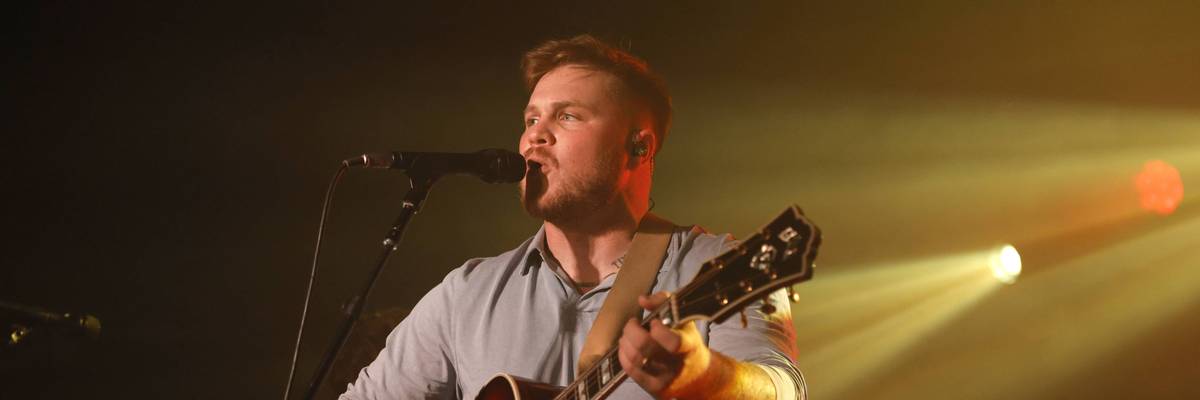
Zach Bryan performs at The Basement East on September 10, 2026 in Nashville, Tennessee.
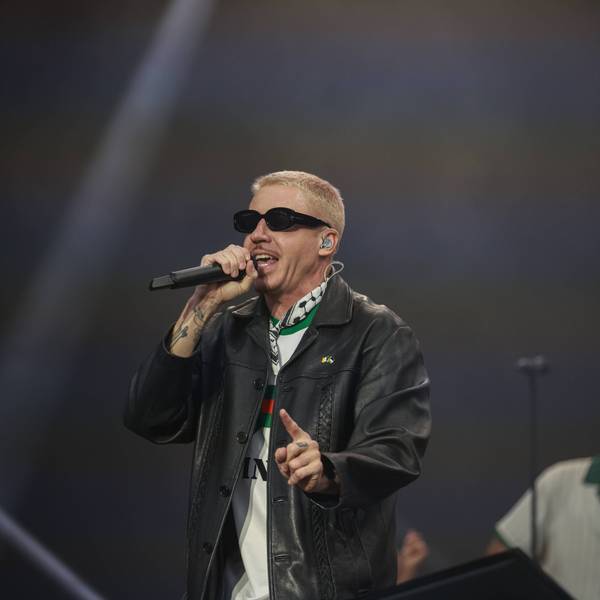
Weeks earlier, Kraft pushed for NFL stadiums to ban Macklemore over his pro-Palestine comments.
Country music star Zach Bryan wore a "Free Palestine" T-shirt during a performance at Gillette Stadium on Friday night in what was widely interpreted as a gesture of defiance against the venue's pro-Israel owner Robert Kraft.
Weeks earlier, the New England Patriots owner drew international backlash when he banned the rapper Macklemore from his venue over his pro-Palestine comments onstage and rallied other NFL owners to do the same, a campaign that led to Macklemore's ouster from Ed Sheeran's US tour.
Sheeran—one of the world's most recognizable pop stars—was branded a spineless coward by many critics and faced a mutiny from his fellow touring acts after caving to the billionaire Kraft's heavy-handed censorship tactics. Sheeran's vague statement denying that he was "complicit" with Israel's genocidal assault on Gaza—which has killed more than 74,000 people, including over 21,000 children over nearly three years, according to official numbers—did little to quiet them.
In sharp contrast, Bryan and his band made their position clear as they performed before a sold-out crowd in Foxborough, Massachusetts on Friday.
Drummer Nate Head wore a cream-colored "Palestine" baseball jersey bearing the name Hind Rajab and the number 5 on the back—a reference to the 5-year-old Palestinian girl killed by Israeli forces in 2024. Macklemore had similarly referenced Rajab in the song that led to his ban.
Guitarist Noah Le Gros wore a green "Palestine" jersey onstage. After the show, he posted a photo of himself wearing the jersey in front of a Kraft Sports & Entertainment sign, making the message unmistakable.
The company behind the jerseys, Wear the Peace—which donates all profits to organizations providing food, water, medical care, and other aid in Gaza—praised Bryan and his band for having "stood for Palestine tonight on a stage that tried to ban the simple mention of it."
Bryan, who served eight years in the US Navy, has a history of taking political stances that run counter to the conservatism long associated with mainstream country music. He has defended transgender people against public attacks and last year wrote lyrics criticizing US Immigration and Customs Enforcement's aggressive deportation tactics.
But the “I Remember Everything” singer does not map cleanly onto either side of the political spectrum. In the past, he has described himself as a "total libertarian" and more recently stressed political unity: "Left wing or right wing we’re all one bird and American," he said in an interview last year.
The shirt he wore on Friday night also raised questions: Beneath the phrase "Free Palestine," the shirt featured a pine tree emblem and the phrase "An Appeal to Heaven"—iconography associated with George Washington's army in the Revolutionary War and later adopted by some far-right Christian nationalists.
Bryan has not yet publicly commented on what he intended to convey with his shirt on Friday night. Nor has Kraft—who previously referred to pro-Palestine comments on his stage as "hate speech"—publicly responded to Bryan's display.
The band is scheduled to perform another show at Gillette Stadium on Saturday night, and it remains to be seen whether they will face any pressure to back down.
In the meantime, Bryan has drawn praise from commentators who contrasted his display with Sheeran's response to Kraft.
Idrees Ahmad, the associate editor of New Lines Magazine, called it "a real Spartacus moment in music."
"All true artists resist conformity and control," he said. "Trying to tell the most recalcitrant people what they can or can't say was always going to backfire. This trend will only grow the more there is an attempt to censor."
Shaiel Ben-Ephraim, an Israeli-born foreign policy analyst who has become an outspoken critic of Israel's wars, celebrated it as yet another sign of how dramatically public opinion had shifted against the country over the past few years.
“We got the country singers. We won the culture wars," he said. "Break out the moonshine."
Dear Common Dreams reader, It’s been nearly 30 years since I co-founded Common Dreams with my late wife, Lina Newhouser. We had the radical notion that journalism should serve the public good, not corporate profits. It was clear to us from the outset what it would take to build such a project. No paid advertisements. No corporate sponsors. No millionaire publisher telling us what to think or do. Many people said we wouldn't last a year, but we proved those doubters wrong. Together with a tremendous team of journalists and dedicated staff, we built an independent media outlet free from the constraints of profits and corporate control. Our mission has always been simple: To inform. To inspire. To ignite change for the common good. Building Common Dreams was not easy. Our survival was never guaranteed. When you take on the most powerful forces—Wall Street greed, fossil fuel industry destruction, Big Tech lobbyists, and uber-rich oligarchs who have spent billions upon billions rigging the economy and democracy in their favor—the only bulwark you have is supporters who believe in your work. But here’s the urgent message from me today. It's never been this bad out there. And it's never been this hard to keep us going. At the very moment Common Dreams is most needed, the threats we face are intensifying. We need your support now more than ever. We don't accept corporate advertising and never will. We don't have a paywall because we don't think people should be blocked from critical news based on their ability to pay. Everything we do is funded by the donations of readers like you. When everyone does the little they can afford, we are strong. But if that support retreats or dries up, so do we. Will you donate now to make sure Common Dreams not only survives but thrives? —Craig Brown, Co-founder |
Country music star Zach Bryan wore a "Free Palestine" T-shirt during a performance at Gillette Stadium on Friday night in what was widely interpreted as a gesture of defiance against the venue's pro-Israel owner Robert Kraft.
Weeks earlier, the New England Patriots owner drew international backlash when he banned the rapper Macklemore from his venue over his pro-Palestine comments onstage and rallied other NFL owners to do the same, a campaign that led to Macklemore's ouster from Ed Sheeran's US tour.
Sheeran—one of the world's most recognizable pop stars—was branded a spineless coward by many critics and faced a mutiny from his fellow touring acts after caving to the billionaire Kraft's heavy-handed censorship tactics. Sheeran's vague statement denying that he was "complicit" with Israel's genocidal assault on Gaza—which has killed more than 74,000 people, including over 21,000 children over nearly three years, according to official numbers—did little to quiet them.
In sharp contrast, Bryan and his band made their position clear as they performed before a sold-out crowd in Foxborough, Massachusetts on Friday.
Drummer Nate Head wore a cream-colored "Palestine" baseball jersey bearing the name Hind Rajab and the number 5 on the back—a reference to the 5-year-old Palestinian girl killed by Israeli forces in 2024. Macklemore had similarly referenced Rajab in the song that led to his ban.
Guitarist Noah Le Gros wore a green "Palestine" jersey onstage. After the show, he posted a photo of himself wearing the jersey in front of a Kraft Sports & Entertainment sign, making the message unmistakable.
The company behind the jerseys, Wear the Peace—which donates all profits to organizations providing food, water, medical care, and other aid in Gaza—praised Bryan and his band for having "stood for Palestine tonight on a stage that tried to ban the simple mention of it."
Bryan, who served eight years in the US Navy, has a history of taking political stances that run counter to the conservatism long associated with mainstream country music. He has defended transgender people against public attacks and last year wrote lyrics criticizing US Immigration and Customs Enforcement's aggressive deportation tactics.
But the “I Remember Everything” singer does not map cleanly onto either side of the political spectrum. In the past, he has described himself as a "total libertarian" and more recently stressed political unity: "Left wing or right wing we’re all one bird and American," he said in an interview last year.
The shirt he wore on Friday night also raised questions: Beneath the phrase "Free Palestine," the shirt featured a pine tree emblem and the phrase "An Appeal to Heaven"—iconography associated with George Washington's army in the Revolutionary War and later adopted by some far-right Christian nationalists.
Bryan has not yet publicly commented on what he intended to convey with his shirt on Friday night. Nor has Kraft—who previously referred to pro-Palestine comments on his stage as "hate speech"—publicly responded to Bryan's display.
The band is scheduled to perform another show at Gillette Stadium on Saturday night, and it remains to be seen whether they will face any pressure to back down.
In the meantime, Bryan has drawn praise from commentators who contrasted his display with Sheeran's response to Kraft.
Idrees Ahmad, the associate editor of New Lines Magazine, called it "a real Spartacus moment in music."
"All true artists resist conformity and control," he said. "Trying to tell the most recalcitrant people what they can or can't say was always going to backfire. This trend will only grow the more there is an attempt to censor."
Shaiel Ben-Ephraim, an Israeli-born foreign policy analyst who has become an outspoken critic of Israel's wars, celebrated it as yet another sign of how dramatically public opinion had shifted against the country over the past few years.
“We got the country singers. We won the culture wars," he said. "Break out the moonshine."
Country music star Zach Bryan wore a "Free Palestine" T-shirt during a performance at Gillette Stadium on Friday night in what was widely interpreted as a gesture of defiance against the venue's pro-Israel owner Robert Kraft.
Weeks earlier, the New England Patriots owner drew international backlash when he banned the rapper Macklemore from his venue over his pro-Palestine comments onstage and rallied other NFL owners to do the same, a campaign that led to Macklemore's ouster from Ed Sheeran's US tour.
Sheeran—one of the world's most recognizable pop stars—was branded a spineless coward by many critics and faced a mutiny from his fellow touring acts after caving to the billionaire Kraft's heavy-handed censorship tactics. Sheeran's vague statement denying that he was "complicit" with Israel's genocidal assault on Gaza—which has killed more than 74,000 people, including over 21,000 children over nearly three years, according to official numbers—did little to quiet them.
In sharp contrast, Bryan and his band made their position clear as they performed before a sold-out crowd in Foxborough, Massachusetts on Friday.
Drummer Nate Head wore a cream-colored "Palestine" baseball jersey bearing the name Hind Rajab and the number 5 on the back—a reference to the 5-year-old Palestinian girl killed by Israeli forces in 2024. Macklemore had similarly referenced Rajab in the song that led to his ban.
Guitarist Noah Le Gros wore a green "Palestine" jersey onstage. After the show, he posted a photo of himself wearing the jersey in front of a Kraft Sports & Entertainment sign, making the message unmistakable.
The company behind the jerseys, Wear the Peace—which donates all profits to organizations providing food, water, medical care, and other aid in Gaza—praised Bryan and his band for having "stood for Palestine tonight on a stage that tried to ban the simple mention of it."
Bryan, who served eight years in the US Navy, has a history of taking political stances that run counter to the conservatism long associated with mainstream country music. He has defended transgender people against public attacks and last year wrote lyrics criticizing US Immigration and Customs Enforcement's aggressive deportation tactics.
But the “I Remember Everything” singer does not map cleanly onto either side of the political spectrum. In the past, he has described himself as a "total libertarian" and more recently stressed political unity: "Left wing or right wing we’re all one bird and American," he said in an interview last year.
The shirt he wore on Friday night also raised questions: Beneath the phrase "Free Palestine," the shirt featured a pine tree emblem and the phrase "An Appeal to Heaven"—iconography associated with George Washington's army in the Revolutionary War and later adopted by some far-right Christian nationalists.
Bryan has not yet publicly commented on what he intended to convey with his shirt on Friday night. Nor has Kraft—who previously referred to pro-Palestine comments on his stage as "hate speech"—publicly responded to Bryan's display.
The band is scheduled to perform another show at Gillette Stadium on Saturday night, and it remains to be seen whether they will face any pressure to back down.
In the meantime, Bryan has drawn praise from commentators who contrasted his display with Sheeran's response to Kraft.
Idrees Ahmad, the associate editor of New Lines Magazine, called it "a real Spartacus moment in music."
"All true artists resist conformity and control," he said. "Trying to tell the most recalcitrant people what they can or can't say was always going to backfire. This trend will only grow the more there is an attempt to censor."
Shaiel Ben-Ephraim, an Israeli-born foreign policy analyst who has become an outspoken critic of Israel's wars, celebrated it as yet another sign of how dramatically public opinion had shifted against the country over the past few years.
“We got the country singers. We won the culture wars," he said. "Break out the moonshine."