
Chronic racial and gender imbalances amongst the super-rich only add to their detachment from the world around them. Despite the glitter and visibility of black and Latino celebrities, black and Latino wealth is the lowest on record. The annual list of America's richest four-hundred people, generated by Forbes, highlights alarming realities.
Even though they make up half of the U.S. population, only 48 women are on the list. Only one Latino, Jorge Perez, and one African-American, Oprah Winfrey, are on it as well. The list indicates an even starker truth. Even in rapidly diversifying present-day America, close to 100 percent of America's wealthiest households are white; 96 percent to be exact. These whopping wealth inequities underscore that the super wealthy occupy a world apart from the rest of us, one that is growing more distant.
Reinforced by political access, national economic policy, and their own echo chamber of social networks and media outlets, their world has an outsized influence on and negative consequences for the reality lived by everyone else.
Wealth and its discontents
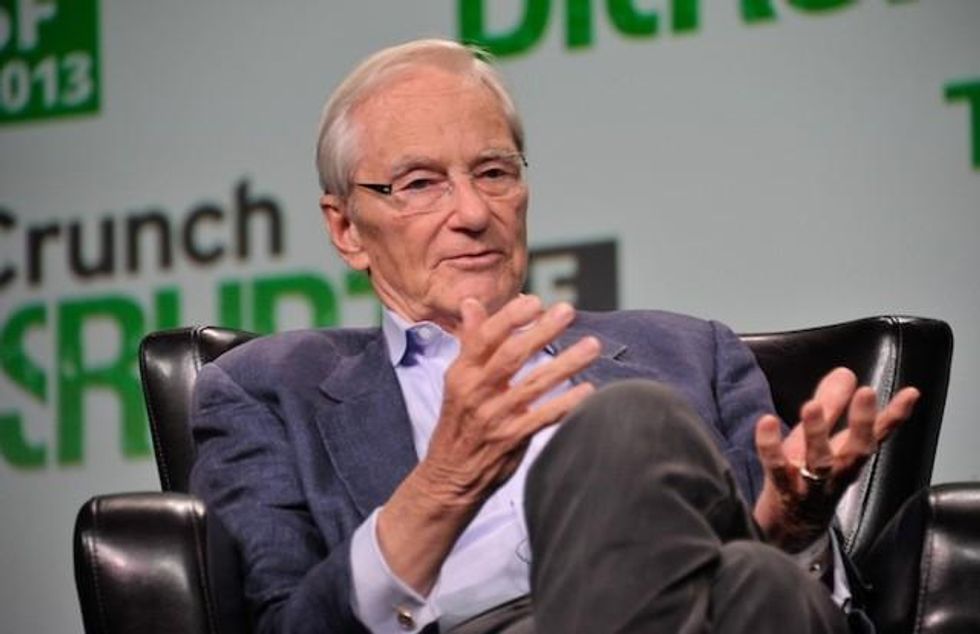
The latest glimpse into the Oz-like mind of the superrich erupted when Perkins fired off a screed to The Wall Street Journal on January 25. His letter to the editor was sparked by anger at San Francisco's anti-gentrification protests centered on Google's private bus network used to ferry employees to the company's campus 35 miles away. In his note Perkins railed against "progressive radicalism," and declared that there were "parallels" between Hitler's Germany and "the progressive war on the American 1 percent, namely the 'rich.'" Even though Perkins gave a partial apology for some of his words days later, the damage was done. In response to his screed, Nobel-prize winning economist Paul Krugman penned an op-ed titled, "Paranoia of the Plutocrats."
The problem with Perkins' paranoia is that he is not alone in it. Despite the fact that the top 1 percent has captured nine out of 10 dollars of all the wealth added to the economy since 2000, there is a pervasive sense that they are the ones facing persecution and denigration. As wealth therapist Jamie Trager-Muney told Politico, "I think that with Occupy Wall Street there was a sense of the heat getting turned up and a feeling of vilification and potential danger." But as Krugman points out the real danger in America is poverty and inequality. There is "strong evidence that high inequality leads to worse health and higher mortality," he writes. Being poor, rather than being rich, is what kills.
Regardless of the facts, the issue is that what the rich actually believe about themselves and about everyone else has an excessive impact on American society. As was laid out in a report last year by the think tank Demos, wealthy individuals are far more likely vote and contribute to political campaigns. Those making over $150,000 showed up at the polls nearly twice the rate as those making less than $20,000. In 2012, just 41,000 Americans--out of a total population of 310 million--gave $2,600 or more to presidential campaigns that year. But these contributions made up nearly one out of four dollars raised that year meaning that these individuals' impact on presidential fundraising was 2,500 times greater than their actual percentage of the population.
Given that there is a sense amongst the wealthy that they are America's losers, it makes perfect sense that they would use their disproportionate political power to steer greater assistance their way. According to research by the Russell Sage Foundation, the wealthy are twice as less likely [PDF] to support a minimum wage that guarantees income above the official poverty line and almost four times less likely to support to the Earned Income Tax Credit which helps keep 10 million people out of poverty; half of them children. But they are more likely to support "a society where the government does nothing except provide national defense and police protection, so that people would be left alone to earn whatever they could."
And as I have written before, since 1980, they have done just that by championing, achieving and reinforcing an economic system that taxes wealth from investments at a far lower rate than work. This reverse subsidy is then paid for by the rest of us through a rollback in government spending on economic opportunity programs and by loading up on debt charged to the national credit card. The 1 percent's aggressive paranoia coupled with their outsized political influence has created a situation where working Americans actually underwrite their success, yet have nothing to show for it but 40 years of falling wages and increasing scorn.
But all of this leads to the question of why the perceive the world so differently than the rest of us.
Imagined realities
One contributing factor is that the massive accumulation of wealth can rewire the brain. In an article on "the money-empathy gap" New York magazine contributing editor Lisa Miller puts it this way: "Living high on the socioeconomic ladder can, colloquially speaking, dehumanize people. It can make them less ethical, more selfish, more insular and less compassionate than other people." Wealth psychology researcher Paul Piff breaks it down even further, "The rich are way more likely to prioritize their own self-interests above the interests of other people." The bottom line is that can contribute to pathologies and anti-social behavior.
But, as I have laid out before, another reason that the rich can see themselves apart is that they live in society which champions their very elevation. Culturally, as former Reuters editor Chrystia Freedland has written, we see wildly successful business people as "heroes." Despite the fact that half of Americans are struggling to get by, the truth is that we still revere aspirational wealth culture as if it were before the crash, even though the values of hyper-wealth can be contrary to those necessary for a broad-based prosperity that gives everyone a shot. In fact, whole networks are built off of the concept of living gilded lives, like the cable network Bravo, and transformation from poverty to the world of multimillionaires is at the core of the number one reality show in the history of television, A&E's controversial "Duck Dynasty."
Additionally the super rich have their own dedicated channel, CNBC--like Fox News for conservatives--to reinforce it all. Ostensibly a financial news channel focused on the world's stock markets, CNBC is a daily parade of the 1 percent and the values they hold dear. In what might be a surprise to non-viewers, the network dedicates all three hours of primetime on Wednesdays to a show called the "Secret Lives of the Super Rich" where the 1 percent can learn everything from which firms specialize in super-rich security, to which luxury watch brands require an application to purchase them, to how hide luxury cars in secret uber-secure facilities away from everyone else.
The channel, through its correspondent Rick Santelli, actually gave the Tea Party movement its name and on the day that he did so created what a fellow anchor described as "mob rule" on the floor of the Chicago Board of Trade in order stir other "capitalists" to his cause. CNBC personality, Larry Kudrow, opens his evening show with the mantra "We believe that free market capitalism is the best path to prosperity." While the perennially irascible Joe Kernan opens the morning program "Squawk Box" with tirades against anyone who doesn't seem completely down with the 1 percent. He once referred to Paul Krugman as a communist and to those dedicated to bio-diversity as "enviro-socialists."
In this alternative universe where wealth is first, it's no wonder that MSNBC hosts, such as Melissa Harris Perry, are reprimanded or even punished for their on-air transgressions while their colleagues at sister network CNBC continue unbowed and unabated. But then again, they have two different audiences: one rich, the other not.
Indeed, rather than feel paranoid, Perkins and his colleagues should feel right at home. That's because they've successfully constructed a society that defers, supports and caters to those that have the most even as they pathologically convince themselves otherwise.
Of course there are the extremely wealthy who are committed to social and economic justice. George Soros, Bills Gates and Katrina vanden Heuvel all spring to mind. But the fact that they and others like them are standouts--rather than the rule--underscore the broader point here.
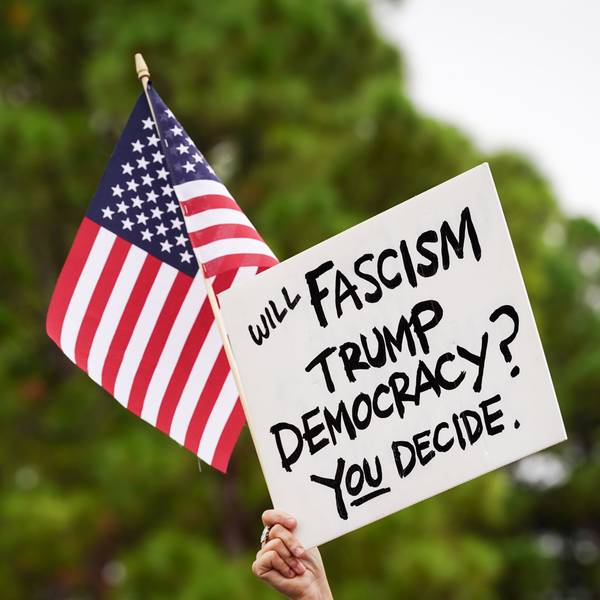
The only way that any of this turns around is if Americans take measures to remove money from politics. That's the good thing about living in a democracy rather than an actual fascist dictatorship: average citizens have the ability to bring about real change.
Chronic racial and gender imbalances amongst the super-rich only add to their detachment from the world around them. Despite the glitter and visibility of black and Latino celebrities, black and Latino wealth is the lowest on record. The annual list of America's richest four-hundred people, generated by Forbes, highlights alarming realities.
Even though they make up half of the U.S. population, only 48 women are on the list. Only one Latino, Jorge Perez, and one African-American, Oprah Winfrey, are on it as well. The list indicates an even starker truth. Even in rapidly diversifying present-day America, close to 100 percent of America's wealthiest households are white; 96 percent to be exact. These whopping wealth inequities underscore that the super wealthy occupy a world apart from the rest of us, one that is growing more distant.
Reinforced by political access, national economic policy, and their own echo chamber of social networks and media outlets, their world has an outsized influence on and negative consequences for the reality lived by everyone else.
Wealth and its discontents
The latest glimpse into the Oz-like mind of the superrich erupted when Perkins fired off a screed to The Wall Street Journal on January 25. His letter to the editor was sparked by anger at San Francisco's anti-gentrification protests centered on Google's private bus network used to ferry employees to the company's campus 35 miles away. In his note Perkins railed against "progressive radicalism," and declared that there were "parallels" between Hitler's Germany and "the progressive war on the American 1 percent, namely the 'rich.'" Even though Perkins gave a partial apology for some of his words days later, the damage was done. In response to his screed, Nobel-prize winning economist Paul Krugman penned an op-ed titled, "Paranoia of the Plutocrats."
The problem with Perkins' paranoia is that he is not alone in it. Despite the fact that the top 1 percent has captured nine out of 10 dollars of all the wealth added to the economy since 2000, there is a pervasive sense that they are the ones facing persecution and denigration. As wealth therapist Jamie Trager-Muney told Politico, "I think that with Occupy Wall Street there was a sense of the heat getting turned up and a feeling of vilification and potential danger." But as Krugman points out the real danger in America is poverty and inequality. There is "strong evidence that high inequality leads to worse health and higher mortality," he writes. Being poor, rather than being rich, is what kills.
Regardless of the facts, the issue is that what the rich actually believe about themselves and about everyone else has an excessive impact on American society. As was laid out in a report last year by the think tank Demos, wealthy individuals are far more likely vote and contribute to political campaigns. Those making over $150,000 showed up at the polls nearly twice the rate as those making less than $20,000. In 2012, just 41,000 Americans--out of a total population of 310 million--gave $2,600 or more to presidential campaigns that year. But these contributions made up nearly one out of four dollars raised that year meaning that these individuals' impact on presidential fundraising was 2,500 times greater than their actual percentage of the population.
Given that there is a sense amongst the wealthy that they are America's losers, it makes perfect sense that they would use their disproportionate political power to steer greater assistance their way. According to research by the Russell Sage Foundation, the wealthy are twice as less likely [PDF] to support a minimum wage that guarantees income above the official poverty line and almost four times less likely to support to the Earned Income Tax Credit which helps keep 10 million people out of poverty; half of them children. But they are more likely to support "a society where the government does nothing except provide national defense and police protection, so that people would be left alone to earn whatever they could."
And as I have written before, since 1980, they have done just that by championing, achieving and reinforcing an economic system that taxes wealth from investments at a far lower rate than work. This reverse subsidy is then paid for by the rest of us through a rollback in government spending on economic opportunity programs and by loading up on debt charged to the national credit card. The 1 percent's aggressive paranoia coupled with their outsized political influence has created a situation where working Americans actually underwrite their success, yet have nothing to show for it but 40 years of falling wages and increasing scorn.
But all of this leads to the question of why the perceive the world so differently than the rest of us.
Imagined realities
One contributing factor is that the massive accumulation of wealth can rewire the brain. In an article on "the money-empathy gap" New York magazine contributing editor Lisa Miller puts it this way: "Living high on the socioeconomic ladder can, colloquially speaking, dehumanize people. It can make them less ethical, more selfish, more insular and less compassionate than other people." Wealth psychology researcher Paul Piff breaks it down even further, "The rich are way more likely to prioritize their own self-interests above the interests of other people." The bottom line is that can contribute to pathologies and anti-social behavior.
But, as I have laid out before, another reason that the rich can see themselves apart is that they live in society which champions their very elevation. Culturally, as former Reuters editor Chrystia Freedland has written, we see wildly successful business people as "heroes." Despite the fact that half of Americans are struggling to get by, the truth is that we still revere aspirational wealth culture as if it were before the crash, even though the values of hyper-wealth can be contrary to those necessary for a broad-based prosperity that gives everyone a shot. In fact, whole networks are built off of the concept of living gilded lives, like the cable network Bravo, and transformation from poverty to the world of multimillionaires is at the core of the number one reality show in the history of television, A&E's controversial "Duck Dynasty."
Additionally the super rich have their own dedicated channel, CNBC--like Fox News for conservatives--to reinforce it all. Ostensibly a financial news channel focused on the world's stock markets, CNBC is a daily parade of the 1 percent and the values they hold dear. In what might be a surprise to non-viewers, the network dedicates all three hours of primetime on Wednesdays to a show called the "Secret Lives of the Super Rich" where the 1 percent can learn everything from which firms specialize in super-rich security, to which luxury watch brands require an application to purchase them, to how hide luxury cars in secret uber-secure facilities away from everyone else.
The channel, through its correspondent Rick Santelli, actually gave the Tea Party movement its name and on the day that he did so created what a fellow anchor described as "mob rule" on the floor of the Chicago Board of Trade in order stir other "capitalists" to his cause. CNBC personality, Larry Kudrow, opens his evening show with the mantra "We believe that free market capitalism is the best path to prosperity." While the perennially irascible Joe Kernan opens the morning program "Squawk Box" with tirades against anyone who doesn't seem completely down with the 1 percent. He once referred to Paul Krugman as a communist and to those dedicated to bio-diversity as "enviro-socialists."
In this alternative universe where wealth is first, it's no wonder that MSNBC hosts, such as Melissa Harris Perry, are reprimanded or even punished for their on-air transgressions while their colleagues at sister network CNBC continue unbowed and unabated. But then again, they have two different audiences: one rich, the other not.
Indeed, rather than feel paranoid, Perkins and his colleagues should feel right at home. That's because they've successfully constructed a society that defers, supports and caters to those that have the most even as they pathologically convince themselves otherwise.
Of course there are the extremely wealthy who are committed to social and economic justice. George Soros, Bills Gates and Katrina vanden Heuvel all spring to mind. But the fact that they and others like them are standouts--rather than the rule--underscore the broader point here.
The only way that any of this turns around is if Americans take measures to remove money from politics. That's the good thing about living in a democracy rather than an actual fascist dictatorship: average citizens have the ability to bring about real change.
Chronic racial and gender imbalances amongst the super-rich only add to their detachment from the world around them. Despite the glitter and visibility of black and Latino celebrities, black and Latino wealth is the lowest on record. The annual list of America's richest four-hundred people, generated by Forbes, highlights alarming realities.
Even though they make up half of the U.S. population, only 48 women are on the list. Only one Latino, Jorge Perez, and one African-American, Oprah Winfrey, are on it as well. The list indicates an even starker truth. Even in rapidly diversifying present-day America, close to 100 percent of America's wealthiest households are white; 96 percent to be exact. These whopping wealth inequities underscore that the super wealthy occupy a world apart from the rest of us, one that is growing more distant.
Reinforced by political access, national economic policy, and their own echo chamber of social networks and media outlets, their world has an outsized influence on and negative consequences for the reality lived by everyone else.
Wealth and its discontents
The latest glimpse into the Oz-like mind of the superrich erupted when Perkins fired off a screed to The Wall Street Journal on January 25. His letter to the editor was sparked by anger at San Francisco's anti-gentrification protests centered on Google's private bus network used to ferry employees to the company's campus 35 miles away. In his note Perkins railed against "progressive radicalism," and declared that there were "parallels" between Hitler's Germany and "the progressive war on the American 1 percent, namely the 'rich.'" Even though Perkins gave a partial apology for some of his words days later, the damage was done. In response to his screed, Nobel-prize winning economist Paul Krugman penned an op-ed titled, "Paranoia of the Plutocrats."
The problem with Perkins' paranoia is that he is not alone in it. Despite the fact that the top 1 percent has captured nine out of 10 dollars of all the wealth added to the economy since 2000, there is a pervasive sense that they are the ones facing persecution and denigration. As wealth therapist Jamie Trager-Muney told Politico, "I think that with Occupy Wall Street there was a sense of the heat getting turned up and a feeling of vilification and potential danger." But as Krugman points out the real danger in America is poverty and inequality. There is "strong evidence that high inequality leads to worse health and higher mortality," he writes. Being poor, rather than being rich, is what kills.
Regardless of the facts, the issue is that what the rich actually believe about themselves and about everyone else has an excessive impact on American society. As was laid out in a report last year by the think tank Demos, wealthy individuals are far more likely vote and contribute to political campaigns. Those making over $150,000 showed up at the polls nearly twice the rate as those making less than $20,000. In 2012, just 41,000 Americans--out of a total population of 310 million--gave $2,600 or more to presidential campaigns that year. But these contributions made up nearly one out of four dollars raised that year meaning that these individuals' impact on presidential fundraising was 2,500 times greater than their actual percentage of the population.
Given that there is a sense amongst the wealthy that they are America's losers, it makes perfect sense that they would use their disproportionate political power to steer greater assistance their way. According to research by the Russell Sage Foundation, the wealthy are twice as less likely [PDF] to support a minimum wage that guarantees income above the official poverty line and almost four times less likely to support to the Earned Income Tax Credit which helps keep 10 million people out of poverty; half of them children. But they are more likely to support "a society where the government does nothing except provide national defense and police protection, so that people would be left alone to earn whatever they could."
And as I have written before, since 1980, they have done just that by championing, achieving and reinforcing an economic system that taxes wealth from investments at a far lower rate than work. This reverse subsidy is then paid for by the rest of us through a rollback in government spending on economic opportunity programs and by loading up on debt charged to the national credit card. The 1 percent's aggressive paranoia coupled with their outsized political influence has created a situation where working Americans actually underwrite their success, yet have nothing to show for it but 40 years of falling wages and increasing scorn.
But all of this leads to the question of why the perceive the world so differently than the rest of us.
Imagined realities
One contributing factor is that the massive accumulation of wealth can rewire the brain. In an article on "the money-empathy gap" New York magazine contributing editor Lisa Miller puts it this way: "Living high on the socioeconomic ladder can, colloquially speaking, dehumanize people. It can make them less ethical, more selfish, more insular and less compassionate than other people." Wealth psychology researcher Paul Piff breaks it down even further, "The rich are way more likely to prioritize their own self-interests above the interests of other people." The bottom line is that can contribute to pathologies and anti-social behavior.
But, as I have laid out before, another reason that the rich can see themselves apart is that they live in society which champions their very elevation. Culturally, as former Reuters editor Chrystia Freedland has written, we see wildly successful business people as "heroes." Despite the fact that half of Americans are struggling to get by, the truth is that we still revere aspirational wealth culture as if it were before the crash, even though the values of hyper-wealth can be contrary to those necessary for a broad-based prosperity that gives everyone a shot. In fact, whole networks are built off of the concept of living gilded lives, like the cable network Bravo, and transformation from poverty to the world of multimillionaires is at the core of the number one reality show in the history of television, A&E's controversial "Duck Dynasty."
Additionally the super rich have their own dedicated channel, CNBC--like Fox News for conservatives--to reinforce it all. Ostensibly a financial news channel focused on the world's stock markets, CNBC is a daily parade of the 1 percent and the values they hold dear. In what might be a surprise to non-viewers, the network dedicates all three hours of primetime on Wednesdays to a show called the "Secret Lives of the Super Rich" where the 1 percent can learn everything from which firms specialize in super-rich security, to which luxury watch brands require an application to purchase them, to how hide luxury cars in secret uber-secure facilities away from everyone else.
The channel, through its correspondent Rick Santelli, actually gave the Tea Party movement its name and on the day that he did so created what a fellow anchor described as "mob rule" on the floor of the Chicago Board of Trade in order stir other "capitalists" to his cause. CNBC personality, Larry Kudrow, opens his evening show with the mantra "We believe that free market capitalism is the best path to prosperity." While the perennially irascible Joe Kernan opens the morning program "Squawk Box" with tirades against anyone who doesn't seem completely down with the 1 percent. He once referred to Paul Krugman as a communist and to those dedicated to bio-diversity as "enviro-socialists."
In this alternative universe where wealth is first, it's no wonder that MSNBC hosts, such as Melissa Harris Perry, are reprimanded or even punished for their on-air transgressions while their colleagues at sister network CNBC continue unbowed and unabated. But then again, they have two different audiences: one rich, the other not.
Indeed, rather than feel paranoid, Perkins and his colleagues should feel right at home. That's because they've successfully constructed a society that defers, supports and caters to those that have the most even as they pathologically convince themselves otherwise.
Of course there are the extremely wealthy who are committed to social and economic justice. George Soros, Bills Gates and Katrina vanden Heuvel all spring to mind. But the fact that they and others like them are standouts--rather than the rule--underscore the broader point here.
The only way that any of this turns around is if Americans take measures to remove money from politics. That's the good thing about living in a democracy rather than an actual fascist dictatorship: average citizens have the ability to bring about real change.