

SUBSCRIBE TO OUR FREE NEWSLETTER
Daily news & progressive opinion—funded by the people, not the corporations—delivered straight to your inbox.
5
#000000
#FFFFFF
To donate by check, phone, or other method, see our More Ways to Give page.
Daily news & progressive opinion—funded by the people, not the corporations—delivered straight to your inbox.
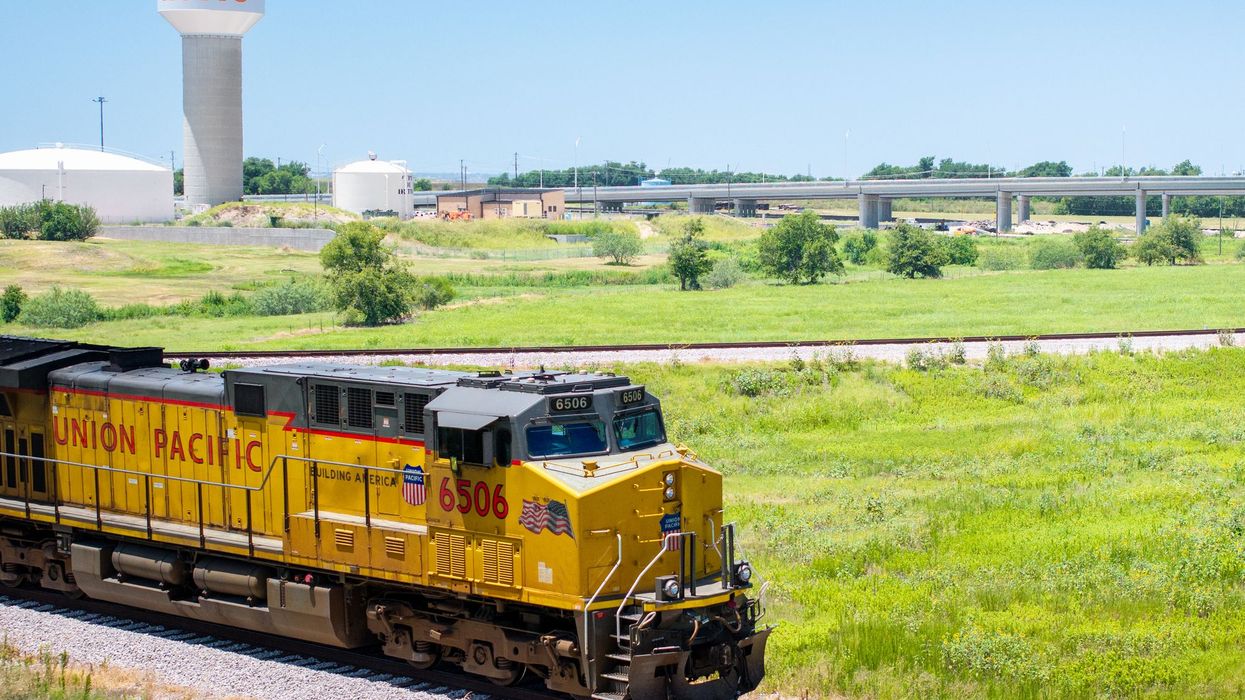
"For rail customers, it will be a choice between ‘Hell or the highway,’” said Mark Wallace, the national president of the Brotherhood of Locomotive Engineers and Trainmen.
Two of America's largest railway workers unions have come out against the $85 billion merger of two major railroad conglomerates, warning that it will harm competition and worker safety.
The Brotherhood of Locomotive Engineers and Trainmen (BLET) and the Brotherhood of Maintenance of Way Employees Division (BMWED) represent more than half of the employees at the Union Pacific Railroad and the Norfolk Southern Corporation, which it plans to acquire.
The US Surface Transportation Board (STB) is expected to receive a formal proposal from the two companies on Friday. President Donald Trump said in September that the deal "sounds good" to him.
If approved, it would allow the two firms to merge into the largest railroad company in US history, controlling more than 50,000 miles of track across 43 states. According to the Associated Press, such a railroad would likely control over 40% of the nation's freight.
The unions warned on Wednesday that the deal would create a "de facto monopoly" in large swaths of the country.
“We believe this transcontinental railroad will make shipping by rail less attractive as the merged carrier passes off rail lines that serve small towns, factories, and farms to short line railroads while running miles-long slow-moving trains on the main line," said BLET national president Mark Wallace. "For rail customers, it will be a choice between ‘Hell or the highway.’”
Loosened merger regulations by Congress have allowed railway companies to consolidate over the past 40 years. As the unions point out, in 1980 there were roughly 40 different Class 1 railroads in the US, whereas in 2025 they have combined into just six entities.
An October analysis by the American Economic Liberties Project, which warned against the Norfolk Southern-Union Pacific merger, noted that as a result of this consolidation, "shippers reported a deterioration in service, fewer options with higher prices... while workers lost jobs and those who didn’t face strenuous working conditions."
While the unions credited Norfolk Southern’s spending on new safety measures following 2023’s catastrophic derailment in East Palestine, Ohio, they said that Union Pacific “continues to cut corners and oppose needed reforms.”
During the Biden administration, federal regulators found that Union Pacific made a concerted effort to undermine government safety assessments, including coaching employees on how to respond to questions from the Federal Railroad Administration and threatening them with discipline if they did not give the company's preferred responses.
The merger has received backing from SMART-TD, the nation's largest railroad union, which cited promises from Union Pacific CEO Jim Vena not to lay off workers as a result of the acquisition.
But BLET and BMWED say these promises are hollow and that the proposal given to unions still allows the company to have the ultimate say over which workers are protected and provides no guarantees for employees against being transferred to jobs hundreds of miles away or from having their lines sold to short line railroads that pay less.
“We don’t believe anything Vena says about how workers would be treated in the Supersized Union Pacific,” said Tony Cardwell, president of the BMWED. “The agreements reached with some other unions related to job protections post-merger have loopholes big enough to traverse freight trains through. We refuse to accept the same terms in return for our unions’ support for the merger.”
"The last 40 years of railroad consolidation clearly demonstrate how this merger could threaten public safety and harm shippers, workers, consumers, and the broader economy," said an economic analyst.
A merger between two of America's biggest railroad companies could have "disastrous consequences" for workers and consumers, according to a report out Monday.
In late July, labor unions raised alarm as Union Pacific Railroad announced a $72 billion deal to acquire Norfolk Southern Railway, which, if approved by the US Surface Transportation Board (STB), would make the new entity the largest railroad company in American history, controlling over 50,000 total miles of interstate rail.
The American Economic Liberties Project (AELP), an anti-monopoly think tank, provided more evidence for those concerns with its new analysis.
"A combined Union Pacific-Norfolk Southern will have disastrous consequences: less safe workers and communities, less competition, higher costs, and service disruptions," said one of the report's authors, AELP senior fellow Erik Peinert. "For good reason, there has never been an attempt at a consolidated transcontinental railroad system until now—a scale of railroad consolidation not even met by the railroad barons of the Gilded Age."
As the report explains, America's interstate rail system is dominated by four companies that operate as a pair of "regional duopolies." Norfolk Southern lines stretch across the Eastern US, along with those owned by CSX, while areas west of the Mississippi River are covered by Union Pacific and BNSF.
This already heavily consolidated system is the product of Congress' deregulation of railroads during the 1980s and 1990s, most notably through the replacement in 1995 of the more powerful Interstate Commerce Commission (ICC) with the STB, which has more limited authority to regulate mergers.
"Even by the very lax merger standards of the late 1990s and early 2000s, these combinations were recognized as mistakes with devastating outcomes," the report says. "Shippers reported a deterioration in service, fewer options with higher prices, and the loss of jobs, while workers lost jobs and those who didn't face strenuous working conditions."
Though STB's rules tightened in 2001, requiring mergers to "enhance" competition instead of simply not harming it, the damage was already done. Over the next two decades, the report noted that the top four major railroads came to haul 7% fewer loads while hiking freight rates twice as fast as inflation. This was due in large part to the fact that 50% of customers were now "captive," that is, they had access to only one rail line, compared to just 27% two decades prior.
Another megamerger, the report warns, would cause a "likely permanent loss of competitive rail services for shippers" in large sections of the country, specifically the Midwest, where Union Pacific and Norfolk Southern have overlapping lines.
The deal has been opposed by a consortium of shipping associations, including the Freight Rail Customer Alliance, the American Chemistry Council, and the National Industrial Transport League (NITL), which warned that it would slow down service and lead to price hikes.
Labor unions—including the Teamsters, the Transport Workers Union of America, and the Railroad Workers United—have also opposed the merger, citing the companies' histories of cutting costs by laying off employees and flouting safety standards.
"Historically, rail consolidation results in job loss, diminishing labor power in negotiating better working conditions and pay, resulting in staffing shortages that lead to burnout and increased safety risks for workers and the public," the report says. "And in general, consolidation results in stagnant and reduced wages for workers, as there are fewer buyers for labor and greater leverage for the consolidated companies."
There is also a risk that if the STB approves the merger, it could embolden the other half of the duopoly, CSX and BNSF, to merge as well, creating a national duopoly where "choice and competition would be lost."
In part due to the STB's more stringent rules, no interstate railroads have attempted to merge in the 21st century. However, the Trump administration seemed to give Union Pacific and Norfolk Southern a green light when—just as proceedings for the merger were beginning in late August—President Donald Trump fired Robert Primus, a Democratic member of the STB who had been an outspoken critic of railroad consolidation, which broke a 2-2 tie on the board between Democrats and Republicans.
At the beginning of October, Primus sued the Trump administration, which had not explained his firing other than that he "did not align with the president's America First agenda." After meeting with the CEO of Union Pacific in September, Trump said that the merger "sounds good."
"Our country's supply chain demands that the board be independent and transparent. Congress mandated it 138 years ago," Primus said upon filing the lawsuit. "Failure to do so will negatively affect the network: railroads, shippers, and rail labor alike, disrupting the supply chain and ultimately injecting instability into our nation's economy. This is dangerous, and wrong, and cannot be allowed to happen."
Railroad Workers United said that Primus "was removed not for inefficiency or malfeasance, but for daring to stand for fair competition and consumer interests, a principle too radical for the 'America First' cabal."
Ashley Nowicki, the report's other author and a policy analyst at the AELP, said that the firing of Primus, "who questioned rail consolidation and the railroad's substantial lobbying efforts, raises serious concerns about political interference."
"The last 40 years of railroad consolidation clearly demonstrate how this merger could threaten public safety and harm shippers, workers, consumers, and the broader economy," she continued. "The Surface Transportation Board must show it can operate independently and protect the public interest over Wall Street."
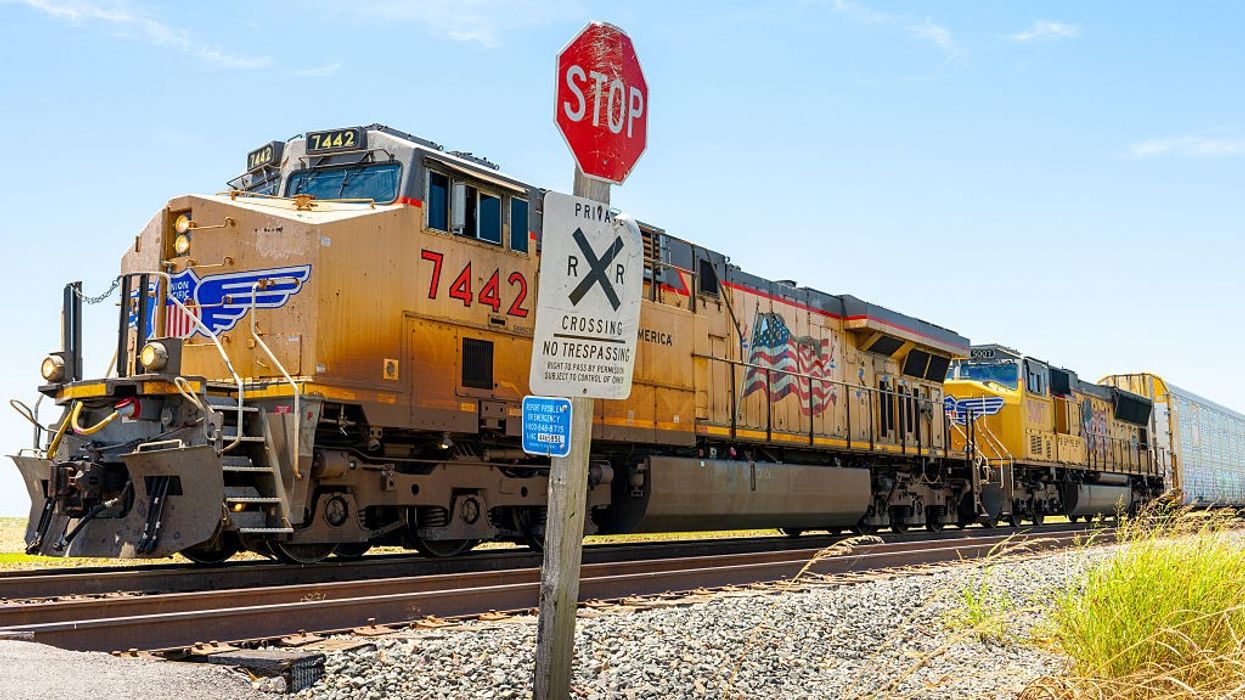
Railroad Workers United expressed opposition to any further consolidation of the U.S. rail system—unless it was brought under public ownership.
An inter-union U.S. rail coalition on Monday announced its formal opposition to Union Pacific's $85 billion bid to purchase Norfolk Southern and any other private consolidation of railroad giants, warning that such mergers serve only to enrich investors at the expense of workers, passengers, and communities across the nation.
Railroad Workers United (RWU)'s steering committee adopted a resolution outlining its opposition to the pending Union Pacific (UP)-Norfolk Southern (NS) deal, noting that rail mergers "have more often than not been fraught with inefficiencies, confusion, service disruptions, clogged terminals, staffing shortages, exhausted workers, and general malaise."
RWU "opposes this UP-NS merger as well as any and all takeovers, mergers, or other combinations of the remaining Class One railroads under the current system of private ownership," the resolution states.
"The only further consolidation of the continent's rail system that RWU would support is one that is publicly owned—how most nations' rail infrastructure is owned and operated today—and where the railroad workers are included in all aspects of managing railroad operations," the document concludes.
"Further corporate rail mergers today will do little for rail development but simply line the pockets of Wall Street investors at everyone else's expense."
RWU joins other prominent rail labor leaders and policy experts who have expressed deep concerns about the proposed takeover, which is part of a wave of mergers in the U.S. industrial sector this year under the Trump administration. The UP-NS merger still must receive federal approval.
"If the Union-Pacific-Norfolk Southern merger is approved, BNSF, the other western railroad—owned by Warren Buffett's Berkshire Hathaway—will almost certainly pursue CSX, the other eastern railroad, to avoid being boxed out," Arnav Rao, a transportation policy analyst at the Open Markets Institute, warned in a piece for Washington Monthly last week.
"If the United States is serious about reshoring manufacturing, it cannot afford to let its rail system become a duopoly," Rao added. "Allowing Union Pacific to absorb Norfolk Southern would leave just two national carriers, each with incalculable leverage over customers, workers, and regulators."
The day the merger proposal was announced last month, SMART Transportation Division (SMART-TD)—the largest railroad operating union in the U.S.—said it has "every intention to oppose" the deal, pointing to UP's record of "hostility" toward organized labor, willingness to lay off workers even during good periods for the industry, and "troubling safety record."
In a statement on Monday, RWU called on "all shipping groups, passenger train advocates, environmentalists, and especially railroad workers and our unions to oppose further mergers of rail corporations."
Pointing to the infamous robber barons of the Gilded Age, RWU organizer Matt Weaver said that "such concentration of wealth and power among a handful of men was not a good idea then and it is not a good idea today."
"They had a stranglehold on the economy and the rail workforce," said Weaver. "Further corporate rail mergers today will do little for rail development but simply line the pockets of Wall Street investors at everyone else's expense."
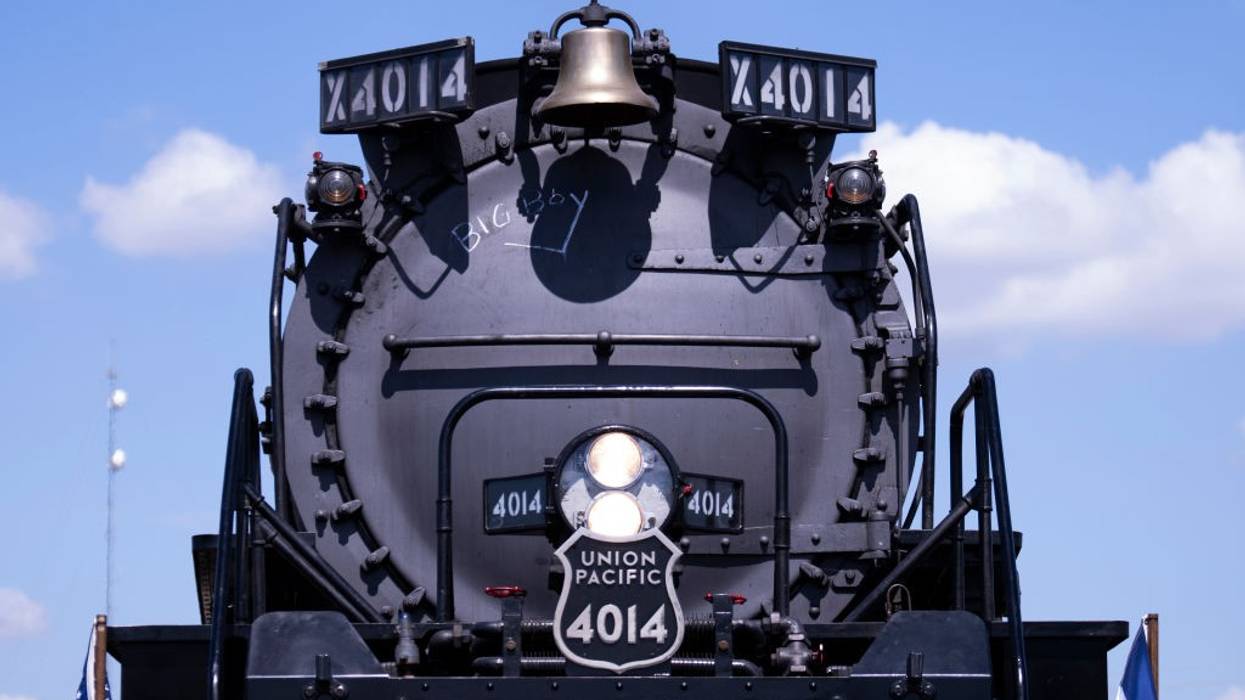
"Our labor organization has every intention to oppose this merger," said SMART-TD, America's largest railroad operating union.
Major unions on Tuesday slammed plans for an $85 billion merger between railway giants Norfolk Southern and Union Pacific.
As The New York Times reported, the proposed merger would have the benefit of creating the first rail network in the U.S. that would span from coast to coast and would run through 43 different states by linking Norfolk Southern's eastern railroads with Union Pacific's western rail network.
On the downside, however, it would represent a massive consolidation of the American rail industry by giving one corporation control of roughly 40% of rail freight throughout the U.S., and it was immediately panned by labor leaders as bad for railway workers.
SMART Transportation Division (SMART-TD), America's largest railroad operating union, said that "our labor organization has every intention to oppose this merger when it comes before the Surface Transportation Board for approval."
The union specified multiple concerns about the deal, including what it described as Union Pacific's "troubling safety record" under its current management.
"Publicly available data from recent years reveals [Union Pacific] leads the industry in accidents, incidents, injuries, and fatalities," the union said. "This trend reflects a broader corporate culture that, in our view, prioritizes aggressive operating ratios over worker and public safety."
SMART-TD also criticized Union Pacific for having "a pattern of disengagement and hostility" toward labor relations, while also expressing concerns that Norfolk Southern, which it describes as having "more progressive labor and operation policies," could adopt Union Pacific's tactics under a merger.
The Brotherhood of Railroad Signalmen (BRS) raised similar concerns about worker safety and laid out a list of demands that would have to be met before it would give the merger its blessing. Namely, the union said that "safety standards must be strengthened not sidelined, in the name of efficiency," and that "signal staffing must not be cut further." BRS also demanded "direct labor consultation during all phases of integration" and "enforceable safety guarantees and transparency in operational changes."
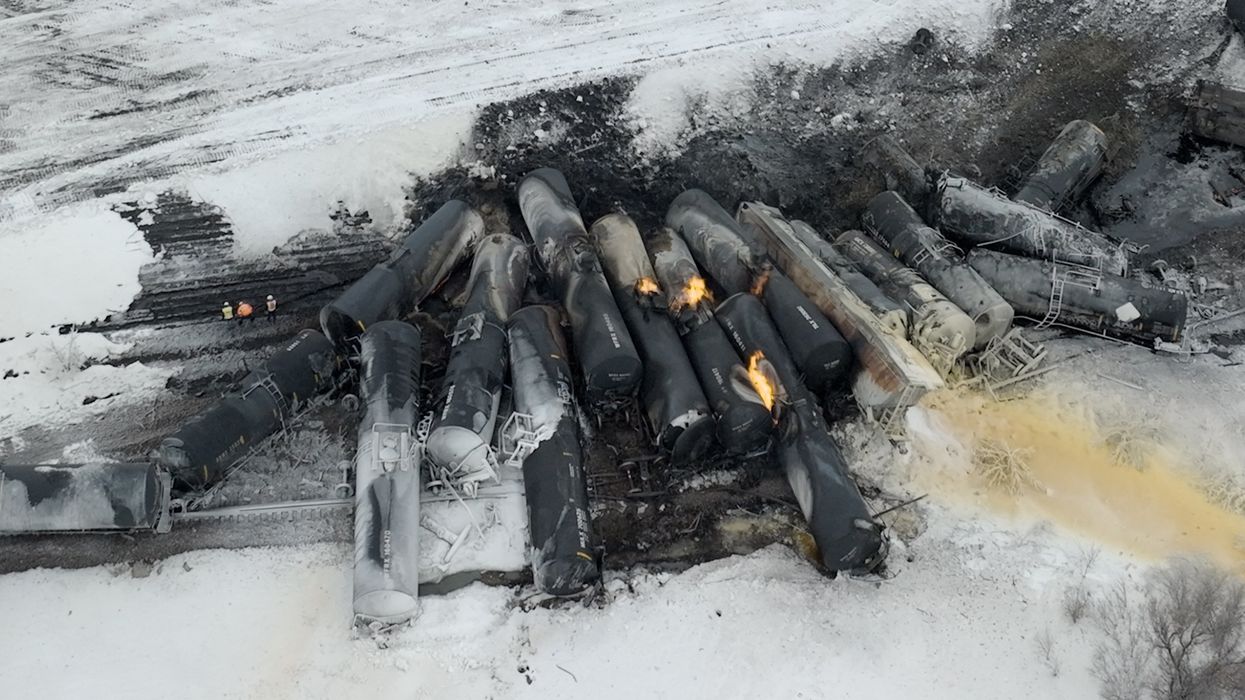
"These companies siphon billions into share buybacks, dividends, and bonuses rather than into the vital maintenance and infrastructure growth we need to build a safe, modern, and thriving rail industry," said one worker.
After at least six major freight train derailments occurred across the United States over the past week, the need for stronger rail safety rules couldn't be clearer, an interunion alliance of rail workers said Monday.
"The recent uptick in derailments across the U.S. highlights the dire need for stricter regulations on the length and weight of trains, as well as a focus on preventing unsafe operational practices such as precision scheduled railroading (PSR) which prioritizes short-term financial gains for Wall Street over the safety of communities and railroad workers," Jason Doering, a locomotive engineer and general secretary of Railroad Workers United (RWU), said in a statement.
The past week "was not a good one" for the nation's Class 1 rail carriers, RWU observed.
On Sunday, March 26, a Canadian Pacific train carrying hazardous materials careened off the tracks outside Wyndmere, North Dakota, spilling liquid asphalt and ethylene glycol and releasing propylene vapor.
Last Monday, a Union Pacific iron ore train reached 118 miles per hour as it ran away down Cima Hill in the Mojave Desert before wrecking on a curve, destroying two locomotives and 55 cars in San Bernardino County, California.
On Wednesday, a Canadian National iron ore train derailed in Butler County, Pennsylvania.
On Thursday, a BNSF train carrying ethanol and corn syrup crashed near Raymond, Minnesota, causing a fire that forced local residents to flee.
On Friday, a Norfolk Southern train went off the tracks in Irondale, Alabama.
One day ago, a train operated by the Class 2 regional Montana Rail Link—soon to be owned by BNSF—derailed on the banks of the Clark Fork River in Paradise, Montana.
"The recent uptick in derailments across the U.S. highlights the dire need for stricter regulations on the length and weight of trains, as well as a focus on preventing unsafe operational practices such as precision scheduled railroading."
"Rail workers are not surprised to see the dramatic increase in rail incidents following the widespread cuts to the industry," said locomotive engineer and RWU steering committee member Paul Lindsey.
"Each year these companies siphon billions into share buybacks, dividends, and bonuses rather than into the vital maintenance and infrastructure growth we need to grow a safe, modern, and thriving rail industry," Lindsey added.
Norfolk Southern has become the poster child for freight industry greed as the toxic aftermath of February's fiery train derailment and ensuing chemical spill and burnoff continues to unfold in East Palestine, Ohio.
Questioned last month at a U.S. Senate hearing about the ongoing public health and environmental disaster, Norfolk Southern president and CEO Alan Shaw refused to commit to giving workers seven days of paid sick leave or halting stock buybacks.
More Perfect Union has calculated that payouts to Norfolk Southern's shareholders soared by more than 4,500% over the past 20 years, from $101 million in stock repurchases and dividend bumps in 2002 to $4.7 billion in 2022.
Shaw also refused to commit to ending PSR, the profit-maximizing scheduling system that forces fewer workers to manage longer trains in less time, even though unions and progressive lawmakers argue the Wall street-endorsed model makes the U.S. rail system more dangerous and contributes to the 1,500-plus derailments seen nationwide each year.
Although Norfolk Southern epitomizes how railroad executives prioritize profits above all else, the corporation is far from alone in pushing for deregulation and implementing anti-worker, pro-investor policies.
An OpenSecrets analysis published last month found that the rail industry spent more than $713 million lobbying against enhanced rail safety rules at the federal and state levels between 2002 and 2022. Top spenders include the Association of American Railroads trade group, CSX, Union Pacific, Norfolk Southern, and BNSF's parent company Berkshire Hathaway, which is owned by billionaire Warren Buffett.
While RWU has made the case for nationalizing the railroads, it has also outlined a plan for reforms that can be quickly implemented in the absence of such a sweeping transformation. Specific provisions the alliance has called for include sufficient staffing; limits on train length and weight; adequate maintenance and inspections; and better training and employee benefits.
Last week, Sens. John Fetterman (D-Pa.), Bob Casey (D-Pa.), and Sherrod Brown (D-Ohio) introduced the Railway Accountability Act, which includes some of the measures sought by RWU and is supported by unions including the Transport Workers of America (TWU), the National Conference of Firemen & Oilers (NCFO), and the International Association of Sheet Metal, Air, Rail, and Transportation Workers-Mechanical Division (SMART-MD).

"Instead of buying back their own stock, UP should be investing in their employees by offering paid sick leave, reasonable schedules, and a better quality of life for railroaders," said one union president.
Union Pacific, one of the largest rail corporations in the United States, said Tuesday that it brought in record revenue and profits last year as it successfully fought off workers' push for paid sick leave.
The company reported $7 billion in net income for 2022 as a whole and said it spent a whopping $6.3 billion repurchasing its own shares—significantly more than the $4.6 billion it spent on employee pay and benefits last year.
“Instead of buying back their own stock, UP should be investing in their employees by offering paid sick leave, reasonable schedules, and a better quality of life for railroaders," Ed Hall, the newly elected president of the Brotherhood of Locomotive Engineers, told CNN on Tuesday. "This is the only way the railroad will be able to solve their recruitment and retention problems and keep the trains running."
Union Pacific was one of the major rail carriers involved in White House-brokered contract talks late last year that produced an agreement without any guaranteed paid sick days, rejecting a central demand of rail workers.
Labor unions representing a majority of U.S. rail workers rejected the proposed agreement and threatened to strike, but Congress intervened in the long-simmering contract dispute in December to impose the White House-backed deal on employees, sparking furious backlash from rank-and-file union members and progressive allies.
"President Biden campaigned on a week of paid sick leave for all working people, and then he had the opportunity right here but didn't take action. He favored the corporations," Matt Weaver, a rail worker and member of the Brotherhood of Maintenance of Way Employes Division (BMWED) in Ohio, told In These Times contributor Jeff Schuhrke, who detailed rail workers' ongoing fight for paid leave and safety measures in a piece last week.
Facing continued pressure from employees and some activist investors, Union Pacific and other rail giants are "weighing offering paid sick days—or are already doing so—along with schedule changes and other steps to improve employees' work-life balance," Bloomberg reported Monday.
"Costs will still be a key consideration for the railroads—and their investors," the business outlet added. "Voluntary paid sick leave and more flexible schedules would add to the expense of the labor agreement, which over five years raises salaries by 24%, pays bonuses totaling $5,000, and adds one day a year of personal leave. That could come at the expense of dividends and share buybacks, which have soared in recent years."
"Workers remain skeptical that they'll truly benefit from the tradeoff," Bloomberg continued. "Railroads historically have been quick to furlough staff during downturns, have required long hours with little flexibility, and have imposed strict attendance policies that allow the railroads to operate with fewer workers."
As Railroad Workers United put it in a Twitter post on Tuesday, "Never take the Union Pacific at face value."
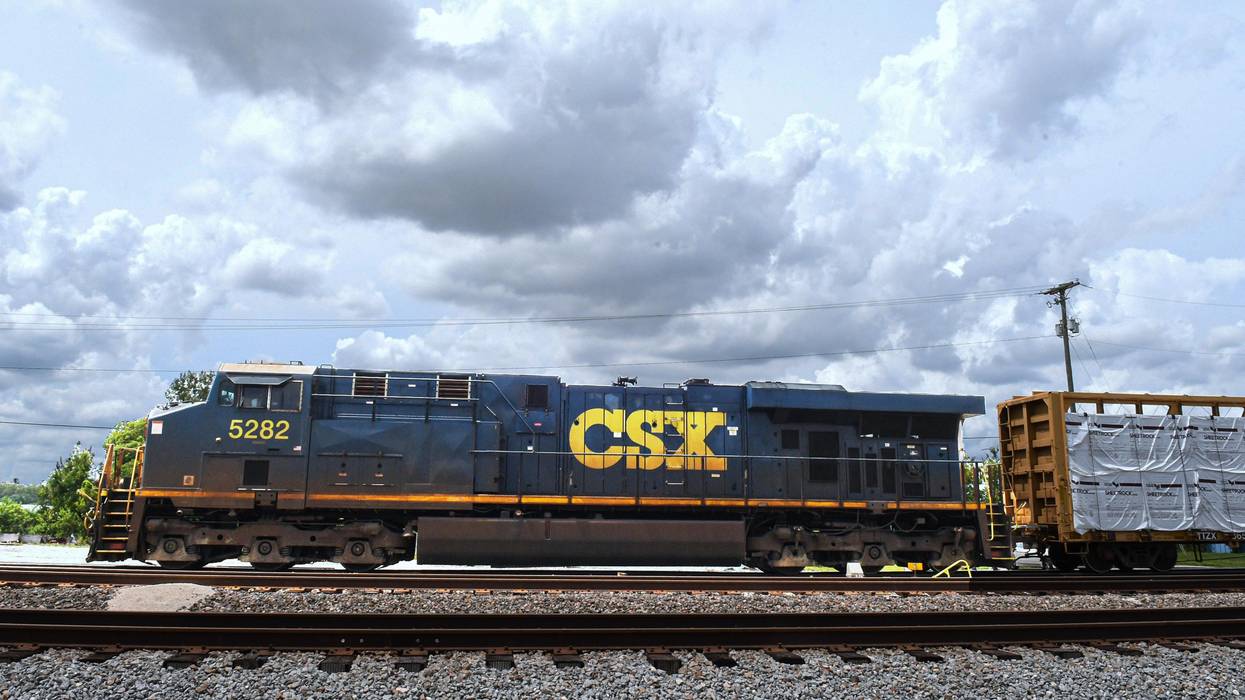
At the same time they have fought to deny sick days and other vital benefits to workers in the freight industry, rail carrier executives have been rewarding shareholders with billions of dollars in stock buybacks and dividend bumps.
"It's time for these railroad companies to start prioritizing the safety and well-being of their workers--or we'll all pay the price."
According to Railroad Operators: Bad for Workers, Good for Investors, a collection of data compiled by the Groundwork Collaborative and shared with Common Dreams on Monday, a handful of major rail companies reported more than $10 billion in buybacks and dividends over the first six months of 2022. Meanwhile, workers who try to visit a doctor amid a global pandemic continue to be disciplined, leading to higher staff turnover and soaring injury rates.
"Our research shows just how far railroad executives will go to funnel record profits to their shareholders--even if that means stagnant wages, inhumane attendance policies, and throwing our supply chain into further turmoil," Mike Mitchell, director of policy and research at Groundwork Collaborative, told Common Dreams.
Groundwork's analysis--based on recent corporate earnings calls from Union Pacific, CSX, Canadian National Railway, and Norfolk Southern--sheds new light on the dynamics underlying rail workers' ongoing fight for more safety and dignity in the workplace.
When it comes to shoveling more money to investors, Groundwork found that Union Pacific is leading the pack in 2022. Rather than using billions of dollars in revenue to improve pay and job conditions, Union Pacific gave $5 billion to shareholders through buybacks and dividends in the first six months of this year alone.
Other giants in the industry aren't far behind. CSX, for instance, funneled nearly $3 billion in buybacks and dividends to investors from January through June, while Canadian National Railway reported $2.3 billion in stock buybacks during the same time period, Groundwork noted.
Although exact figures weren't disclosed, Norfolk Southern's chief financial officer Mark George said on a July call that "shareholder distributions are up and you'll observe here the 19% higher dividend payments through six months on top of continued strong share repurchase activity."
Railroads have been enjoying record profits after decades of deregulation, consolidation, and "just-in-time" practices known as "precision railroad scheduling" transformed the industry into what Sarah Miller, executive director of the American Economic Liberties Project, describes as "another monopolized cash cow for Wall Street."
The safety of workers and communities, meanwhile, has been put in jeopardy by executives who have fired workers and increased hours, critics argue.
As Groundwork's new analysis points out, Union Pacific chief executive officer Lance Fritz told investors on a July call that the company had cut staff by a third since 2018 and said, "We've got to do some other unique and creative things with our labor unions in order to make our crews more available and more productive."
After admitting that Union Pacific's workforce "hasn't seen a raise in 2.5 or three years," Fritz praised the Presidential Emergency Board (PEB)--a panel of three arbitrators appointed by President Joe Biden earlier this summer in a bid to resolve heated contract negotiations between rail carriers and unions--and expressed hope that it would propose a "reasonable approach to wages."
He also said that Union Pacific is prepared to make further staffing cuts during an economic downturn, asserting that conductor-less trains would be "better for the conductors' quality of life."
Like Fritz at Union Pacific, CSX chief executive officer James Foote told investors on a July call that workers at his company "are not happy that they didn't get a raise for 2.5 years" and expressed hope that the PEB "puts out a recommendation that's a win-win for both sides."
CSX acknowledged that its injury rate in the second quarter "increased modestly from the near-record levels in the first quarter," only for Foote to blame the company's staffing challenges on what he described as pandemic-induced changes to "employees' work and lifestyle preferences."
"It's been somewhat of a surprise to all of us, the number of people that have dropped out after, again, going through all of the classroom training, all of the on-the-job training, and then working a few months and deciding that they don't like railroading as a profession," said Foote, just moments after stagnant wages and unsafe conditions were discussed.
Mark George, the CFO of Norfolk Southern, meanwhile, also attributed high attrition rates to a so-called "lifestyle challenge" occurring "in a very unique [labor] market where everybody is looking for talent."
He did go on to acknowledge, however, that "despite the very rich and attractive pay structure that the railroads offer, sometimes, [people would] rather work in a more predictable schedule in warehousing or in home construction, where they can be nearby where they live and not stay in hotels and also just not be on call."
Norfolk Southern's chief operating officer Cindy Sanborn said that the company is looking into "sign-on and attendance bonuses, retirement deferral, and referral incentive[s]" to boost hiring and retention, but she didn't say anything about workers' fundamental demands for sick days, paid leave, and other basic benefits revolving around better "quality of life."
Last week, labor lawyer Jenny Hunter and Terri Gerstein, director of the State and Local Enforcement Project at Harvard Law School's Labor and Worklife Program, argued in Slate that railroad companies nearly inflicted an economic catastrophe on the U.S. because they chose profit-maximization over humane workplace policies.
As the pair wrote:
It should not be controversial to say it, but: People should have sick leave so they do not have to come to work when they get sick. They should be able to take leave to attend doctors' appointments or deal with family emergencies without risking their jobs. Workers should also have regular time off, not be on call almost every day of their lives. This strike or lockout was threatened because of the railroad companies' refusal, right up until the last minute, to accept these basic human needs, and their willingness to bring an already weary country to the brink of yet another economic disaster, all in the name of ever more profits.
The United States, unlike many countries, does not have a national law guaranteeing sick leave; if we did, the railroads' attendance systems would be clearly illegal. The kind of point-based attendance systems that railroads employ can still be considered unlawful retaliation if workers lose points for taking leave that is legally protected, such as for absences guaranteed by the Family and Medical Leave Act, the Americans with Disabilities Act, or state or local sick leave laws. Apart from questions of legality, it is grossly irresponsible to punish people for unexpected illnesses ever, and especially during a pandemic.
A nationwide strike or lockout was at least temporarily averted last Thursday when the Biden White House announced a tentative agreement between rail carriers and unions that would enable workers to take days off for medical care without being punished, though just one of those days would be paid.
As a pair of unions representing tens of thousands of rail workers has stressed, however, the proposed deal still must be approved by rank-and-file members in an upcoming ratification vote.
Had it not been for Sen. Bernie Sanders' (I-Vt.) intervention last week, Senate Republicans may have succeeded in forcing rail workers to accept the PEB's original proposal, which many workers found intolerable because it excluded the sick leave benefits they sought, among other shortcomings.
Mitchell, for his part, said Monday that "it's time for these railroad companies to start prioritizing the safety and well-being of their workers--or we'll all pay the price."