Conservatives learned from these failures, and have worked tirelessly over the past four years to craft a sweeping set of reforms that would enable Trump to wield authority far more easily, and be far more reaching, than during his first term. Trump, according to Kevin Roberts, President of the conservative Heritage Foundation, stumbled out of the gate after winning in 2016: “Heritage and our allies in Project 2025 believe that must never be repeated.”
Mandate for Leadership: The Conservative Promise 2025, rectifies this and lays the groundwork for how to pull this off. Biblically-based in Judeo-Christian traditions and service to God, it echoes the racial resentment and discriminatory effects of equity that Trump has stoked for the past eight years. A second Trump administration, run by well-vetted right-wing loyalists, will “identify and reverse all actions taken by the Biden administration to advance progressive ideology and further equity.” “Nothing”, they profess, “is more important than deconstructing the centralized administrative state”. But, as they well know, it will be at the expense of millions who rely on its support and services to live.
How might this unfold?
Despite the fiscal challenges that Social Security and Medicare face, Trump has promised changes, yet offers no concrete plans or proposals. But his GOP allies in Congress, including House Speaker Mike Johnson have proposed benefit reductions and other changes. During his time as chair of the Republican Study Committee, Johnson proposed several reforms that advocates warned were clearly “veiled attempts” to raise the retirement age and ultimately make benefits less generous.
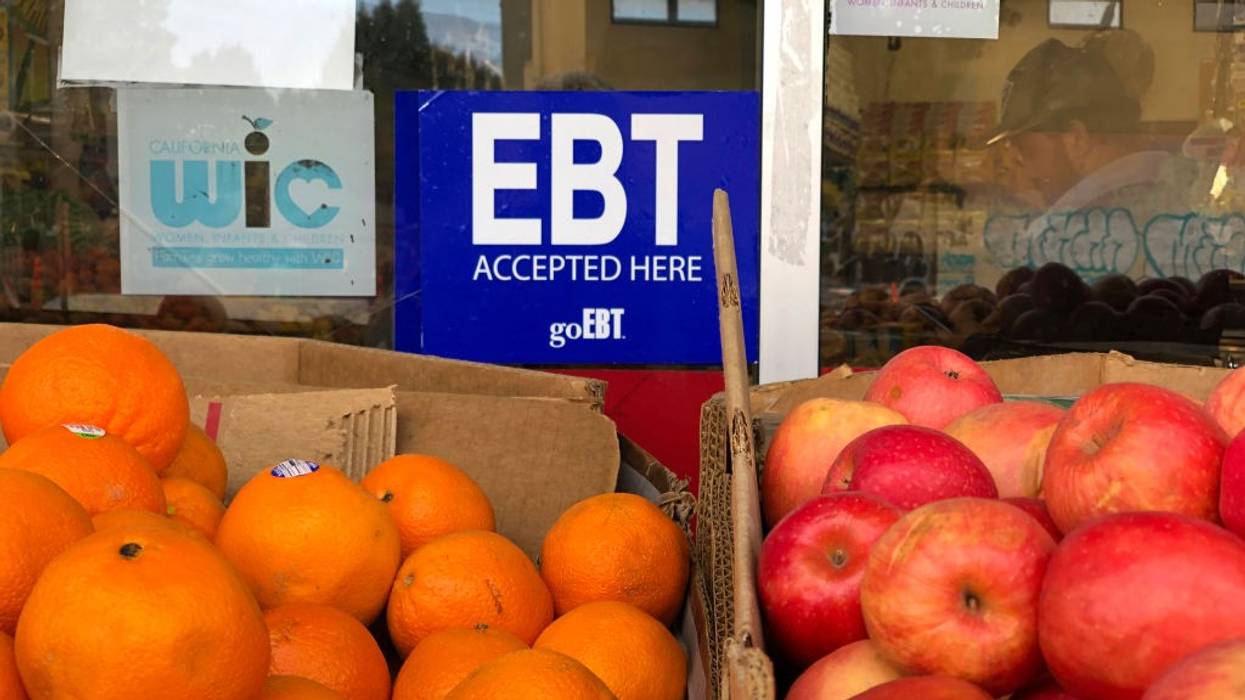
Trump’s attack on the safety net, however, would target programs that do not receive the coverage or political support of Social Security and Medicare. As a guide for action, the Mandate outlines numerous consequential changes for programs related to food and nutrition, shelter, and education programs for poor and low-income children and families.
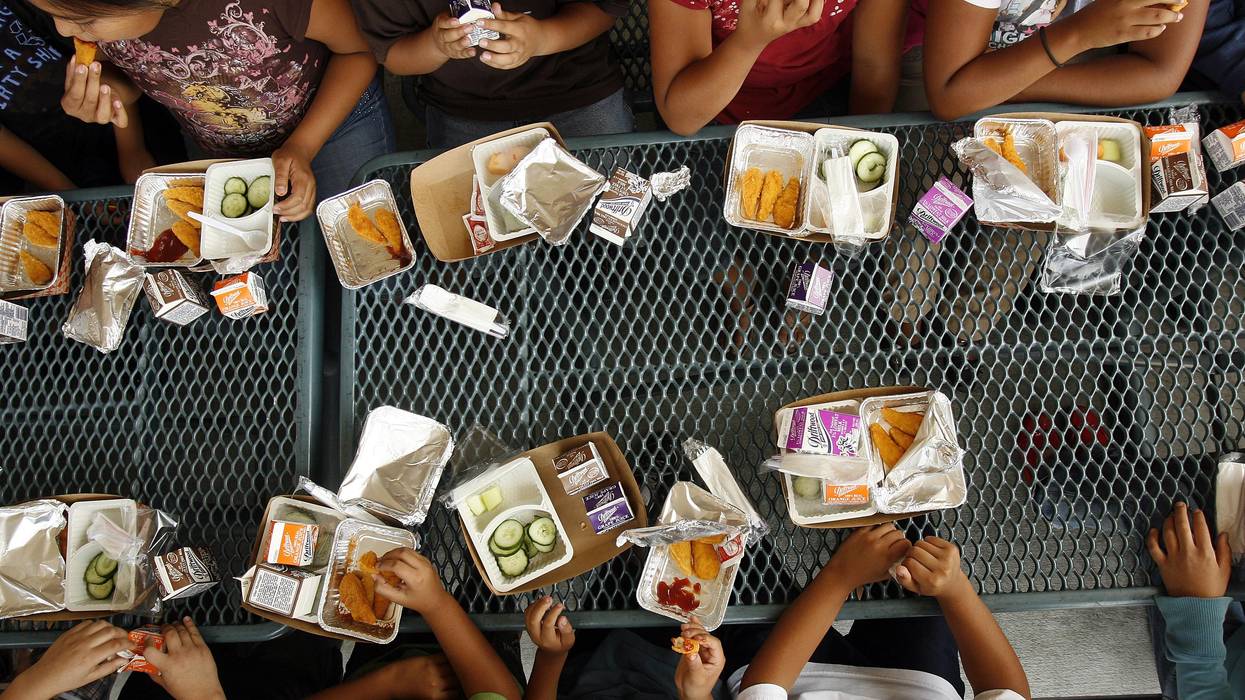
The repository for all means-tested programs from all agencies and departments slated for reduction or termination will be The Department of Health and Human Services (HHS). Programs like SNAP, school meals programs, and meals programs for the elderly will be moved out of the Department of Agriculture into HHS so as to remove any inkling of a “welfare-based” focus. Universal free school meals will be eliminated.
Along with the elimination of the Department of Education and Head Start and learning programs that target poor communities, all federal funding will be block-granted to states; an overt response to allowing states freedom to do as they see fit with no federal oversight. Existing research shows that over time, block-granting programs ultimately leads to funding reductions and diversions.
The Department of Housing and Urban Development (HUD) will be reinvented and existing work requirements will be strengthened to move people toward self-sufficiency. All fair housing regulations designed to further equity and reduce discrimination will be repealed.
Across all departments and programs, racial classifications and quotas will be eliminated.
What does this mean to the millions who rely on social infrastructure programs?
Turning power over to states will have disastrous consequences for low-income children and families. Thirteen red states have already refused federal money for summer meal programs for low-income and poor children, citing philosophical objections with welfare programs and lack of control over what families might purchase with the food-only benefit. At least 21 million children, living in families with annual incomes under $46,000 (for a family of 3), will not have access to a $40 per child monthly grocery benefit. The negative impacts on child health and development in the short-term, and the long-term implications of mired adult achievement and productivity because of poor nutrition in early childhood is, however, of little concern.
The elimination of Head Start will knowingly harm nearly 1 million low-income young children a year at a pivotal stage in their educational and social development: helping them build the skills they need to be successful in school and life while taking a comprehensive approach to meeting the needs of their families. The effects will be most consequential amongst Hispanic and African-American children, dual language learners, children who are homeless or in foster care, those who qualify for free lunch, and those whose mothers didn't graduate high school. Head Start children have a higher likelihood of graduating high school, attending college, and receiving a post-secondary degree, license, or certification as well as reduced teen pregnancy and criminal engagement and increased educational attainment among their children despite Mandate claims to the contrary.
Existing research shows that housing vouchers reduce homelessness, housing instability, and improves numerous outcomes for children and families. The proposed changes at HUD will make housing assistance more difficult for low-income individuals to access, which is difficult to comprehend given how challenging it is to access these programs already. Vouchers are critical to lift people out of poverty and reduce racial inequity. The access challenges will be most heavily concentrated among people with the lowest incomes and people of color as a result of decades of housing and employment discrimination.
At the heart of this attack on America is the resolve to ensure that all intents to promote equity and preserve the dignity, freedom and well-being of individuals are squelched, especially for those not white and who have, in any number of ways, been marginalized by societal and economic injustices. Humanity, protection of those less fortunate than the power elite, civility, and rights to basic needs does not fit with the plan laid out by right-wing zealots in the Mandate.
When Donald Trump assumed the presidency in 2017, it was unclear exactly how he would govern. Many conservatives, and even some liberals, thought the institution of the presidency would constrain him. In some ways, it did. But as his grip on the presidency loosened over the course of 2020 and into 2021, the guardrails that had worked to contain his most dangerous impulses similarly began to slip away.
Trump learned several lessons from his four years in the White House: to prize loyalty above competence or governing experience, and that divisive rhetoric focused on resentment, retribution, and retaliation motivates his base more than programmatic policy positions. His future actions are now easier to predict and will be far more dangerous. As one New York Times report noted, “Forces that somewhat contained his autocratic tendencies in his first term — staff members who saw their job as sometimes restraining him, a few congressional Republicans episodically willing to criticize or oppose him, a partisan balance on the Supreme Court that occasionally ruled against him — would all be weaker.”
The war that Trump would wage on the safety net in a second term would unfortunately, be unsurprisingly cruel. In many ways, his assault on the welfare state would be a continuation of a fifty-year war that began in earnest when Ronald Reagan won the White House in 1980. It was then that the Heritage Foundation put together its original Mandate for Leadership to prepare for Reagan’s presidency, described as “a blueprint for grabbing the government by its frayed New Deal lapels and shaking out 48 years of liberal policy.” Reagan ushered in a new era of opposition to the social safety net, which has left the welfare state in a state of fragmentation, passive neglect, and perpetual inadequacy.
The GOP assault on the safety net has been a decades-long battle, and there is no indication that Trump will suddenly change the party’s positioning on social welfare programs. In fact, the available evidence indicates that if he wins a second term, his strategy will shift from “death by a thousand cuts” to abolish, terminate, and destroy.