5
#000000
#FFFFFF
To donate by check, phone, or other method, see our More Ways to Give page.
Daily news & progressive opinion—funded by the people, not the corporations—delivered straight to your inbox.
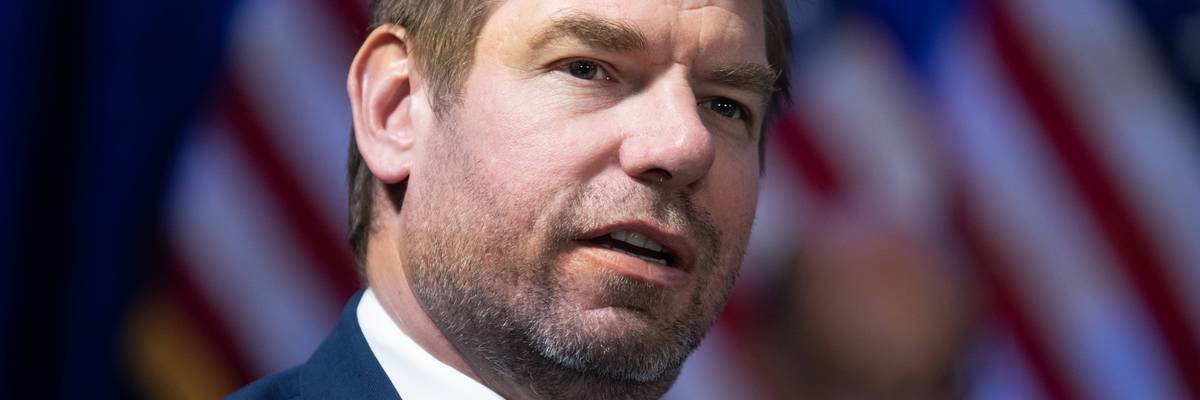
Rep. Eric Swalwell, D-Calif., speaks during the House Democrats hearing marking the five year anniversary of the attack on the Capitol, in the Capitol Visitor Center on Tuesday, January 6, 2026.
Even in Trump’s America, where lawlessness can feel like the norm, survivors are here, demanding that individuals and institutions treat sexual violence with the seriousness it deserves.
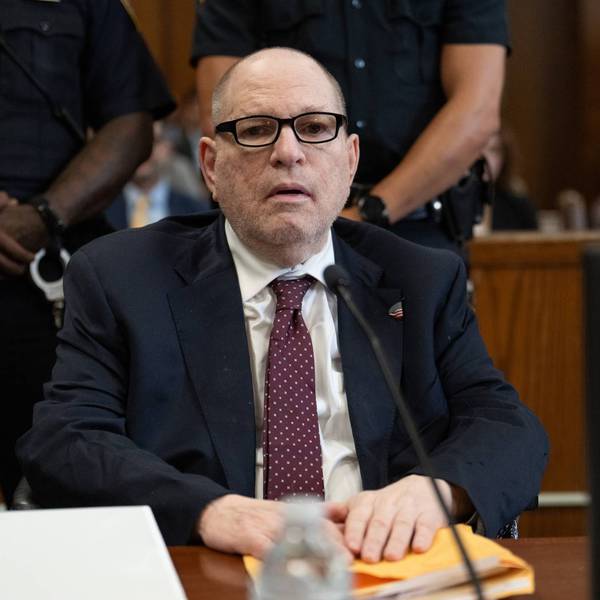
After serious allegations of sexual misconduct, Democratic California Rep. Eric Swalwell and Texas Republican Rep. Tony Gonzales resigned from Congress on the same day. That same week, convicted rapist Harvey Weinstein went on trial for the third time in New York; the University of California, Berkeley removed the name of accused sexual abuser Cesar Chavez from its student center; and a federal judge dismissed a defamation lawsuit brought by President Donald Trump regarding his ties to convicted sex offender Jeffrey Epstein.
These consequences for powerful men credibly accused of sexual assault have people asking: Is the #MeToo movement back?
As a co-founder of the TIME’S UP Legal Defense Fund, which was launched in 2018 to provide legal funding and media assistance to support survivors of workplace sexual harassment and related retaliation, I can confirm: Even in Trump’s America, where lawlessness can feel like the norm, survivors are here, demanding that individuals and institutions treat sexual violence with the seriousness it deserves.
When #MeToo first went viral, it felt like the Earth shook. Women worldwide responded to bombshell New York Times reports by sharing their experiences of sexual harassment and abuse. Quickly, it became clear that Weinstein was the tip of a massive iceberg. Allegations soon spread from Matt Lauer to Roger Ailes and beyond. But while big household names were capturing the public’s attention, something else was happening: People across the country were ready to take their abusers to court.
We have seen consequences for powerful men over the last weeks that go to show that powerful movements don’t end, they echo.
That’s why, three months after #MeToo went viral, the National Women’s Law Center joined with other advocates to create the TIME’S UP Legal Defense Fund, which helps survivors, no matter where they work, find justice. Over the last eight years, we have found a great deal of justice.
Since its founding, we have helped more than 12,000 people get the legal assistance they needed to hold their perpetrators accountable. From McDonald’s workers who were survivors of rampant sexual harassment by their bosses, to a female truck driver in Arizona who was sexually assaulted by her co-worker on the side of the road, the TIME’S UP Legal Defense Fund has fought for justice and accountability—and won.
In the years since we launched the fund, the #MeToo hashtag may have stopped trending (in part because people are less likely to use hashtags altogether), but the movement is still here, doing the work. In fact, 27 states and the District of Columbia have passed laws aimed at strengthening protections against workplace harassment. And we are not done.
We also can’t discount the immense cultural change that #MeToo’s created. For instance, Cheyenne Hunt, a Democratic creator and activist, used social media to draw attention to her story about abuse from Swalwell. She may not have used the #MeToo hashtag in her initial posts, but her courageous work follows the same playbook thousands of other survivors used to hold their perpetrators accountable. And the public was ready to respond, after nearly a decade of being grounded in Tarana Burke’s MeToo framework.
Yet we have seen from across the political divide people questioning whether the movement was successful, as evidenced by the alleged serial abuser now sitting in the Oval Office, who once said, “Grab ‘em by the pussy.” But these are the wrong questions to consider. Better ones might be: What would it take for women to feel safe in the places they work and learn? What support do survivors need? What is the cost of refusing to provide that support—the cost to survivors and to all of us, as women’s careers and contributions and opportunities are short-circuited by sexual violence?
What has happened in comment sections and court rooms has helped assure that this movement lives on in our laws and culture. Try as some might to roll back this progress—and some, particularly the president, are trying mighty hard—this reckoning will never simply be put back in the bottle.
That said, the latest examples make clear that this country still has miles to go. And given who is in the White House, the threat to survivor justice is as stark as it’s ever been. The Trump administration has spent the last year undermining survivor protections—in just over a year, it has refused to enforce harassment protections for transgender workers, blocked funding for domestic and sexual assault organizations, and weakened protections for victims of sexual harassment in schools.
But that is not evidence that this movement has failed; rather, it goes to show what many of us in the movement already knew: that there is always more work to do.
That work is, of course, made harder by people who think women’s bodies are theirs to possess, and that power means being immune to consequences. Still, we have seen consequences for powerful men over the last weeks that go to show that powerful movements don’t end, they echo. No matter how powerful you think you are, no one is above accountability.
So for anyone who thinks the #MeToo movement is over, I challenge you to look into the faces of the brave women whose stories are demanding and shaping change: Lonna Drewes. Ally Sammarco. Annika Albrecht. Regina Ann Santos-Aviles. Jessica Mann. Ana Murguia. Debra Rojas. Dolores Huerta. Annie Farmer. Virginia Giuffre. Survivors everywhere continue to speak truth—and because they do, #MeToo is as loud as it has ever been.
Dear Common Dreams reader, It’s been nearly 30 years since I co-founded Common Dreams with my late wife, Lina Newhouser. We had the radical notion that journalism should serve the public good, not corporate profits. It was clear to us from the outset what it would take to build such a project. No paid advertisements. No corporate sponsors. No millionaire publisher telling us what to think or do. Many people said we wouldn't last a year, but we proved those doubters wrong. Together with a tremendous team of journalists and dedicated staff, we built an independent media outlet free from the constraints of profits and corporate control. Our mission has always been simple: To inform. To inspire. To ignite change for the common good. Building Common Dreams was not easy. Our survival was never guaranteed. When you take on the most powerful forces—Wall Street greed, fossil fuel industry destruction, Big Tech lobbyists, and uber-rich oligarchs who have spent billions upon billions rigging the economy and democracy in their favor—the only bulwark you have is supporters who believe in your work. But here’s the urgent message from me today. It's never been this bad out there. And it's never been this hard to keep us going. At the very moment Common Dreams is most needed, the threats we face are intensifying. We need your support now more than ever. We don't accept corporate advertising and never will. We don't have a paywall because we don't think people should be blocked from critical news based on their ability to pay. Everything we do is funded by the donations of readers like you. When everyone does the little they can afford, we are strong. But if that support retreats or dries up, so do we. Will you donate now to make sure Common Dreams not only survives but thrives? —Craig Brown, Co-founder |
After serious allegations of sexual misconduct, Democratic California Rep. Eric Swalwell and Texas Republican Rep. Tony Gonzales resigned from Congress on the same day. That same week, convicted rapist Harvey Weinstein went on trial for the third time in New York; the University of California, Berkeley removed the name of accused sexual abuser Cesar Chavez from its student center; and a federal judge dismissed a defamation lawsuit brought by President Donald Trump regarding his ties to convicted sex offender Jeffrey Epstein.
These consequences for powerful men credibly accused of sexual assault have people asking: Is the #MeToo movement back?
As a co-founder of the TIME’S UP Legal Defense Fund, which was launched in 2018 to provide legal funding and media assistance to support survivors of workplace sexual harassment and related retaliation, I can confirm: Even in Trump’s America, where lawlessness can feel like the norm, survivors are here, demanding that individuals and institutions treat sexual violence with the seriousness it deserves.
When #MeToo first went viral, it felt like the Earth shook. Women worldwide responded to bombshell New York Times reports by sharing their experiences of sexual harassment and abuse. Quickly, it became clear that Weinstein was the tip of a massive iceberg. Allegations soon spread from Matt Lauer to Roger Ailes and beyond. But while big household names were capturing the public’s attention, something else was happening: People across the country were ready to take their abusers to court.
We have seen consequences for powerful men over the last weeks that go to show that powerful movements don’t end, they echo.
That’s why, three months after #MeToo went viral, the National Women’s Law Center joined with other advocates to create the TIME’S UP Legal Defense Fund, which helps survivors, no matter where they work, find justice. Over the last eight years, we have found a great deal of justice.
Since its founding, we have helped more than 12,000 people get the legal assistance they needed to hold their perpetrators accountable. From McDonald’s workers who were survivors of rampant sexual harassment by their bosses, to a female truck driver in Arizona who was sexually assaulted by her co-worker on the side of the road, the TIME’S UP Legal Defense Fund has fought for justice and accountability—and won.
In the years since we launched the fund, the #MeToo hashtag may have stopped trending (in part because people are less likely to use hashtags altogether), but the movement is still here, doing the work. In fact, 27 states and the District of Columbia have passed laws aimed at strengthening protections against workplace harassment. And we are not done.
We also can’t discount the immense cultural change that #MeToo’s created. For instance, Cheyenne Hunt, a Democratic creator and activist, used social media to draw attention to her story about abuse from Swalwell. She may not have used the #MeToo hashtag in her initial posts, but her courageous work follows the same playbook thousands of other survivors used to hold their perpetrators accountable. And the public was ready to respond, after nearly a decade of being grounded in Tarana Burke’s MeToo framework.
Yet we have seen from across the political divide people questioning whether the movement was successful, as evidenced by the alleged serial abuser now sitting in the Oval Office, who once said, “Grab ‘em by the pussy.” But these are the wrong questions to consider. Better ones might be: What would it take for women to feel safe in the places they work and learn? What support do survivors need? What is the cost of refusing to provide that support—the cost to survivors and to all of us, as women’s careers and contributions and opportunities are short-circuited by sexual violence?
What has happened in comment sections and court rooms has helped assure that this movement lives on in our laws and culture. Try as some might to roll back this progress—and some, particularly the president, are trying mighty hard—this reckoning will never simply be put back in the bottle.
That said, the latest examples make clear that this country still has miles to go. And given who is in the White House, the threat to survivor justice is as stark as it’s ever been. The Trump administration has spent the last year undermining survivor protections—in just over a year, it has refused to enforce harassment protections for transgender workers, blocked funding for domestic and sexual assault organizations, and weakened protections for victims of sexual harassment in schools.
But that is not evidence that this movement has failed; rather, it goes to show what many of us in the movement already knew: that there is always more work to do.
That work is, of course, made harder by people who think women’s bodies are theirs to possess, and that power means being immune to consequences. Still, we have seen consequences for powerful men over the last weeks that go to show that powerful movements don’t end, they echo. No matter how powerful you think you are, no one is above accountability.
So for anyone who thinks the #MeToo movement is over, I challenge you to look into the faces of the brave women whose stories are demanding and shaping change: Lonna Drewes. Ally Sammarco. Annika Albrecht. Regina Ann Santos-Aviles. Jessica Mann. Ana Murguia. Debra Rojas. Dolores Huerta. Annie Farmer. Virginia Giuffre. Survivors everywhere continue to speak truth—and because they do, #MeToo is as loud as it has ever been.
After serious allegations of sexual misconduct, Democratic California Rep. Eric Swalwell and Texas Republican Rep. Tony Gonzales resigned from Congress on the same day. That same week, convicted rapist Harvey Weinstein went on trial for the third time in New York; the University of California, Berkeley removed the name of accused sexual abuser Cesar Chavez from its student center; and a federal judge dismissed a defamation lawsuit brought by President Donald Trump regarding his ties to convicted sex offender Jeffrey Epstein.
These consequences for powerful men credibly accused of sexual assault have people asking: Is the #MeToo movement back?
As a co-founder of the TIME’S UP Legal Defense Fund, which was launched in 2018 to provide legal funding and media assistance to support survivors of workplace sexual harassment and related retaliation, I can confirm: Even in Trump’s America, where lawlessness can feel like the norm, survivors are here, demanding that individuals and institutions treat sexual violence with the seriousness it deserves.
When #MeToo first went viral, it felt like the Earth shook. Women worldwide responded to bombshell New York Times reports by sharing their experiences of sexual harassment and abuse. Quickly, it became clear that Weinstein was the tip of a massive iceberg. Allegations soon spread from Matt Lauer to Roger Ailes and beyond. But while big household names were capturing the public’s attention, something else was happening: People across the country were ready to take their abusers to court.
We have seen consequences for powerful men over the last weeks that go to show that powerful movements don’t end, they echo.
That’s why, three months after #MeToo went viral, the National Women’s Law Center joined with other advocates to create the TIME’S UP Legal Defense Fund, which helps survivors, no matter where they work, find justice. Over the last eight years, we have found a great deal of justice.
Since its founding, we have helped more than 12,000 people get the legal assistance they needed to hold their perpetrators accountable. From McDonald’s workers who were survivors of rampant sexual harassment by their bosses, to a female truck driver in Arizona who was sexually assaulted by her co-worker on the side of the road, the TIME’S UP Legal Defense Fund has fought for justice and accountability—and won.
In the years since we launched the fund, the #MeToo hashtag may have stopped trending (in part because people are less likely to use hashtags altogether), but the movement is still here, doing the work. In fact, 27 states and the District of Columbia have passed laws aimed at strengthening protections against workplace harassment. And we are not done.
We also can’t discount the immense cultural change that #MeToo’s created. For instance, Cheyenne Hunt, a Democratic creator and activist, used social media to draw attention to her story about abuse from Swalwell. She may not have used the #MeToo hashtag in her initial posts, but her courageous work follows the same playbook thousands of other survivors used to hold their perpetrators accountable. And the public was ready to respond, after nearly a decade of being grounded in Tarana Burke’s MeToo framework.
Yet we have seen from across the political divide people questioning whether the movement was successful, as evidenced by the alleged serial abuser now sitting in the Oval Office, who once said, “Grab ‘em by the pussy.” But these are the wrong questions to consider. Better ones might be: What would it take for women to feel safe in the places they work and learn? What support do survivors need? What is the cost of refusing to provide that support—the cost to survivors and to all of us, as women’s careers and contributions and opportunities are short-circuited by sexual violence?
What has happened in comment sections and court rooms has helped assure that this movement lives on in our laws and culture. Try as some might to roll back this progress—and some, particularly the president, are trying mighty hard—this reckoning will never simply be put back in the bottle.
That said, the latest examples make clear that this country still has miles to go. And given who is in the White House, the threat to survivor justice is as stark as it’s ever been. The Trump administration has spent the last year undermining survivor protections—in just over a year, it has refused to enforce harassment protections for transgender workers, blocked funding for domestic and sexual assault organizations, and weakened protections for victims of sexual harassment in schools.
But that is not evidence that this movement has failed; rather, it goes to show what many of us in the movement already knew: that there is always more work to do.
That work is, of course, made harder by people who think women’s bodies are theirs to possess, and that power means being immune to consequences. Still, we have seen consequences for powerful men over the last weeks that go to show that powerful movements don’t end, they echo. No matter how powerful you think you are, no one is above accountability.
So for anyone who thinks the #MeToo movement is over, I challenge you to look into the faces of the brave women whose stories are demanding and shaping change: Lonna Drewes. Ally Sammarco. Annika Albrecht. Regina Ann Santos-Aviles. Jessica Mann. Ana Murguia. Debra Rojas. Dolores Huerta. Annie Farmer. Virginia Giuffre. Survivors everywhere continue to speak truth—and because they do, #MeToo is as loud as it has ever been.