Last week I was in Minneapolis, Minnesota to observe and learn from those who have attempted to protect members of their community from the brutal assaults by Immigration and Customs Enforcement and other government agencies and hold those agencies accountable for the violence they are wrecking on the community.
ICE in Minneapolis: From Surge to “Surrender (Kind of)”
The Trump administration’s decision to surge 2,000 ICE and Border Patrol agents into Minneapolis to uphold White House Deputy Chief of Staff Steven Miller’s directive for the arrest in the US of 3,000 persons each day to teach immigrants, and everyone in the US a lesson, backfired as the actions of the federal agents in Minneapolis outraged the city, state, and nation.
Due to community pressure and noncompliance with the violent attempts by ICE agents to force capitulation by the community and the lawlessness of the masked agents, caught on video by bystanders in busting doors to homes, smashing car windows, and beating up and murdering two Minneapolis residents eventually forced the Trump administration to replace the well-known, mean-spirited Gregory Bovino and bring in “border czar” Tom Homan who very quickly reduced the number of ICE agents in Minneapolis by one-third and required the agents to wear body cameras.
“I Can’t Breathe” Organizing in Minneapolis Six Years Ago With the Horrific Murder of George Floyd Prepared the Community
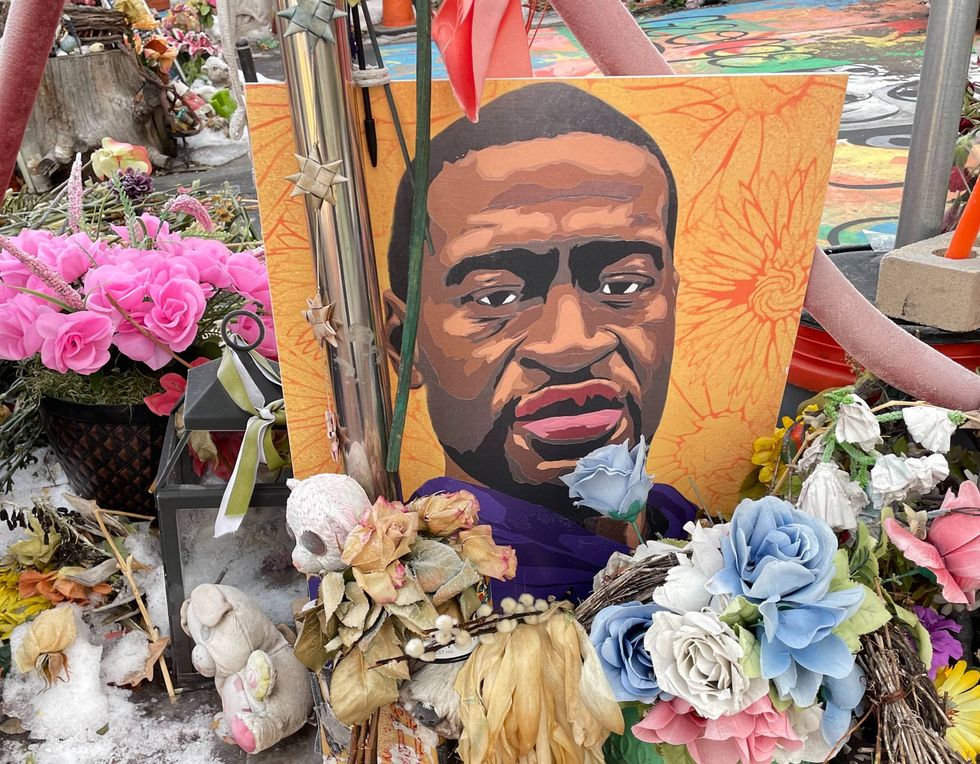 A memorial is shown for George Floyd in Minneapolis, Minnesota. (Photo by Ann Wright)
Community organizing began six years ago with the community response to the horrific murder of George Floyd. The protests and vigils for George Floyd in Minneapolis and around the world brought attention to the continuing targeting of African Americans for minor incidents that the police escalated into “I Can’t Breathe” and death.
To this day, each day for six years, a group from the community meets at 8:00 am at George Floyd Square located across the street from the Memorial over coffee to discuss the previous day’s events and the organizing needed for that day. There are several persons who are at the Square each day who can provide to a newcomer the historical context for the treatment by police of African Americans, Native Americans, and immigrants in the Minneapolis area.
Others arriving may be unhoused who are needing a cup of coffee and a doughnut for breakfast or some “new clothing” from the donations that are located inside a city bus stop shelter located at the square. By 9:30 am, the group has disbursed: some left quickly after 8:00 am to take kids to school or to go to work, others to continue work on community mutual aid projects.
Block by Block Community Organizing
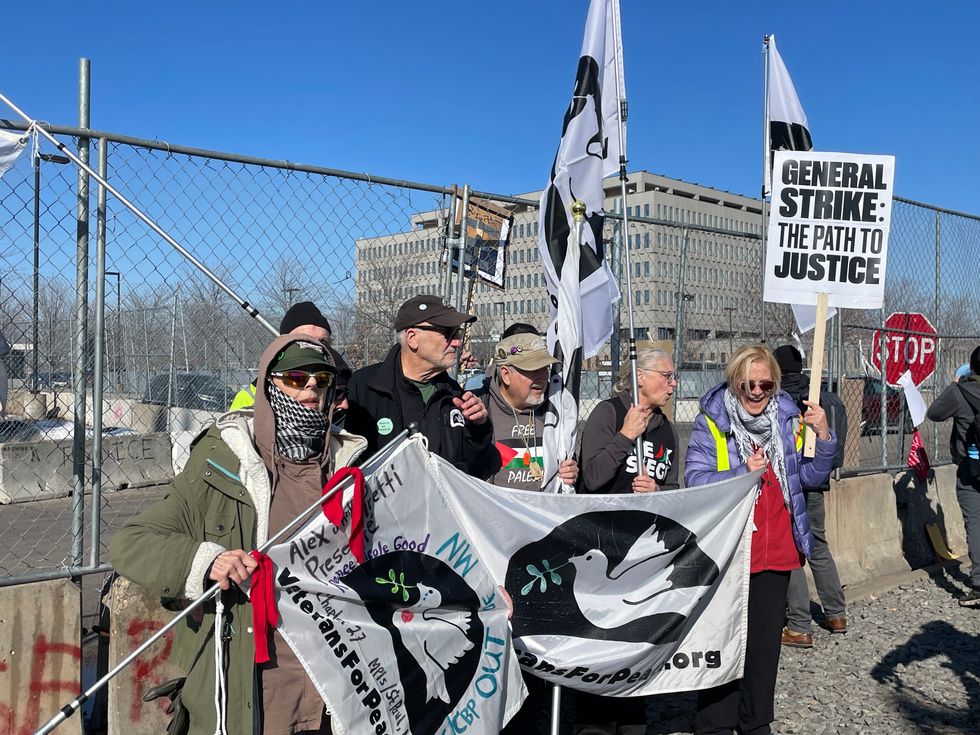 Veterans for Peace mobilize against ICE in Minneapolis, Minnesota. (Photo by Ann Wright)
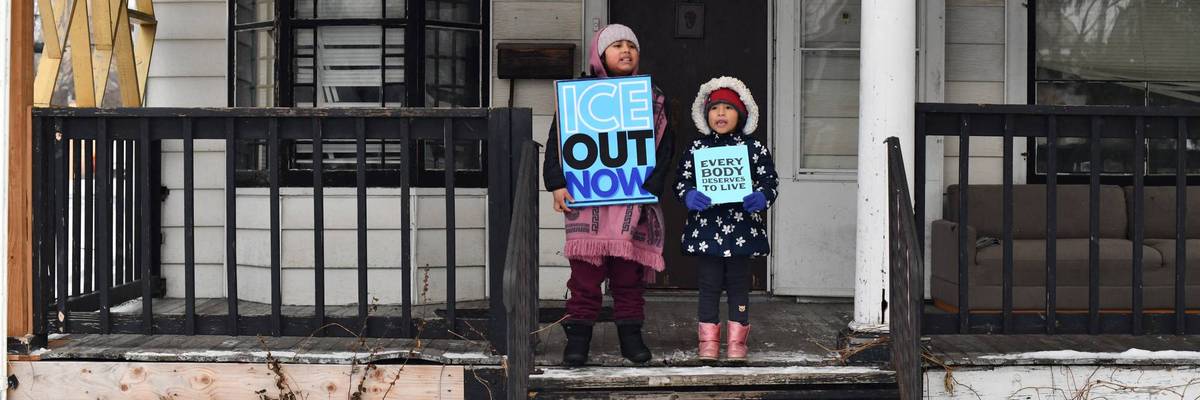
In speaking with residents in several parts of Minneapolis, beautiful stories of organizing on a block-by-block level emerged! Residents got to know those who lived on the same block. Everyone had a whistle to alert the neighborhood that suspicious cars were in the area. Those residents who were not targeted by ICE, generally Caucasian, came out on the streets to find out what was happening and ready to record ICE actions. They began doing grocery shopping for those fearful of leaving their homes, taking kids to school, picking them up from school, and taking people to medical appointments.
The Minneapolis friend who housed us for this visit usually has at least two things per day that she was doing for immigrants in her neighborhood. Others in teams of two or three stand outside businesses that ICE might target, with the businesses thanking the volunteers by providing coffee and snacks.
Other volunteers in their personal cars follow vehicles that they suspect may be driven by ICE agents. Many of these volunteers have been physically assaulted by ICE agents who stop the volunteers, damage their cars, take their license plate numbers, find out the addresses of the volunteers, and then harass them at their homes.
Minnesota “Nice” has turned into “F**k ICE.”
The Veterans For Peace (VFP) chapter in Minneapolis has a Rapid Response team composed of veteran volunteers from around the country that has provided a presence in various parts of the city. In an article by VFP board member Gerry Condon, he relates: “Younger Post-9/11 veterans have taken the lead. They have been patrolling in at-risk neighborhoods, monitoring for agitators, deescalating situations at protests, and training people how to stop bleeding. At least four veterans have been arrested while peacefully protesting but have been released without charges.”
These types of community volunteering happen every day all over the city, including a team of carpenters who replace doors that ICE has knocked down when entering a residence, to a team of tow truck operators who return a vehicle that occupants have been kidnapped from to the residence of the person—free of charge.
Many of these stories, organizations, and actions are chronicled in the website: Stand With Minnesota.
Challenging ICE at the Whipple Federal Building
Every day hundreds come to the Whipple immigrant court and detention building located in south Minneapolis. ICE agents mobilize in the huge parking lot with hundreds of rental cars and drive out to terrorize the community and bring those arrested into the Whipple facility before sending them to other detention locations.
Volunteers with megaphones speak their minds to the departing ICE agents with the most “F” words I have ever heard in all my life!!! Spontaneous “F**k ICE” chants erupt everywhere—from the entire audience in a recent Minneapolis hockey game to whenever Minneapolis residents meet on a street corner.
Minnesota “Nice” has turned into “F**k ICE.”
ICE put up tall fences on both sides of the roadway used for departure. In one remarkable action, community members threw dildos over the fences at ICE cars because they were such “dicks.”
Due to AI and facial recognition devices used by ICE, most who go to Whipple wear masks and leave their phones in their cars.
Volunteers Help Detainees Released in the Middle of the Night with No Coats, Phones
Another group of volunteers formed “Haven Watch” to provide 24-hour-a-day coverage for those who have been detained and subsequently allowed to leave Whipple. Generally, they are released from the detention facility at night, with no coats and sometimes no shoes, in the bitter cold with no phones to call for help. The volunteers provide warm drinks and food, clothing, a phone, and a ride home.
The Murders of Renee Good and Alex Pretti: Retaliation for challenging ICE Can Be Swift and Brutal
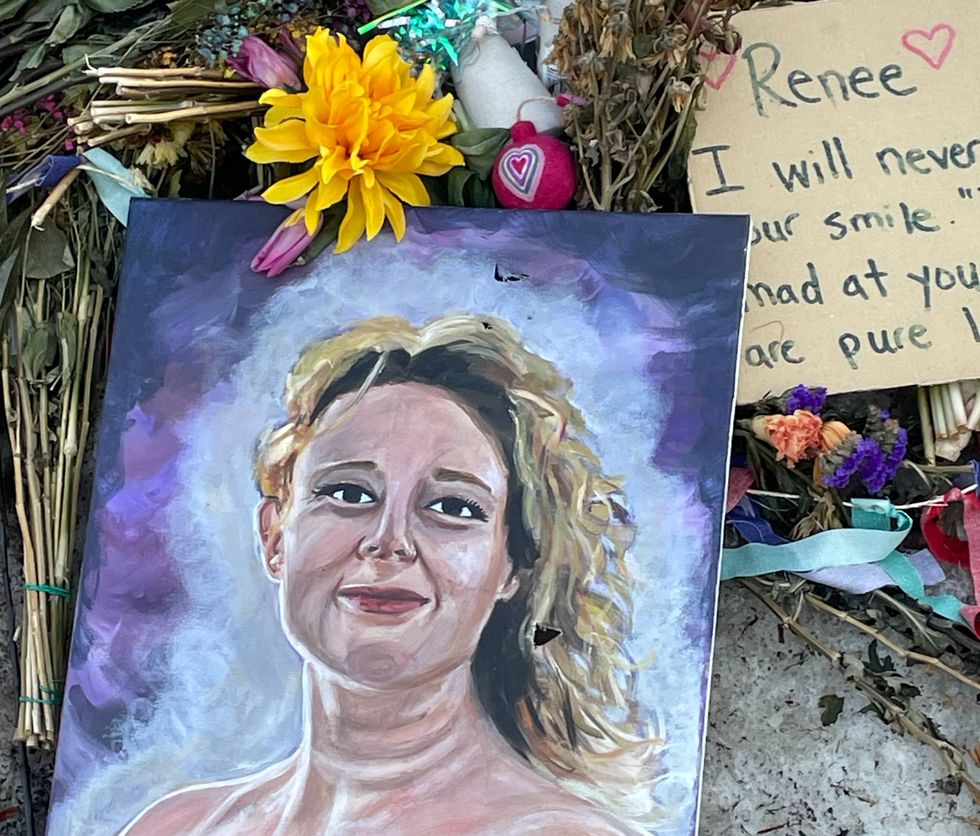 A memorial to Renee Good is shown in Minneapolis, Minnesota. (Photo by Ann Wright)
Hundreds of people visit the memorials each day of Renee Good and Alex Pretti. New flowers, photos, poems, and statements are placed at the site where each was murdered by ICE agents. We have all seen the videos of ICE agent Jonathan Ross shooting mother of three Renee Good in her car on January 7, 2026 and of Border Patrol agent Jesus Ochoa and Customs and Border Protection officer Raymundo Gutierrez murdering Veterans Affairs ICU nurse Alex Pretti on January 24, 2026 as five of them pinned Alex on the ground.
President Donald Trump, Homeland Security Secretary Kristi Noem, and other administration officials' attempts to characterize both Good and Pretti as terrorists backfired badly as videos of the federal agents murdering them emerged.
The allegations against four others shot by federal immigration agents unraveled in court with little publicity.
Before Trump officials declared Renee Good and Alex Pretti at fault for instigating violence before they were killed, the administration’s allegations against four others shot at by federal immigration agents quietly unraveled in court. There have been 16 shootings by on-duty federal immigration agents patrolling in US cities and towns over the past year, including those that took the lives of Minnesota protesters Renee Good and Alex Pretti.
Continuing Historic Violence in Minnesota: Vigil and March for Disappeared and Murdered Native American Women
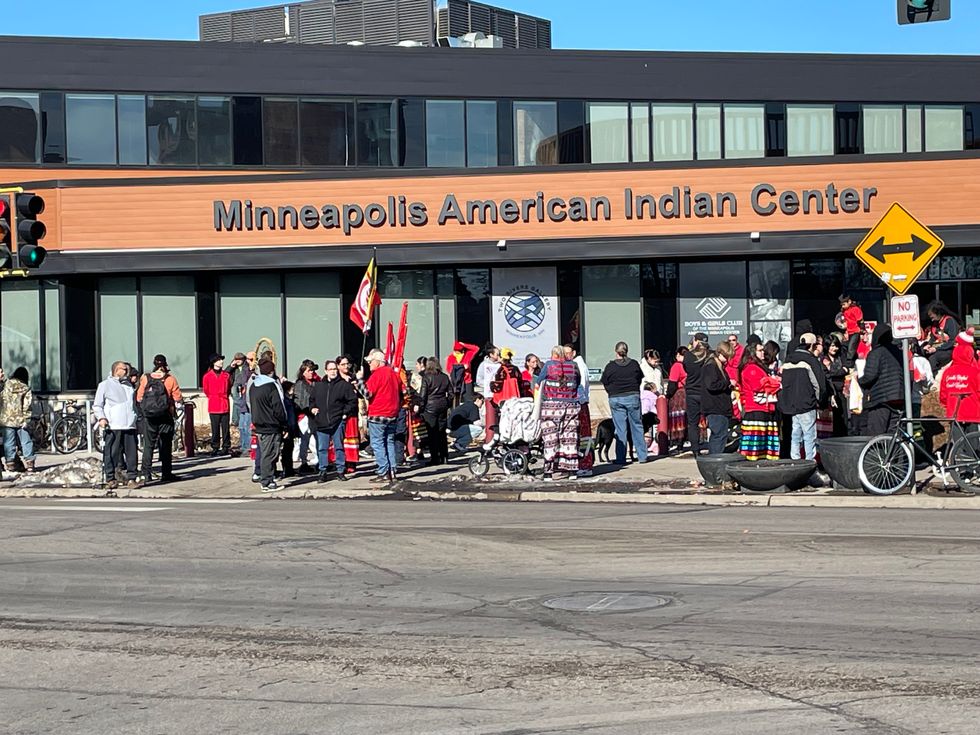 Crowds gather outside the Minneapolis American Indian Center. (Photo by Ann Wright)
ICE violence is not the only type of violence in Minnesota. Saturday, February 14, 2026 we went to the Minneapolis American Indian Center to participate in the Missing and Murdered Indigenous Relatives Day of Remembrance, which is held each February 14, to bring awareness to the epidemic of Indigenous people who have gone missing or have been murdered.
Startling data collected by the state of Minnesota is evidence that Indigenous people are a high percentage of the state’s missing person cases.
The Minnesota state Bureau of Criminal Apprehension reports that 732 Indigenous persons went missing in Minnesota in 2025, more than 64% of whom were women. In 2025, the average number of Indigenous people in Minnesota who were missing on any one day was 63, according to the BCA.
According to 2024 data, American Indians accounted for more than 4% of all reported victims of homicide or nonnegligent manslaughter in Minnesota, despite American Indians making up only a little more than 1% of the population.
Many Issues of Minneapolis-St. Paul
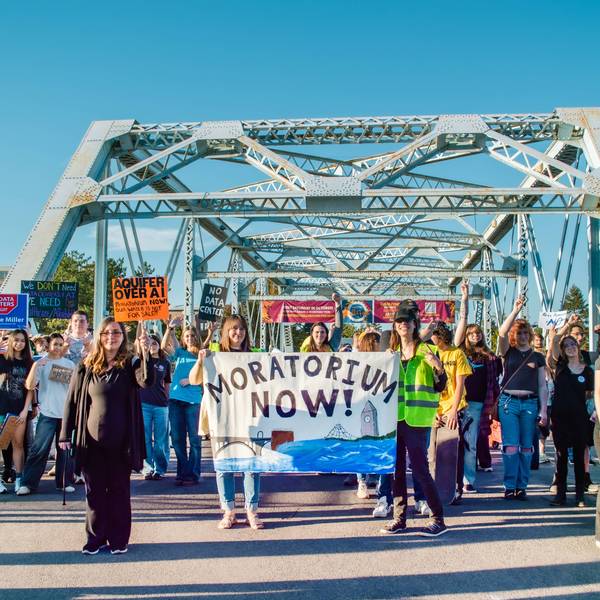
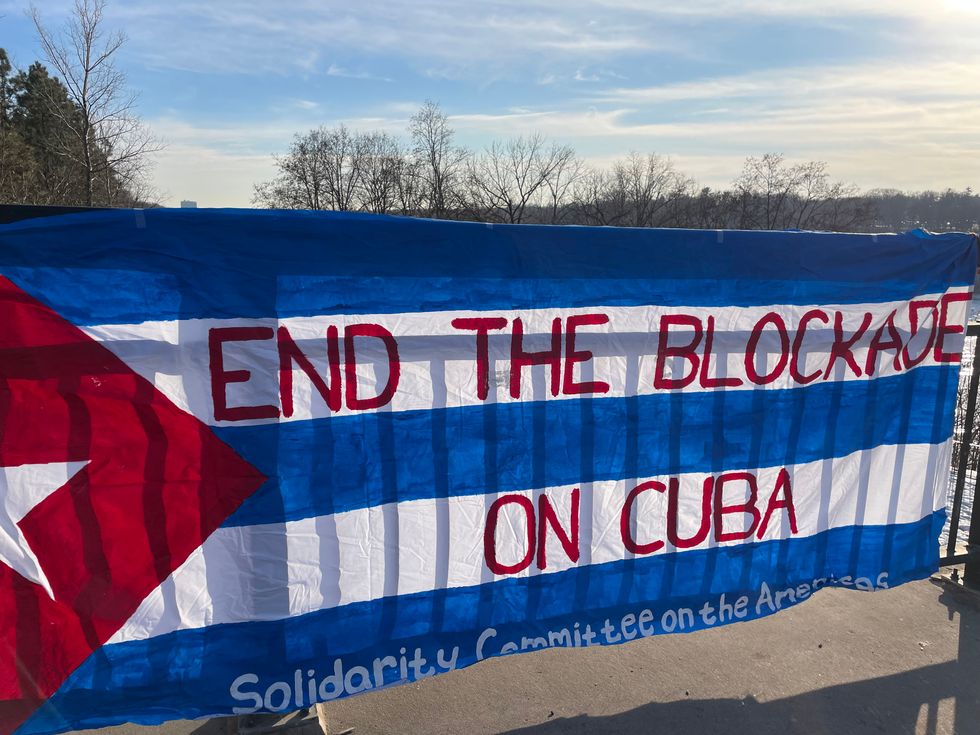 People in Minneapolis, Minnesota hold up a banner in support of Cuba. (Photo by Ann Wright)
While ICE raids are the main focus of citizens of Minneapolis-St. Paul, they are still active in other issues. They have not forgotten Cuba and Palestine, among many issues, with weekly bridge bannering on Wednesday and Friday afternoons… after a day filled with protest of ICE!
Minnesota NICE—It Surely IS, Despite all the Challenges!
Last week I was in Minneapolis, Minnesota to observe and learn from those who have attempted to protect members of their community from the brutal assaults by Immigration and Customs Enforcement and other government agencies and hold those agencies accountable for the violence they are wrecking on the community.
ICE in Minneapolis: From Surge to “Surrender (Kind of)”
The Trump administration’s decision to surge 2,000 ICE and Border Patrol agents into Minneapolis to uphold White House Deputy Chief of Staff Steven Miller’s directive for the arrest in the US of 3,000 persons each day to teach immigrants, and everyone in the US a lesson, backfired as the actions of the federal agents in Minneapolis outraged the city, state, and nation.
Due to community pressure and noncompliance with the violent attempts by ICE agents to force capitulation by the community and the lawlessness of the masked agents, caught on video by bystanders in busting doors to homes, smashing car windows, and beating up and murdering two Minneapolis residents eventually forced the Trump administration to replace the well-known, mean-spirited Gregory Bovino and bring in “border czar” Tom Homan who very quickly reduced the number of ICE agents in Minneapolis by one-third and required the agents to wear body cameras.
“I Can’t Breathe” Organizing in Minneapolis Six Years Ago With the Horrific Murder of George Floyd Prepared the Community
A memorial is shown for George Floyd in Minneapolis, Minnesota. (Photo by Ann Wright)
Community organizing began six years ago with the community response to the horrific murder of George Floyd. The protests and vigils for George Floyd in Minneapolis and around the world brought attention to the continuing targeting of African Americans for minor incidents that the police escalated into “I Can’t Breathe” and death.
To this day, each day for six years, a group from the community meets at 8:00 am at George Floyd Square located across the street from the Memorial over coffee to discuss the previous day’s events and the organizing needed for that day. There are several persons who are at the Square each day who can provide to a newcomer the historical context for the treatment by police of African Americans, Native Americans, and immigrants in the Minneapolis area.
Others arriving may be unhoused who are needing a cup of coffee and a doughnut for breakfast or some “new clothing” from the donations that are located inside a city bus stop shelter located at the square. By 9:30 am, the group has disbursed: some left quickly after 8:00 am to take kids to school or to go to work, others to continue work on community mutual aid projects.
Block by Block Community Organizing
Veterans for Peace mobilize against ICE in Minneapolis, Minnesota. (Photo by Ann Wright)
In speaking with residents in several parts of Minneapolis, beautiful stories of organizing on a block-by-block level emerged! Residents got to know those who lived on the same block. Everyone had a whistle to alert the neighborhood that suspicious cars were in the area. Those residents who were not targeted by ICE, generally Caucasian, came out on the streets to find out what was happening and ready to record ICE actions. They began doing grocery shopping for those fearful of leaving their homes, taking kids to school, picking them up from school, and taking people to medical appointments.
The Minneapolis friend who housed us for this visit usually has at least two things per day that she was doing for immigrants in her neighborhood. Others in teams of two or three stand outside businesses that ICE might target, with the businesses thanking the volunteers by providing coffee and snacks.
Other volunteers in their personal cars follow vehicles that they suspect may be driven by ICE agents. Many of these volunteers have been physically assaulted by ICE agents who stop the volunteers, damage their cars, take their license plate numbers, find out the addresses of the volunteers, and then harass them at their homes.
Minnesota “Nice” has turned into “F**k ICE.”
The Veterans For Peace (VFP) chapter in Minneapolis has a Rapid Response team composed of veteran volunteers from around the country that has provided a presence in various parts of the city. In an article by VFP board member Gerry Condon, he relates: “Younger Post-9/11 veterans have taken the lead. They have been patrolling in at-risk neighborhoods, monitoring for agitators, deescalating situations at protests, and training people how to stop bleeding. At least four veterans have been arrested while peacefully protesting but have been released without charges.”
These types of community volunteering happen every day all over the city, including a team of carpenters who replace doors that ICE has knocked down when entering a residence, to a team of tow truck operators who return a vehicle that occupants have been kidnapped from to the residence of the person—free of charge.
Many of these stories, organizations, and actions are chronicled in the website: Stand With Minnesota.
Challenging ICE at the Whipple Federal Building
Every day hundreds come to the Whipple immigrant court and detention building located in south Minneapolis. ICE agents mobilize in the huge parking lot with hundreds of rental cars and drive out to terrorize the community and bring those arrested into the Whipple facility before sending them to other detention locations.
Volunteers with megaphones speak their minds to the departing ICE agents with the most “F” words I have ever heard in all my life!!! Spontaneous “F**k ICE” chants erupt everywhere—from the entire audience in a recent Minneapolis hockey game to whenever Minneapolis residents meet on a street corner.
Minnesota “Nice” has turned into “F**k ICE.”
ICE put up tall fences on both sides of the roadway used for departure. In one remarkable action, community members threw dildos over the fences at ICE cars because they were such “dicks.”
Due to AI and facial recognition devices used by ICE, most who go to Whipple wear masks and leave their phones in their cars.
Volunteers Help Detainees Released in the Middle of the Night with No Coats, Phones
Another group of volunteers formed “Haven Watch” to provide 24-hour-a-day coverage for those who have been detained and subsequently allowed to leave Whipple. Generally, they are released from the detention facility at night, with no coats and sometimes no shoes, in the bitter cold with no phones to call for help. The volunteers provide warm drinks and food, clothing, a phone, and a ride home.
The Murders of Renee Good and Alex Pretti: Retaliation for challenging ICE Can Be Swift and Brutal
A memorial to Renee Good is shown in Minneapolis, Minnesota. (Photo by Ann Wright)
Hundreds of people visit the memorials each day of Renee Good and Alex Pretti. New flowers, photos, poems, and statements are placed at the site where each was murdered by ICE agents. We have all seen the videos of ICE agent Jonathan Ross shooting mother of three Renee Good in her car on January 7, 2026 and of Border Patrol agent Jesus Ochoa and Customs and Border Protection officer Raymundo Gutierrez murdering Veterans Affairs ICU nurse Alex Pretti on January 24, 2026 as five of them pinned Alex on the ground.
President Donald Trump, Homeland Security Secretary Kristi Noem, and other administration officials' attempts to characterize both Good and Pretti as terrorists backfired badly as videos of the federal agents murdering them emerged.
The allegations against four others shot by federal immigration agents unraveled in court with little publicity.
Before Trump officials declared Renee Good and Alex Pretti at fault for instigating violence before they were killed, the administration’s allegations against four others shot at by federal immigration agents quietly unraveled in court. There have been 16 shootings by on-duty federal immigration agents patrolling in US cities and towns over the past year, including those that took the lives of Minnesota protesters Renee Good and Alex Pretti.
Continuing Historic Violence in Minnesota: Vigil and March for Disappeared and Murdered Native American Women
Crowds gather outside the Minneapolis American Indian Center. (Photo by Ann Wright)
ICE violence is not the only type of violence in Minnesota. Saturday, February 14, 2026 we went to the Minneapolis American Indian Center to participate in the Missing and Murdered Indigenous Relatives Day of Remembrance, which is held each February 14, to bring awareness to the epidemic of Indigenous people who have gone missing or have been murdered.
Startling data collected by the state of Minnesota is evidence that Indigenous people are a high percentage of the state’s missing person cases.
The Minnesota state Bureau of Criminal Apprehension reports that 732 Indigenous persons went missing in Minnesota in 2025, more than 64% of whom were women. In 2025, the average number of Indigenous people in Minnesota who were missing on any one day was 63, according to the BCA.
According to 2024 data, American Indians accounted for more than 4% of all reported victims of homicide or nonnegligent manslaughter in Minnesota, despite American Indians making up only a little more than 1% of the population.
Many Issues of Minneapolis-St. Paul
People in Minneapolis, Minnesota hold up a banner in support of Cuba. (Photo by Ann Wright)
While ICE raids are the main focus of citizens of Minneapolis-St. Paul, they are still active in other issues. They have not forgotten Cuba and Palestine, among many issues, with weekly bridge bannering on Wednesday and Friday afternoons… after a day filled with protest of ICE!
Minnesota NICE—It Surely IS, Despite all the Challenges!
Last week I was in Minneapolis, Minnesota to observe and learn from those who have attempted to protect members of their community from the brutal assaults by Immigration and Customs Enforcement and other government agencies and hold those agencies accountable for the violence they are wrecking on the community.
ICE in Minneapolis: From Surge to “Surrender (Kind of)”
The Trump administration’s decision to surge 2,000 ICE and Border Patrol agents into Minneapolis to uphold White House Deputy Chief of Staff Steven Miller’s directive for the arrest in the US of 3,000 persons each day to teach immigrants, and everyone in the US a lesson, backfired as the actions of the federal agents in Minneapolis outraged the city, state, and nation.
Due to community pressure and noncompliance with the violent attempts by ICE agents to force capitulation by the community and the lawlessness of the masked agents, caught on video by bystanders in busting doors to homes, smashing car windows, and beating up and murdering two Minneapolis residents eventually forced the Trump administration to replace the well-known, mean-spirited Gregory Bovino and bring in “border czar” Tom Homan who very quickly reduced the number of ICE agents in Minneapolis by one-third and required the agents to wear body cameras.
“I Can’t Breathe” Organizing in Minneapolis Six Years Ago With the Horrific Murder of George Floyd Prepared the Community
A memorial is shown for George Floyd in Minneapolis, Minnesota. (Photo by Ann Wright)
Community organizing began six years ago with the community response to the horrific murder of George Floyd. The protests and vigils for George Floyd in Minneapolis and around the world brought attention to the continuing targeting of African Americans for minor incidents that the police escalated into “I Can’t Breathe” and death.
To this day, each day for six years, a group from the community meets at 8:00 am at George Floyd Square located across the street from the Memorial over coffee to discuss the previous day’s events and the organizing needed for that day. There are several persons who are at the Square each day who can provide to a newcomer the historical context for the treatment by police of African Americans, Native Americans, and immigrants in the Minneapolis area.
Others arriving may be unhoused who are needing a cup of coffee and a doughnut for breakfast or some “new clothing” from the donations that are located inside a city bus stop shelter located at the square. By 9:30 am, the group has disbursed: some left quickly after 8:00 am to take kids to school or to go to work, others to continue work on community mutual aid projects.
Block by Block Community Organizing
Veterans for Peace mobilize against ICE in Minneapolis, Minnesota. (Photo by Ann Wright)
In speaking with residents in several parts of Minneapolis, beautiful stories of organizing on a block-by-block level emerged! Residents got to know those who lived on the same block. Everyone had a whistle to alert the neighborhood that suspicious cars were in the area. Those residents who were not targeted by ICE, generally Caucasian, came out on the streets to find out what was happening and ready to record ICE actions. They began doing grocery shopping for those fearful of leaving their homes, taking kids to school, picking them up from school, and taking people to medical appointments.
The Minneapolis friend who housed us for this visit usually has at least two things per day that she was doing for immigrants in her neighborhood. Others in teams of two or three stand outside businesses that ICE might target, with the businesses thanking the volunteers by providing coffee and snacks.
Other volunteers in their personal cars follow vehicles that they suspect may be driven by ICE agents. Many of these volunteers have been physically assaulted by ICE agents who stop the volunteers, damage their cars, take their license plate numbers, find out the addresses of the volunteers, and then harass them at their homes.
Minnesota “Nice” has turned into “F**k ICE.”
The Veterans For Peace (VFP) chapter in Minneapolis has a Rapid Response team composed of veteran volunteers from around the country that has provided a presence in various parts of the city. In an article by VFP board member Gerry Condon, he relates: “Younger Post-9/11 veterans have taken the lead. They have been patrolling in at-risk neighborhoods, monitoring for agitators, deescalating situations at protests, and training people how to stop bleeding. At least four veterans have been arrested while peacefully protesting but have been released without charges.”
These types of community volunteering happen every day all over the city, including a team of carpenters who replace doors that ICE has knocked down when entering a residence, to a team of tow truck operators who return a vehicle that occupants have been kidnapped from to the residence of the person—free of charge.
Many of these stories, organizations, and actions are chronicled in the website: Stand With Minnesota.
Challenging ICE at the Whipple Federal Building
Every day hundreds come to the Whipple immigrant court and detention building located in south Minneapolis. ICE agents mobilize in the huge parking lot with hundreds of rental cars and drive out to terrorize the community and bring those arrested into the Whipple facility before sending them to other detention locations.
Volunteers with megaphones speak their minds to the departing ICE agents with the most “F” words I have ever heard in all my life!!! Spontaneous “F**k ICE” chants erupt everywhere—from the entire audience in a recent Minneapolis hockey game to whenever Minneapolis residents meet on a street corner.
Minnesota “Nice” has turned into “F**k ICE.”
ICE put up tall fences on both sides of the roadway used for departure. In one remarkable action, community members threw dildos over the fences at ICE cars because they were such “dicks.”
Due to AI and facial recognition devices used by ICE, most who go to Whipple wear masks and leave their phones in their cars.
Volunteers Help Detainees Released in the Middle of the Night with No Coats, Phones
Another group of volunteers formed “Haven Watch” to provide 24-hour-a-day coverage for those who have been detained and subsequently allowed to leave Whipple. Generally, they are released from the detention facility at night, with no coats and sometimes no shoes, in the bitter cold with no phones to call for help. The volunteers provide warm drinks and food, clothing, a phone, and a ride home.
The Murders of Renee Good and Alex Pretti: Retaliation for challenging ICE Can Be Swift and Brutal
A memorial to Renee Good is shown in Minneapolis, Minnesota. (Photo by Ann Wright)
Hundreds of people visit the memorials each day of Renee Good and Alex Pretti. New flowers, photos, poems, and statements are placed at the site where each was murdered by ICE agents. We have all seen the videos of ICE agent Jonathan Ross shooting mother of three Renee Good in her car on January 7, 2026 and of Border Patrol agent Jesus Ochoa and Customs and Border Protection officer Raymundo Gutierrez murdering Veterans Affairs ICU nurse Alex Pretti on January 24, 2026 as five of them pinned Alex on the ground.
President Donald Trump, Homeland Security Secretary Kristi Noem, and other administration officials' attempts to characterize both Good and Pretti as terrorists backfired badly as videos of the federal agents murdering them emerged.
The allegations against four others shot by federal immigration agents unraveled in court with little publicity.
Before Trump officials declared Renee Good and Alex Pretti at fault for instigating violence before they were killed, the administration’s allegations against four others shot at by federal immigration agents quietly unraveled in court. There have been 16 shootings by on-duty federal immigration agents patrolling in US cities and towns over the past year, including those that took the lives of Minnesota protesters Renee Good and Alex Pretti.
Continuing Historic Violence in Minnesota: Vigil and March for Disappeared and Murdered Native American Women
Crowds gather outside the Minneapolis American Indian Center. (Photo by Ann Wright)
ICE violence is not the only type of violence in Minnesota. Saturday, February 14, 2026 we went to the Minneapolis American Indian Center to participate in the Missing and Murdered Indigenous Relatives Day of Remembrance, which is held each February 14, to bring awareness to the epidemic of Indigenous people who have gone missing or have been murdered.
Startling data collected by the state of Minnesota is evidence that Indigenous people are a high percentage of the state’s missing person cases.
The Minnesota state Bureau of Criminal Apprehension reports that 732 Indigenous persons went missing in Minnesota in 2025, more than 64% of whom were women. In 2025, the average number of Indigenous people in Minnesota who were missing on any one day was 63, according to the BCA.
According to 2024 data, American Indians accounted for more than 4% of all reported victims of homicide or nonnegligent manslaughter in Minnesota, despite American Indians making up only a little more than 1% of the population.
Many Issues of Minneapolis-St. Paul
People in Minneapolis, Minnesota hold up a banner in support of Cuba. (Photo by Ann Wright)
While ICE raids are the main focus of citizens of Minneapolis-St. Paul, they are still active in other issues. They have not forgotten Cuba and Palestine, among many issues, with weekly bridge bannering on Wednesday and Friday afternoons… after a day filled with protest of ICE!
Minnesota NICE—It Surely IS, Despite all the Challenges!