SUBSCRIBE TO OUR FREE NEWSLETTER
Daily news & progressive opinion—funded by the people, not the corporations—delivered straight to your inbox.
5
#000000
#FFFFFF
To donate by check, phone, or other method, see our More Ways to Give page.
Daily news & progressive opinion—funded by the people, not the corporations—delivered straight to your inbox.
Long before September 2, Pete Hegseth had systematically dismantled the guardrails that prevented him and his subordinates from committing war crimes.
On Friday, November 28, the Washington Post reported that when the US military began attacking small boats in the Caribbean, Defense Secretary Pete Hegseth had issued a verbal order that it should “kill everybody.”
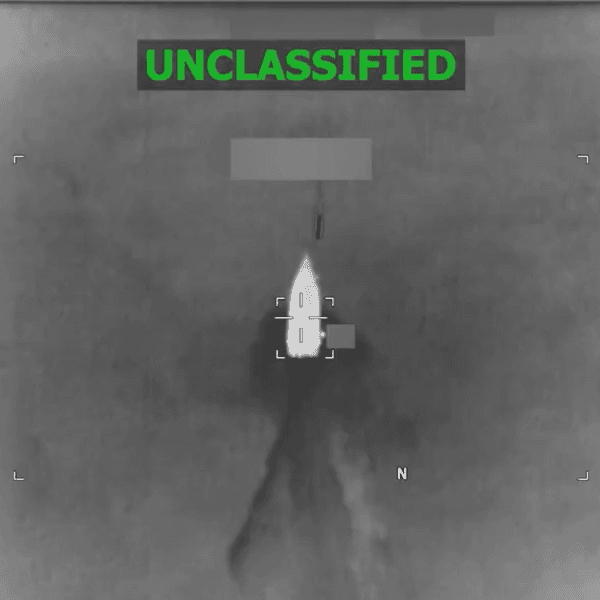
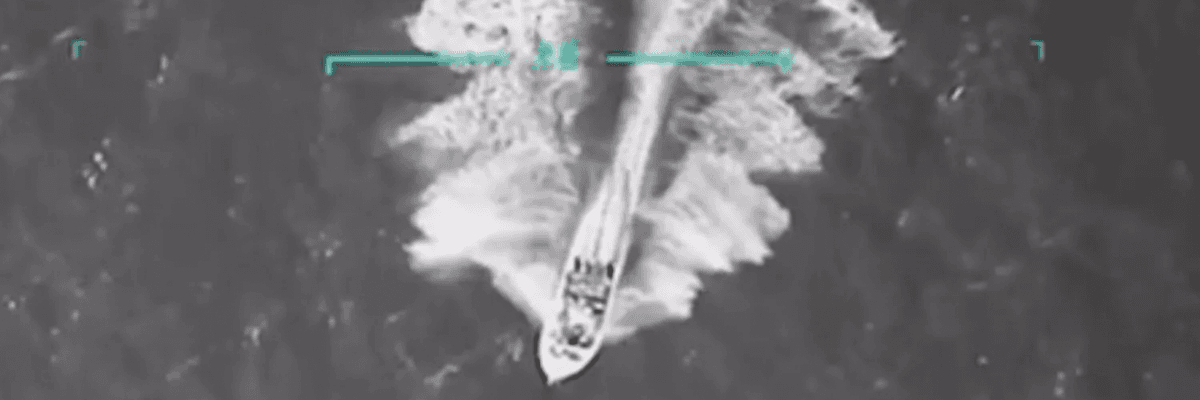
When the first attack occurred on September 2, the initial missile strike destroyed the boat but left two survivors clinging to the wreckage. To comply with Hegseth’s order, Admiral Frank M. “Mitch” Bradley authorized a second strike that killed them.
If true, it’s a war crime.
Hegseth called the Post’s reporting "fabricated, inflammatory, and derogatory," claiming that the drug-smuggling operations were "lawful under both US and international law."
Then the doubletalk began.
On November 30, President Donald Trump weighed in.
“He did not say that,” Trump said of Hegseth’s reported order, “and I believe him 100%.”
Perhaps sensing a war crime when he sees one, Trump added, “I wouldn't have wanted that. Not a second strike. The first strike was very lethal. It was fine, and if there were two people around, but Pete said that didn't happen.”
Hegseth should know. The day after the attack, he told Fox & Friends that he’d watched the operation live.
On Monday, December 1, White House spokesperson, Karoline Leavitt, admitted that the second strike occurred, but denied that Hegseth said “kill everybody.” She identified Admiral Bradley as the trigger man for the second strike.
That evening, the New York Times reported that five US officials speaking anonymously said that Hegseth “ahead of the September 2 attack, ordered a strike that would kill people on the boat and destroy the vessel and its purported cargo of drugs.” But, the Times continued, “Hegseth’s directive did not specifically address what should happen if a first missile turned out not to fully accomplish all of those things. And, the officials said, his order was not a response to surveillance footage showing that at least two people on the boat survived the first blast.”
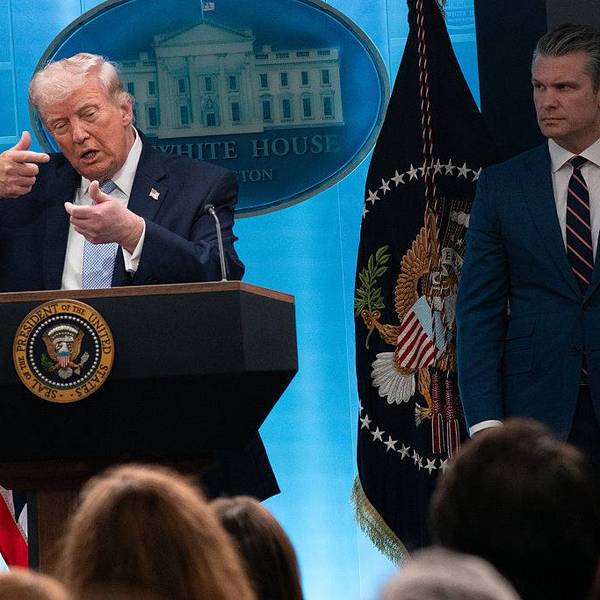
During Trump’s appearance with the cabinet on December 2, Hegseth asserted that he actually hadn’t watched the second strike and wasn’t even in the room when Bradley ordered it. After throwing the distinguished admiral under the bus, Hegseth said that Bradley had adhered to the laws of war.
In the end, Trump and Hegseth reverted to their original justification for the entire boat-bombing operation: The drug smugglers are “narco-terrorists” engaged in armed combat with the United States and its allies. According to this unsupported claim, the cartels aren’t smuggling drugs just to make money. They’re in business to finance terrorism aimed at US allies.
Most legal scholars don’t buy it. Even drug runners are civilians and therefore not appropriate military targets. But Trump claims the right to order the summary executions without providing evidence of their crimes or the pretense of due process. In his view, civilians are “collateral damage” as the nation exercises its right of self-defense. But even under Trump’s strained reasoning, strike survivors would be prisoners of war.
The controversy over who ordered what misses a fundamental point: Hegseth’s incompetence is the real story. The second attack resulted from either his direct order (“kill everybody”) or ambiguity in whatever order he gave.
Hegseth’s prior actions created the environment for disaster. Long before September 2, he had systematically dismantled the guardrails that prevented him and his subordinates from committing war crimes.
Beginning in February 2025: Over the next 10 months, Hegseth purged or sidelined two dozen of the nation’s most experienced generals and admirals.
February 2025: Hegseth fired the top lawyers for the Army, Navy, and Air Force. These senior judge advocates general (“JAGs”) provide independent legal advice to top military officers so that they do not run afoul of US law or the laws of armed conflict. At the time, Hegseth said that he was removing “roadblocks to orders that are given by a commander in chief.”
August 2025: According to NBC News, the senior judge advocate general for the US Southern Command overseeing the strikes on alleged drug-smuggling boats disagreed with Trump’s position that the operations were lawful. A Pentagon spokesperson denied the report.
September 2: The US conducted its first attack.
September 16: Increasingly, legal experts questioned the justification for Trump’s boat attacks. For example, John Yoo, former deputy attorney general under President George W. Bush and author of the legal rationale for enhanced interrogation techniques against suspected al Qaeda terrorists, said, “[T]he administration needs to make a stronger case than it’s been making so far about why the law should consider cartels to be enemies of war.”
October 16: US military forces attacked another small boat in the Caribbean, but this time two survivors were taken into custody and repatriated to their respective countries, Colombia and Ecuador.
The same day and only a year into his three-year appointment as head of the US Southern Command overseeing all operations in Central and South America, Admiral Alvin Holsey stepped down from his position. Holsey reportedly expressed concerns about the escalating boat attacks.
While seeking to justify lethal attacks on small boats in the Caribbean as a war on narco-terrorists, on December 1, Trump pardoned one of the most prominent narcotics smugglers in the world—former Honduras President Juan Orlando Hernández. He had been serving a 45-year sentence for drug trafficking and weapons charges. According to court documents, from at least in or about 2004, up to and including in or about 2022, Hernández was at the center of one of the largest and most violent drug-trafficking conspiracies in the world.
Trump claimed that Hernández was the victim of political persecution. If so, Trump’s first administration was among the persecutors. In 2013, the Justice Department began an investigation into Hernández that continued during Trump’s entire first term. One of the prosecutors was Emil Bove III, who went on to become Trump’s Justice Department hatchet man in the second Trump administration before his lifetime appointment as a federal appellate judge.
Hernández was engaged in the very activities that Trump now uses to justify killing suspected drug smugglers. But Hernández got due process, a trial, and a sentence that would have put him in prison for the rest of his life—until Trump pardoned him.
Contrast Hernández freedom with the fate of Any Lucía López Belloza, a 19-year-old Babson College student. Twelve years ago, her family fled the violence, crime, and economic stagnation of Honduras under Hernández’s rule. On November 20, 2025, while preparing to board a plane in Boston to go home for Thanksgiving, Immigration and Customs Enforcement agents arrested her.
Belloza’s lawyer said that on November 21, a federal judge ordered that she could not be deported while her case was pending. But after spending the night in a Texas detention center, on November 22 agents shackled her wrist, waist, and ankles and put her on a flight to Honduras.
She doesn’t know if or when she will return to the United States.
Dear Common Dreams reader, It’s been nearly 30 years since I co-founded Common Dreams with my late wife, Lina Newhouser. We had the radical notion that journalism should serve the public good, not corporate profits. It was clear to us from the outset what it would take to build such a project. No paid advertisements. No corporate sponsors. No millionaire publisher telling us what to think or do. Many people said we wouldn't last a year, but we proved those doubters wrong. Together with a tremendous team of journalists and dedicated staff, we built an independent media outlet free from the constraints of profits and corporate control. Our mission has always been simple: To inform. To inspire. To ignite change for the common good. Building Common Dreams was not easy. Our survival was never guaranteed. When you take on the most powerful forces—Wall Street greed, fossil fuel industry destruction, Big Tech lobbyists, and uber-rich oligarchs who have spent billions upon billions rigging the economy and democracy in their favor—the only bulwark you have is supporters who believe in your work. But here’s the urgent message from me today. It's never been this bad out there. And it's never been this hard to keep us going. At the very moment Common Dreams is most needed, the threats we face are intensifying. We need your support now more than ever. We don't accept corporate advertising and never will. We don't have a paywall because we don't think people should be blocked from critical news based on their ability to pay. Everything we do is funded by the donations of readers like you. When everyone does the little they can afford, we are strong. But if that support retreats or dries up, so do we. Will you donate now to make sure Common Dreams not only survives but thrives? —Craig Brown, Co-founder |
On Friday, November 28, the Washington Post reported that when the US military began attacking small boats in the Caribbean, Defense Secretary Pete Hegseth had issued a verbal order that it should “kill everybody.”
When the first attack occurred on September 2, the initial missile strike destroyed the boat but left two survivors clinging to the wreckage. To comply with Hegseth’s order, Admiral Frank M. “Mitch” Bradley authorized a second strike that killed them.
If true, it’s a war crime.
Hegseth called the Post’s reporting "fabricated, inflammatory, and derogatory," claiming that the drug-smuggling operations were "lawful under both US and international law."
Then the doubletalk began.
On November 30, President Donald Trump weighed in.
“He did not say that,” Trump said of Hegseth’s reported order, “and I believe him 100%.”
Perhaps sensing a war crime when he sees one, Trump added, “I wouldn't have wanted that. Not a second strike. The first strike was very lethal. It was fine, and if there were two people around, but Pete said that didn't happen.”
Hegseth should know. The day after the attack, he told Fox & Friends that he’d watched the operation live.
On Monday, December 1, White House spokesperson, Karoline Leavitt, admitted that the second strike occurred, but denied that Hegseth said “kill everybody.” She identified Admiral Bradley as the trigger man for the second strike.
That evening, the New York Times reported that five US officials speaking anonymously said that Hegseth “ahead of the September 2 attack, ordered a strike that would kill people on the boat and destroy the vessel and its purported cargo of drugs.” But, the Times continued, “Hegseth’s directive did not specifically address what should happen if a first missile turned out not to fully accomplish all of those things. And, the officials said, his order was not a response to surveillance footage showing that at least two people on the boat survived the first blast.”
During Trump’s appearance with the cabinet on December 2, Hegseth asserted that he actually hadn’t watched the second strike and wasn’t even in the room when Bradley ordered it. After throwing the distinguished admiral under the bus, Hegseth said that Bradley had adhered to the laws of war.
In the end, Trump and Hegseth reverted to their original justification for the entire boat-bombing operation: The drug smugglers are “narco-terrorists” engaged in armed combat with the United States and its allies. According to this unsupported claim, the cartels aren’t smuggling drugs just to make money. They’re in business to finance terrorism aimed at US allies.
Most legal scholars don’t buy it. Even drug runners are civilians and therefore not appropriate military targets. But Trump claims the right to order the summary executions without providing evidence of their crimes or the pretense of due process. In his view, civilians are “collateral damage” as the nation exercises its right of self-defense. But even under Trump’s strained reasoning, strike survivors would be prisoners of war.
The controversy over who ordered what misses a fundamental point: Hegseth’s incompetence is the real story. The second attack resulted from either his direct order (“kill everybody”) or ambiguity in whatever order he gave.
Hegseth’s prior actions created the environment for disaster. Long before September 2, he had systematically dismantled the guardrails that prevented him and his subordinates from committing war crimes.
Beginning in February 2025: Over the next 10 months, Hegseth purged or sidelined two dozen of the nation’s most experienced generals and admirals.
February 2025: Hegseth fired the top lawyers for the Army, Navy, and Air Force. These senior judge advocates general (“JAGs”) provide independent legal advice to top military officers so that they do not run afoul of US law or the laws of armed conflict. At the time, Hegseth said that he was removing “roadblocks to orders that are given by a commander in chief.”
August 2025: According to NBC News, the senior judge advocate general for the US Southern Command overseeing the strikes on alleged drug-smuggling boats disagreed with Trump’s position that the operations were lawful. A Pentagon spokesperson denied the report.
September 2: The US conducted its first attack.
September 16: Increasingly, legal experts questioned the justification for Trump’s boat attacks. For example, John Yoo, former deputy attorney general under President George W. Bush and author of the legal rationale for enhanced interrogation techniques against suspected al Qaeda terrorists, said, “[T]he administration needs to make a stronger case than it’s been making so far about why the law should consider cartels to be enemies of war.”
October 16: US military forces attacked another small boat in the Caribbean, but this time two survivors were taken into custody and repatriated to their respective countries, Colombia and Ecuador.
The same day and only a year into his three-year appointment as head of the US Southern Command overseeing all operations in Central and South America, Admiral Alvin Holsey stepped down from his position. Holsey reportedly expressed concerns about the escalating boat attacks.
While seeking to justify lethal attacks on small boats in the Caribbean as a war on narco-terrorists, on December 1, Trump pardoned one of the most prominent narcotics smugglers in the world—former Honduras President Juan Orlando Hernández. He had been serving a 45-year sentence for drug trafficking and weapons charges. According to court documents, from at least in or about 2004, up to and including in or about 2022, Hernández was at the center of one of the largest and most violent drug-trafficking conspiracies in the world.
Trump claimed that Hernández was the victim of political persecution. If so, Trump’s first administration was among the persecutors. In 2013, the Justice Department began an investigation into Hernández that continued during Trump’s entire first term. One of the prosecutors was Emil Bove III, who went on to become Trump’s Justice Department hatchet man in the second Trump administration before his lifetime appointment as a federal appellate judge.
Hernández was engaged in the very activities that Trump now uses to justify killing suspected drug smugglers. But Hernández got due process, a trial, and a sentence that would have put him in prison for the rest of his life—until Trump pardoned him.
Contrast Hernández freedom with the fate of Any Lucía López Belloza, a 19-year-old Babson College student. Twelve years ago, her family fled the violence, crime, and economic stagnation of Honduras under Hernández’s rule. On November 20, 2025, while preparing to board a plane in Boston to go home for Thanksgiving, Immigration and Customs Enforcement agents arrested her.
Belloza’s lawyer said that on November 21, a federal judge ordered that she could not be deported while her case was pending. But after spending the night in a Texas detention center, on November 22 agents shackled her wrist, waist, and ankles and put her on a flight to Honduras.
She doesn’t know if or when she will return to the United States.
On Friday, November 28, the Washington Post reported that when the US military began attacking small boats in the Caribbean, Defense Secretary Pete Hegseth had issued a verbal order that it should “kill everybody.”
When the first attack occurred on September 2, the initial missile strike destroyed the boat but left two survivors clinging to the wreckage. To comply with Hegseth’s order, Admiral Frank M. “Mitch” Bradley authorized a second strike that killed them.
If true, it’s a war crime.
Hegseth called the Post’s reporting "fabricated, inflammatory, and derogatory," claiming that the drug-smuggling operations were "lawful under both US and international law."
Then the doubletalk began.
On November 30, President Donald Trump weighed in.
“He did not say that,” Trump said of Hegseth’s reported order, “and I believe him 100%.”
Perhaps sensing a war crime when he sees one, Trump added, “I wouldn't have wanted that. Not a second strike. The first strike was very lethal. It was fine, and if there were two people around, but Pete said that didn't happen.”
Hegseth should know. The day after the attack, he told Fox & Friends that he’d watched the operation live.
On Monday, December 1, White House spokesperson, Karoline Leavitt, admitted that the second strike occurred, but denied that Hegseth said “kill everybody.” She identified Admiral Bradley as the trigger man for the second strike.
That evening, the New York Times reported that five US officials speaking anonymously said that Hegseth “ahead of the September 2 attack, ordered a strike that would kill people on the boat and destroy the vessel and its purported cargo of drugs.” But, the Times continued, “Hegseth’s directive did not specifically address what should happen if a first missile turned out not to fully accomplish all of those things. And, the officials said, his order was not a response to surveillance footage showing that at least two people on the boat survived the first blast.”
During Trump’s appearance with the cabinet on December 2, Hegseth asserted that he actually hadn’t watched the second strike and wasn’t even in the room when Bradley ordered it. After throwing the distinguished admiral under the bus, Hegseth said that Bradley had adhered to the laws of war.
In the end, Trump and Hegseth reverted to their original justification for the entire boat-bombing operation: The drug smugglers are “narco-terrorists” engaged in armed combat with the United States and its allies. According to this unsupported claim, the cartels aren’t smuggling drugs just to make money. They’re in business to finance terrorism aimed at US allies.
Most legal scholars don’t buy it. Even drug runners are civilians and therefore not appropriate military targets. But Trump claims the right to order the summary executions without providing evidence of their crimes or the pretense of due process. In his view, civilians are “collateral damage” as the nation exercises its right of self-defense. But even under Trump’s strained reasoning, strike survivors would be prisoners of war.
The controversy over who ordered what misses a fundamental point: Hegseth’s incompetence is the real story. The second attack resulted from either his direct order (“kill everybody”) or ambiguity in whatever order he gave.
Hegseth’s prior actions created the environment for disaster. Long before September 2, he had systematically dismantled the guardrails that prevented him and his subordinates from committing war crimes.
Beginning in February 2025: Over the next 10 months, Hegseth purged or sidelined two dozen of the nation’s most experienced generals and admirals.
February 2025: Hegseth fired the top lawyers for the Army, Navy, and Air Force. These senior judge advocates general (“JAGs”) provide independent legal advice to top military officers so that they do not run afoul of US law or the laws of armed conflict. At the time, Hegseth said that he was removing “roadblocks to orders that are given by a commander in chief.”
August 2025: According to NBC News, the senior judge advocate general for the US Southern Command overseeing the strikes on alleged drug-smuggling boats disagreed with Trump’s position that the operations were lawful. A Pentagon spokesperson denied the report.
September 2: The US conducted its first attack.
September 16: Increasingly, legal experts questioned the justification for Trump’s boat attacks. For example, John Yoo, former deputy attorney general under President George W. Bush and author of the legal rationale for enhanced interrogation techniques against suspected al Qaeda terrorists, said, “[T]he administration needs to make a stronger case than it’s been making so far about why the law should consider cartels to be enemies of war.”
October 16: US military forces attacked another small boat in the Caribbean, but this time two survivors were taken into custody and repatriated to their respective countries, Colombia and Ecuador.
The same day and only a year into his three-year appointment as head of the US Southern Command overseeing all operations in Central and South America, Admiral Alvin Holsey stepped down from his position. Holsey reportedly expressed concerns about the escalating boat attacks.
While seeking to justify lethal attacks on small boats in the Caribbean as a war on narco-terrorists, on December 1, Trump pardoned one of the most prominent narcotics smugglers in the world—former Honduras President Juan Orlando Hernández. He had been serving a 45-year sentence for drug trafficking and weapons charges. According to court documents, from at least in or about 2004, up to and including in or about 2022, Hernández was at the center of one of the largest and most violent drug-trafficking conspiracies in the world.
Trump claimed that Hernández was the victim of political persecution. If so, Trump’s first administration was among the persecutors. In 2013, the Justice Department began an investigation into Hernández that continued during Trump’s entire first term. One of the prosecutors was Emil Bove III, who went on to become Trump’s Justice Department hatchet man in the second Trump administration before his lifetime appointment as a federal appellate judge.
Hernández was engaged in the very activities that Trump now uses to justify killing suspected drug smugglers. But Hernández got due process, a trial, and a sentence that would have put him in prison for the rest of his life—until Trump pardoned him.
Contrast Hernández freedom with the fate of Any Lucía López Belloza, a 19-year-old Babson College student. Twelve years ago, her family fled the violence, crime, and economic stagnation of Honduras under Hernández’s rule. On November 20, 2025, while preparing to board a plane in Boston to go home for Thanksgiving, Immigration and Customs Enforcement agents arrested her.
Belloza’s lawyer said that on November 21, a federal judge ordered that she could not be deported while her case was pending. But after spending the night in a Texas detention center, on November 22 agents shackled her wrist, waist, and ankles and put her on a flight to Honduras.
She doesn’t know if or when she will return to the United States.