5
#000000
#FFFFFF
To donate by check, phone, or other method, see our More Ways to Give page.
Daily news & progressive opinion—funded by the people, not the corporations—delivered straight to your inbox.
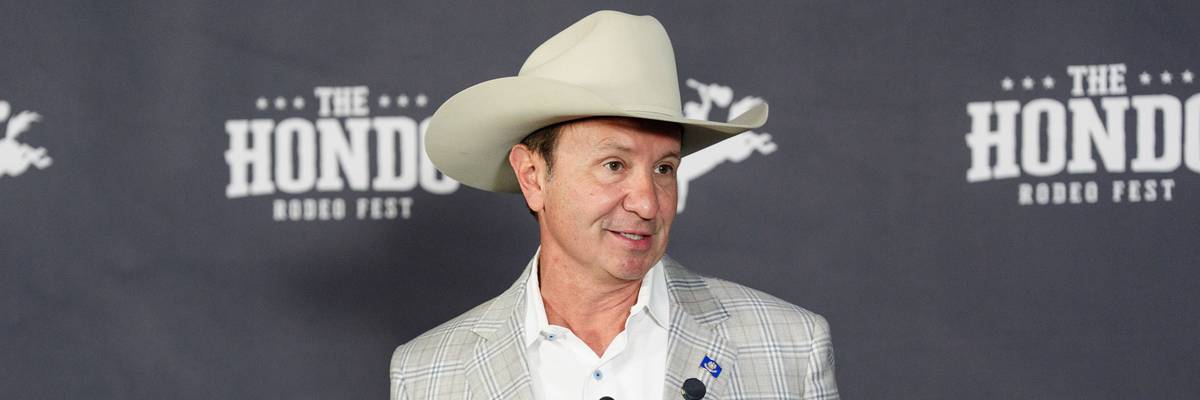
Louisiana Governor Jeff Landry speaks on stage during the Hondo Rodeo Kick-Off Press Conference at Caesars Superdome on April 10, 2026 in New Orleans.
"It’s not a big deal," Landry said after casually announcing that legally cast ballots were "discarded" after he suspended elections.
Louisiana's Republican Gov. Jeff Landry is facing criticism over his blasé admission that tens of thousands of Louisianans would have their legally cast ballots thrown out after he suspended the state's primary elections.
Landry signed an executive order suspending the state's May 16 and June 27 primaries immediately after the US Supreme Court’s landmark decision in late April, which held that the state’s maps guaranteeing districts representing the state's Black residents constituted “an unconstitutional racial gerrymander."
The ruling in Louisiana v. Callais effectively destroyed Section 2 of the 1965 Voting Rights Act and set the stage for the GOP to draw new districts that could totally wipe out the electoral power of Louisiana's Black population, which makes up about one-third of the state, and do the same across the country.
Declaring a "state of emergency," the governor announced that elections were suspended just as early voting was set to begin, leading many to conclude that the right-wing high court's ruling was timed to allow Republicans to maximize their power as they enter this year's midterms.
In an interview with "60 Minutes" on Sunday night, Landry was asked by anchor Cecilia Vega about the unprecedented decision to suspend the election and what would happen to the roughly 45,000 mail ballots cast before the order went into effect.
Landry contended that he had no choice but to suspend the elections because "we don't have a map that our voters can vote on" as a result of the court's ruling.
Vega noted that during times of much greater strife, including "during the Civil War, during two world wars, elections still went on."
"We'll have an election, and we're actually going to have an election on Election Day," Landry responded, in an apparent shot at those who cast their votes early.
"But voting was already happening," Vega said. "More than 45,000 ballots have been returned. What happens to those?"
Landry said, "Those ballots are discarded, and those voters will vote again in November." (Notably, Landry's order does not delay primary elections until November, but until July 15 or whenever the legislature enacts new maps.)
Vega responded with incredulity at the governor's casual acknowledgment that the state would simply throw out tens of thousands of legally cast votes.
“You say that like it’s not a big deal,” she said.
“Well, it’s not a big deal,” Landry responded. “It’s not my fault. If anyone has a grievance, take it to the United States Supreme Court.”
The voting rights-focused news outlet Democracy Docket responded to Landry on social media: "It is a big deal to the 45,000 voters whose ballots you trashed. It’s also your fault."
They echoed the words of Rep. Cleo Fields (D-La.), whose majority Black 6th congressional district in Baton Rouge is expected to be chopped up by the GOP, and who has joined a lawsuit with other candidates hoping to stop Landry's suspension of elections.
“The Supreme Court ruled that the map that you created, that this legislature created, and this governor signed, was illegal,” Fields said to Landry on Monday. "The Supreme Court did not say, ‘Throw away those ballots.’"
The decision to suspend Louisiana’s primary comes amid a multi-pronged assault on voting rights coming from the administration of President Donald Trump, who has himself repeatedly floated the idea of canceling elections and praised Landry for “moving so quickly” to block his constituents from voting.
But many were particularly shocked at Landry's apparent ho-hum attitude toward mass disenfranchisement.
Civil rights attorney and public defender Scott Hechinger marveled at the “governor of Louisiana throwing out 45,000 votes with a smug smirk and a chuckle.”
Dear Common Dreams reader, It’s been nearly 30 years since I co-founded Common Dreams with my late wife, Lina Newhouser. We had the radical notion that journalism should serve the public good, not corporate profits. It was clear to us from the outset what it would take to build such a project. No paid advertisements. No corporate sponsors. No millionaire publisher telling us what to think or do. Many people said we wouldn't last a year, but we proved those doubters wrong. Together with a tremendous team of journalists and dedicated staff, we built an independent media outlet free from the constraints of profits and corporate control. Our mission has always been simple: To inform. To inspire. To ignite change for the common good. Building Common Dreams was not easy. Our survival was never guaranteed. When you take on the most powerful forces—Wall Street greed, fossil fuel industry destruction, Big Tech lobbyists, and uber-rich oligarchs who have spent billions upon billions rigging the economy and democracy in their favor—the only bulwark you have is supporters who believe in your work. But here’s the urgent message from me today. It's never been this bad out there. And it's never been this hard to keep us going. At the very moment Common Dreams is most needed, the threats we face are intensifying. We need your support now more than ever. We don't accept corporate advertising and never will. We don't have a paywall because we don't think people should be blocked from critical news based on their ability to pay. Everything we do is funded by the donations of readers like you. When everyone does the little they can afford, we are strong. But if that support retreats or dries up, so do we. Will you donate now to make sure Common Dreams not only survives but thrives? —Craig Brown, Co-founder |
Louisiana's Republican Gov. Jeff Landry is facing criticism over his blasé admission that tens of thousands of Louisianans would have their legally cast ballots thrown out after he suspended the state's primary elections.
Landry signed an executive order suspending the state's May 16 and June 27 primaries immediately after the US Supreme Court’s landmark decision in late April, which held that the state’s maps guaranteeing districts representing the state's Black residents constituted “an unconstitutional racial gerrymander."
The ruling in Louisiana v. Callais effectively destroyed Section 2 of the 1965 Voting Rights Act and set the stage for the GOP to draw new districts that could totally wipe out the electoral power of Louisiana's Black population, which makes up about one-third of the state, and do the same across the country.
Declaring a "state of emergency," the governor announced that elections were suspended just as early voting was set to begin, leading many to conclude that the right-wing high court's ruling was timed to allow Republicans to maximize their power as they enter this year's midterms.
In an interview with "60 Minutes" on Sunday night, Landry was asked by anchor Cecilia Vega about the unprecedented decision to suspend the election and what would happen to the roughly 45,000 mail ballots cast before the order went into effect.
Landry contended that he had no choice but to suspend the elections because "we don't have a map that our voters can vote on" as a result of the court's ruling.
Vega noted that during times of much greater strife, including "during the Civil War, during two world wars, elections still went on."
"We'll have an election, and we're actually going to have an election on Election Day," Landry responded, in an apparent shot at those who cast their votes early.
"But voting was already happening," Vega said. "More than 45,000 ballots have been returned. What happens to those?"
Landry said, "Those ballots are discarded, and those voters will vote again in November." (Notably, Landry's order does not delay primary elections until November, but until July 15 or whenever the legislature enacts new maps.)
Vega responded with incredulity at the governor's casual acknowledgment that the state would simply throw out tens of thousands of legally cast votes.
“You say that like it’s not a big deal,” she said.
“Well, it’s not a big deal,” Landry responded. “It’s not my fault. If anyone has a grievance, take it to the United States Supreme Court.”
The voting rights-focused news outlet Democracy Docket responded to Landry on social media: "It is a big deal to the 45,000 voters whose ballots you trashed. It’s also your fault."
They echoed the words of Rep. Cleo Fields (D-La.), whose majority Black 6th congressional district in Baton Rouge is expected to be chopped up by the GOP, and who has joined a lawsuit with other candidates hoping to stop Landry's suspension of elections.
“The Supreme Court ruled that the map that you created, that this legislature created, and this governor signed, was illegal,” Fields said to Landry on Monday. "The Supreme Court did not say, ‘Throw away those ballots.’"
The decision to suspend Louisiana’s primary comes amid a multi-pronged assault on voting rights coming from the administration of President Donald Trump, who has himself repeatedly floated the idea of canceling elections and praised Landry for “moving so quickly” to block his constituents from voting.
But many were particularly shocked at Landry's apparent ho-hum attitude toward mass disenfranchisement.
Civil rights attorney and public defender Scott Hechinger marveled at the “governor of Louisiana throwing out 45,000 votes with a smug smirk and a chuckle.”
Louisiana's Republican Gov. Jeff Landry is facing criticism over his blasé admission that tens of thousands of Louisianans would have their legally cast ballots thrown out after he suspended the state's primary elections.
Landry signed an executive order suspending the state's May 16 and June 27 primaries immediately after the US Supreme Court’s landmark decision in late April, which held that the state’s maps guaranteeing districts representing the state's Black residents constituted “an unconstitutional racial gerrymander."
The ruling in Louisiana v. Callais effectively destroyed Section 2 of the 1965 Voting Rights Act and set the stage for the GOP to draw new districts that could totally wipe out the electoral power of Louisiana's Black population, which makes up about one-third of the state, and do the same across the country.
Declaring a "state of emergency," the governor announced that elections were suspended just as early voting was set to begin, leading many to conclude that the right-wing high court's ruling was timed to allow Republicans to maximize their power as they enter this year's midterms.
In an interview with "60 Minutes" on Sunday night, Landry was asked by anchor Cecilia Vega about the unprecedented decision to suspend the election and what would happen to the roughly 45,000 mail ballots cast before the order went into effect.
Landry contended that he had no choice but to suspend the elections because "we don't have a map that our voters can vote on" as a result of the court's ruling.
Vega noted that during times of much greater strife, including "during the Civil War, during two world wars, elections still went on."
"We'll have an election, and we're actually going to have an election on Election Day," Landry responded, in an apparent shot at those who cast their votes early.
"But voting was already happening," Vega said. "More than 45,000 ballots have been returned. What happens to those?"
Landry said, "Those ballots are discarded, and those voters will vote again in November." (Notably, Landry's order does not delay primary elections until November, but until July 15 or whenever the legislature enacts new maps.)
Vega responded with incredulity at the governor's casual acknowledgment that the state would simply throw out tens of thousands of legally cast votes.
“You say that like it’s not a big deal,” she said.
“Well, it’s not a big deal,” Landry responded. “It’s not my fault. If anyone has a grievance, take it to the United States Supreme Court.”
The voting rights-focused news outlet Democracy Docket responded to Landry on social media: "It is a big deal to the 45,000 voters whose ballots you trashed. It’s also your fault."
They echoed the words of Rep. Cleo Fields (D-La.), whose majority Black 6th congressional district in Baton Rouge is expected to be chopped up by the GOP, and who has joined a lawsuit with other candidates hoping to stop Landry's suspension of elections.
“The Supreme Court ruled that the map that you created, that this legislature created, and this governor signed, was illegal,” Fields said to Landry on Monday. "The Supreme Court did not say, ‘Throw away those ballots.’"
The decision to suspend Louisiana’s primary comes amid a multi-pronged assault on voting rights coming from the administration of President Donald Trump, who has himself repeatedly floated the idea of canceling elections and praised Landry for “moving so quickly” to block his constituents from voting.
But many were particularly shocked at Landry's apparent ho-hum attitude toward mass disenfranchisement.
Civil rights attorney and public defender Scott Hechinger marveled at the “governor of Louisiana throwing out 45,000 votes with a smug smirk and a chuckle.”