SUBSCRIBE TO OUR FREE NEWSLETTER
Daily news & progressive opinion—funded by the people, not the corporations—delivered straight to your inbox.
5
#000000
#FFFFFF
To donate by check, phone, or other method, see our More Ways to Give page.
Daily news & progressive opinion—funded by the people, not the corporations—delivered straight to your inbox.
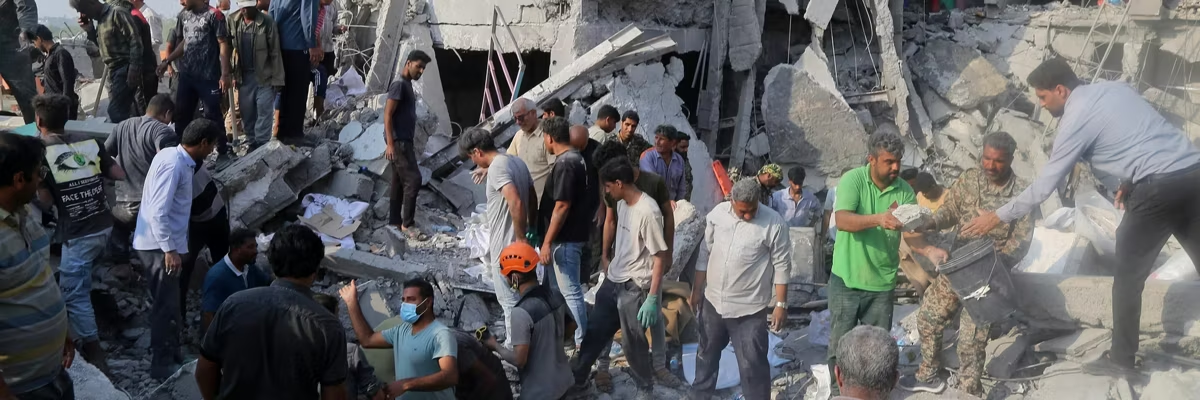
Sources told CNN that warnings were ignored due to "expediency."
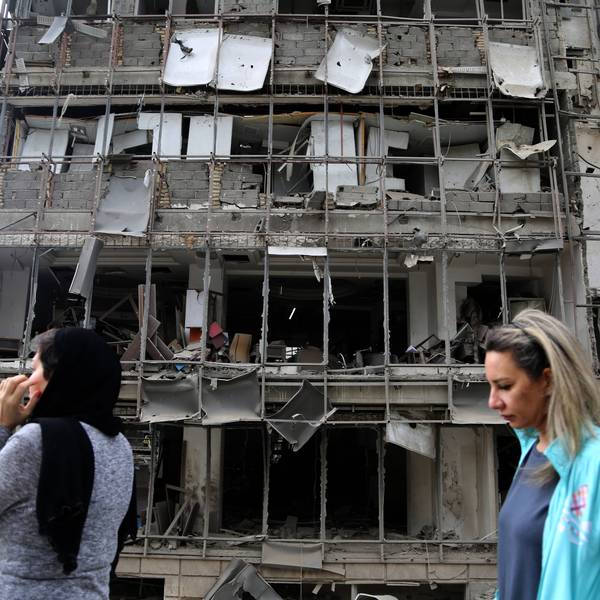
US military commanders "bypassed warnings" indicating that their database of strike targets inside Iran was badly out of date shortly before launching a deadly attack on an Iranian primary school in the city of Minab, according to a Tuesday report from CNN.
Three sources told CNN that senior military officials received messages informing them that the intelligence behind the target list had been gathered years ago and "needed to be re-vetted."
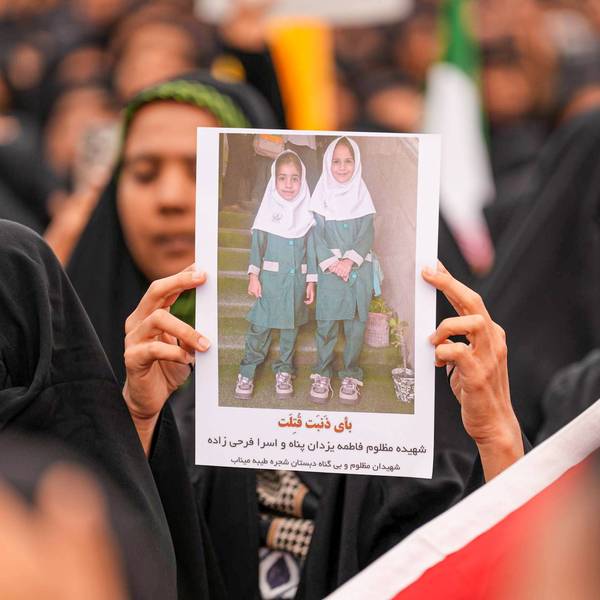
Regardless, the proposed Iranian targets were added to a strike list shortly before the US launched an attack on the Shajareh Tayyebeh Elementary School, killing more than 150 schoolchildren along with over a dozen teachers.
Two of CNN's sources said senior commanders ignored the warnings out of "expediency," as they did not want to significantly delay providing target lists during the outset of the war, which Trump illegally launched in February without any authorization from the US Congress.
For months, Defense Secretary Pete Hegseth has repeatedly dodged questions about the strike on the school, insisting that he didn't want to comment on an ongoing Pentagon investigation.
However, one of CNN's sources said that US military officials "knew within days how the mistake happened," as the school was targeted based on "obviously old info."
CNN noted that old satellite images showed the school once belonged to the same compound as an Islamic Revolutionary Guard Corps facility. However, as recently as 2016, images showed "that a fence had been erected to separate the school from the rest of the base, and that a separate entrance to the school had been built."
Rutgers Law School Professor Adil Haque, noting that intelligence on many of the targets was more than a decade old, called the US decision to proceed with attacks "inexcusable."
The US Department of Defense has still not released its investigation into the bombing, drawing criticism from Palestinian-American policy analyst Yousef Munayyer, who reacted to the CNN report by describing the US military as being "quick to bomb, slow to investigate."
The slow pace of the investigation has also drawn criticism from Rep. Adam Smith (D-Wash.), the ranking member of the House Armed Services Committee.
During a May congressional hearing, Smith grilled Adm. Brad Cooper about why the US hasn't taken responsibility for the school strike despite clear evidence that it was at fault.
"In the past, when we’ve had these type of mistakes, they’ve been quickly acknowledged," Smith said, "even if a further investigation is necessary to figure out prevention methods."
Smith also criticized Hegseth for showing a "callous disregard for any sort of rules of engagement or protecting of civilian life" during his tenure as defense secretary.
Last month, President Donald Trump brushed off responsibility for the strike on the school, stating that "mistakes are made" and "war is nasty."
Dear Common Dreams reader, It’s been nearly 30 years since I co-founded Common Dreams with my late wife, Lina Newhouser. We had the radical notion that journalism should serve the public good, not corporate profits. It was clear to us from the outset what it would take to build such a project. No paid advertisements. No corporate sponsors. No millionaire publisher telling us what to think or do. Many people said we wouldn't last a year, but we proved those doubters wrong. Together with a tremendous team of journalists and dedicated staff, we built an independent media outlet free from the constraints of profits and corporate control. Our mission has always been simple: To inform. To inspire. To ignite change for the common good. Building Common Dreams was not easy. Our survival was never guaranteed. When you take on the most powerful forces—Wall Street greed, fossil fuel industry destruction, Big Tech lobbyists, and uber-rich oligarchs who have spent billions upon billions rigging the economy and democracy in their favor—the only bulwark you have is supporters who believe in your work. But here’s the urgent message from me today. It's never been this bad out there. And it's never been this hard to keep us going. At the very moment Common Dreams is most needed, the threats we face are intensifying. We need your support now more than ever. We don't accept corporate advertising and never will. We don't have a paywall because we don't think people should be blocked from critical news based on their ability to pay. Everything we do is funded by the donations of readers like you. When everyone does the little they can afford, we are strong. But if that support retreats or dries up, so do we. Will you donate now to make sure Common Dreams not only survives but thrives? —Craig Brown, Co-founder |
US military commanders "bypassed warnings" indicating that their database of strike targets inside Iran was badly out of date shortly before launching a deadly attack on an Iranian primary school in the city of Minab, according to a Tuesday report from CNN.
Three sources told CNN that senior military officials received messages informing them that the intelligence behind the target list had been gathered years ago and "needed to be re-vetted."
Regardless, the proposed Iranian targets were added to a strike list shortly before the US launched an attack on the Shajareh Tayyebeh Elementary School, killing more than 150 schoolchildren along with over a dozen teachers.
Two of CNN's sources said senior commanders ignored the warnings out of "expediency," as they did not want to significantly delay providing target lists during the outset of the war, which Trump illegally launched in February without any authorization from the US Congress.
For months, Defense Secretary Pete Hegseth has repeatedly dodged questions about the strike on the school, insisting that he didn't want to comment on an ongoing Pentagon investigation.
However, one of CNN's sources said that US military officials "knew within days how the mistake happened," as the school was targeted based on "obviously old info."
CNN noted that old satellite images showed the school once belonged to the same compound as an Islamic Revolutionary Guard Corps facility. However, as recently as 2016, images showed "that a fence had been erected to separate the school from the rest of the base, and that a separate entrance to the school had been built."
Rutgers Law School Professor Adil Haque, noting that intelligence on many of the targets was more than a decade old, called the US decision to proceed with attacks "inexcusable."
The US Department of Defense has still not released its investigation into the bombing, drawing criticism from Palestinian-American policy analyst Yousef Munayyer, who reacted to the CNN report by describing the US military as being "quick to bomb, slow to investigate."
The slow pace of the investigation has also drawn criticism from Rep. Adam Smith (D-Wash.), the ranking member of the House Armed Services Committee.
During a May congressional hearing, Smith grilled Adm. Brad Cooper about why the US hasn't taken responsibility for the school strike despite clear evidence that it was at fault.
"In the past, when we’ve had these type of mistakes, they’ve been quickly acknowledged," Smith said, "even if a further investigation is necessary to figure out prevention methods."
Smith also criticized Hegseth for showing a "callous disregard for any sort of rules of engagement or protecting of civilian life" during his tenure as defense secretary.
Last month, President Donald Trump brushed off responsibility for the strike on the school, stating that "mistakes are made" and "war is nasty."
US military commanders "bypassed warnings" indicating that their database of strike targets inside Iran was badly out of date shortly before launching a deadly attack on an Iranian primary school in the city of Minab, according to a Tuesday report from CNN.
Three sources told CNN that senior military officials received messages informing them that the intelligence behind the target list had been gathered years ago and "needed to be re-vetted."
Regardless, the proposed Iranian targets were added to a strike list shortly before the US launched an attack on the Shajareh Tayyebeh Elementary School, killing more than 150 schoolchildren along with over a dozen teachers.
Two of CNN's sources said senior commanders ignored the warnings out of "expediency," as they did not want to significantly delay providing target lists during the outset of the war, which Trump illegally launched in February without any authorization from the US Congress.
For months, Defense Secretary Pete Hegseth has repeatedly dodged questions about the strike on the school, insisting that he didn't want to comment on an ongoing Pentagon investigation.
However, one of CNN's sources said that US military officials "knew within days how the mistake happened," as the school was targeted based on "obviously old info."
CNN noted that old satellite images showed the school once belonged to the same compound as an Islamic Revolutionary Guard Corps facility. However, as recently as 2016, images showed "that a fence had been erected to separate the school from the rest of the base, and that a separate entrance to the school had been built."
Rutgers Law School Professor Adil Haque, noting that intelligence on many of the targets was more than a decade old, called the US decision to proceed with attacks "inexcusable."
The US Department of Defense has still not released its investigation into the bombing, drawing criticism from Palestinian-American policy analyst Yousef Munayyer, who reacted to the CNN report by describing the US military as being "quick to bomb, slow to investigate."
The slow pace of the investigation has also drawn criticism from Rep. Adam Smith (D-Wash.), the ranking member of the House Armed Services Committee.
During a May congressional hearing, Smith grilled Adm. Brad Cooper about why the US hasn't taken responsibility for the school strike despite clear evidence that it was at fault.
"In the past, when we’ve had these type of mistakes, they’ve been quickly acknowledged," Smith said, "even if a further investigation is necessary to figure out prevention methods."
Smith also criticized Hegseth for showing a "callous disregard for any sort of rules of engagement or protecting of civilian life" during his tenure as defense secretary.
Last month, President Donald Trump brushed off responsibility for the strike on the school, stating that "mistakes are made" and "war is nasty."