SUBSCRIBE TO OUR FREE NEWSLETTER
Daily news & progressive opinion—funded by the people, not the corporations—delivered straight to your inbox.
5
#000000
#FFFFFF
To donate by check, phone, or other method, see our More Ways to Give page.
"It's deja vu all over again." It was Yogi Berra's classic observation in 1947, and one eminently appropriate for Edward Snowden more than a half century later. Only the subject now is NSA secret operations, not baseball. Specifically, the deja vu observation refers to an earlier leak of that agency's secret operations. And this time, unlike before, America is taking notice.
Last time around, it was the London Observer revealing NSA's clandestine operation. This time it's the Guardian. British press lighting the stage, illuminating an American cast.
Entering into the heated, certainly contentious, discussion about the Snowden disclosure is a panoply of concerns. National security versus civil rights, the extent and powers of the Patriot Act, the sharing of secrets, hero versus criminal, whistleblower versus leaker. All hot topics.
Here's the deja vu aspect that deserves our attention: Exactly ten years ago, this same all-powerful agency launched an illegal spy operation against representatives of six members of the UN Security Council in an attempt to convince those members to vote in favor of a US-UK resolution legitimizing the invasion of Iraq. It doesn't take rocket science to determine just how personal information about the six could be used to influence their vote--according to NSA's secret memorandum--"to obtain results favorable to US goals." In the ten-year-old case, newspapers worldwide (except in the US) ran banner headlines reading, "US Dirty Tricks at the UN." Readers wondered about a game of high-stakes blackmail.
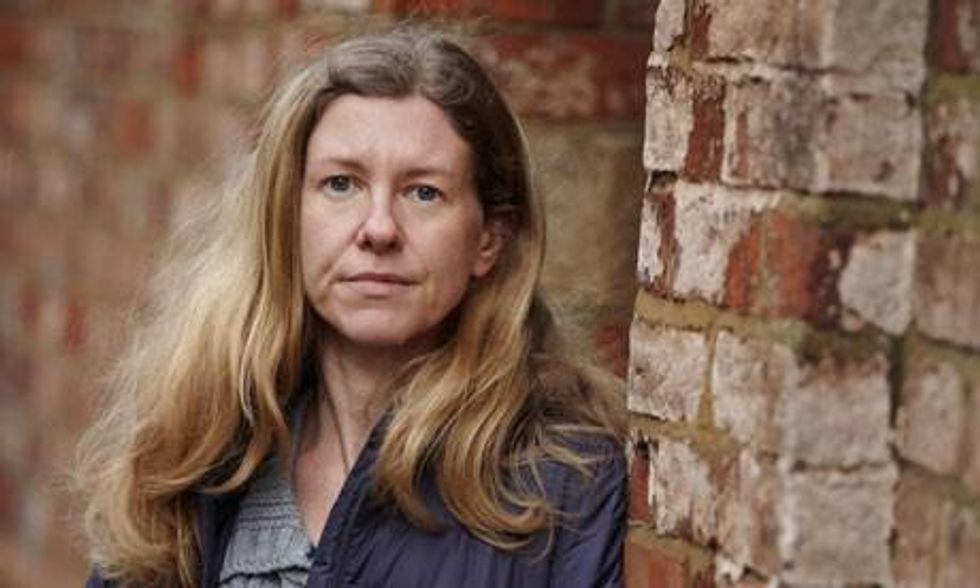
Katharine Gun, a British Secret Service office stationed at GCHQ in Cheltenham, England, received a copy of NSA's invitation to join in the illegal UNSC operation, and made the same decision as did Snowden. She leaked the information. She was 27 at the time. Snowden is 29.
Within a matter of weeks, Katharine was arrested for high crime against her country, George W. Bush and Tony Blair withdrew the controversial proposed resolution, and we went to war.
Later, looking back, Michael Hayden, the agency's director at the time, told C-SPAN's Brian Lamb that the NSA works only within the confines of the law, within "what's legally permitted." This would not be the only time he would insist that everything the NSA did was in compliance with the law. But spying on the UN was not legal. One of the questions that will not go away, especially with the present attention focused on the Snowden case, is what US intelligence can do legally and what it cannot.
For the most part, the fact that Hayden's claim is at best controversial and at worst a lie has escaped public notice until now. But not this time, because the media are watching and Snowden is speaking out. In an extensive interview, he defended his seeking sanctuary in Hong Kong and denied that he was, in fact, defecting to China, "an enemy of America." China, he observed is not America's "enemy." We are significant trade partners. We are not at war. Apparently, he feels safer in Hong Kong than in the US.
Snowden left the country believing he was a target, that he would spend the rest of his life concerned about retribution for having leaked NSA secrets. As for questionable Big Brother behavior by intelligence agencies, "It will only get worse until policy changes," he said. Seeking a policy paradigm switch that protects both the individual and the nation challenges all Americans--except for those determined to retain the status quo.
Snowden is right to be concerned about the quality of his future life. Katharine Gun didn't run. After first denying that it was she who leaked the NSA illegal spy operation, she confessed. Married only a few months, she knew at the time that her plans for the future were shattered. After a year awaiting trial, charges against her were dropped the day her trial opened at the Old Bailey. The Government, with her signed confession in hand, chose not to present evidence that the invasion of Iraq was, in fact, legal, a demand by the Defense.
Life for Katharine since she was granted freedom has been difficult. An expert in Oriental languages and a Mandarin translator at the time of her arrest, finding and keeping employment has been difficult. For a time, she tried living in another country. Nothing will ever be the same. Yet, she has no regrets.
As she left the courtroom, Katharine's response to questions about why she did what she did were very much like Snowden's. "I only followed my conscience," she said, adding, "I would do it again." This holds today.
Actor Sean Penn put it beautifully in speaking about Katharine: "It was a decision of conscience in a world where nobody celebrates that. She will go down in history as a hero of the human spirit."
In contrast, former Prime Minister Tony Blair saw Gun differently, and would likely see Snowden through the same lens.
"We are going to be in a very dangerous situation as a country if people feel they can simply spill out secrets or details of security operations, whether false or true, and get away with it."
For Snowden, time will tell what "getting away with it" really means.
"It's deja vu all over again." It was Yogi Berra's classic observation in 1947, and one eminently appropriate for Edward Snowden more than a half century later. Only the subject now is NSA secret operations, not baseball. Specifically, the deja vu observation refers to an earlier leak of that agency's secret operations. And this time, unlike before, America is taking notice.
Last time around, it was the London Observer revealing NSA's clandestine operation. This time it's the Guardian. British press lighting the stage, illuminating an American cast.
Entering into the heated, certainly contentious, discussion about the Snowden disclosure is a panoply of concerns. National security versus civil rights, the extent and powers of the Patriot Act, the sharing of secrets, hero versus criminal, whistleblower versus leaker. All hot topics.
Here's the deja vu aspect that deserves our attention: Exactly ten years ago, this same all-powerful agency launched an illegal spy operation against representatives of six members of the UN Security Council in an attempt to convince those members to vote in favor of a US-UK resolution legitimizing the invasion of Iraq. It doesn't take rocket science to determine just how personal information about the six could be used to influence their vote--according to NSA's secret memorandum--"to obtain results favorable to US goals." In the ten-year-old case, newspapers worldwide (except in the US) ran banner headlines reading, "US Dirty Tricks at the UN." Readers wondered about a game of high-stakes blackmail.
Katharine Gun, a British Secret Service office stationed at GCHQ in Cheltenham, England, received a copy of NSA's invitation to join in the illegal UNSC operation, and made the same decision as did Snowden. She leaked the information. She was 27 at the time. Snowden is 29.
Within a matter of weeks, Katharine was arrested for high crime against her country, George W. Bush and Tony Blair withdrew the controversial proposed resolution, and we went to war.
Later, looking back, Michael Hayden, the agency's director at the time, told C-SPAN's Brian Lamb that the NSA works only within the confines of the law, within "what's legally permitted." This would not be the only time he would insist that everything the NSA did was in compliance with the law. But spying on the UN was not legal. One of the questions that will not go away, especially with the present attention focused on the Snowden case, is what US intelligence can do legally and what it cannot.
For the most part, the fact that Hayden's claim is at best controversial and at worst a lie has escaped public notice until now. But not this time, because the media are watching and Snowden is speaking out. In an extensive interview, he defended his seeking sanctuary in Hong Kong and denied that he was, in fact, defecting to China, "an enemy of America." China, he observed is not America's "enemy." We are significant trade partners. We are not at war. Apparently, he feels safer in Hong Kong than in the US.
Snowden left the country believing he was a target, that he would spend the rest of his life concerned about retribution for having leaked NSA secrets. As for questionable Big Brother behavior by intelligence agencies, "It will only get worse until policy changes," he said. Seeking a policy paradigm switch that protects both the individual and the nation challenges all Americans--except for those determined to retain the status quo.
Snowden is right to be concerned about the quality of his future life. Katharine Gun didn't run. After first denying that it was she who leaked the NSA illegal spy operation, she confessed. Married only a few months, she knew at the time that her plans for the future were shattered. After a year awaiting trial, charges against her were dropped the day her trial opened at the Old Bailey. The Government, with her signed confession in hand, chose not to present evidence that the invasion of Iraq was, in fact, legal, a demand by the Defense.
Life for Katharine since she was granted freedom has been difficult. An expert in Oriental languages and a Mandarin translator at the time of her arrest, finding and keeping employment has been difficult. For a time, she tried living in another country. Nothing will ever be the same. Yet, she has no regrets.
As she left the courtroom, Katharine's response to questions about why she did what she did were very much like Snowden's. "I only followed my conscience," she said, adding, "I would do it again." This holds today.
Actor Sean Penn put it beautifully in speaking about Katharine: "It was a decision of conscience in a world where nobody celebrates that. She will go down in history as a hero of the human spirit."
In contrast, former Prime Minister Tony Blair saw Gun differently, and would likely see Snowden through the same lens.
"We are going to be in a very dangerous situation as a country if people feel they can simply spill out secrets or details of security operations, whether false or true, and get away with it."
For Snowden, time will tell what "getting away with it" really means.
"It's deja vu all over again." It was Yogi Berra's classic observation in 1947, and one eminently appropriate for Edward Snowden more than a half century later. Only the subject now is NSA secret operations, not baseball. Specifically, the deja vu observation refers to an earlier leak of that agency's secret operations. And this time, unlike before, America is taking notice.
Last time around, it was the London Observer revealing NSA's clandestine operation. This time it's the Guardian. British press lighting the stage, illuminating an American cast.
Entering into the heated, certainly contentious, discussion about the Snowden disclosure is a panoply of concerns. National security versus civil rights, the extent and powers of the Patriot Act, the sharing of secrets, hero versus criminal, whistleblower versus leaker. All hot topics.
Here's the deja vu aspect that deserves our attention: Exactly ten years ago, this same all-powerful agency launched an illegal spy operation against representatives of six members of the UN Security Council in an attempt to convince those members to vote in favor of a US-UK resolution legitimizing the invasion of Iraq. It doesn't take rocket science to determine just how personal information about the six could be used to influence their vote--according to NSA's secret memorandum--"to obtain results favorable to US goals." In the ten-year-old case, newspapers worldwide (except in the US) ran banner headlines reading, "US Dirty Tricks at the UN." Readers wondered about a game of high-stakes blackmail.
Katharine Gun, a British Secret Service office stationed at GCHQ in Cheltenham, England, received a copy of NSA's invitation to join in the illegal UNSC operation, and made the same decision as did Snowden. She leaked the information. She was 27 at the time. Snowden is 29.
Within a matter of weeks, Katharine was arrested for high crime against her country, George W. Bush and Tony Blair withdrew the controversial proposed resolution, and we went to war.
Later, looking back, Michael Hayden, the agency's director at the time, told C-SPAN's Brian Lamb that the NSA works only within the confines of the law, within "what's legally permitted." This would not be the only time he would insist that everything the NSA did was in compliance with the law. But spying on the UN was not legal. One of the questions that will not go away, especially with the present attention focused on the Snowden case, is what US intelligence can do legally and what it cannot.
For the most part, the fact that Hayden's claim is at best controversial and at worst a lie has escaped public notice until now. But not this time, because the media are watching and Snowden is speaking out. In an extensive interview, he defended his seeking sanctuary in Hong Kong and denied that he was, in fact, defecting to China, "an enemy of America." China, he observed is not America's "enemy." We are significant trade partners. We are not at war. Apparently, he feels safer in Hong Kong than in the US.
Snowden left the country believing he was a target, that he would spend the rest of his life concerned about retribution for having leaked NSA secrets. As for questionable Big Brother behavior by intelligence agencies, "It will only get worse until policy changes," he said. Seeking a policy paradigm switch that protects both the individual and the nation challenges all Americans--except for those determined to retain the status quo.
Snowden is right to be concerned about the quality of his future life. Katharine Gun didn't run. After first denying that it was she who leaked the NSA illegal spy operation, she confessed. Married only a few months, she knew at the time that her plans for the future were shattered. After a year awaiting trial, charges against her were dropped the day her trial opened at the Old Bailey. The Government, with her signed confession in hand, chose not to present evidence that the invasion of Iraq was, in fact, legal, a demand by the Defense.
Life for Katharine since she was granted freedom has been difficult. An expert in Oriental languages and a Mandarin translator at the time of her arrest, finding and keeping employment has been difficult. For a time, she tried living in another country. Nothing will ever be the same. Yet, she has no regrets.
As she left the courtroom, Katharine's response to questions about why she did what she did were very much like Snowden's. "I only followed my conscience," she said, adding, "I would do it again." This holds today.
Actor Sean Penn put it beautifully in speaking about Katharine: "It was a decision of conscience in a world where nobody celebrates that. She will go down in history as a hero of the human spirit."
In contrast, former Prime Minister Tony Blair saw Gun differently, and would likely see Snowden through the same lens.
"We are going to be in a very dangerous situation as a country if people feel they can simply spill out secrets or details of security operations, whether false or true, and get away with it."
For Snowden, time will tell what "getting away with it" really means.