
SUBSCRIBE TO OUR FREE NEWSLETTER
Daily news & progressive opinion—funded by the people, not the corporations—delivered straight to your inbox.
5
#000000
#FFFFFF
To donate by check, phone, or other method, see our More Ways to Give page.


Daily news & progressive opinion—funded by the people, not the corporations—delivered straight to your inbox.
Investments toward a more trained immigration force will only uphold and legitimize mass deportation, family separation, and state terror.
Video evidence of the brutality of the Department of Homeland Security’s agencies, such as Immigration and Customs Enforcement, Customs and Border Protection, Homeland Security Investigations, alongside agencies within the Department of Justice such the Drug Enforcement Administration, has become all too familiar imagery in our everyday lives.
Witnessing actions of terror—from neighbors being beaten and forced into unmarked vehicles by masked agents, to children being kidnapped as they are released from school, to observers being murdered—has sparked demands for change. Reformist demands, such as increased training for federal immigration agents, move us farther from, not closer to, dismantling these systems.
Since its very recent inception in 2003, funding for the Department of Homeland Security (DHS) and its agencies has ballooned. Immigration and Customs Enforcement (ICE) received a budget of $27.8 billion in 2025, and other agencies whose on-the-ground presence support mass detention and deportation, such as Customs and Border Protection, have additionally seen increases alongside specific funding to the Department of Defense for border enforcement.
Transformative change demands have called for ending collaborations between local police and federal immigration agencies, ending 287(g) agreements, implementing and strengthening sanctuary laws, and the defunding and dismantling of ICE and similar agencies. Transformative models recognize the root causes and work to uproot harmful systems in order to invest in community-centered social programs.
A more trained mass deportation system is still a mass deportation system. A more trained agent of family separation is still an agent of family separation.
Reformist, yet system upholding, demands have also emerged, such as calls for improving hiring requirements for agents, increasing training for new hires, and crowd-management training in response to protests. Calls for more training for ICE and other immigration enforcement agencies means more investment in these systems and legitimizing the expansion of the role of the agent.
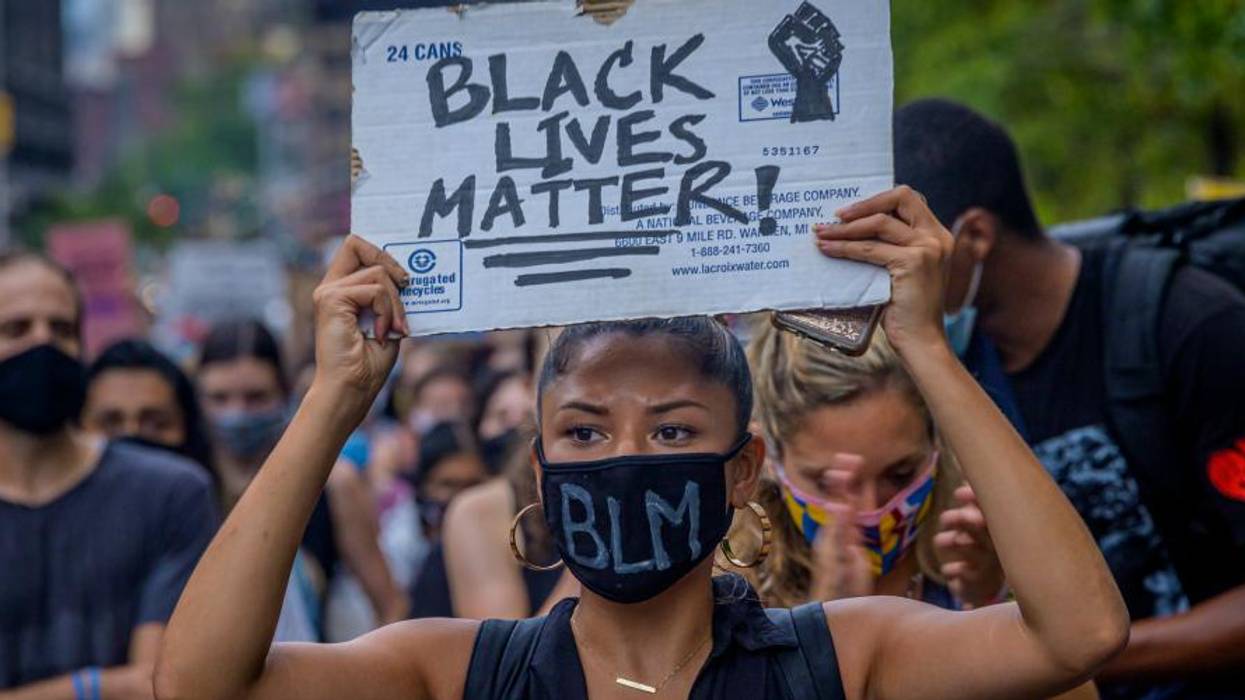
We saw a parallel of this direction a decade ago with increases in resourcing for local police. With the emergence of the Movement for Black Lives and community demands for transformative solutions to public safety, backlash and reformist demands in response to these calls led to strengthening the infrastructure of these systems of state terror. Thus, if this direction in response to state violence from immigration agencies is followed, transformative change will be severely restrained.
After the murders of Michael Brown and Tamir Rice in 2014, and increases in public awareness of the pervasiveness of police killings and racial disparities that target Black people in interactions with police, reformist demands led to increased funding for policing and police training. We saw this trend of increased budgets repeat after the 2020 murders of Breonna Taylor, George Floyd, and other loved ones by police.
“Solutions” for the problems of policing proposed during this time included increasing community trust in police, improving public perceptions of police, and investing in community policing. These “solutions,” which are removed from historic context, only strengthen systems while placing blame on communities and delegitimizing criticism of systems and transformative demands.
One study examining 15 pre-attack indicator police trainings showed that police are trained to recognize reactions to interactions with police, such as anxiety and arousal, as threats to their safety and justifications for use of force. A 2023 conference of police training exposed “instructors promoting views and tactics that were wildly inappropriate, offensive, discriminatory, harassing, and, in some cases, likely illegal.”
Since 2013, alongside increases in police funding and training, murders by police have only increased year to year. Calls for more police training and increased funding only strengthen the infrastructure of the very systems that we need to dismantle.
Everyday community members are being kidnapped, families are being separated, people are dying in immigration detention centers, and community members are being shot at and killed at the hands of DHS. The very existence of ICE requires these events of terror, and its agency collaborators are strengthened by them.
You can’t dismantle a system of harm by increasing its resourcing and legitimizing its existence. Removing the harm means uprooting the source of the harm, not reforming it. A more trained mass deportation system is still a mass deportation system. A more trained agent of family separation is still an agent of family separation. A more trained armed stated terror presence in communities is still armed state terror.
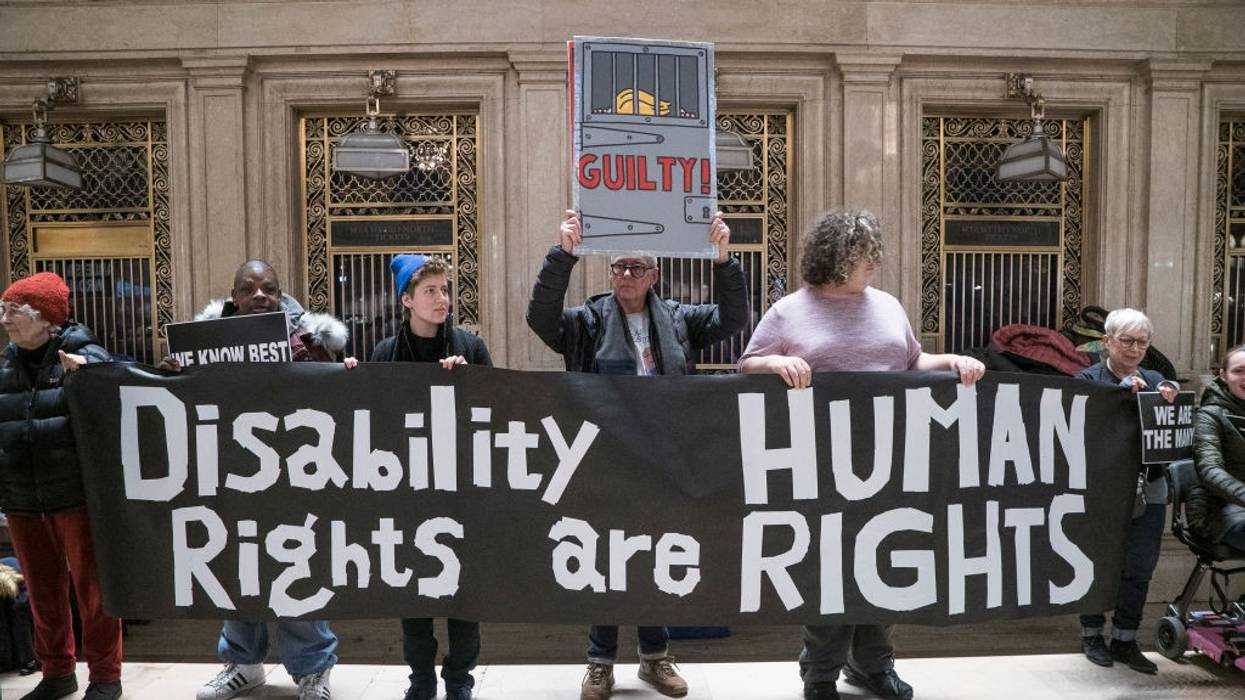
In a society that prioritizes profits over people, disabled people are frequently marginalized and disposed of. Incarceration and police violence underscore the ways capitalism fails its most vulnerable.
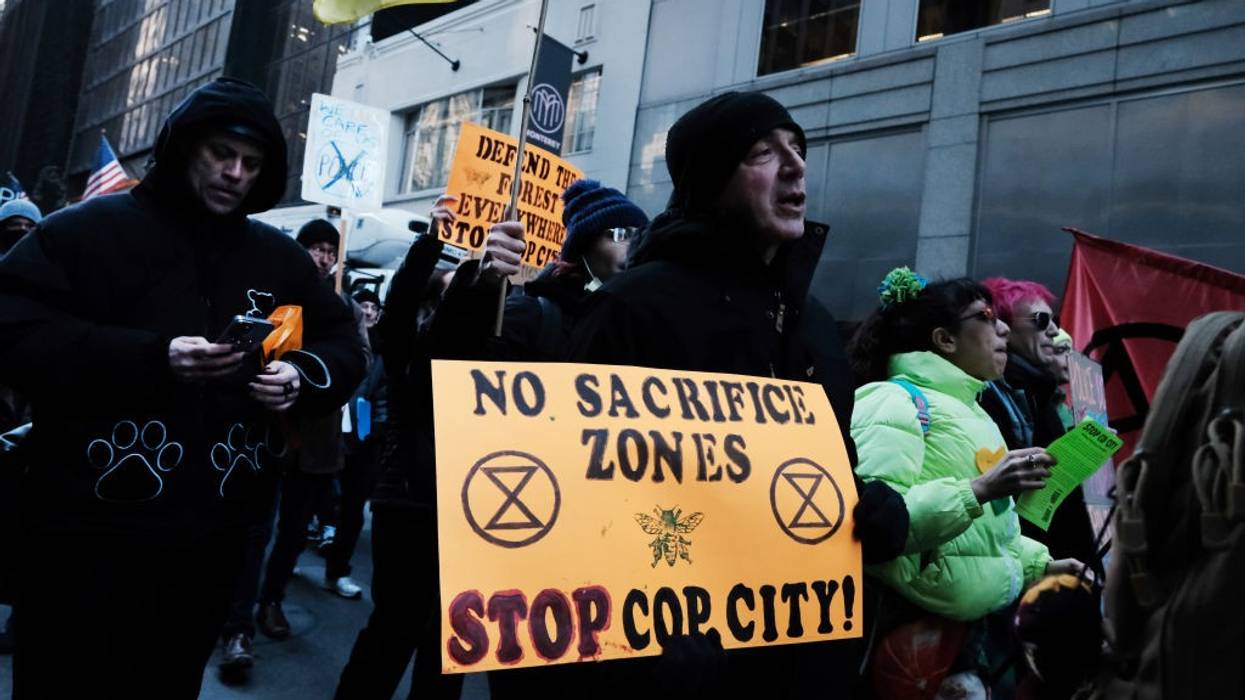
Snce 2020, plans to build militarized police training facilities, also known as cop cities, have erupted across the country in an effort to maintain the status quo and quell political dissent from abolitionist and progressive organizers. As of July 2024, there are 80 projects either already being built or in the process of negotiating contracts to begin construction. Ten states have plans for multiple police compounds. The creation of these training facilities marks a new chapter of policing in the U.S.
Disability justice and disabled community organizers must be at the forefront of the nationwide movement to stop cop cities because this movement is a disability justice issue.
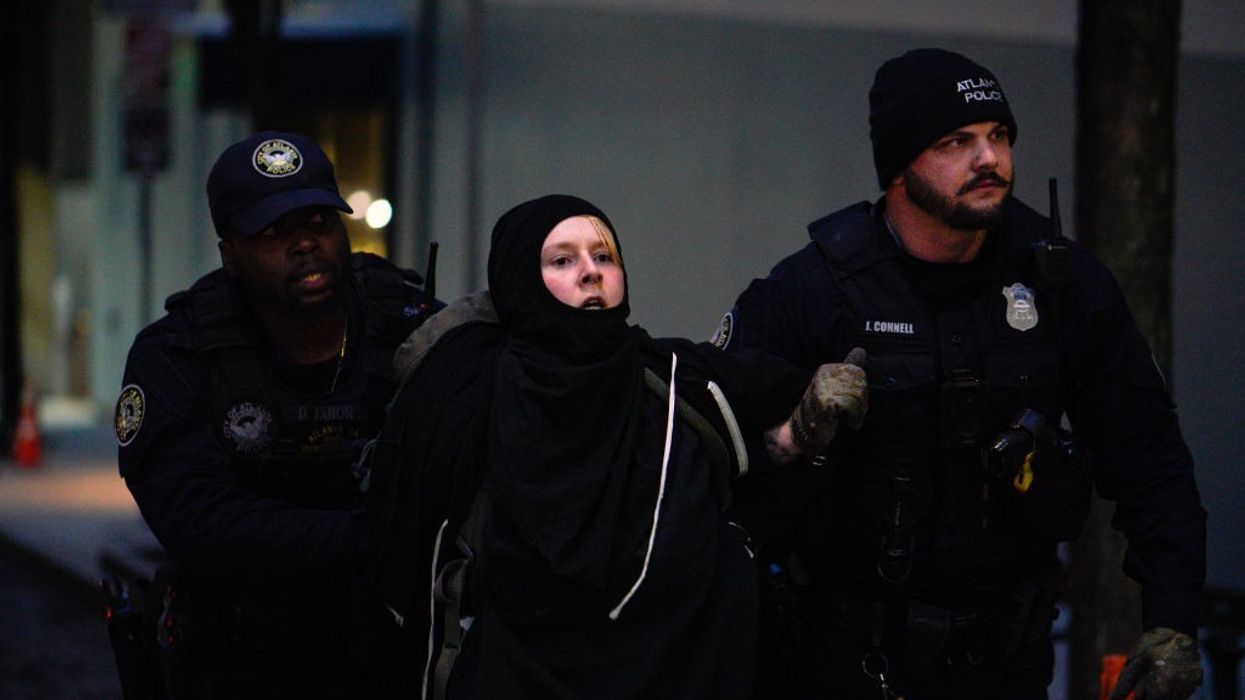
The movement to #StopCopCity emerged in the wake of nationwide uprisings in response to police killings of Black people, sparking critical conversations around the role of policing, the limits of police reform, community safety, and alternatives to the criminal legal system. Along with other organizations, I organized on the ground in Atlanta, where multiple police agencies used militarized tactics against community members. This occurred even as we mourned the loss of Rayshard Brooks, a member of our community who was killed by the Atlanta Police Department. All of this unfolded as we grappled with the profound impacts of a global pandemic—a mass-disabling event affecting countless lives.
We must listen to and follow the leadership of disabled people, especially those who are formerly or currently incarcerated.
Our collective grief transformed into action, fueling demands to end state-sanctioned violence and redirect investment into our communities. Our displays of solidarity angered and alarmed corporations, as well as local and national political establishments. In collaboration with major media outlets, those in power obscured the focus, reframing the narrative around rising crime rates and once again positioning police as the solution to our social, political, and economic challenges.
As a response to our organizing efforts, the city of Atlanta decided to build a $90 million complex equipped with military-grade facilities and a mock city for urban police training. If completed, this would be the country’s largest police training facility. Other municipalities have followed Atlanta’s misleadership. Cop city proposals have surfaced in Baltimore, Maryland; San Pablo, California; Fitchburg, Massachusetts; and Nashville, Tennessee all in response to demonstrations that took place in 2020. Meanwhile, other facilities have completed construction and are currently in operation like the cop cities in Semmes, Alabama; Fort Lauderdale, Florida; Decatur and Chicago, Illinois; and Madisonville, Kentucky.
In a society that prioritizes profits over people, disabled people are frequently marginalized and disposed of. Incarceration and police violence underscore the ways capitalism fails its most vulnerable. Disabled people are often excluded from discussions about the criminal legal system, resulting in limited and ineffective strategies for addressing the root causes of incarceration (e.g., poverty, racism, and capitalism).
The overrepresentation of people with disabilities in prisons and jails illustrates how victims of capitalism are locked up and harmed. Approximately 66% of incarcerated individuals in the U.S. report having a disability, while half of all people killed by police are disabled, with disabled Black Americans disproportionately affected. Even people without a disability who are locked up develop some sort of disability over the course of their imprisonment because the prison system is disabling.
Each year, an estimated 350 people with mental health diagnoses are killed by law enforcement, and individuals with psychiatric disabilities are 16 times more likely to be killed during police encounters. People like Anthony Hill, Sandra Bland, Eric Garner, Deborah Danner, Alfred Olango, Daniel Prude, Magdiel Sanchez, Freddie Gray, and countless others were all disabled people who were murdered by police.
These risks are even greater for people of color, women, trans folks, and LGBTQIA+ people. An alarming statistic reveals that by age 28, half of all disabled Black Americans have experienced arrest, underscoring the urgent need to address police violence and brutality as an intersectional issue that includes disability justice. These statistics will continue to rise as more Cop Cities are built, which will place BIPOC disabled individuals in closer proximity to police and increase their risk of harm.
The estimated budgets for these police training facilities are staggering; meanwhile police funding already consumes the majority of municipal budgets at the expense of essential social services. As police budgets grow, funding for education, direct services, infrastructure, and healthcare falls, leaving many—especially disabled individuals—without access to the resources they need. For example, Baltimore’s training facility is projected to cost $330 million; San Pablo, California estimates a $44 million facility, and Richmond, Kentucky, has a $28 million project budget.
Investing more in police departments does not create safer communities. Increased training does not address the root causes of violence. The safest communities are those that are well-resourced and have minimal police presence. Our communities deserve better.
The changing landscape of policing in the U.S. is increasingly characterized by international police exchange programs (also known as Deadly Exchange programs), which expose officers to new surveillance methods, military tactics, and forms of political repression from countries with notorious human rights abuses.
The Georgia International Law Enforcement Exchange (GILEE) program in Atlanta sends U.S. officers to train with the Israeli Occupation Forces (IOF), who are responsible for the ongoing genocide of Palestinians. The IOF conducts urban warfare training in a mock city called "Little Gaza," a replica of the Gaza Strip designed to simulate combat scenarios. These practices serve as the blueprint for cop cities across the U.S.
In Baltimore, an Amnesty International report found that the Baltimore Police Department’s participation in deadly exchange programs with Israel contributed to “widespread constitutional violations, discriminatory enforcement, and a culture of retaliation.” However, more police departments are participating in deadly exchange programs. Police officials from states including Florida, New Jersey, Pennsylvania, Arizona, Connecticut, Massachusetts, North Carolina, Washington, and D.C. have also trained with Israeli paramilitary forces.
Israel, a nation responsible for the killing and disabling of hundreds of thousands of Palestinians, serves as the model for these military complexes. These tactics will disproportionately impact marginalized communities domestically and amplify surveillance and repression in already vulnerable areas. Disability Justice involves liberating Palestinians from the disabling effects of genocide.
Climate change is deeply connected to the issues of cop cities and disability justice. Projects like those in Atlanta and Nashville involve clearing large areas of urban forest, causing severe environmental harm. For example, Atlanta’s urban forest, which protects communities from flash flooding, has already been compromised, leading to increased flooding across the city. Such environmental degradation worsens health conditions for disabled people, leaving them to face the consequences with little support, as we saw during disasters like Hurricane Helene. This situation will only deteriorate further.
What is to be done?
The phrase “death by a thousand cuts” reminds us that there is no single solution to combat social injustice in this country. Addressing these challenges requires a diversity of tactics and a shared commitment to building a better world. Everyone has a role to play in movement work—whether it’s cooking for comrades, taking meeting notes, providing childcare so others can participate, or conducting research on targets. Every action, big or small, adds up, creating momentum when combined with the efforts of others. There is a place for you; come find it.
We must listen to and follow the leadership of disabled people, especially those who are formerly or currently incarcerated. Those directly impacted by oppressive systems possess invaluable knowledge of how these systems function and must be at the forefront of our movements. Yes, that means building relationships with people currently incarcerated.
It’s equally critical to learn from past campaigns, both their victories and setbacks. For example, the 2017 #NoCopAcademy campaign in Chicago, which sought to stop the construction of a police training facility, illustrates how grassroots organizing can achieve tangible wins. While the facility was ultimately built, organizers succeeded in cutting $21 million from school policing budgets, a significant step toward redistributing resources.
A new world is emerging, whether we are ready for it or not. It’s up to all of us to prepare and take action to shape what comes next. Liberation is possible, but we need you to make it a reality.
"In separate incidents this summer, witnesses saw Texas National Guard members firing pepper-spray projectiles at migrants who posed no risk to National Guard members or anyone else."
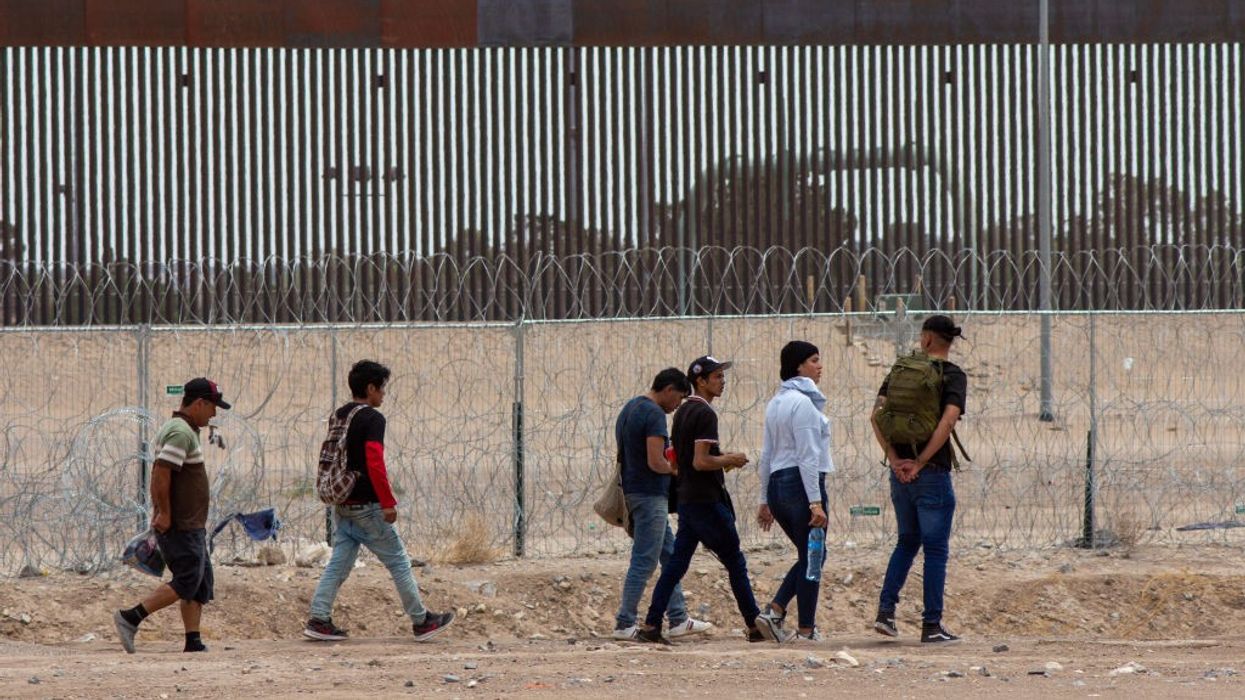
Human Rights Watch on Wednesday condemned the Texas National Guard for firing pepper-spray projectiles at migrants, including women and children, who've presented no danger, citing multiple recent incidents.
"In separate incidents this summer, witnesses saw Texas National Guard members firing pepper-spray projectiles at migrants who posed no risk to National Guard members or anyone else," Bob Libal, an HRW consultant, said in a statement.
New from @HRW and me: The TX Nat'l Guard has repeatedly fired pepper spray projectiles at arriving asylum-seekers, including women & children.
#TXLege should increase oversight of TX Military Dept & deny funding requests until this practice ends. 🧵https://t.co/AuXyAGcFbO
— Bob Libal (@blibal) September 25, 2024
Pepper-spray projectiles, which are often shaped like balls, contain chemical irritants similar to pepper spray. HRW documented several instances of their use by the Texas National Guard, which polices the border as part of Operation Lone Star, a right-wing state project that has already cost more than $11 billion and drawn opposition from rights advocates.
On September 7, a Texas National Guard member in a boat fired several projectiles at a migrant who had crossed onto the U.S. side of the Rio Grande, at Eagle Pass, Texas, according to three witnesses who watched from a park in Mexico. The migrant fell down, did not get up, and didn't receive aid, they told HRW.
"I saw a National Guardsman in the boat train his gun on the man and then he pepper balled him," said Josie Rodrigues, one of the witnesses, who is a resident of Eagle Pass. "He shot him four or five times. I saw the puffs of smoke and the man went down, and he didn't get up again. It looked to me like they were aiming at the person, not around him or at his feet. It was disturbing."
On August 5, a group of migrants, including children, alleged that projectiles were fired at them, causing their eyes to burn; U.S. Border Patrol said that the Texas National Guard was in control of the area where the incident occurred, according to HRW.
The Texas National Guard also fired pepper balls at a Venezuelan couple and their 1-year-old daughter in May, Newsweek reported, based on video from Border Report.
International human rights law has strict rules on the use of force—even sublethal force, as the projectiles are designed to be—by law enforcement.
"Chemical irritants should only be deployed where a law enforcement official has reason to believe there is an imminent threat of injury," according to United Nations' guidance.
HRW is calling for the state Legislature to deny additional funding to the Texas Military Department, which oversees the state's National Guard, until the use of projectiles against migrants ends. The funding was on the agenda at a budget meeting on Wednesday.
"The Texas Legislature should respond by increasing its oversight over the Texas Military Department and denying funding increases to the department until these abuses stop," Lidal said.