

SUBSCRIBE TO OUR FREE NEWSLETTER
Daily news & progressive opinion—funded by the people, not the corporations—delivered straight to your inbox.
5
#000000
#FFFFFF
To donate by check, phone, or other method, see our More Ways to Give page.
Daily news & progressive opinion—funded by the people, not the corporations—delivered straight to your inbox.
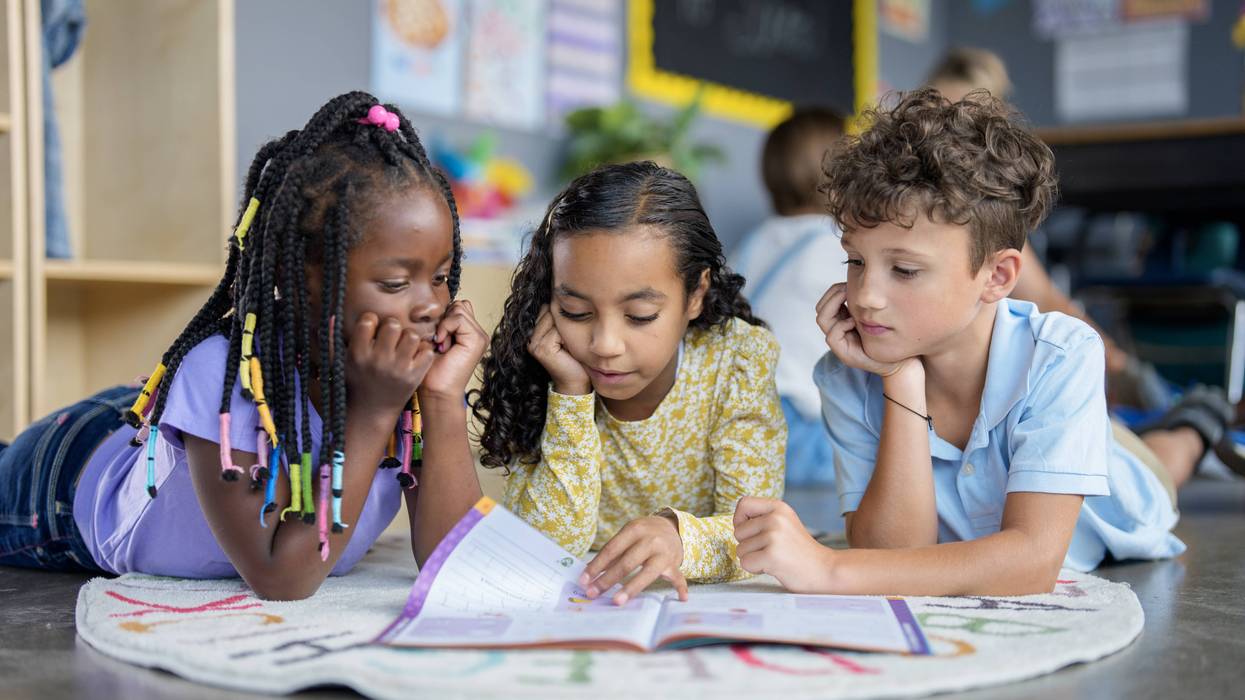
One expert warned that removing works on activism and social movements erodes the ability of marginalized communities "to take action amid rising authoritarian tactics by our government and attacks on free speech."
As President Donald Trump returned to the White House in the middle of the 2024-25 academic year and swiftly pursued increasingly authoritarian policies, there was "an embrace of anti-intellectualism" within the book-banning movement targeting US public schools and classrooms.
That embrace is detailed in "Facts & Fiction: Stories Stripped Away By Book Bans," an annual report released Thursday by PEN America, a nonprofit that promotes the protection of free expression through the advancement of human rights and literature.
The group found that from July 2024 to last June, 3,743 unique titles were removed from school libraries and classrooms nationwide—and 1,102 of them were "educational or informational books for young people—textbooks or reference texts on a wide range of subjects, history books, biographies, and autobiographies."
Although the majority of banned titles were still fiction, such as Fahrenheit 451 by Ray Bradbury and The Hunger Games by Suzanne Collins, the share of "fiction titles dropped from 85% to 69% of all banned titles, while nonfiction rose from 14% to a startling 29% of all banned titles," according to the analysis.
"This marked impact on books anchored in scientific and historic facts, real events, and real people represents something new and distinctive about the trajectory of book bans in public schools," the report states. "As nonfiction titles are not always the targets of efforts to remove books, that books on ancient Egypt, the digestive system, and self-help for teens, to name a few examples, are impacted by censorship signals an alarming spread of book bans that ignore the educational value of texts and books."
Targeted "nonfiction titles are wide-ranging," the report notes, "from memoirs such as Night by Elie Wiesel to biographies such as RuPaul by Maria Isabel Sánchez Vegara, alongside historical and educational or informational books such as Aztec, Inca & Maya by Elizabeth Baquedano and Challenges for LGBTQ Teens by Martha Lundin."
Flagging this "embrace of anti-intellectualism" in a statement about the new report, Kasey Meehan, director of PEN America's Freedom to Read program, said that "it is another example of how censorship sweeps broadly, leading to removals of all kinds of books, in its efforts to sow fear and distrust in our public education system."
Like the previous academic year, "realistic/contemporary and dystopia/sci-fi/fantasy remain the dominant genres banned," the publication highlights. "But of note, educational/informational titles grew from 5% of all titles in 2023-24 to 13% of total titles banned in 2024-25, or nearly 500 unique titles."
Among the nonfiction titles banned, "52% contained themes of activism and social movements, the most commonly banned topic within nonfiction titles," the report says. "Whether #WomensMarch: Insisting on Equality by Rebecca Felix or IntersectionAllies: We Make Room for All by Chelsea Johnson, LaToya Council, and Carolyn Choi, and illustrated by Ashley Seil Smith, this literature is crucial in the education of young people. These books can encourage readers to challenge the status quo and resist injustice."
Freedom to Read program assistant and report co-author Yuliana Tamayo Latorre said that removing books on these topics "silences the voices of marginalized communities and erode[s] their ability to take action amid rising authoritarian tactics by our government and attacks on free speech."
The most common theme across all banned books was nonsexual violence. This was a theme in 57% of the targeted titles, and they addressed topics including "war, gun violence, natural disasters, domestic violence, human trafficking, slavery and genocide, physical fighting, and more."
Other key themes included death and grief (48%), empowerment and self-esteem (39%), LGBTQ+ topics and metaphors (36%), consensual sexual experiences (34%), mental health disorders (29%), verbal or emotional abuse (28%), and substance use and/or abuse (27%).
There was an increase in banned titles with themes of empowerment and self-esteem, up from 31% in 2023-24.
"Fictional titles with themes of empowerment include Flor Fights Back: A Stonewall Riots Survival Story by Joy Michael Ellison and illustrated by Francesca Ficorilli, and The Moon Within by Aida Salazar," the report says. "To remove these books from classroom and library shelves means revoking access to books that students may rely on for personal and emotional development."
There is an entire section of the report about "erasing people" that examines trends in the identities of characters in banned books. Of all the targeted titles, 44% featured people of color, 39% had LGBTQ+ characters, 19% included transgender or genderqueer individuals, and 10% involved those who are neurodivergent or disabled.
Trump and other leading Republicans have embraced and advanced campaigns against diversity, equity, and inclusion (DEI). PEN America acknowledged that such efforts "have contributed to restrictions and removals on books with people of color and mirror efforts to suppress curriculum on Indigenous history, Black history, Asian American and Pacific Islander stories, and Latine and Hispanic contributions."
Another section of the report addresses a major "discrepancy between the titles impacted by book bans and the justifications made to ban books. Book banners have long cited 'pornography' and 'sexually explicit' material in literature to justify book challenges. Claims that these books contain 'explicit' or 'obscene' content grossly misrepresent the materials."
That section points out that 19% of last year's banned titles contained sexual violence—and "according to RAINN, 1 in 9 girls and 1 in 20 boys under 18 experience sexual abuse or assault. With so many of these titles banned since 2021, it is possible that some young people who have experienced sexual violence no longer have access to books that could help them."
"Books containing experiences of sexual violence include The Nickel Boys by Colson Whitehead, winner of the 2020 Pulitzer Prize for Fiction, set in a 1960s Southern juvenile reform school, and Laurie Halse Anderson's memoir Shout, a call to action for sexual abuse and trauma survivors in the wake of the #MeToo movement," according to PEN America.
The group's report came just a few weeks after a similar annual publication from the American Library Association, which details challenges to at least 4,235 unique titles in 2025, resulting in bans on at least 5,668 books and restrictions on another 920 works.
"In 2025, book bans were not sparked by concerned parents, and they were not the result of local grassroots efforts," noted Sarah Lamdan, executive director of the association's Office for Intellectual Freedom. “They were part of a well-funded, politically driven campaign to suppress the stories and lived experiences of LGBTQIA+ and BIPOC individuals and communities."

Book bans "were part of a well-funded, politically driven campaign to suppress the stories and lived experiences of LGBTQIA+ and BIPOC individuals and communities," said an American Library Association leader.
"The State of America's Libraries" report "is in a very real way a report on the state of our nation," American Library Association executive director Dan Montgomery wrote in the introduction of the annual publication, released Monday.
"Unsurprisingly, then, there is much to be deeply concerned about in these pages, and much to bring hope," the ALA leader acknowledged. "Ultimately, this report can serve as a clarion call to those who love libraries and our republic."
Published at the beginning of National Library Week, the report explores a range of topics, including threats to intellectual freedom. ALA's Office for Intellectual Freedom (OIF) found that last year at least 4,235 unique titles were challenged—the association's term for an attempt to have a resource removed or restricted—the second-highest ever documented, just short of 2023's record.
OIF also found that at least 5,668 books were banned from libraries—66% of those challenged—and 920 books faced restrictions such as relocation or a parental permission requirement. The ALA noted that "this is both the highest number of titles censored in one year and the highest rate of challenges resulting in censorship" dating back to 1990.
"In 2025, book bans were not sparked by concerned parents, and they were not the result of local grassroots efforts," explained Sarah Lamdan, executive director of the OIF, in a statement. "They were part of a well-funded, politically driven campaign to suppress the stories and lived experiences of LGBTQIA+ and BIPOC individuals and communities."
Specifically, OIF found that 92% of all book censorship efforts were initiated by "pressure groups, government officials, and decision-makers," and fewer than 3% came from individual parents. Additionally, 40% of the unique titles challenged last year—1,671 works—were about the experiences of LGBTQIA+ people and people of color.
"Libraries exist to make space for every story and every lived experience," stressed ALA president Sam Helmick. "As we celebrate National Library Week, we reaffirm that libraries are places for knowledge, for access, and for all."
The most-targeted titles in 2025 were:
1. Sold by Patricia McCormick
2. The Perks of Being a Wallflower by Stephen Chbosky
3. Gender Queer: A Memoir by Maia Kobabe
4. Empire of Storms by Sarah J. Maas
5. (tie) Last Night at the Telegraph Club by Malinda Lo
5. (tie) Tricks by Ellen Hopkins
7. A Court of Thorns and Roses by Sarah J. Maas
8. (tie) A Clockwork Orange by Anthony Burgess
8. (tie) Identical by Ellen Hopkins
8. (tie) Looking for Alaska by John Green
8. (tie) Storm and Fury by Jennifer L. Armentrout
The ALA publication also features sections on library services for people who are incarcerated or in reentry, how libraries can "approach literacy in a community-driven, responsive way to meet today's rapidly evolving and growing literacy needs," and "intensified debates over access to information and shifting fiscal priorities."
The report highlights ALA's Show Up For Our Libraries campaign, launched in the face of attacks from Republican President Donald Trump—who has issued executive orders targeting diversity, equity, and inclusion, and to effectively dismantle the Institute of Museum and Library Services. He also fired the librarian of Congress, Carla Hayden, and the register of copyrights, Shira Perlmutter.
From threats to (and victories for) intellectual freedom, to increasing services for incarcerated people, to a whirlwind of legislative and legal battles, 2025 proved pivotal for our nation's libraries.Read more in our State of America's Libraries Report: A Snapshot of 2025: https://bit.ly/3ORpvpE
[image or embed]
— American Library Association (@amlibraryassoc.bsky.social) April 20, 2026 at 9:00 AM
While the report sounds the alarm on the state of US libraries—and the nation more broadly—it also emphasizes, as Lamdan wrote in one section, that "the story of library censorship in 2025 is... not only about the challenges libraries faced, but also about the resilience of the people who stood up for them."
"Legal victories and new state-level protections emerged in several regions, reinforcing longstanding principles of intellectual freedom and reaffirming libraries' role as institutions that serve all members of their communities," she noted. "Coalitions of library workers, authors, educators, and community members successfully advocated for right to read laws in Connecticut, Delaware, and Rhode Island that protect intellectual freedom, libraries, and library workers."
"Courts across the nation held that censorship legislation was unconstitutional," Lamdan continued. "Judges declared that laws including Florida's HB 1069 and Iowa's SF 496, which provide for the removal of books containing certain viewpoints, were unconstitutionally vague and overbroad. Courts also affirmed the First Amendment right to read in libraries. Voters in states including Ohio, Pennsylvania, and Texas rejected censorship-focused school and library board candidates, electing board members who promised to protect people’s right to read and learn."
She added that "2025 was also a year of coalition-building. Grassroots activists, advocacy organizations, writers, authors, publishers, teachers, parents, and library workers came together to celebrate libraries and the joy of reading."
The report was released less than three months ahead of the 250th anniversary of the US Declaration of Independence.
"As we look toward the next 250 years, the choice is ours," said Helmick. "We can let our libraries fade, viewed as charming relics of a bygone era. Or, we can choose to invest in them as a bedrock of our future. Let us decide, right now, that they are not optional. They are the very breath of a free society, and they are worth fighting for."
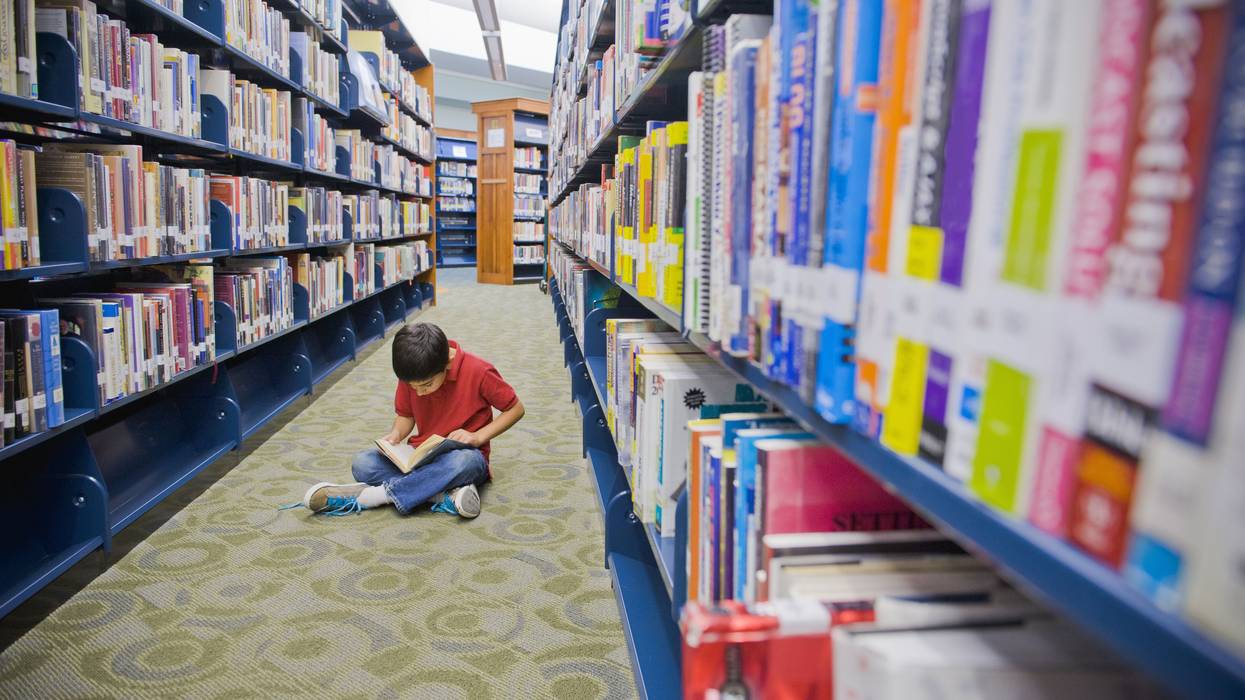
"It is illegal to remove books from public libraries because some people do not like them," said a coalition of 33 library groups, publishing companies, and civil rights organizations.
Public libraries in Tennessee have begun to shut down as they carry out an order from state officials to remove children's books containing LGBTQ+ themes or characters.
For Popular Information, Rebecca Crosby and Noel Sims reported Tuesday that the "book purge" is required to be carried out at all 181 libraries in the Tennessee Regional Library System, which encompasses most of the state, aside from cities like Nashville and Memphis.
It comes after Tennessee's Republican Secretary of State, Tre Hargett, sent a pair of letters earlier this fall. The first, sent on September 8, said that in order to receive state and federal grants, which run through his office, libraries needed to comply with a Tennessee law banning diversity, equity, and inclusion (DEI) offices from agencies, as well as President Donald Trump's executive order on "gender ideology," which effectively ended the federal recognition of transgender and nonbinary individuals.
As the report notes, neither of these orders says anything about library books. However, Hargett argued that compliance with the executive order mandated book bans because it states that "federal funds shall not be used to promote gender ideology.”
Not only do executive orders typically not apply to state and local governments, but the federal funds Tennessee's libraries receive are not used to purchase books at all. Instead, according to the secretary of state's website, they “provide all state residents with online access to essential library and information resources, including licensed databases, a statewide library catalog and interlibrary loan system, bibliographic services, and materials for the disadvantaged.”
The Every Library Institute, an advocacy group that supports federal funding for libraries, said that Hargett's instructions "contain significant errors, likely exceeding the secretary’s authority and reflecting a political agenda rather than a neutral or accurate interpretation of federal or state law."
"Hargett is setting a dangerous precedent by placing Tennessee’s state and municipal government under the authority of any executive order by any president," the group continued. "Executive orders are not laws."
But Crosby and Sims argued: "Even if the executive order did apply to Tennessee local libraries, simply having books with LGBTQ stories and characters does not constitute 'promoting gender ideology.' The classic fairytale Little Red Riding Hood involves a wolf eating a little girl, but does not promote violence. Children’s books are stories, not instruction manuals."
On October 27, Hargett sent another letter, giving libraries 60 days to undertake an "age appropriateness review" of all books in their children's section to find any books that may be inconsistent either with Tennessee's age appropriateness law or with Trump's executive order.
As Ken Paulson, the director of Middle Tennessee University's Free Speech Center, noted, the age appropriateness law, which was last updated in 2024, "is modeled after obscenity laws and prohibits nudity, excessive violence, and explicit sexuality, hardly the stuff of children’s sections. Further, the law applies to school libraries, not public libraries."
Though Hargett provided no criteria for how to assess what books would need to be purged, he did provide an example of one he felt violated both orders: Fred Gets Dressed, a 2021 picture book by the New York Times bestselling author Peter Brown. As Popular Information noted:
The book, which was written by a straight, cisgender man, does not feature any LGBTQ characters. Instead it is based on a childhood experience of the author in which he tried on his mother’s clothing and makeup. If a book about a boy trying on his mother’s clothes is the strongest example of “promoting gender ideology” that Hargett could identify, it raises questions about the necessity of the review.
Earlier this month, the state's Rutherford County Library System, which serves the cities of Smyrna and Murfreesboro, shut down several of its library branches for up to a week to “meet new reporting requirements" from Hargett's office.
It's unclear why the Rutherford County system determined it needed to shut down in order to carry out the review, nor has it been made clear whether other library systems will be expected to do the same.
As former librarian Kelly Jensen noted for the blog Book Riot, the Rutherford County system has made its own efforts to ban transgender-friendly books, but backed off from the policy earlier this summer for fear of litigation after a Murfreesboro law branding "homosexuality" as a form of "public indecency" resulted in the city being forced to settle a lawsuit for $500,000.
Kelly wrote that for Rutherford library system's board, Hargett's order is "a convenient means of subverting their fears of litigation, which drove them to change their anti-trans book policy earlier this summer. If the directive is from the state, then they 'have to' comply. The Tennessee secretary of state is granting permission slips to public library boards to ban away."
This week, a group of 33 major publishers, library advocacy groups, and free speech and civil rights organizations signed onto a letter to Hargett expressing "profound concern" over its review mandate.
The coalition included PEN America, the American Library Association, the National Coalition Against Censorship, and the transgender rights advocacy organization GLAAD. Major publishing houses also signed on, including Penguin Random House, Macmillan, and Simon & Schuster.
"These types of reviews create immense administrative burdens for library systems and often lead to illegal censorship, which raises liability risks for local communities and the state," the groups said. "Many libraries, uncertain about the legal and procedural basis for the mandate, have had to redirect limited resources, with some temporarily closing branches to complete these reviews, which are implied to be necessary for future funding."
"The demands in your letter need immediate clarification, as it is not reasonable to expect libraries to follow directives that would risk violating applicable law, including the US Constitution," they added. "It is illegal to remove books from public libraries because some people do not like them. This is a well-settled legal principle."
The Rutherford County Library Alliance, which has challenged municipal anti-LGBTQ+ laws as well as the censorship policies of the library's own board, said that “we have seen firsthand the concrete harm of the Secretary’s directives—library closures during story time, intimidation of professional librarians, and the breakdown of democratic representation in our public library system."
"We hope Secretary Hargett will fulfill their duty to promote library development by supporting our constitutionally-guaranteed rights and our highly trained librarians," the alliance added, "rather than enabling censorship from 0.001% of our community for 100% of our community.”
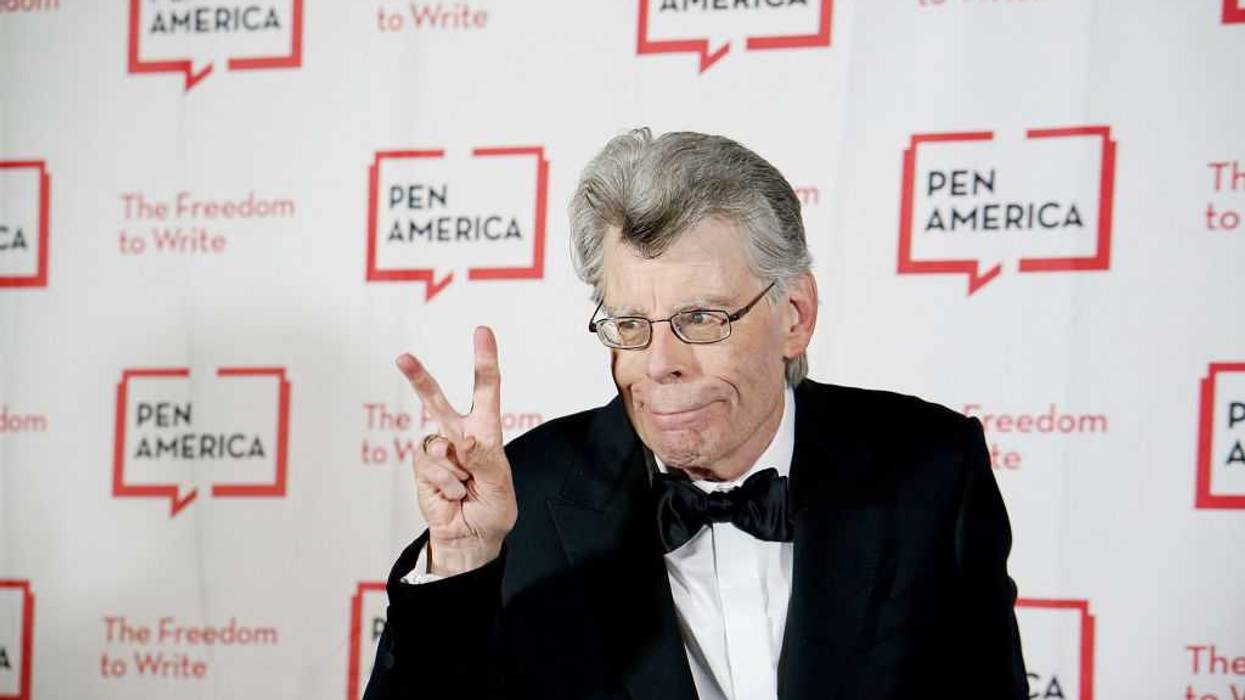
"Self-righteous book banners don't always get to have their way," the iconic author wrote, urging people to read banned titles. "This is still America, dammit."
Stephen King was the most banned author in US public schools during the 2024-25 academic year amid "rampant" censorship led by purportedly free speech-loving Republicans, a report published on Wednesday revealed.
According to PEN America, there were 6,870 instances of book bans across 23 states and 87 public school districts during the last scholastic year. Although that's a significant drop from the more than 10,000 proscriptions recorded by the group during the previous academic term, it is still more than double the number from 2022-23, and brings the total number of prohibitions to nearly 23,000 since 2021.
For the third straight year, Florida topped the dubious list, with 2,304 instances of book bans, followed by Texas, where 1,781 bans occurred, and Tennessee, with 1,622. Right-wing groups and Republican state lawmakers—who often claim to champion free speech—have worked together to pass censorship laws driving bans on books they don't like, especially titles related to racial justice and LGBTQ+ rights.
“No bookshelf will be left untouched if local and state book bans continue wreaking havoc on the freedom to read in public schools,” PEN America Freedom to Read program senior manager Sabrina Baêta said in a statement.
“With the Trump White House now also driving a clear culture of censorship, our core principles of free speech, open inquiry, and access to diverse and inclusive books are severely at risk," Baêta added. "Book bans stand in the way of a more just, informed, and equitable world. They chill the freedom to read and restrict the rights of students to access information and read freely.”
Bestselling author @stephenking.bsky.social was the most banned author during the school year. 87 titles of King’s were banned, totaling 206 times. Next most banned was @ellenhopkins.bsky.social author of young adult fiction including Crank and Burned, who had 18 titles banned totaling 167 times.
[image or embed]
— PEN America (@penamerica.bsky.social) October 1, 2025 at 7:23 AM
King, the bestselling icon of horror novels and short stories, was the most banned author during the 2024-25 school year, with 87 titles banned a total of 206 times. King has been an outspoken critic of both book bans and President Donald Trump, whose presidency he has called a "horror story."
The most blacklisted title of any author was Anthony Burgess’ dystopian 1962 novel A Clockwork Orange, which PEN America said was banned 23 times.
Responding to becoming the nation's most proscribed writer, King said on social media, "I am now the most banned author in the United States—87 books."
"May I suggest you pick up one of them and see what all the pissing and moaning is about?" he added. "Self-righteous book banners don't always get to have their way. This is still America, dammit."
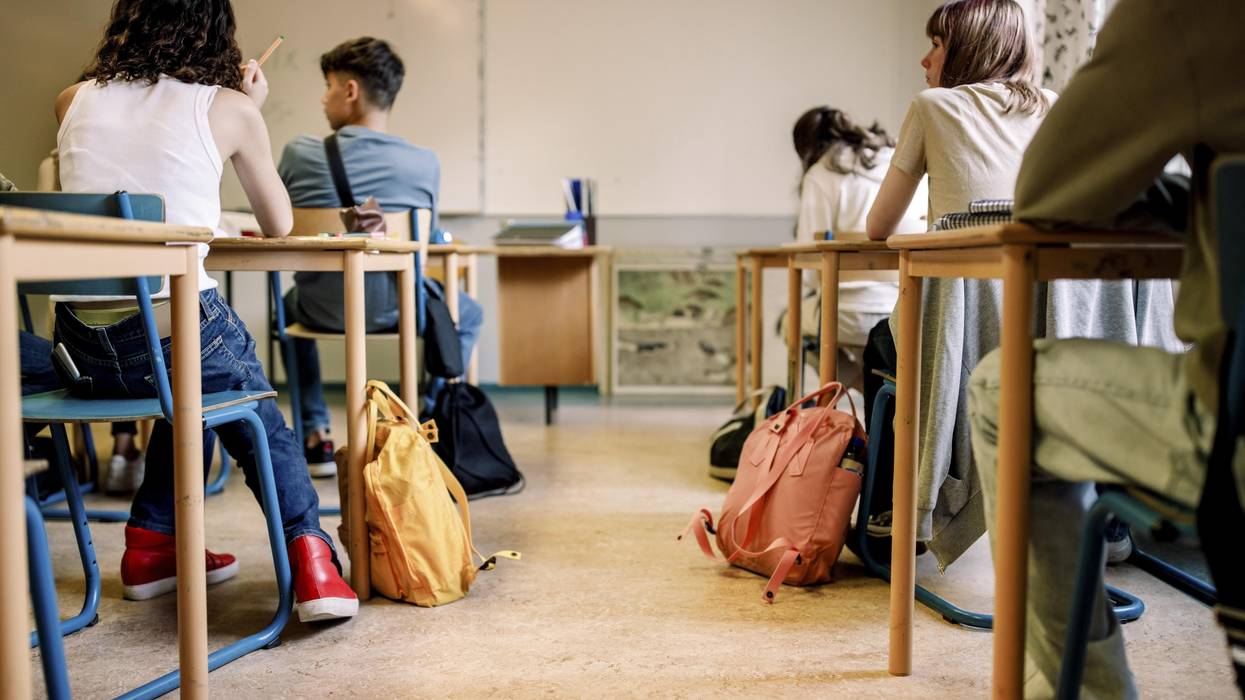
We will not concede. We will show up for our public schools. We will show up for each other and our future.
Advocates have long warned about the interconnected threats to both education and democracy, but the lightning speed at which these attacks are unfolding under the Trump administration is astonishing. This intentional campaign of shock and awe is meant to send the administration’s opposition into submission—or, a tailspin. It is also meant to signal strength, power, and action to its supporters across our communities.
And so in just a handful of weeks, U.S. President Donald Trump has already signed executive orders impacting nearly every aspect of public education in the U.S.—from illegally attempting to dictate classroom curricula (“Ending Radical Indoctrination in K-12 Schooling”), to undermining protections from discrimination by reverting to 2020 Title IX enforcement based on “biological sex,” to prioritizing privatization initiatives that intentionally divert funding from public schools.
Our aim must be to reach the other side of this administration with the core functions of this country’s democratic institutions and the promise of public education both intact.
This barrage of executive actions is an intentional mix of impulsive and arbitrary power grabs—and initiatives clearly rooted in Project 2025 and the American First Policy Agenda, both of which are the fruits of a vicious entanglement of white supremacy, ultra-nationalism, and white Christianity. The president’s allies have worked tirelessly over the course of the last four years to create division and conflict in school districts across the country. From book bans and efforts to rewrite U.S. racial history in school curriculums, to policies targeting transgender and LGBTQ students, they are intentionally undermining parents’ trust in public schools to pave the way for funneling taxpayer dollars from public education into private hands.
This agenda extends far beyond efforts to dismantle public education. There’s mounting evidence that we’re entering into a full-blown constitutional crisis, wherein the intended checks and balances between our branches of government are not holding up to the administration’s unbridled assertions of power. The federal government is out of balance and increasingly leaning toward an executive branch that has engaged in unconstitutional overreach from day one.
Yet, we must remind ourselves that this surge of executive orders is a reflection of the administration’s weakness—not its power. If the administration felt it could succeed in meaningfully restructuring the government via legislative action—the kind of action that would be both constitutional and lasting—it would be working with Congress to enact those changes. But instead with slim majorities in the U.S. House of Representatives and Senate and the lowest inaugural approval rating since 1953, the administration is left signalling its power with the hope that we’ll concede to it.
We will not. Our aim must be to reach the other side of this administration with the core functions of this country’s democratic institutions and the promise of public education both intact. We are crystal clear about what the administration’s underlying motives and limitations are because we understand what time it is. The promise of so much that we care about—from the promise of our public schools to build productive, civically engaged, and healthy futures for each of our children to the promise of our democracy to represent and respond to the needs and will of our diverse communities—is at stake.
Most Americans want an end to the polarizing and ideologically driven attacks on our schools. We are not seeking needless strife. Life is already full of very real struggles to find well-paying jobs; to pay mounting bills; and to cover the costs of childcare, basic life necessities, and access the healthcare we need to stay or get healthy. We understand that our public schools play essential roles in our communities, from educating our children to serving as gathering points where we vote and set our town budgets. We understand that we pay taxes into a system of government whose sole purpose is to serve us, the people. And we understand that our schools and our government more broadly are imperfect because they are led by people. And just as we strive as individuals to continually do better and learn, we expect the same from our schools and our government. Most Americans want improvement. And, we want to be heard and better served.
We will not concede. We will show up for our public schools. We will show up for each other and our future.
We also understand that the administration’s best hope at consolidating the unconstitutional power it seeks is by intimidating lawmakers so they bend to its will and the rest of us to preemptively concede our rights and be silent in our opposition. We will not concede. Instead, we will be clear-eyed, focused, and undeterred. Together, we will protect and continue to advance the promise of both our public schools and democracy in this country.
Here are the actions you can take:
The threats facing public education and democracy in this country are profound, but they are not insurmountable. Privatization efforts and ideological attacks demand sharper focus, stronger connections, and a unified approach to meet the challenges ahead. Each obstacle we confront in the fight for public education is deeply interconnected with the broader fight for justice and inclusion in our society and our democratic institutions.
"The court has safeguarded the right of every Arkansan to access ideas and information without fear of censorship or prosecution," said the ACLU of Arkansas legal director.
In a blow to right-wing efforts to ban books and criminalize librarians, a federal judge on Monday struck down key provisions of an Arkansas law as unconstitutional—though the fight is far from over, with the Republican state attorney general planning to appeal.
Republican Gov. Sarah Huckabee Sanders signed Act 372 in March 2023. A few months later, U.S. District Judge Timothy Brooks temporarily blocked implementation of Sections 1 and 5 of the law—and on Monday, he ruled against them in a 37-page order.
Section 1 threatened Arkansas librarians and booksellers with up to a year in jail for providing minors with access to "harmful" materials. Brooks wrote that "if the General Assembly's purpose in passing Section 1 was to protect younger minors from accessing inappropriate sexual content in libraries and bookstores, the law will only achieve that end at the expense of everyone else's First Amendment rights."
"The law deputizes librarians and booksellers as the agents of censorship; when motivated by the fear of jail time, it is likely they will shelve only books fit for young children and segregate or discard the rest. For these reasons, Section 1 is unconstitutionally overbroad," added the judge, who also found the provision "unconstitutionally vague."
Section 5 created a process for challenging books in public libraries that critics called burdensome. Brooks found the provision unconstitutional because it is problematically vague and "unnecessarily imposes content-based restrictions on protected speech."
The state's Republican leaders plan to keep pushing for the law. Arkansas Attorney General Tim Griffin said in a statement to The Associated Press that "I respect the court's ruling and will appeal," and Huckabee Sanders vowed to work with him on that effort.
"This victory over totalitarianism is a testament to the courage of librarians, booksellers, and readers who refused to bow to intimidation."
Meanwhile, the broad coalition that took on Act 372—including booksellers, librarians, patrons, and professional associations—celebrated their latest legal victory, which comes as right-wing policymakers in other states work to force through similar policies.
"This was an attempt to 'thought police,' and this victory over totalitarianism is a testament to the courage of librarians, booksellers, and readers who refused to bow to intimidation," ACLU of Arkansas executive director Holly Dickson said in a statement. "Arkansans deserve a state where intellectual freedom thrives, and this ruling ensures that libraries remain sanctuaries for learning and exchange of ideas and information."
John Williams, the group's legal director, declared that "this ruling reaffirms what we have said all along—Act 372 is a dangerous and unconstitutional attack on free expression."
"Our libraries and bookstores are critical spaces for learning, exploration, and connection," Williams added. "By striking down these provisions, the court has safeguarded the right of every Arkansan to access ideas and information without fear of censorship or prosecution."
Democracy Forward also represented some members of the coalition battling the law, including the Arkansas Library Association.
"Laws like Arkansas' that seek to threaten librarians and booksellers with jail simply for doing their job are dangerous for people, communities, and our democracy," said Democracy Forward president and CEO Skye Perryman in a statement. "Our team is honored to represent librarians in Arkansas to stop this attempt to impede the freedom to read and we will meet further attempts in Arkansas and elsewhere with legal challenge."
Leaders of the American Booksellers Association, Association of American Publishers, Authors Guild, Freedom to Read Foundation, Comic Book Legal Defense Fund, WordsWorth Books, Pearl's Books, and WordsWorth Books said in a joint statement that "together with librarians, authors, publishers, booksellers, and readers everywhere, we applaud the court's carefully crafted decision upholding the constitutional right to access books."
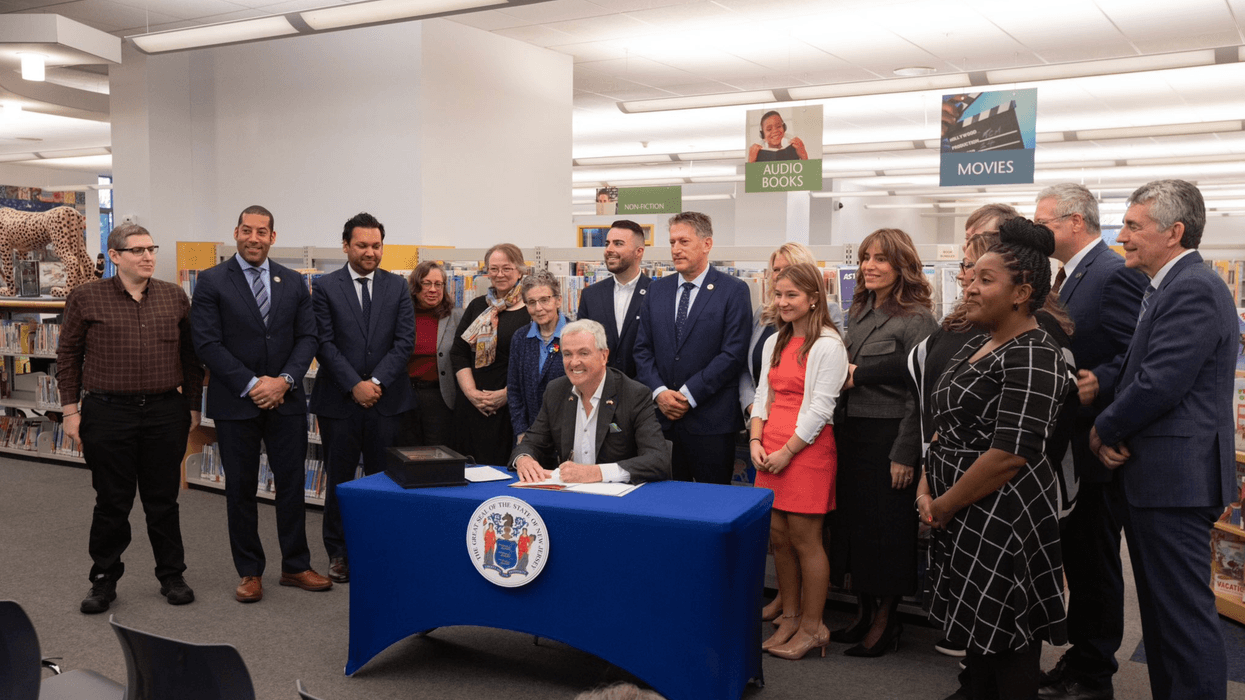
The law, said the Democrat, "cements New Jersey's role on the forefront of preventing book bans and protecting the intellectual freedom of our educators and students."
Democratic New Jersey Gov. Phil Murphy on Monday signed legislation protecting librarians and prohibiting public schools and libraries from banning books—a move that came as Republican state lawmakers are proscribing a record number of titles, many of them works addressing sexual orientation, gender identity, and racial injustice.
Flanked by educators, librarians, and other advocates, Murphy signed
A.3446/S.2421—known as the Freedom to Read Act—in the Princeton Public Library.
"The Freedom to Read Act cements New Jersey's role on the forefront of preventing book bans and protecting the intellectual freedom of our educators and students," said Murphy. "Across the nation, we have seen attempts to suppress and censor the stories and experiences of others. I'm proud to amplify the voices of our past and present, as there is no better way for our children to prepare for the future than to read freely."
According to a statement from Murphy's office:
Under the law, boards of education and governing boards of public libraries are barred from excluding books because of the origin, background, or views of the material or of its authors. Further, boards of education and governing boards of public libraries are prevented from censoring library material based on a disagreement with a viewpoint, idea, or concept, or solely because an individual finds certain content offensive, unless they are restricting access to developmentally inappropriate material for certain age groups.
The legislation "also provides protections for library staff members against civil and criminal lawsuits related to complying with this law."
New Jersey Association of School Librarians President Karen Grant said that "the Freedom to Read Act recognizes the professionalism, honor, work ethics, and performance of school and public library staff" and "promotes libraries as trusted sources of information and recognizes the many roles that libraries play in students' lives."
"The bill will protect the intellectual freedom of students as well as acknowledge that school libraries are centers for voluntary inquiry, fostering students' growth and development," Grant added. "Additionally, we are grateful for the broad coalition of support from so many organizations for this legislation."
The leader of one of those groups—Garden State Equality executive director Christian Fuscarino—said, "Gov. Murphy just made it clear: In New Jersey, censorship loses, and freedom wins."
"At a time when access to diverse and inclusive materials is under attack across the nation, this legislation sends a powerful message that New Jersey will stand firm in protecting intellectual freedom and fostering a culture of understanding and inclusion," Fuscarino added.
The New Jersey law comes amid a near-tripling in the number of books banned or challenged by Republican state lawmakers and right-wing organizations over the past year, with PEN America counting over 10,000 such titles during the 2023-24 academic year—up from 3,362 titles during the previous scholastic year.
With Murphy's signature, New Jersey joins Minnesota and Illinois in passing state legislation to counter GOP book-banning efforts.
As the Chicago Tribune reported Sunday, "a number of school districts, many of them in deeply conservative areas of south and central Illinois," are giving up state grants rather than adopting principles against book-banning."
"What we're seeing here in Texas with these lessons is a larger national push to promote the idea that American identity and Christian identity are woven together, are one in the same," said one professor.
Parents, teachers, and other critics of Christian nationalism were outraged by a Texas board's Friday vote to approve a "Bible-infused" curriculum for elementary school students—part of a broader right-wing push to force Christianity into public education.
"They chose politics over what's best for students, promoting an evangelical Christian religious perspective and undermining the freedom of families to direct the religious education of their own children," declared the Texas Freedom Network, accusing the State Board of Education (SBOE) of ignoring warnings from religious studies experts, national media attention, and overwhelming negative feedback from the people they're elected to serve."
Like a preliminary vote Tuesday, eight of the SBOE's 15 members voted to approve Bluebonnet Learning, instructional materials proposed by the Texas Education Agency. Three Republicans joined all four Democrats in opposing the curriculum. The deciding vote in favor of it was cast by Leslie Recine, a Republican recently appointed by GOP Gov. Greg Abbott to temporarily fill a vacant seat.
"In a state as diverse as Texas, home to millions of people from countless faiths and beliefs, the Texas Republicans on the State Board of Education voted to incorporate Biblical teachings into the state curriculum—completely undermining religious freedom," said Texas Democratic Party Chair Gilberto Hinojosa in a statement after the final vote.
"This move has ultimately violated parents' rights to guide their children's faith while presenting teachers with additional needless challenges," Hinojosa argued. "Our public schools should be focused on equipping students with the education and skills they need to succeed beyond grade school whether it's pursuing a higher education or entering the workforce. The teaching of religious doctrine should stay in our places of worship where it belongs."
Although the curriculum isn't required, The Texas Tribune reported, "the state will offer an incentive of $60 per student to districts that adopt the lessons, which could appeal to some as schools struggle financially after several years without a significant raise in state funding."
"Christian nationalists have bought their way into every governing body of the state, including the SBOE. And they will not stop with inserting Biblical content in English textbooks."
Bluebonnet Learning features lessons from Christianity in reading and language arts materials for kindergarten through fifth grade.
"This curriculum is not age-appropriate or subject matter appropriate in the way that it presents these Bible stories," Amanda Tyler, executive director of the Baptist Joint Committee for Religious Liberty, told The Associated Press. Children who would read the material, she said, "are simply too young to tell the difference between what is a faith claim and what is a matter of fact."
Zeph Capo, president of the Texas arm of the American Federation of Teachers, urged districts "to resist the dollars dangled before them and refuse to use Bluebonnet Learning materials," arguing that they violate the code of ethics for the state's educators and "the separation of church and state by infusing lessons with Bible-based references more appropriate for Sunday Schools than public schools."
"Moreover, they are assaults on the academic freedom of our classrooms and the sanctity of the teaching profession," he said in a Friday statement. "We have a duty as teachers to make our teaching and learning materials accessible and inclusive of all students in our classrooms. These prescriptive materials cannot meet all learners in all contexts; in fact, they make no effort to do so."
"Perhaps what's most insulting about today's vote is that these materials are not just inappropriate—they're bad at what they proclaim to do. Instructional experts have expressed deep concerns about the age-appropriateness of the materials and whether they will be effective reading instruction," Capo continued. "In short, this is a push coming from idealogues, rather than anyone with expertise in educational best practices."
Noting the current "moment of profound political division," the union leader added that the vote "is the latest evidence that Christian nationalists have bought their way into every governing body of the state, including the SBOE. And they will not stop with inserting Biblical content in English textbooks. We can anticipate what will come next, whether that's the erasure of contributions of marginalized populations in social studies or the minimalization of climate change in science."
The curriculum push coincides with an SBOE effort to restrict library materials. The ACLU of Texas said on social media that "the same politicians censoring what students can read now want to impose state-sponsored religion onto our public schools."
The Tribune reported Thursday that "10 members on the board responsible for determining what Texas' 5.5 million public schoolchildren learn in the classroom voted to call on the Texas Legislature, which convenes in January, to pass a state law granting them authority to determine what books are appropriate for school-age children."
Earlier this week, Mark Chancey, a religious studies professor at Southern Methodist University, told Fox 4 that he supports teaching religion in public schools, but in a fair and unbiased way, and he doesn't agree with the state proposal.
"I think it would be unfortunate to approve these lessons in their current form," he said. "Public schools should reflect the religious diversity of our state. And when teaching about religion, not privilege one religious tradition over others."
"What we're seeing here in Texas with these lessons is a larger national push to promote the idea that American identity and Christian identity are woven together, are one in the same," Chancey pointed out.
For example, in Oklahoma, Superintendent of Public Instruction Ryan Walters has set out to put Bibles—specifically, a pricey one peddled by U.S. President-elect Donald Trump—in every classroom in the state. In a recent appearance on CNN, Walters said that "President Trump has a clear mandate. He wants prayer back in school. He wants radical leftism out of the classroom, wants our kids to be patriotic, wants parents back in charge with school choice."
Meanwhile, in Louisiana, state lawmakers passed legislation requiring every public school classroom to display, in large font, a Protestant version of the Ten Commandments. Earlier this month, a judge prohibited enforcement of that requirement, which was on track to take effect in January.
At the federal level, Trump—who is set to return to the White House in January—has advocated for dismantling the U.S. Department of Education. For now, he has named Linda McMahon, a former wrestling executive accused of enabling sexual abuse of children, as his pick for education secretary.
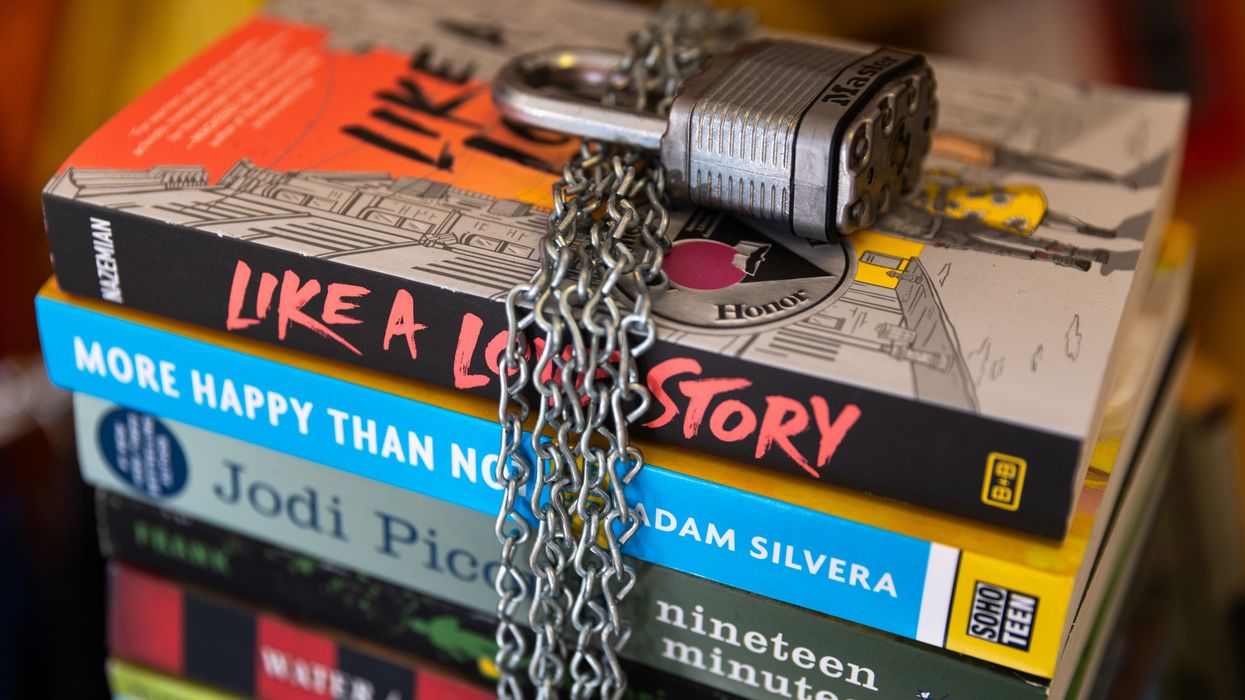
PEN America found that 10,000 titles were censored over the last year as new laws went into effect in states including Iowa and Florida.
As Banned Books Week kicked off, a leading free expression group in the U.S. announced Monday that the number of books that were pulled from shelves or "challenged" by right-wing groups and Republican lawmakers skyrocketed to at least 10,000 over the last year with state legislatures passing new censorship laws.
PEN America found that the number of banned books tripled from the 2022-23 school year, when it had been 3,362.
New laws passed in Iowa and Florida were major drivers of censorship in libraries and public schools in the last school year, with 8,000 instances of book bans in the two states.
Under Iowa's S.F. 496, which took effect in July 2023, all materials containing descriptions or depictions of a "sex act" were determined to not be "age-appropriate" for K-12 students. The state banned 14 books from 2021-23, but the strict censorship law—which also bans classroom discussions of LGBTQ+ issues and gender identity—"led to thousands of book bans during the 2023-2024 school year," said PEN.
Florida's H.B. 1069 also focuses heavily on books that contain "sexual conduct," and its statutory review process requires that books be pulled from shelves while the titles are being evaluated after being challenged.
While "coordinated campaigns by a vocal minority of groups and individual actors" that claim to fight for "parents' rights" made for a "chilled atmosphere of overly cautious decision-making regarding the accessibility of books in public school libraries," said PEN, state legislation especially accelerated book bans.
Laws like those passed in Florida and Iowa made it "easier to remove books from schools without due process, or in some cases, without any formal process whatsoever," wrote Kasey Meehan and Sabrina Baêta of the group's Freedom to Read program. "Over a dozen new laws and state policies used to ban books in schools have been implemented, as have a number of district policies at the local level."
The organization identified Utah as having "the most extreme state book-banning bill currently in place," with H.B. 29 establishing what PEN called a "No Read List."
If any three school districts in Utah find that a title includes "objectively sensitive material," the book must be banned in all schools across the state.
The law went into effect in July and "is expected to result in significant book bans during the 2024-2025 school year."
PEN's analysis came out as the American Library Association (ALA) unveiled its own preliminary findings about banned books for the first eight months of 2024. While PEN considers a title to be "banned" if it is pulled from shelves at any point, even if access is later restored after review, the ALA counts books as banned only if they are permanently censored.
Using that criteria, the ALA found that from January 1-August 31, 2024, 414 challenges were made to 1,128 unique titles—compared to 695 challenges over the same period last year, affecting 1,915 titles.
Both the ALA and PEN said their tallies were likely undercounts of banned books.
PEN found that 13 books were banned in the last school year for the first time, including A Tree Grows in Brooklyn by Betty Smith, Black Reconstruction in America, 1860-1880 by W.E.B. DuBois, Roots: The Saga of An American Family by Alex Haley, and How the Garcia Girls Lost Their Accents by Julia Alvarez.
The two analyses came out days after the Nationhood Lab at Salve Regina University's Pell Center published a poll showing, as program director Colin Woodard said, that "Americans, regardless of party, really hate public library book banning."
Sixty-six percent of respondents to the group's poll said they strongly opposed the censorship of books, including 90% of Democrats and 64% of independents.
Fifty-three percent of Republicans said they either strongly opposed or somewhat opposed book bans.
Despite the unpopularity of the bans, PEN warned that Republican-controlled state legislatures are likely to forge ahead in the coming months with more laws blocking people's access to books, particularly those that have themes related to LGBTQ+ identities, race and racism, and women's sexual experiences.
In South Carolina, the newly passed Regulations 43-170 prohibit books with "sex-related content" and empower the state Board of Education to ban books across the state, while in Tennessee, the Age-Appropriate Materials Act of 2022 just took effect in July. The law "requires schools to remove books that contain nudity, 'excess violence,' or sex-related content," and allows a state commission to evaluate possible book bans.
One of the plaintiffs said the Republican-authored law "is an attempt to steal important decisions away from parents."
Parents of students in Florida public schools sued the state's Board of Education on Thursday over a Republican-authored law allowing school district parents and residents to object to reading materials and force their removal from classrooms and libraries.
Three Florida parents joined the lawsuit, which was filed on their behalf by Democracy Forward, the ACLU of Florida, and the Southern Poverty Law Center.
The complaint argues that the law, signed by Republican Gov. Ron DeSantis last year, benefits only parents who "hold the state's favored viewpoint: agreement with removing books and other material from schools, and disagreement with (and therefore seeking review of) decisions to retain books and other material."
"Parents who seek to retain materials, a viewpoint disfavored by the state, are excluded from the state review process," the complaint states. "Because H.B. 1069 and its implementing regulations provide a benefit—access to the state review process and the corresponding opportunity to petition the state through an administrative system that can provide a remedy—differently depending on a parent's perspective, they violate the First Amendment's ban on viewpoint discrimination, and should be invalidated."
Stephana Ferrell, one of the parent plaintiffs, said in a statement Thursday that the law "is an attempt to steal important decisions away from parents and allows those with a strong desire to withhold critical information on a variety of age-relevant topics to decide what books our kids have access to."
Ferrell joined the lawsuit after her request to review a decision by her child's school district to remove a book was denied. H.B. 1069 "requires sex ed programs to teach that sex is determined by reproductive function at birth and is binary and unchangeable and to use only materials approved by the state Department of Education," the ACLU of Florida explains.
"The state of Florida should not be able to discriminate against the voices of parents they disagree with," Ferrell added. "I deserve an equal voice in my child's education as any other parent."
Under DeSantis' leadership, Florida has banned books more aggressively than any other U.S. state in recent years. According to PEN America's latest report, 3,135 book bans were recorded across 11 school districts in fall of 2023.
"In Collier County, Florida, one book about sexual violence, Ink Exchange by Melissa Marr, was removed under H.B. 1069," PEN noted. "The law makes it easier to pull a book that 'depicts or describes sexual conduct' from school shelves; because of the lack of clarity around how to implement the law, the book was banned despite the fact that the rape at the center of the narrative is never directly described."
Samantha Past, a staff attorney with the ACLU of Florida, said Thursday that the state "has become a national leader in book banning, garnering mass attention for the unprecedented number of books that have been removed from our public schools."
"A review process that is available only to parents with certain viewpoints violates the First Amendment," said Past. "Denying parents an appropriate avenue to challenge censorship is undemocratic, and stifling viewpoints the state disagrees with is unlawful. Ultimately, these actions perpetuate the statewide attack on members of the Black, Brown, and LGBTQ+ communities in an attempt to erase them from our history books."