
SUBSCRIBE TO OUR FREE NEWSLETTER
Daily news & progressive opinion—funded by the people, not the corporations—delivered straight to your inbox.
5
#000000
#FFFFFF
To donate by check, phone, or other method, see our More Ways to Give page.


Daily news & progressive opinion—funded by the people, not the corporations—delivered straight to your inbox.
The proposed deal "would represent a direct wealth transfer—one that would further strain the already challenging economic circumstances facing New York City’s immigrant communities," said the city's mayor.
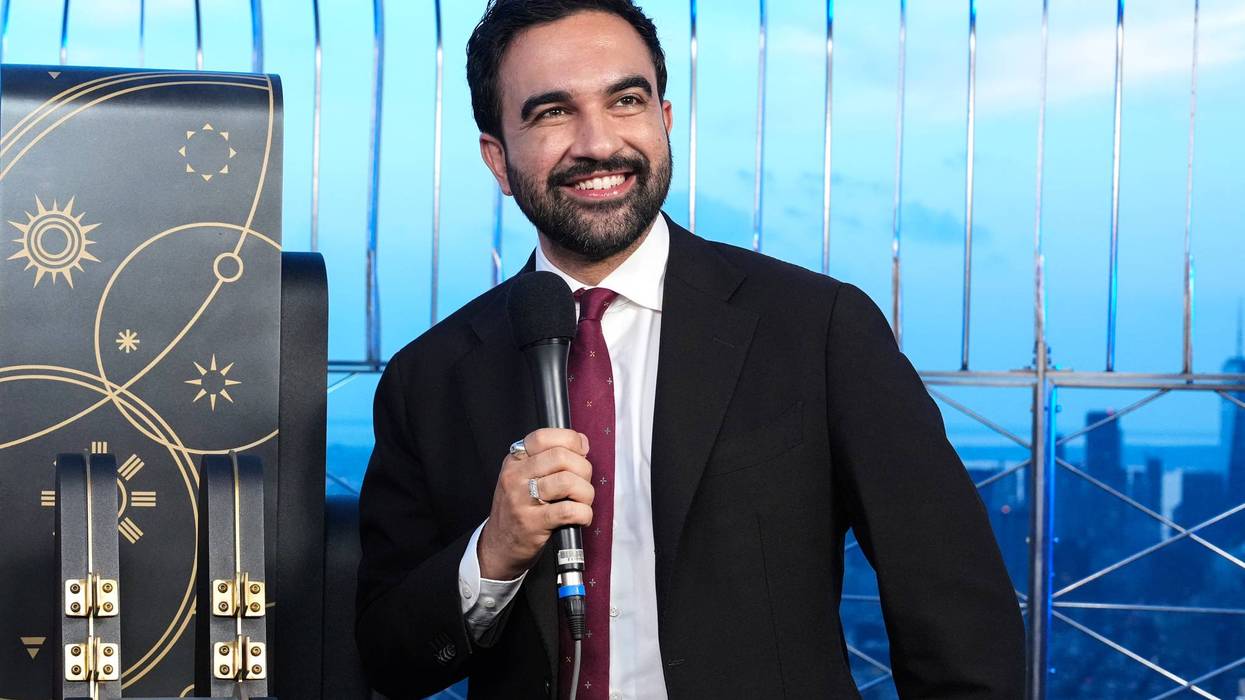
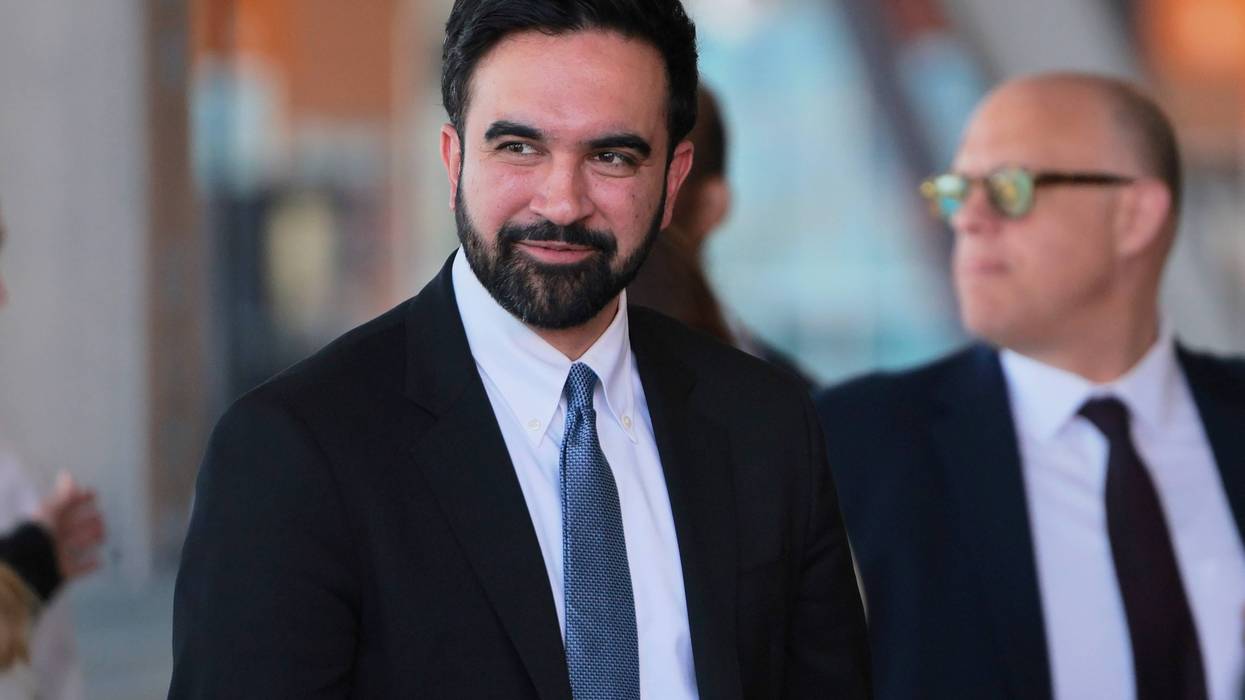
With the Trump administration refusing to take substantive antitrust action—reaching a recent deal with a meat company accused of price fixing and settling a Biden-era lawsuit that accused Live Nation of monopolizing live entertainment—New York City Mayor Zohran Mamdani is using his influential position to urge the blocking of a corporate merger that he says would harm working families across the city.
Mamdani wrote to the New York State Department of Financial Services (DFS) late last month, outlets are reporting this week, urging the state financial regulator to block Western Union's $500 million merger with International Money Express, or Intermex.
With 4.5 million users, Intermex has a small fraction of Western Union's customer base of 150 million people who use wire transfer services. But Mamdani wrote that over the past decade the smaller company has "nearly tripled its share of remittances sent from the United States"—transfers of money that immigrants send back to their families in their home countries.
"In the US-to-Ecuador and US-to-Nicaragua corridors, Intermex’s market shares are 34% and 36%, respectively," wrote the mayor, showing that it is "winning customers away from Western Union, the historic market leader."
With immigrants increasingly using remittances to secure financial stability in case they are swept up in the Trump administration's mass deportation operation, "remittances are a crucial lifeline for New Yorkers and their communities abroad," wrote Mamdani.
On social media Thursday, Mamdani added that "families shouldn’t pay the price for corporate monopolies."
He told DFS that maintaining competition between providers of the service keeps prices for families "more competitive, encourages compliance with relevant consumer protection and disclosure requirements, and incentivizes reliability."
"The proposed merger would change that. By eliminating competition between Western Union and Intermex, the deal could lead to
higher fees (including those the businesses may fail to disclose), disadvantageous rates, worse terms, poorer service, and other impacts to these communities," wrote Mamdani, who has centered his agenda as mayor on making New York City more affordable for working families. "In short, it would represent a direct wealth transfer—one that would further strain the already challenging economic circumstances facing New York City’s immigrant communities."
The mayor noted that immigrants' access to affordable remittance services are already under threat, after the Republican Party's One Big Beautiful Bill Act imposed a 1% excise tax on cash remittance transactions.
"Now, this merger threatens to impose a new private tax on these same remittances, in the form of higher, supracompetitive prices that will flow directly to Western Union’s corporate coffers," said Mamdani.
Responding to the mayor's call for the merger to be blocked, Western Union claimed in a statement to DFS this week that the companies, should they be permitted to merge, would still provide "accessible and affordable" remittance services.
The mayor cited several US Supreme Court rulings that have found corporate mergers that would substantially lessen competition to be illegal and said that despite legal precedent, "the Trump administration has declined to challenge the merger on antitrust grounds."
"But that is not where the story ends," wrote Mamdani. "Instead, the deal still requires a series of money transmitter license approvals, including from the New York State Department of Financial Services."
"The conditions for disapproval are clearly met here," the mayor continued. "The transaction is manifestly against the public
interest, as it would lead to higher fees and worse rates for hard-working, disproportionately immigrant families, across New York City and the state—all to inflate Western Union’s balance sheet."
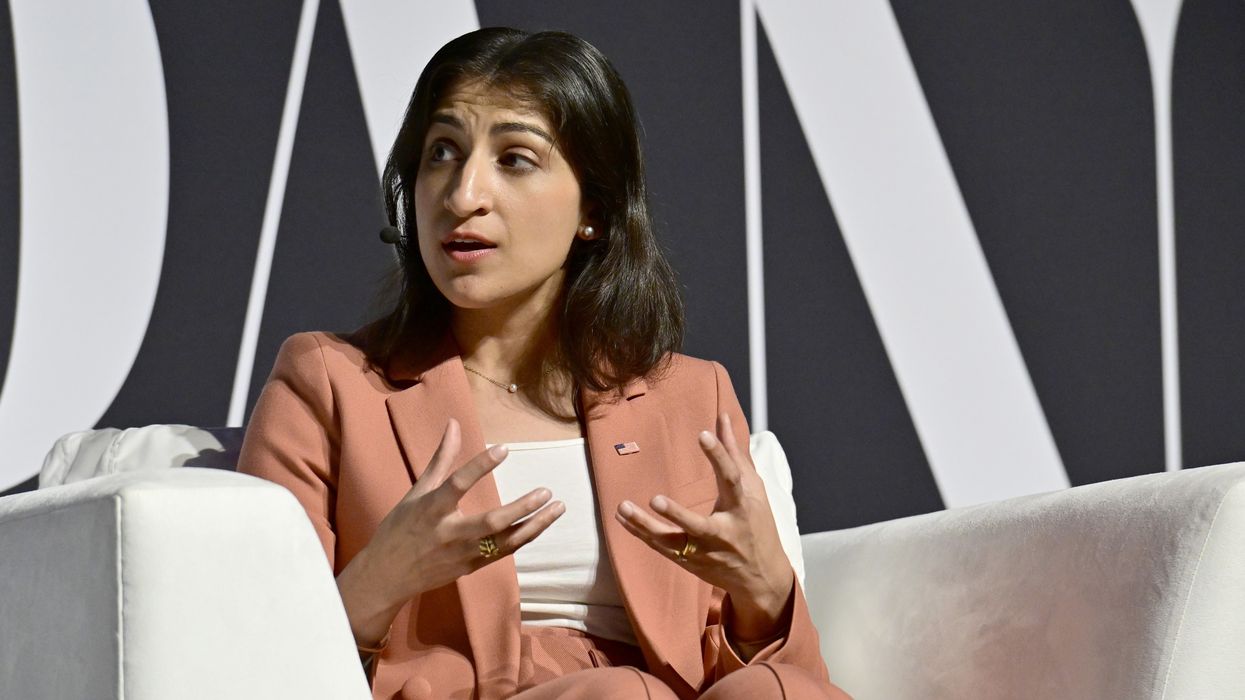
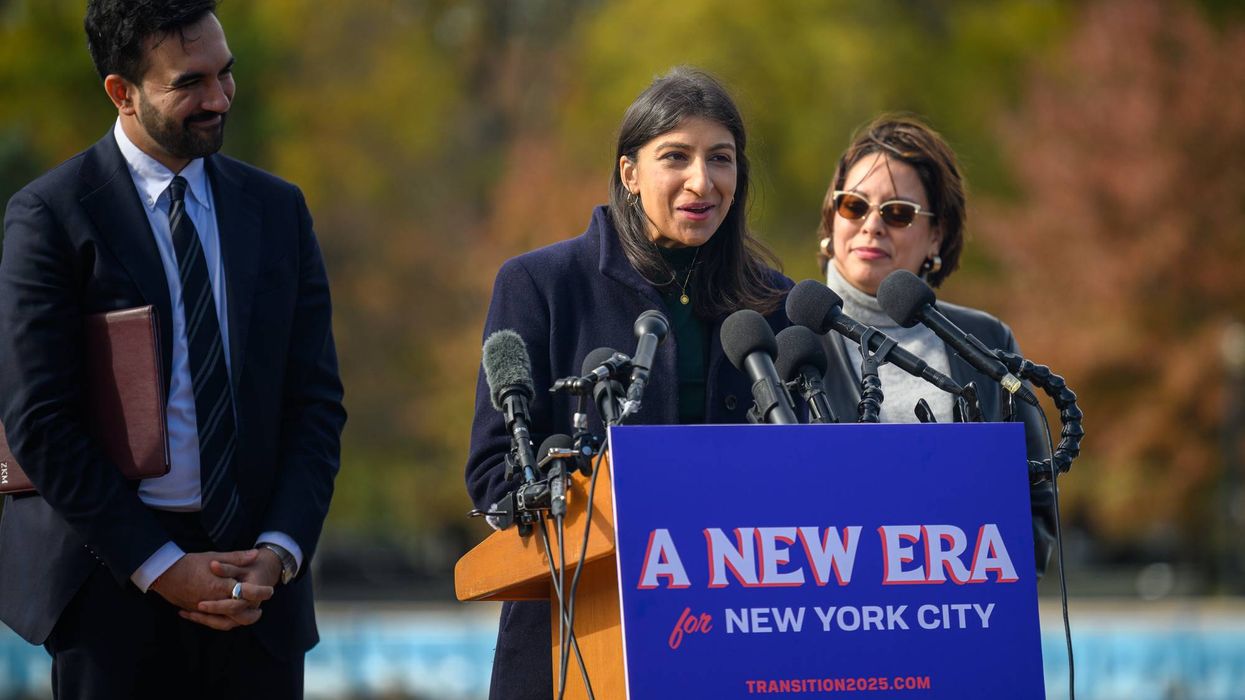
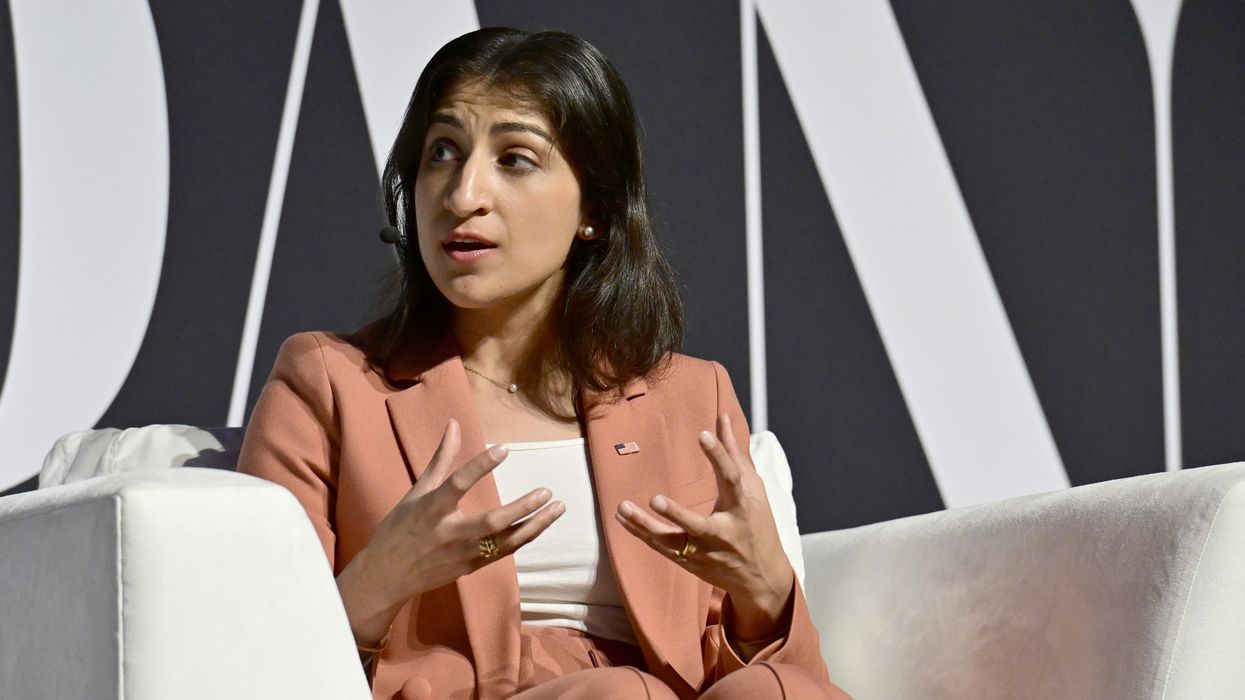
Semafor and The New York Times suggested that the influence of former Federal Trade Commission Chair Lina Khan may have pushed the mayor to lobby DFS to reject the merger. Khan is an outside adviser to Mamdani and served as co-chair of his transition team.
While working in the Biden administration, Khan blocked and challenged major corporate mergers including Kroger's attempt to acquire Albertsons, Meta's bid to buy virtual reality app company Within, and JetBlue's proposed merger with Spirit Airlines.
Daniel Hanley, a senior legal analyst at the anti-monopoly group Open Markets Institute applauded Mamdani's decision to wade into the debate over Western Union's proposed merger.
"State and local officials can supplement law enforcement," said Hanley, "while the federal government abdicates its fiduciary responsibilities."
Minnesota Attorney General Keith Ellison called the verdict "a win for everyone who thinks concert tickets are too damn expensive."
Antitrust advocates celebrated on Wednesday after a jury found that Live Nation and is subsidiary Ticketmaster were illegal monopolies who for decades systematically overcharged customers for concert tickets.
As reported by The Associated Press, the verdict against Live Nation and Ticketmaster could cost the two entities "hundreds of millions of dollars, just for the $1.72 per ticket that the jury found Ticketmaster had overcharged consumers in 22 states," and they could be forced to sell off some of the venues they own.
The case against Live Nation, which was brought by 33 states and the District of Columbia, was initially led by the US Department of Justice. However, under President Donald Trump, the DOJ last month reached a last-minute settlement with the company that would not require it to be broken up.
The state attorneys general, however, vowed to see the case through and were rewarded with a big verdict in their favor.
New York Attorney General Letitia James celebrated the verdict, describing it as "a landmark victory to protect New Yorkers from harmful monopolies."
Minnesota Attorney General Keith Ellison called the verdict "a win for everyone who thinks concert tickets are too damn expensive," and declared himself "proud to have brought this lawsuit."
District of Columbia Attorney General Brian Schwalb noted Live Nation "has raked in billions in profits from an illegal monopoly that coerces venues, restricts artists, and exploits fans," and called the verdict "a massive win in the fight for fairness for local venues, artists, and fans."
Lina Khan, former chair of the Federal Trade Commission under President Joe Biden, hailed the verdict, but said it was just "a key first step towards ending Live Nation’s monopolistic control and securing real relief for those it harmed."
Lee Hepner, senior legal counsel at the American Economic Liberties Project, said the verdict was "decades in the making," and he cited iconic Seattle band Pearl Jam's fight against Ticketmaster in the 1990s to illustrate just how long it's taken to hold the company accountable.
"Pour one out for Pearl Jam, who testified before Congress in 1993 about Ticketmaster's abuse of the live concert industry," he commented.
The Roosevelt Institute took a shot at the Trump DOJ for bailing on the case, and noted the verdict against Live Nation "only happened because state AGs kept pushing after a federal settlement that let the companies off the hook."
Khan and members of her team are reportedly "dusting off a little-used 1960s price-gouging statute" in an effort to bolster the mayor-elect's affordability push in New York City.
Former Federal Trade Commission chair and antitrust trailblazer Lina Khan is reportedly poring over New York City's laws to help Democratic Mayor-elect Zohran Mamdani fulfill the central promise of his campaign: making the metropolis more affordable.
According to the New York Times, Khan—in her capacity as co-chair of the mayor-elect's transition team—"has spent weeks scouring New York City’s laws to find dormant or underused mayoral authority that could allow Mr. Mamdani to take action in a hurry."
Potential actions "include specific attempts to drive down apartment rental fees and utility costs and compel businesses to be more transparent about pricing," as well as "dusting off a little-used 1960s price-gouging statute and policing new protections for food delivery workers," the Times reported, citing three unnamed people familiar with internal discussions.
As head of the FTC under former President Joe Biden, Khan took groundbreaking legal action against major corporations such as Amazon and, in the words of one antitrust advocacy group, "reinvigorated enforcement of the Robinson-Patman Act, a long-dormant law designed to prevent price discrimination by big corporations, through two separate cases against PepsiCo and Southern Glazer’s—major victories for smaller and independent businesses."
Khan, according to the Times, hopes to spur similar action in New York City. Members of her team, which includes former federal regulators, have "studied a 1969 consumer protection law meant to prohibit 'unconscionable' business tactics, to potentially target hospitals and sports stadiums where consumers typically have little choice but to pay high prices for products that are cheaper elsewhere."
Additionally, the newspaper reported, "they have looked at whether food delivery companies, which wield significant power in the city, are complying with laws that protect their drivers, and whether landlords are complying with a newly enacted law barring many real estate brokers from collecting thousands of dollars in fees."
Douglas Farrar, a spokesman for Khan, told the Times that the former FTC chair and her team have "worked closely" with the Mamdani transition "to provide key research support on ideas for hitting the ground running."