Beware: They Are Coming for the Journalists
Suppressing the Free Press won’t be easy, but that doesn't mean they won't try.
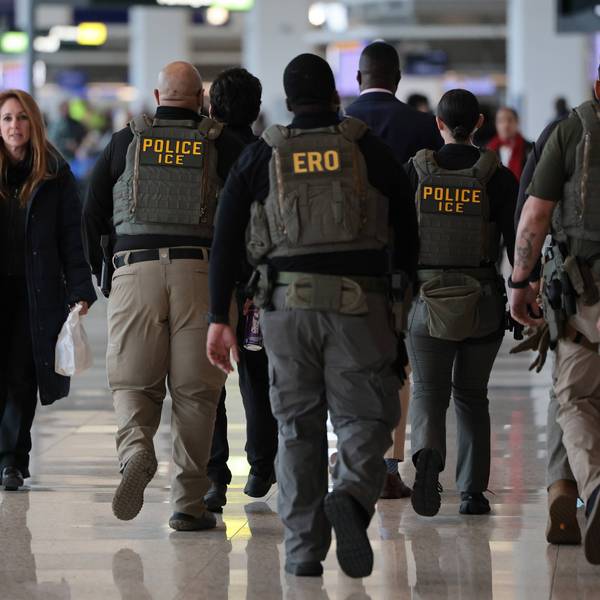
‘First they came for the journalists and then we don’t know what happened’ is an ironic take on a chilling post- World War II German minister’s confessional, only a bit less amusing today. Last Wednesday, the FBI, under the control of Trump loyalist Kash Patel, raided the home of Washington Post journalist Hannah Natanson seeking to identify her sources. She’s been the Post’s lead reporter covering the Administration’s approach to government workers. Among the items they seized were her cell phone and personal and Washington Post issued laptops.
I remember years ago leading a journalism training in Turkey for colleagues from around the Black Sea and going over some of the basics of investigative reporting including always keeping good notes and tapes stored and dated including by year as some stories become beats that can continue over a lifetime. Sergei Kiselyov, a Ukrainian colleague, offered an addendum, “I’d just suggest you also keep your notes and files somewhere other than your home or office so that when the police come to look for them, they won’t be there.” This tip should now be seriously considered by working reporters across the U.S.
While the Washington Post editorial board immediately identified the FBI raid as an attempt to suppress freedom of the press the billionaire owner of the newspaper—Amazon’s Jeff Bezos—who’s increasingly allied himself and his business interests with President Trump—has failed to comment on the raid. This is in stark contrast to a former owner Katherine Graham, who famously stood up to President’ Nixon’s attempts to silence the Post’s coverage of the Watergate Scandal.
As attempts at intimidation of the press increase, including physical intimidation while covering citizen protests, I’m reminded of another journalistic technique we might need to employ to circumvent the growing threat of censorship. During the years I covered wars in Central America my local colleagues were more likely to be killed or have their offices blown up for what they reported. They found it was safer for them to reprint stories from the foreign press and so many provided their stories to their overseas colleagues to be printed elsewhere so that they could then run them at home. Something similar happened with the Pentagon Papers in 1971when after a court injunction stopped the New York Times from continuing to print them the Washington Post and then other newspapers around the nation begin disseminating the unpublished portions until the Supreme Court (a very different Supreme Court from today’s) ruled that the government could not stop the press from publishing classified papers. Interestingly the raid on reporter Natanson’s home is being justified as a search for the source of classified papers.
While in today’s media environment, most reporters are more likely to be laid off than jailed, social media still offers a convenient means to disseminate news that the government (or media owners and their minions aligned with the government) might attempt to suppress.
Despite some of the billionaire allies of Donald Trump now controlling media outlets including the Washington Post, New York Post, CBS News, Fox News and the Sinclair Broadcast Group, plus the willingness of others to settle the President’s frivolous lawsuits to win his favor, most of the so-called “media elite” or “corporate media” is made up of working journalists.
The average salary of a full-time journalist is $86,000 a year while freelancers, who make up a third of what the Department of Labor says are 45,000 working US journalists, average $61,000 a year, this according to the job recruitment company Zippia. So, much like school teachers, people who choose journalism as a career path are more likely to be dedicated to their calling than to getting rich. In this case, their vocation is the free and accurate dissemination of truth and holding of power accountable as envisioned by the founders of the United States 250 years ago. They even made press freedom explicit in the First Amendment of the Constitution.
And while the commitment to a free press now comes with growing risks, it’s unlikely to be fatally shaken by those who would seek to undermine that freedom, send agents of the state to disrupt journalists’ work, gas or pepper spray them, sue or jail reporters or slander the working press assigned to cover them as ‘fake news’ ‘enemies of the people’, ‘stupid’ or ‘piggie.’
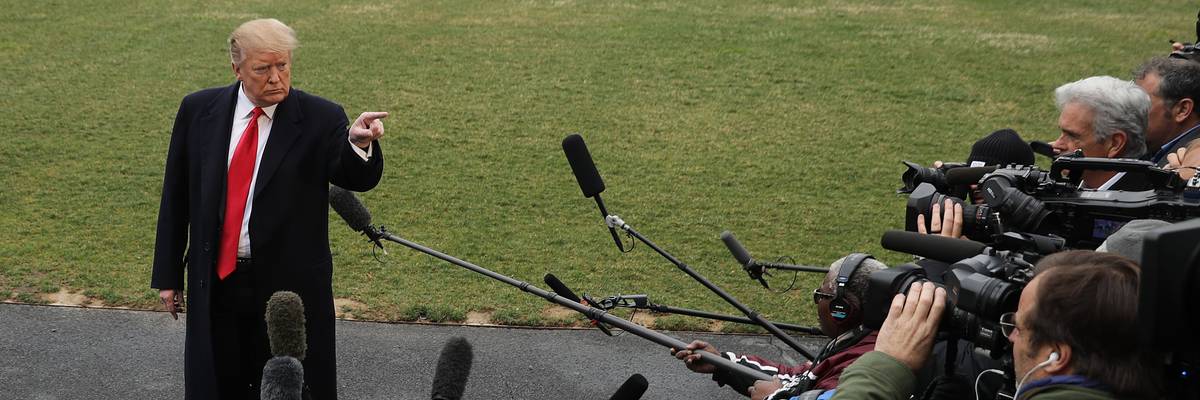
Reporters, whether being killed in Gaza and Ukraine or simply being excluded from the White House and Pentagon Press rooms, will continue to fight for their cause which is neither liberal nor conservative but simply the public’s right to know.
We are at a crossroads
This country and this world are at a monumental crossroads. In a few short weeks, US voters will have an opportunity to beat back the forces of fascism and confront the billionaires who are rigging the economy, our media system, and our democracy, making it increasingly impossible for ordinary people to get by. We’re not just talking about the election. We’re talking about what must be done once these fascist elements are vanquished from power. We need a bolder set of solutions than what either major party has so far been willing to offer and a working-class movement ready to fight like hell for it. Trump didn't emerge from nowhere. The conditions that fueled MAGA authoritarianism were created by decades of radical neoliberal economic policies and a corrupt political system dominated by corporate interests. They slashed taxes on the super-rich, promising that the benefits would trickle down. They said giveaways to the corporate titans would make life more affordable for the rest of us. It was all bullshit. And when a bitter, betrayed populace searches for someone to blame, right-wing demagogues have little trouble finding scapegoats. People know when they're being lied to, but you won't hear any of this from the corporate media. Only independent journalism—powered and funded by people who believe in building a better world—can deliver truly trustworthy daily news. Our Fall Campaign is underway, and we need your help. To power our newsroom through the rest of the year, we need to raise $125,000 by midnight on October 31. So if you share our vision, please contribute whatever you can to sustain our work. |
‘First they came for the journalists and then we don’t know what happened’ is an ironic take on a chilling post- World War II German minister’s confessional, only a bit less amusing today. Last Wednesday, the FBI, under the control of Trump loyalist Kash Patel, raided the home of Washington Post journalist Hannah Natanson seeking to identify her sources. She’s been the Post’s lead reporter covering the Administration’s approach to government workers. Among the items they seized were her cell phone and personal and Washington Post issued laptops.
I remember years ago leading a journalism training in Turkey for colleagues from around the Black Sea and going over some of the basics of investigative reporting including always keeping good notes and tapes stored and dated including by year as some stories become beats that can continue over a lifetime. Sergei Kiselyov, a Ukrainian colleague, offered an addendum, “I’d just suggest you also keep your notes and files somewhere other than your home or office so that when the police come to look for them, they won’t be there.” This tip should now be seriously considered by working reporters across the U.S.
While the Washington Post editorial board immediately identified the FBI raid as an attempt to suppress freedom of the press the billionaire owner of the newspaper—Amazon’s Jeff Bezos—who’s increasingly allied himself and his business interests with President Trump—has failed to comment on the raid. This is in stark contrast to a former owner Katherine Graham, who famously stood up to President’ Nixon’s attempts to silence the Post’s coverage of the Watergate Scandal.
As attempts at intimidation of the press increase, including physical intimidation while covering citizen protests, I’m reminded of another journalistic technique we might need to employ to circumvent the growing threat of censorship. During the years I covered wars in Central America my local colleagues were more likely to be killed or have their offices blown up for what they reported. They found it was safer for them to reprint stories from the foreign press and so many provided their stories to their overseas colleagues to be printed elsewhere so that they could then run them at home. Something similar happened with the Pentagon Papers in 1971when after a court injunction stopped the New York Times from continuing to print them the Washington Post and then other newspapers around the nation begin disseminating the unpublished portions until the Supreme Court (a very different Supreme Court from today’s) ruled that the government could not stop the press from publishing classified papers. Interestingly the raid on reporter Natanson’s home is being justified as a search for the source of classified papers.
While in today’s media environment, most reporters are more likely to be laid off than jailed, social media still offers a convenient means to disseminate news that the government (or media owners and their minions aligned with the government) might attempt to suppress.
Despite some of the billionaire allies of Donald Trump now controlling media outlets including the Washington Post, New York Post, CBS News, Fox News and the Sinclair Broadcast Group, plus the willingness of others to settle the President’s frivolous lawsuits to win his favor, most of the so-called “media elite” or “corporate media” is made up of working journalists.
The average salary of a full-time journalist is $86,000 a year while freelancers, who make up a third of what the Department of Labor says are 45,000 working US journalists, average $61,000 a year, this according to the job recruitment company Zippia. So, much like school teachers, people who choose journalism as a career path are more likely to be dedicated to their calling than to getting rich. In this case, their vocation is the free and accurate dissemination of truth and holding of power accountable as envisioned by the founders of the United States 250 years ago. They even made press freedom explicit in the First Amendment of the Constitution.
And while the commitment to a free press now comes with growing risks, it’s unlikely to be fatally shaken by those who would seek to undermine that freedom, send agents of the state to disrupt journalists’ work, gas or pepper spray them, sue or jail reporters or slander the working press assigned to cover them as ‘fake news’ ‘enemies of the people’, ‘stupid’ or ‘piggie.’
Reporters, whether being killed in Gaza and Ukraine or simply being excluded from the White House and Pentagon Press rooms, will continue to fight for their cause which is neither liberal nor conservative but simply the public’s right to know.
- Majority of Americans Agree Trump Is Weaponizing DOJ to Target Political Enemies ›
- You Could Be on Trump's Enemies List, But the Mainstream Media Won't Warn You ›
- Report Tracks Trump 'War on Free Speech' and Urges Systemic Resistance ›
- Trump Picks 'Deeply Strange' Kash Patel—Who Vowed to 'Come After People in the Media'—for FBI Director ›
‘First they came for the journalists and then we don’t know what happened’ is an ironic take on a chilling post- World War II German minister’s confessional, only a bit less amusing today. Last Wednesday, the FBI, under the control of Trump loyalist Kash Patel, raided the home of Washington Post journalist Hannah Natanson seeking to identify her sources. She’s been the Post’s lead reporter covering the Administration’s approach to government workers. Among the items they seized were her cell phone and personal and Washington Post issued laptops.
I remember years ago leading a journalism training in Turkey for colleagues from around the Black Sea and going over some of the basics of investigative reporting including always keeping good notes and tapes stored and dated including by year as some stories become beats that can continue over a lifetime. Sergei Kiselyov, a Ukrainian colleague, offered an addendum, “I’d just suggest you also keep your notes and files somewhere other than your home or office so that when the police come to look for them, they won’t be there.” This tip should now be seriously considered by working reporters across the U.S.
While the Washington Post editorial board immediately identified the FBI raid as an attempt to suppress freedom of the press the billionaire owner of the newspaper—Amazon’s Jeff Bezos—who’s increasingly allied himself and his business interests with President Trump—has failed to comment on the raid. This is in stark contrast to a former owner Katherine Graham, who famously stood up to President’ Nixon’s attempts to silence the Post’s coverage of the Watergate Scandal.
As attempts at intimidation of the press increase, including physical intimidation while covering citizen protests, I’m reminded of another journalistic technique we might need to employ to circumvent the growing threat of censorship. During the years I covered wars in Central America my local colleagues were more likely to be killed or have their offices blown up for what they reported. They found it was safer for them to reprint stories from the foreign press and so many provided their stories to their overseas colleagues to be printed elsewhere so that they could then run them at home. Something similar happened with the Pentagon Papers in 1971when after a court injunction stopped the New York Times from continuing to print them the Washington Post and then other newspapers around the nation begin disseminating the unpublished portions until the Supreme Court (a very different Supreme Court from today’s) ruled that the government could not stop the press from publishing classified papers. Interestingly the raid on reporter Natanson’s home is being justified as a search for the source of classified papers.
While in today’s media environment, most reporters are more likely to be laid off than jailed, social media still offers a convenient means to disseminate news that the government (or media owners and their minions aligned with the government) might attempt to suppress.
Despite some of the billionaire allies of Donald Trump now controlling media outlets including the Washington Post, New York Post, CBS News, Fox News and the Sinclair Broadcast Group, plus the willingness of others to settle the President’s frivolous lawsuits to win his favor, most of the so-called “media elite” or “corporate media” is made up of working journalists.
The average salary of a full-time journalist is $86,000 a year while freelancers, who make up a third of what the Department of Labor says are 45,000 working US journalists, average $61,000 a year, this according to the job recruitment company Zippia. So, much like school teachers, people who choose journalism as a career path are more likely to be dedicated to their calling than to getting rich. In this case, their vocation is the free and accurate dissemination of truth and holding of power accountable as envisioned by the founders of the United States 250 years ago. They even made press freedom explicit in the First Amendment of the Constitution.
And while the commitment to a free press now comes with growing risks, it’s unlikely to be fatally shaken by those who would seek to undermine that freedom, send agents of the state to disrupt journalists’ work, gas or pepper spray them, sue or jail reporters or slander the working press assigned to cover them as ‘fake news’ ‘enemies of the people’, ‘stupid’ or ‘piggie.’
Reporters, whether being killed in Gaza and Ukraine or simply being excluded from the White House and Pentagon Press rooms, will continue to fight for their cause which is neither liberal nor conservative but simply the public’s right to know.
- Majority of Americans Agree Trump Is Weaponizing DOJ to Target Political Enemies ›
- You Could Be on Trump's Enemies List, But the Mainstream Media Won't Warn You ›
- Report Tracks Trump 'War on Free Speech' and Urges Systemic Resistance ›
- Trump Picks 'Deeply Strange' Kash Patel—Who Vowed to 'Come After People in the Media'—for FBI Director ›