SUBSCRIBE TO OUR FREE NEWSLETTER
Daily news & progressive opinion—funded by the people, not the corporations—delivered straight to your inbox.
5
#000000
#FFFFFF
To donate by check, phone, or other method, see our More Ways to Give page.
There are few tools left for a young girl coping with the reality of surviving a genocide, and so she writes in her journal.
Rachel Corrie was 23 years old when she left her hometown of Olympia, Washington in 2003 to volunteer in Rafah and Gaza City. It was her second time ever leaving the United States.
While in the occupied territories in Israel, Rachel wrote furious to-do lists about possible next steps she should take as a volunteer acclimating to a new country. From getting a new phone number to call her mom, to calling the other organizers she worked with, her journals quickly filled with reminders about the next important thing she needed to do, and the larger questions she wrestled with as she dreamed and planned for her future.
In the safety of her diary, Rachel reckoned with the US military-industrial complex and Israeli soldiers shooting at children, and how these forces overshadowed the nonviolent activism she engaged in.
Rachel, Anne, and Aysenur are dead because genocide does not differentiate the joyful young girl from the villainized political “threat” to the supremacist military state.
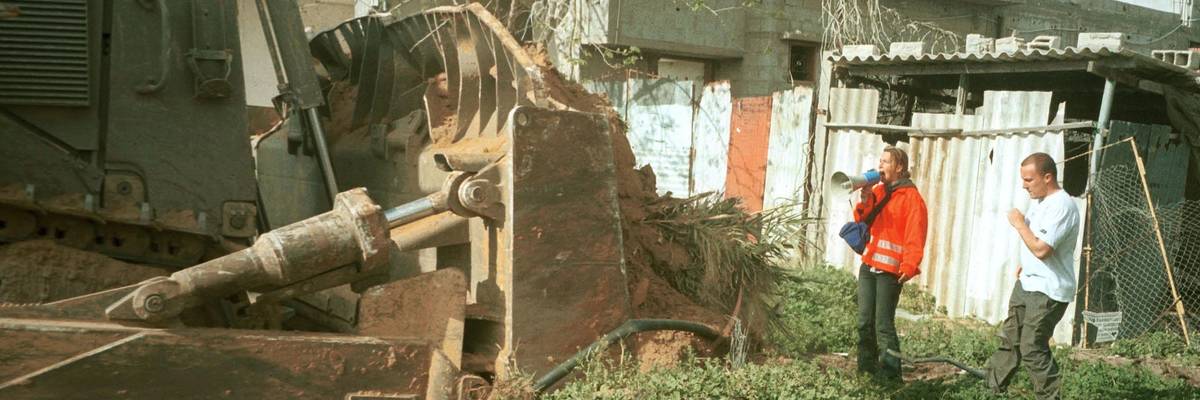
On March 16, 2003 Rachel Corrie stood outside the home of a Palestinian family to position herself as an unwavering obstacle in the face of a bulldozer driven by Israeli soldiers intending to violently wreck the 600th Palestinian home that week. Despite her privileged white skin and neon orange jacket demanding the protections that an American citizen is supposedly entitled to, the bulldozer pushed her down a mound of dirt and drove over her body, crushing and killing her while an audience of activists and families watched in powerless dismay.
Rachel’s journal entries and emails to her parents in the weeks leading up to her murder were collected and curated into a play called My Name is Rachel Corrie. Recently, I watched a powerful production of this play at the Mirage Theatre in Kendall, Florida and it reminded me of three other girls whose documentation of their daily life became a historic tool for the world to understand a genocide, and how the precarity of the life and death of one young girl can touch a million hearts and humanize the victims who experience war.
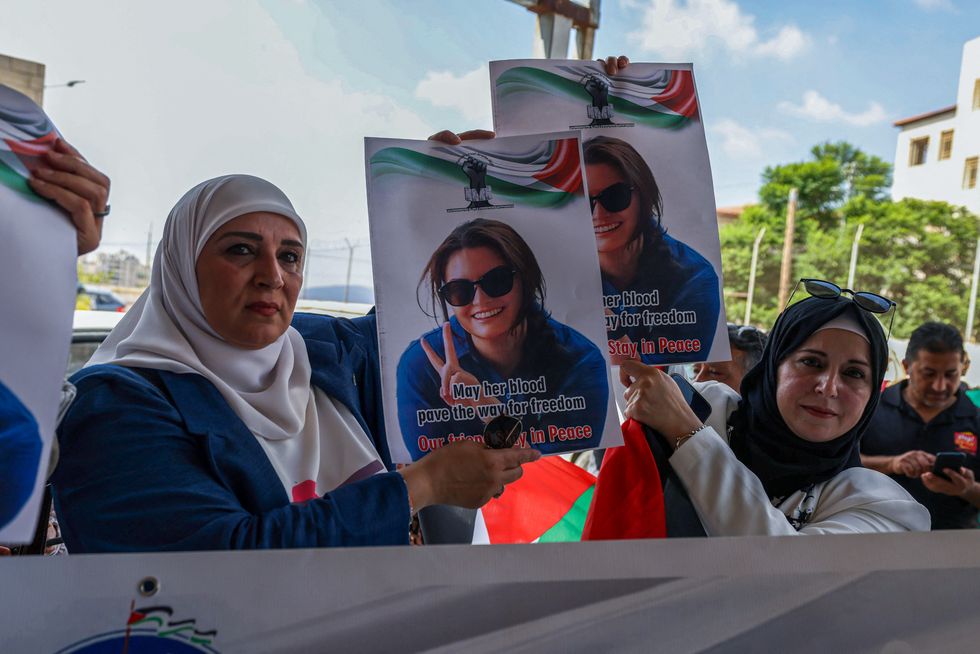 Palestinians and international activists lift portraits of slain Turkish-American activist Aysenur Ezgi Eygi as they arrive for her final farewell at the Rafidia hospital morgue in Nablus in the occupied West Bank on September 8, 2024. (Photo by Jaafar Ashtiyeh/ AFP via Getty Images)
The story of Rachel Corrie mirrors that of Aysenur Ezgi Eygi, another American from Washington who went to volunteer in the West Bank in 2024 after graduating college. Like Rachel, Aysenur was moved by the ongoing oppression of Palestinians, and the current genocide. She traveled to the West Bank and was trained in nonviolent activism practiced to show resistance to injustice without provoking violent reaction. On September 6, 2024, just three days into her volunteer mission, Aysenur peacefully ended a protest, followed Israeli military orders to vacate and disperse, and was standing with other activists in an olive orchard when an Israeli soldier shot her through her head. This murder of a US citizen happened during the Biden administration, and despite urgency from Aysenur’s congressional Rep. Pramila Jayapal (D-Wash.), her murder was never prosecuted as a war crime, violation of international law, or example of a larger practice of unjustified murders Israeli soldiers have committed since 1948.
Rachel Corrie and Aysenur Ezgi Eygi were young, hopeful, and driven by a deep sense of compassion and justice. They were courageous to risk their safety by volunteering in Gaza and the West Bank, but no volunteer participating in a peaceful demonstration should be murdered. The loss of two extremely bright girls with impressive futures ahead is devastating and cruel.
When discussing young girls who keep diaries during genocides, I don’t need to introduce the world to Anne Frank, or the power of her diary as an educational tool about the Holocaust that has been translated into dozens of languages across the world. Her father, Otto Frank, decided to publish Anne’s diary to memorialize his grief, love, and pride for his daughter’s unbridled spirit and unfinished life, and thanks to him millions of non-Jewish people are introduced to the Holocaust and emotionally moved to believe that an atrocity like that should never happen again.
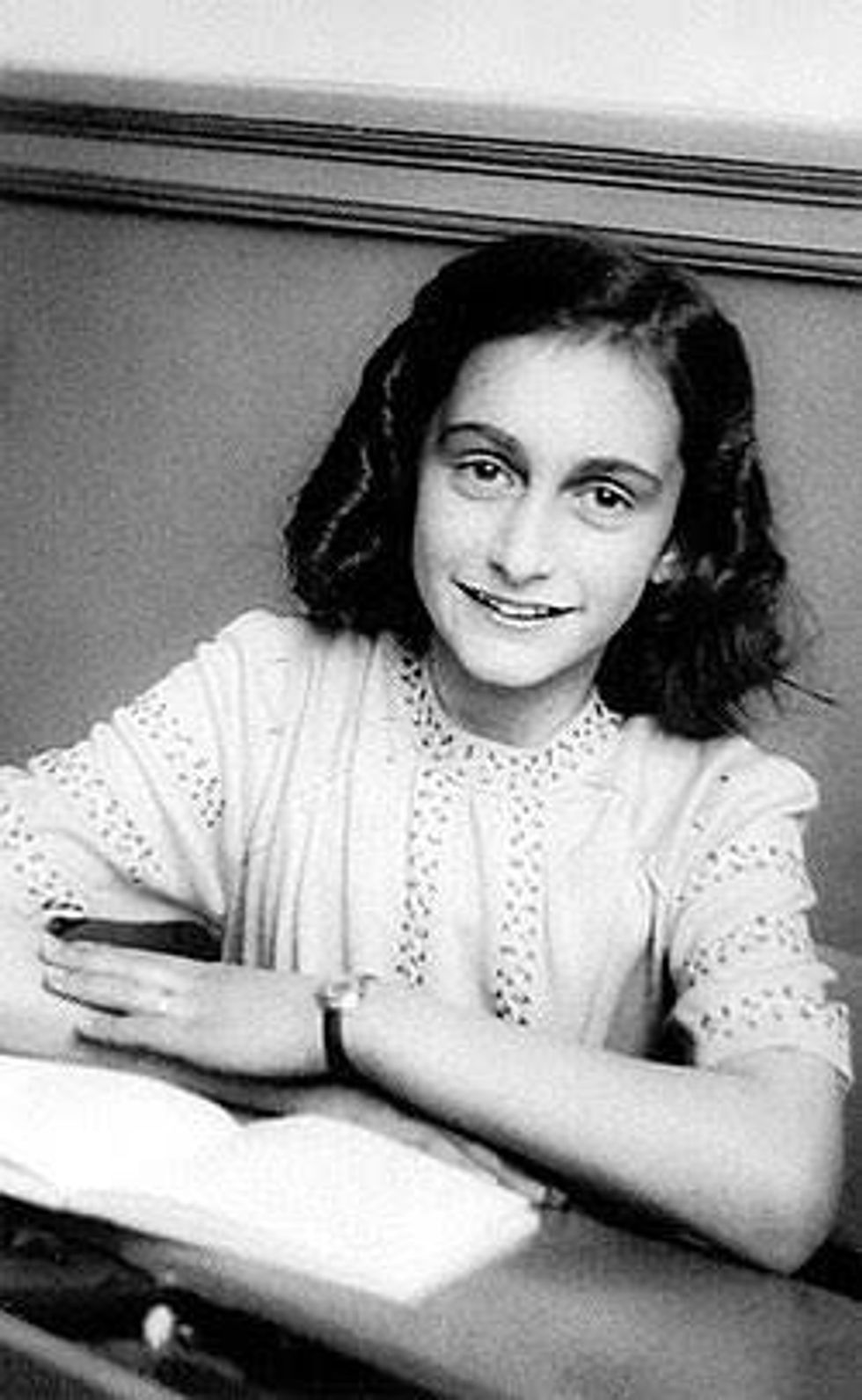
My mom is a Holocaust educator who takes hundreds of Florida students every year through a model of the annex Anne Frank hid in. She introduces students to this girl named Anne who was around their age when she hid from Nazis, and died of typhus in Bergen-Belsen concentration camp just weeks before it was liberated by British forces.
While my Mom and I often disagree about the politics of Israel, we share an extensive education on the Holocaust, and the firm values that human rights should be respected, and that never again means never again for anyone. During one of our disagreements about whether or not a genocide was occurring in Gaza, I reminded her of our shared values, and shared the name of a young girl my age: Bisan Owda.
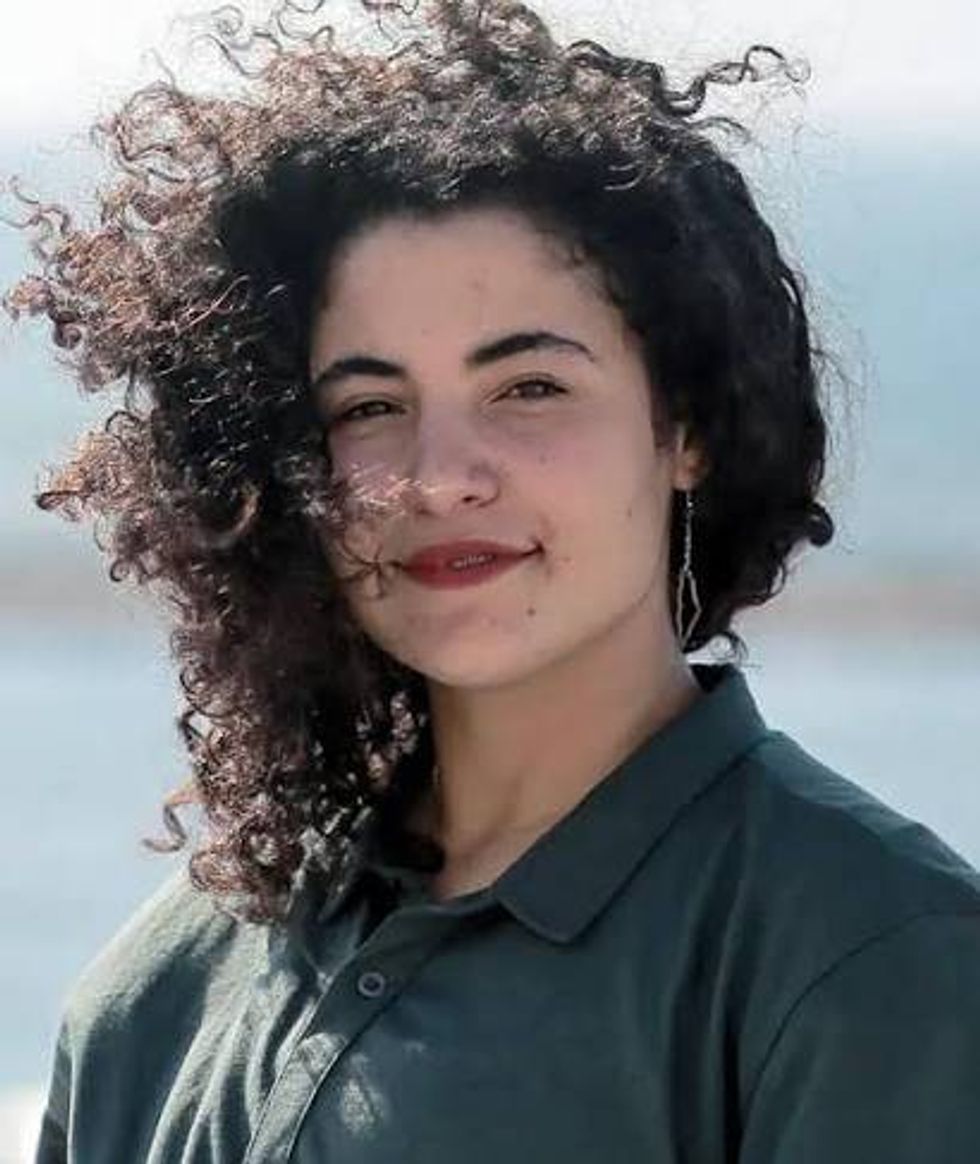
Bisan is a 29-year-old journalist in Gaza, whose charm and unwavering spark of life reaches millions of people across the world through her daily Instagram videos titled: It’s Bisan from Gaza, and I’m Still Alive. I told my mom that Bisan’s Instagram posts remind me of a modern Anne Frank’s diary, and that every time I see her face on my feed I am relieved she survived another day of these three years of Hell.
Rachel Corrie, Anne Frank and Aysenur Ezgi Eygi are dead, but I hope Bisan Owda lives to see the end of this genocide, and a world where Palestinians have the same safety, peace, dignity, and sovereignty that others are granted, entitled to, and have the privilege and power of possessing. Now that my mom knows Bisan’s name and watches her Instagram videos, she also hopes that Bisan survives this genocide.
When someone is apathetic to a group identity, or denies an ethnic cleansing, sometimes the simplicity of one name, a face, an innocent spirit, a young girl dreaming about her future despite the uncertainty of her death, can clarify the human impact of genocide.
Her name is Rachel Corrie. Anne Frank. Aysenur Ezgi Eygi. Bisan Owda
She is one precarious life in a war of indiscriminate massacre. One flower in a bloodied field.
Rachel, Anne, and Aysenur are dead because genocide does not differentiate the joyful young girl from the villainized political “threat” to the supremacist military state.
Bisan is still alive. We can follow her story, share her name, and find the individual humanity that she shares with the millions of Palestinian children, mothers, fathers, uncles, and brothers immensely suffering that all deserve to live in peace with dignity.
There are few tools left for a young girl coping with the reality of surviving a genocide, and so she writes in her journal.
Rachel Corrie was 23 years old when she left her hometown of Olympia, Washington in 2003 to volunteer in Rafah and Gaza City. It was her second time ever leaving the United States.
While in the occupied territories in Israel, Rachel wrote furious to-do lists about possible next steps she should take as a volunteer acclimating to a new country. From getting a new phone number to call her mom, to calling the other organizers she worked with, her journals quickly filled with reminders about the next important thing she needed to do, and the larger questions she wrestled with as she dreamed and planned for her future.
In the safety of her diary, Rachel reckoned with the US military-industrial complex and Israeli soldiers shooting at children, and how these forces overshadowed the nonviolent activism she engaged in.
Rachel, Anne, and Aysenur are dead because genocide does not differentiate the joyful young girl from the villainized political “threat” to the supremacist military state.
On March 16, 2003 Rachel Corrie stood outside the home of a Palestinian family to position herself as an unwavering obstacle in the face of a bulldozer driven by Israeli soldiers intending to violently wreck the 600th Palestinian home that week. Despite her privileged white skin and neon orange jacket demanding the protections that an American citizen is supposedly entitled to, the bulldozer pushed her down a mound of dirt and drove over her body, crushing and killing her while an audience of activists and families watched in powerless dismay.
Rachel’s journal entries and emails to her parents in the weeks leading up to her murder were collected and curated into a play called My Name is Rachel Corrie. Recently, I watched a powerful production of this play at the Mirage Theatre in Kendall, Florida and it reminded me of three other girls whose documentation of their daily life became a historic tool for the world to understand a genocide, and how the precarity of the life and death of one young girl can touch a million hearts and humanize the victims who experience war.
Palestinians and international activists lift portraits of slain Turkish-American activist Aysenur Ezgi Eygi as they arrive for her final farewell at the Rafidia hospital morgue in Nablus in the occupied West Bank on September 8, 2024. (Photo by Jaafar Ashtiyeh/ AFP via Getty Images)
The story of Rachel Corrie mirrors that of Aysenur Ezgi Eygi, another American from Washington who went to volunteer in the West Bank in 2024 after graduating college. Like Rachel, Aysenur was moved by the ongoing oppression of Palestinians, and the current genocide. She traveled to the West Bank and was trained in nonviolent activism practiced to show resistance to injustice without provoking violent reaction. On September 6, 2024, just three days into her volunteer mission, Aysenur peacefully ended a protest, followed Israeli military orders to vacate and disperse, and was standing with other activists in an olive orchard when an Israeli soldier shot her through her head. This murder of a US citizen happened during the Biden administration, and despite urgency from Aysenur’s congressional Rep. Pramila Jayapal (D-Wash.), her murder was never prosecuted as a war crime, violation of international law, or example of a larger practice of unjustified murders Israeli soldiers have committed since 1948.
Rachel Corrie and Aysenur Ezgi Eygi were young, hopeful, and driven by a deep sense of compassion and justice. They were courageous to risk their safety by volunteering in Gaza and the West Bank, but no volunteer participating in a peaceful demonstration should be murdered. The loss of two extremely bright girls with impressive futures ahead is devastating and cruel.
When discussing young girls who keep diaries during genocides, I don’t need to introduce the world to Anne Frank, or the power of her diary as an educational tool about the Holocaust that has been translated into dozens of languages across the world. Her father, Otto Frank, decided to publish Anne’s diary to memorialize his grief, love, and pride for his daughter’s unbridled spirit and unfinished life, and thanks to him millions of non-Jewish people are introduced to the Holocaust and emotionally moved to believe that an atrocity like that should never happen again.
My mom is a Holocaust educator who takes hundreds of Florida students every year through a model of the annex Anne Frank hid in. She introduces students to this girl named Anne who was around their age when she hid from Nazis, and died of typhus in Bergen-Belsen concentration camp just weeks before it was liberated by British forces.
While my Mom and I often disagree about the politics of Israel, we share an extensive education on the Holocaust, and the firm values that human rights should be respected, and that never again means never again for anyone. During one of our disagreements about whether or not a genocide was occurring in Gaza, I reminded her of our shared values, and shared the name of a young girl my age: Bisan Owda.
Bisan is a 29-year-old journalist in Gaza, whose charm and unwavering spark of life reaches millions of people across the world through her daily Instagram videos titled: It’s Bisan from Gaza, and I’m Still Alive. I told my mom that Bisan’s Instagram posts remind me of a modern Anne Frank’s diary, and that every time I see her face on my feed I am relieved she survived another day of these three years of Hell.
Rachel Corrie, Anne Frank and Aysenur Ezgi Eygi are dead, but I hope Bisan Owda lives to see the end of this genocide, and a world where Palestinians have the same safety, peace, dignity, and sovereignty that others are granted, entitled to, and have the privilege and power of possessing. Now that my mom knows Bisan’s name and watches her Instagram videos, she also hopes that Bisan survives this genocide.
When someone is apathetic to a group identity, or denies an ethnic cleansing, sometimes the simplicity of one name, a face, an innocent spirit, a young girl dreaming about her future despite the uncertainty of her death, can clarify the human impact of genocide.
Her name is Rachel Corrie. Anne Frank. Aysenur Ezgi Eygi. Bisan Owda
She is one precarious life in a war of indiscriminate massacre. One flower in a bloodied field.
Rachel, Anne, and Aysenur are dead because genocide does not differentiate the joyful young girl from the villainized political “threat” to the supremacist military state.
Bisan is still alive. We can follow her story, share her name, and find the individual humanity that she shares with the millions of Palestinian children, mothers, fathers, uncles, and brothers immensely suffering that all deserve to live in peace with dignity.
There are few tools left for a young girl coping with the reality of surviving a genocide, and so she writes in her journal.
Rachel Corrie was 23 years old when she left her hometown of Olympia, Washington in 2003 to volunteer in Rafah and Gaza City. It was her second time ever leaving the United States.
While in the occupied territories in Israel, Rachel wrote furious to-do lists about possible next steps she should take as a volunteer acclimating to a new country. From getting a new phone number to call her mom, to calling the other organizers she worked with, her journals quickly filled with reminders about the next important thing she needed to do, and the larger questions she wrestled with as she dreamed and planned for her future.
In the safety of her diary, Rachel reckoned with the US military-industrial complex and Israeli soldiers shooting at children, and how these forces overshadowed the nonviolent activism she engaged in.
Rachel, Anne, and Aysenur are dead because genocide does not differentiate the joyful young girl from the villainized political “threat” to the supremacist military state.
On March 16, 2003 Rachel Corrie stood outside the home of a Palestinian family to position herself as an unwavering obstacle in the face of a bulldozer driven by Israeli soldiers intending to violently wreck the 600th Palestinian home that week. Despite her privileged white skin and neon orange jacket demanding the protections that an American citizen is supposedly entitled to, the bulldozer pushed her down a mound of dirt and drove over her body, crushing and killing her while an audience of activists and families watched in powerless dismay.
Rachel’s journal entries and emails to her parents in the weeks leading up to her murder were collected and curated into a play called My Name is Rachel Corrie. Recently, I watched a powerful production of this play at the Mirage Theatre in Kendall, Florida and it reminded me of three other girls whose documentation of their daily life became a historic tool for the world to understand a genocide, and how the precarity of the life and death of one young girl can touch a million hearts and humanize the victims who experience war.
Palestinians and international activists lift portraits of slain Turkish-American activist Aysenur Ezgi Eygi as they arrive for her final farewell at the Rafidia hospital morgue in Nablus in the occupied West Bank on September 8, 2024. (Photo by Jaafar Ashtiyeh/ AFP via Getty Images)
The story of Rachel Corrie mirrors that of Aysenur Ezgi Eygi, another American from Washington who went to volunteer in the West Bank in 2024 after graduating college. Like Rachel, Aysenur was moved by the ongoing oppression of Palestinians, and the current genocide. She traveled to the West Bank and was trained in nonviolent activism practiced to show resistance to injustice without provoking violent reaction. On September 6, 2024, just three days into her volunteer mission, Aysenur peacefully ended a protest, followed Israeli military orders to vacate and disperse, and was standing with other activists in an olive orchard when an Israeli soldier shot her through her head. This murder of a US citizen happened during the Biden administration, and despite urgency from Aysenur’s congressional Rep. Pramila Jayapal (D-Wash.), her murder was never prosecuted as a war crime, violation of international law, or example of a larger practice of unjustified murders Israeli soldiers have committed since 1948.
Rachel Corrie and Aysenur Ezgi Eygi were young, hopeful, and driven by a deep sense of compassion and justice. They were courageous to risk their safety by volunteering in Gaza and the West Bank, but no volunteer participating in a peaceful demonstration should be murdered. The loss of two extremely bright girls with impressive futures ahead is devastating and cruel.
When discussing young girls who keep diaries during genocides, I don’t need to introduce the world to Anne Frank, or the power of her diary as an educational tool about the Holocaust that has been translated into dozens of languages across the world. Her father, Otto Frank, decided to publish Anne’s diary to memorialize his grief, love, and pride for his daughter’s unbridled spirit and unfinished life, and thanks to him millions of non-Jewish people are introduced to the Holocaust and emotionally moved to believe that an atrocity like that should never happen again.
My mom is a Holocaust educator who takes hundreds of Florida students every year through a model of the annex Anne Frank hid in. She introduces students to this girl named Anne who was around their age when she hid from Nazis, and died of typhus in Bergen-Belsen concentration camp just weeks before it was liberated by British forces.
While my Mom and I often disagree about the politics of Israel, we share an extensive education on the Holocaust, and the firm values that human rights should be respected, and that never again means never again for anyone. During one of our disagreements about whether or not a genocide was occurring in Gaza, I reminded her of our shared values, and shared the name of a young girl my age: Bisan Owda.
Bisan is a 29-year-old journalist in Gaza, whose charm and unwavering spark of life reaches millions of people across the world through her daily Instagram videos titled: It’s Bisan from Gaza, and I’m Still Alive. I told my mom that Bisan’s Instagram posts remind me of a modern Anne Frank’s diary, and that every time I see her face on my feed I am relieved she survived another day of these three years of Hell.
Rachel Corrie, Anne Frank and Aysenur Ezgi Eygi are dead, but I hope Bisan Owda lives to see the end of this genocide, and a world where Palestinians have the same safety, peace, dignity, and sovereignty that others are granted, entitled to, and have the privilege and power of possessing. Now that my mom knows Bisan’s name and watches her Instagram videos, she also hopes that Bisan survives this genocide.
When someone is apathetic to a group identity, or denies an ethnic cleansing, sometimes the simplicity of one name, a face, an innocent spirit, a young girl dreaming about her future despite the uncertainty of her death, can clarify the human impact of genocide.
Her name is Rachel Corrie. Anne Frank. Aysenur Ezgi Eygi. Bisan Owda
She is one precarious life in a war of indiscriminate massacre. One flower in a bloodied field.
Rachel, Anne, and Aysenur are dead because genocide does not differentiate the joyful young girl from the villainized political “threat” to the supremacist military state.
Bisan is still alive. We can follow her story, share her name, and find the individual humanity that she shares with the millions of Palestinian children, mothers, fathers, uncles, and brothers immensely suffering that all deserve to live in peace with dignity.