SUBSCRIBE TO OUR FREE NEWSLETTER
Daily news & progressive opinion—funded by the people, not the corporations—delivered straight to your inbox.
5
#000000
#FFFFFF
To donate by check, phone, or other method, see our More Ways to Give page.
Daily news & progressive opinion—funded by the people, not the corporations—delivered straight to your inbox.
“The last time a country ‘unconditionally surrendered’ to the US was after we dropped atomic bombs on Japan,” noted one foreign policy scholar.
President Donald Trump’s demand for an ‘unconditional surrender” from Iran is raising fears that the massive military campaign he unleashed this past weekend will turn into an unmitigated disaster, potentially unseen since the Second World War.
“There will be no deal with Iran except UNCONDITIONAL SURRENDER,” the president wrote Friday morning on Truth Social. “After that, and the selection of a GREAT & ACCEPTABLE Leader(s), we, and many of our wonderful and very brave allies and partners, will work tirelessly to bring Iran back from the brink of destruction, making it economically bigger, better, and stronger than ever before.”
Dylan Williams, vice president for government affairs at the Center for International Policy, explained how unprecedented this demand was.
"The invasion and occupation of Iraq and replacing the Taliban with the Taliban after 20 years in Afghanistan were disastrous enough without seeking their formal surrender,” he said.
Each of those conflicts entailed the deployment of more than a million US soldiers and dragged on for years, costing hundreds of thousands of lives.
“The last time a country ‘unconditionally surrendered’ to the US was after we dropped atomic bombs on Japan,” Williams added.
With each passing day, the Trump administration has seemed to extend its projections for the scope and duration of its regime-change campaign in Iran.
Last Saturday, the first day of “Operation Epic Fury,” which killed Iranian Supreme Leader Ayatollah Ali Khamenei, Trump projected that the war would be over in “four weeks or less.” The next day, he adjusted that to say it could go on for “four to five” weeks, or perhaps “much longer.”
By Wednesday, Defense Secretary Pete Hegseth said the war could drag on for as long as “eight weeks.” That same day, Politico reported that US Central Command (CENTCOM) had requested additional intelligence officers for its Tampa headquarters to support Iran operations for “at least 100 days but likely through September.”
According to data analyzed by the Human Rights Activists News Agency (HRANA), part of a US-based human rights monitor for Iran, at least 1,168 civilians have been killed in the US-Israeli war against Iran, where Hegseth boasted earlier this week that the US is raining down “death and destruction from the sky all day long.”
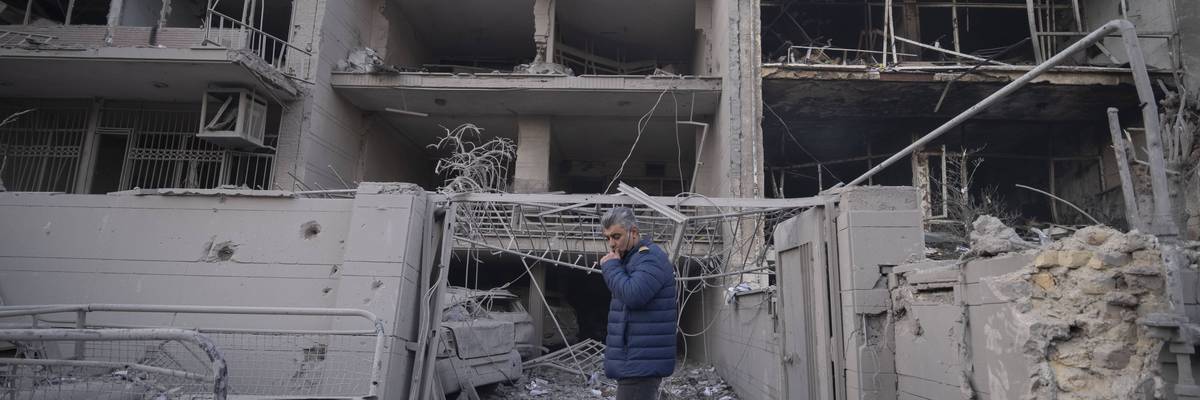
Investigations have revealed that the deadly bombing of a girls' school, which killed at least 175 people last weekend, mostly children, was "likely" carried out by the US, and several other schools have also been attacked.Following retaliation from the Iranian-aligned militia Hezbollah, Israel has launched a new onslaught into Lebanon. This week, the Israeli military ordered more than half a million people to flee their homes immediately and has pounded Beirut and other areas with airstrikes, killing more than 200 as of Friday, according to the Lebanese health ministry.
Trump reportedly began the war expecting a swift and painless display of overwhelming force akin to his abduction of Venezuelan President Nicolás Maduro in January. But Iran has mounted a fearsome retaliation that has hit US bases and other infrastructure in several of the wealthy Persian Gulf states aligned with the US and Israel, killing at least six American troops.
"Trump demands Iran's unconditional surrender," said Sina Toosi, a senior fellow at the Center for International Policy. "Meanwhile, the Strait of Hormuz remains closed, global economic costs are rapidly mounting, Iranian missile and drone strikes continue, several US [missile defense] and radar facilities have been hit, interceptors are being drained, and Israeli air defenses are showing strain."
"Inside Iran, there are no signs of regime disintegration or unrest. The Islamic Republic’s base, and beyond it, continues to be mobilized in the streets across the country while officials assert they are prepared for a long war," he continued. "Gulf allies haven’t joined in attacking Iran and appear more angry that Trump launched this war against their wishes."
"The reality on the ground," Toosi said, "looks nothing like the fantasy seemingly in Trump's head and being sold by some in Washington."
Trita Parsi, the executive vice president at the Quincy Institute for Responsible Statecraft, said that Trump’s demand for an unconditional surrender suggests that rather than seeking an offramp, he is retreating further into delusion about the ease with which the US can force Iran to capitulate.
“He was lulled into believing that Iranian surrender is in the cards,” Parsi said. “It isn’t.”
Parsi said Trump rejected diplomatic solutions, including a deal mediated by Oman just before the attack began, under which Iran had agreed to stop stockpiling enriched uranium and degrade what it has to the point where it could not be used for a nuclear weapon.
“The false lure of surrender,” he said, “is why his war is turning into a disaster.”
Dear Common Dreams reader, It’s been nearly 30 years since I co-founded Common Dreams with my late wife, Lina Newhouser. We had the radical notion that journalism should serve the public good, not corporate profits. It was clear to us from the outset what it would take to build such a project. No paid advertisements. No corporate sponsors. No millionaire publisher telling us what to think or do. Many people said we wouldn't last a year, but we proved those doubters wrong. Together with a tremendous team of journalists and dedicated staff, we built an independent media outlet free from the constraints of profits and corporate control. Our mission has always been simple: To inform. To inspire. To ignite change for the common good. Building Common Dreams was not easy. Our survival was never guaranteed. When you take on the most powerful forces—Wall Street greed, fossil fuel industry destruction, Big Tech lobbyists, and uber-rich oligarchs who have spent billions upon billions rigging the economy and democracy in their favor—the only bulwark you have is supporters who believe in your work. But here’s the urgent message from me today. It's never been this bad out there. And it's never been this hard to keep us going. At the very moment Common Dreams is most needed, the threats we face are intensifying. We need your support now more than ever. We don't accept corporate advertising and never will. We don't have a paywall because we don't think people should be blocked from critical news based on their ability to pay. Everything we do is funded by the donations of readers like you. When everyone does the little they can afford, we are strong. But if that support retreats or dries up, so do we. Will you donate now to make sure Common Dreams not only survives but thrives? —Craig Brown, Co-founder |
President Donald Trump’s demand for an ‘unconditional surrender” from Iran is raising fears that the massive military campaign he unleashed this past weekend will turn into an unmitigated disaster, potentially unseen since the Second World War.
“There will be no deal with Iran except UNCONDITIONAL SURRENDER,” the president wrote Friday morning on Truth Social. “After that, and the selection of a GREAT & ACCEPTABLE Leader(s), we, and many of our wonderful and very brave allies and partners, will work tirelessly to bring Iran back from the brink of destruction, making it economically bigger, better, and stronger than ever before.”
Dylan Williams, vice president for government affairs at the Center for International Policy, explained how unprecedented this demand was.
"The invasion and occupation of Iraq and replacing the Taliban with the Taliban after 20 years in Afghanistan were disastrous enough without seeking their formal surrender,” he said.
Each of those conflicts entailed the deployment of more than a million US soldiers and dragged on for years, costing hundreds of thousands of lives.
“The last time a country ‘unconditionally surrendered’ to the US was after we dropped atomic bombs on Japan,” Williams added.
With each passing day, the Trump administration has seemed to extend its projections for the scope and duration of its regime-change campaign in Iran.
Last Saturday, the first day of “Operation Epic Fury,” which killed Iranian Supreme Leader Ayatollah Ali Khamenei, Trump projected that the war would be over in “four weeks or less.” The next day, he adjusted that to say it could go on for “four to five” weeks, or perhaps “much longer.”
By Wednesday, Defense Secretary Pete Hegseth said the war could drag on for as long as “eight weeks.” That same day, Politico reported that US Central Command (CENTCOM) had requested additional intelligence officers for its Tampa headquarters to support Iran operations for “at least 100 days but likely through September.”
According to data analyzed by the Human Rights Activists News Agency (HRANA), part of a US-based human rights monitor for Iran, at least 1,168 civilians have been killed in the US-Israeli war against Iran, where Hegseth boasted earlier this week that the US is raining down “death and destruction from the sky all day long.”
Investigations have revealed that the deadly bombing of a girls' school, which killed at least 175 people last weekend, mostly children, was "likely" carried out by the US, and several other schools have also been attacked.Following retaliation from the Iranian-aligned militia Hezbollah, Israel has launched a new onslaught into Lebanon. This week, the Israeli military ordered more than half a million people to flee their homes immediately and has pounded Beirut and other areas with airstrikes, killing more than 200 as of Friday, according to the Lebanese health ministry.
Trump reportedly began the war expecting a swift and painless display of overwhelming force akin to his abduction of Venezuelan President Nicolás Maduro in January. But Iran has mounted a fearsome retaliation that has hit US bases and other infrastructure in several of the wealthy Persian Gulf states aligned with the US and Israel, killing at least six American troops.
"Trump demands Iran's unconditional surrender," said Sina Toosi, a senior fellow at the Center for International Policy. "Meanwhile, the Strait of Hormuz remains closed, global economic costs are rapidly mounting, Iranian missile and drone strikes continue, several US [missile defense] and radar facilities have been hit, interceptors are being drained, and Israeli air defenses are showing strain."
"Inside Iran, there are no signs of regime disintegration or unrest. The Islamic Republic’s base, and beyond it, continues to be mobilized in the streets across the country while officials assert they are prepared for a long war," he continued. "Gulf allies haven’t joined in attacking Iran and appear more angry that Trump launched this war against their wishes."
"The reality on the ground," Toosi said, "looks nothing like the fantasy seemingly in Trump's head and being sold by some in Washington."
Trita Parsi, the executive vice president at the Quincy Institute for Responsible Statecraft, said that Trump’s demand for an unconditional surrender suggests that rather than seeking an offramp, he is retreating further into delusion about the ease with which the US can force Iran to capitulate.
“He was lulled into believing that Iranian surrender is in the cards,” Parsi said. “It isn’t.”
Parsi said Trump rejected diplomatic solutions, including a deal mediated by Oman just before the attack began, under which Iran had agreed to stop stockpiling enriched uranium and degrade what it has to the point where it could not be used for a nuclear weapon.
“The false lure of surrender,” he said, “is why his war is turning into a disaster.”
President Donald Trump’s demand for an ‘unconditional surrender” from Iran is raising fears that the massive military campaign he unleashed this past weekend will turn into an unmitigated disaster, potentially unseen since the Second World War.
“There will be no deal with Iran except UNCONDITIONAL SURRENDER,” the president wrote Friday morning on Truth Social. “After that, and the selection of a GREAT & ACCEPTABLE Leader(s), we, and many of our wonderful and very brave allies and partners, will work tirelessly to bring Iran back from the brink of destruction, making it economically bigger, better, and stronger than ever before.”
Dylan Williams, vice president for government affairs at the Center for International Policy, explained how unprecedented this demand was.
"The invasion and occupation of Iraq and replacing the Taliban with the Taliban after 20 years in Afghanistan were disastrous enough without seeking their formal surrender,” he said.
Each of those conflicts entailed the deployment of more than a million US soldiers and dragged on for years, costing hundreds of thousands of lives.
“The last time a country ‘unconditionally surrendered’ to the US was after we dropped atomic bombs on Japan,” Williams added.
With each passing day, the Trump administration has seemed to extend its projections for the scope and duration of its regime-change campaign in Iran.
Last Saturday, the first day of “Operation Epic Fury,” which killed Iranian Supreme Leader Ayatollah Ali Khamenei, Trump projected that the war would be over in “four weeks or less.” The next day, he adjusted that to say it could go on for “four to five” weeks, or perhaps “much longer.”
By Wednesday, Defense Secretary Pete Hegseth said the war could drag on for as long as “eight weeks.” That same day, Politico reported that US Central Command (CENTCOM) had requested additional intelligence officers for its Tampa headquarters to support Iran operations for “at least 100 days but likely through September.”
According to data analyzed by the Human Rights Activists News Agency (HRANA), part of a US-based human rights monitor for Iran, at least 1,168 civilians have been killed in the US-Israeli war against Iran, where Hegseth boasted earlier this week that the US is raining down “death and destruction from the sky all day long.”
Investigations have revealed that the deadly bombing of a girls' school, which killed at least 175 people last weekend, mostly children, was "likely" carried out by the US, and several other schools have also been attacked.Following retaliation from the Iranian-aligned militia Hezbollah, Israel has launched a new onslaught into Lebanon. This week, the Israeli military ordered more than half a million people to flee their homes immediately and has pounded Beirut and other areas with airstrikes, killing more than 200 as of Friday, according to the Lebanese health ministry.
Trump reportedly began the war expecting a swift and painless display of overwhelming force akin to his abduction of Venezuelan President Nicolás Maduro in January. But Iran has mounted a fearsome retaliation that has hit US bases and other infrastructure in several of the wealthy Persian Gulf states aligned with the US and Israel, killing at least six American troops.
"Trump demands Iran's unconditional surrender," said Sina Toosi, a senior fellow at the Center for International Policy. "Meanwhile, the Strait of Hormuz remains closed, global economic costs are rapidly mounting, Iranian missile and drone strikes continue, several US [missile defense] and radar facilities have been hit, interceptors are being drained, and Israeli air defenses are showing strain."
"Inside Iran, there are no signs of regime disintegration or unrest. The Islamic Republic’s base, and beyond it, continues to be mobilized in the streets across the country while officials assert they are prepared for a long war," he continued. "Gulf allies haven’t joined in attacking Iran and appear more angry that Trump launched this war against their wishes."
"The reality on the ground," Toosi said, "looks nothing like the fantasy seemingly in Trump's head and being sold by some in Washington."
Trita Parsi, the executive vice president at the Quincy Institute for Responsible Statecraft, said that Trump’s demand for an unconditional surrender suggests that rather than seeking an offramp, he is retreating further into delusion about the ease with which the US can force Iran to capitulate.
“He was lulled into believing that Iranian surrender is in the cards,” Parsi said. “It isn’t.”
Parsi said Trump rejected diplomatic solutions, including a deal mediated by Oman just before the attack began, under which Iran had agreed to stop stockpiling enriched uranium and degrade what it has to the point where it could not be used for a nuclear weapon.
“The false lure of surrender,” he said, “is why his war is turning into a disaster.”