SUBSCRIBE TO OUR FREE NEWSLETTER
Daily news & progressive opinion—funded by the people, not the corporations—delivered straight to your inbox.
5
#000000
#FFFFFF
To donate by check, phone, or other method, see our More Ways to Give page.
Daily news & progressive opinion—funded by the people, not the corporations—delivered straight to your inbox.
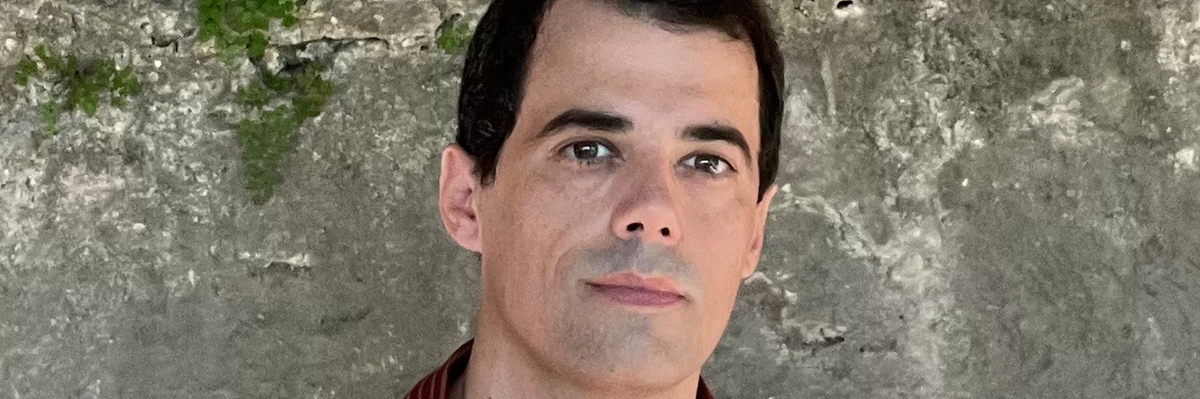
The House Oversight Committee voted to subpoena journalist Seth Harp—seen here in a 2024 social media profile photo—on January 9, 2026 after he published the identity of a US special forces commander involved in the invasion of Venezuela and kidnapping of its president, Nicolás Maduro, and his wife.
One expert asserted that the House vote to subpoena Seth Harp "is clearly designed to chill and intimidate" journalists from reporting on government policies and practices.
Free press defenders voiced alarm and outrage following Wednesday's vote by a congressional committee to subpoena a journalist wrongly accused of "leaking classified intel" and "doxing" a US special forces commander involved in President Donald Trump's invasion of Venezuela and abduction of the South American nation's president and his wife.
Seth Harp is an investigative journalist, New York Times bestselling author, and Iraq war veteran whose work focuses on links between the US military and organized crime. On January 4—the day after the US bombed and invaded Venezuela and kidnapped Venezuelan President Nicolás Maduro and his wife, Cilia Flores—Harp posted on X the name and photo of a commander in Delta Force, which played a key role in the attack.
Experts noted that Harp did not break any laws, with Freedom of the Press Foundation chief of advocacy Seth Stern pointing out that "reporters have a constitutional right to publish even classified leaks as long as they don’t commit crimes to obtain them."
“Harp merely published information that was publicly available about someone at the center of the world’s biggest news story," he added.
However, the House Oversight Committee on Wednesday approved in a voice vote a motion introduced the previous day by Congresswoman Anna Paulina Luna (R-Fla.) to subpoena Harper. Democrats on the committee backed the measure after Rep. Robert Garcia (D-Calif.) added an amendment to also subpoena co-executors of Jeffrey Epstein's estate, according to the Washington Post.
Responding to the committee vote, Harp told the Post:
The idea of a reporter "leaking classified intel" is a contradiction in terms. The First Amendment and ironclad Supreme Court precedent permit journalists to publish classified documents. We don’t work for the government and it’s our job to expose secrets, not protect them for the convenience of high-ranking officials. It’s not “doxing" to point out which high-ranking military officials are involved in breaking news events. That’s information that the public has a right to know.
Harp also took to social media to underscore that he's not the only journalist being targeted with dubious "doxing" claims.
The House lawmakers' vote drew widespread condemnation from press freedom advocates.
“Luna’s subpoena of investigative reporter Seth Harp is clearly designed to chill and intimidate a journalist doing some of the most significant investigative reporting on US special forces," Defending Rights & Dissent policy director Chip Gibbons said in a statement.
"Harp did not share classified information about the US regime change operation in Venezuela. And even if he had, his actions would firmly be protected by the First Amendment," Gibbons added. "This is a dangerous assault on the press freedom, as well as the US people’s right to know. It is shameful it passed the committee.”
PEN America Journalism and Disinformation program director Tim Richardson said Thursday that “any attempt to haul an investigative reporter before Congress for doing their job reflects a fundamental misunderstanding of the role of a free press."
"Seth Harp is an independent journalist, not a government official, and therefore cannot be accused of ‘leaking’ classified information in the way those entrusted with such material can," Richardson added. "The information at issue was publicly available, not secret or unlawfully obtained."
In a bid to protect reporters and their sources, House lawmakers in 2024 unanimously passed the PRESS Act, legislation prohibiting the federal government from compelling journalists and telecommunications companies to disclose certain information, with exceptions for imminent violence or terrorism. However, under pressure from Trump, the Senate declined to vote on the proposal.
"The bill died after Trump ordered the Senate to kill it on Truth Social," said Stern. "Apparently, so did the principles of Reps. Luna, Garcia, and their colleagues.”
Dear Common Dreams reader, It’s been nearly 30 years since I co-founded Common Dreams with my late wife, Lina Newhouser. We had the radical notion that journalism should serve the public good, not corporate profits. It was clear to us from the outset what it would take to build such a project. No paid advertisements. No corporate sponsors. No millionaire publisher telling us what to think or do. Many people said we wouldn't last a year, but we proved those doubters wrong. Together with a tremendous team of journalists and dedicated staff, we built an independent media outlet free from the constraints of profits and corporate control. Our mission has always been simple: To inform. To inspire. To ignite change for the common good. Building Common Dreams was not easy. Our survival was never guaranteed. When you take on the most powerful forces—Wall Street greed, fossil fuel industry destruction, Big Tech lobbyists, and uber-rich oligarchs who have spent billions upon billions rigging the economy and democracy in their favor—the only bulwark you have is supporters who believe in your work. But here’s the urgent message from me today. It's never been this bad out there. And it's never been this hard to keep us going. At the very moment Common Dreams is most needed, the threats we face are intensifying. We need your support now more than ever. We don't accept corporate advertising and never will. We don't have a paywall because we don't think people should be blocked from critical news based on their ability to pay. Everything we do is funded by the donations of readers like you. When everyone does the little they can afford, we are strong. But if that support retreats or dries up, so do we. Will you donate now to make sure Common Dreams not only survives but thrives? —Craig Brown, Co-founder |
Free press defenders voiced alarm and outrage following Wednesday's vote by a congressional committee to subpoena a journalist wrongly accused of "leaking classified intel" and "doxing" a US special forces commander involved in President Donald Trump's invasion of Venezuela and abduction of the South American nation's president and his wife.
Seth Harp is an investigative journalist, New York Times bestselling author, and Iraq war veteran whose work focuses on links between the US military and organized crime. On January 4—the day after the US bombed and invaded Venezuela and kidnapped Venezuelan President Nicolás Maduro and his wife, Cilia Flores—Harp posted on X the name and photo of a commander in Delta Force, which played a key role in the attack.
Experts noted that Harp did not break any laws, with Freedom of the Press Foundation chief of advocacy Seth Stern pointing out that "reporters have a constitutional right to publish even classified leaks as long as they don’t commit crimes to obtain them."
“Harp merely published information that was publicly available about someone at the center of the world’s biggest news story," he added.
However, the House Oversight Committee on Wednesday approved in a voice vote a motion introduced the previous day by Congresswoman Anna Paulina Luna (R-Fla.) to subpoena Harper. Democrats on the committee backed the measure after Rep. Robert Garcia (D-Calif.) added an amendment to also subpoena co-executors of Jeffrey Epstein's estate, according to the Washington Post.
Responding to the committee vote, Harp told the Post:
The idea of a reporter "leaking classified intel" is a contradiction in terms. The First Amendment and ironclad Supreme Court precedent permit journalists to publish classified documents. We don’t work for the government and it’s our job to expose secrets, not protect them for the convenience of high-ranking officials. It’s not “doxing" to point out which high-ranking military officials are involved in breaking news events. That’s information that the public has a right to know.
Harp also took to social media to underscore that he's not the only journalist being targeted with dubious "doxing" claims.
The House lawmakers' vote drew widespread condemnation from press freedom advocates.
“Luna’s subpoena of investigative reporter Seth Harp is clearly designed to chill and intimidate a journalist doing some of the most significant investigative reporting on US special forces," Defending Rights & Dissent policy director Chip Gibbons said in a statement.
"Harp did not share classified information about the US regime change operation in Venezuela. And even if he had, his actions would firmly be protected by the First Amendment," Gibbons added. "This is a dangerous assault on the press freedom, as well as the US people’s right to know. It is shameful it passed the committee.”
PEN America Journalism and Disinformation program director Tim Richardson said Thursday that “any attempt to haul an investigative reporter before Congress for doing their job reflects a fundamental misunderstanding of the role of a free press."
"Seth Harp is an independent journalist, not a government official, and therefore cannot be accused of ‘leaking’ classified information in the way those entrusted with such material can," Richardson added. "The information at issue was publicly available, not secret or unlawfully obtained."
In a bid to protect reporters and their sources, House lawmakers in 2024 unanimously passed the PRESS Act, legislation prohibiting the federal government from compelling journalists and telecommunications companies to disclose certain information, with exceptions for imminent violence or terrorism. However, under pressure from Trump, the Senate declined to vote on the proposal.
"The bill died after Trump ordered the Senate to kill it on Truth Social," said Stern. "Apparently, so did the principles of Reps. Luna, Garcia, and their colleagues.”
Free press defenders voiced alarm and outrage following Wednesday's vote by a congressional committee to subpoena a journalist wrongly accused of "leaking classified intel" and "doxing" a US special forces commander involved in President Donald Trump's invasion of Venezuela and abduction of the South American nation's president and his wife.
Seth Harp is an investigative journalist, New York Times bestselling author, and Iraq war veteran whose work focuses on links between the US military and organized crime. On January 4—the day after the US bombed and invaded Venezuela and kidnapped Venezuelan President Nicolás Maduro and his wife, Cilia Flores—Harp posted on X the name and photo of a commander in Delta Force, which played a key role in the attack.
Experts noted that Harp did not break any laws, with Freedom of the Press Foundation chief of advocacy Seth Stern pointing out that "reporters have a constitutional right to publish even classified leaks as long as they don’t commit crimes to obtain them."
“Harp merely published information that was publicly available about someone at the center of the world’s biggest news story," he added.
However, the House Oversight Committee on Wednesday approved in a voice vote a motion introduced the previous day by Congresswoman Anna Paulina Luna (R-Fla.) to subpoena Harper. Democrats on the committee backed the measure after Rep. Robert Garcia (D-Calif.) added an amendment to also subpoena co-executors of Jeffrey Epstein's estate, according to the Washington Post.
Responding to the committee vote, Harp told the Post:
The idea of a reporter "leaking classified intel" is a contradiction in terms. The First Amendment and ironclad Supreme Court precedent permit journalists to publish classified documents. We don’t work for the government and it’s our job to expose secrets, not protect them for the convenience of high-ranking officials. It’s not “doxing" to point out which high-ranking military officials are involved in breaking news events. That’s information that the public has a right to know.
Harp also took to social media to underscore that he's not the only journalist being targeted with dubious "doxing" claims.
The House lawmakers' vote drew widespread condemnation from press freedom advocates.
“Luna’s subpoena of investigative reporter Seth Harp is clearly designed to chill and intimidate a journalist doing some of the most significant investigative reporting on US special forces," Defending Rights & Dissent policy director Chip Gibbons said in a statement.
"Harp did not share classified information about the US regime change operation in Venezuela. And even if he had, his actions would firmly be protected by the First Amendment," Gibbons added. "This is a dangerous assault on the press freedom, as well as the US people’s right to know. It is shameful it passed the committee.”
PEN America Journalism and Disinformation program director Tim Richardson said Thursday that “any attempt to haul an investigative reporter before Congress for doing their job reflects a fundamental misunderstanding of the role of a free press."
"Seth Harp is an independent journalist, not a government official, and therefore cannot be accused of ‘leaking’ classified information in the way those entrusted with such material can," Richardson added. "The information at issue was publicly available, not secret or unlawfully obtained."
In a bid to protect reporters and their sources, House lawmakers in 2024 unanimously passed the PRESS Act, legislation prohibiting the federal government from compelling journalists and telecommunications companies to disclose certain information, with exceptions for imminent violence or terrorism. However, under pressure from Trump, the Senate declined to vote on the proposal.
"The bill died after Trump ordered the Senate to kill it on Truth Social," said Stern. "Apparently, so did the principles of Reps. Luna, Garcia, and their colleagues.”