SUBSCRIBE TO OUR FREE NEWSLETTER
Daily news & progressive opinion—funded by the people, not the corporations—delivered straight to your inbox.
5
#000000
#FFFFFF
To donate by check, phone, or other method, see our More Ways to Give page.


Daily news & progressive opinion—funded by the people, not the corporations—delivered straight to your inbox.
One expert asserted that the House vote to subpoena Seth Harp "is clearly designed to chill and intimidate" journalists from reporting on government policies and practices.
Free press defenders voiced alarm and outrage following Wednesday's vote by a congressional committee to subpoena a journalist wrongly accused of "leaking classified intel" and "doxing" a US special forces commander involved in President Donald Trump's invasion of Venezuela and abduction of the South American nation's president and his wife.
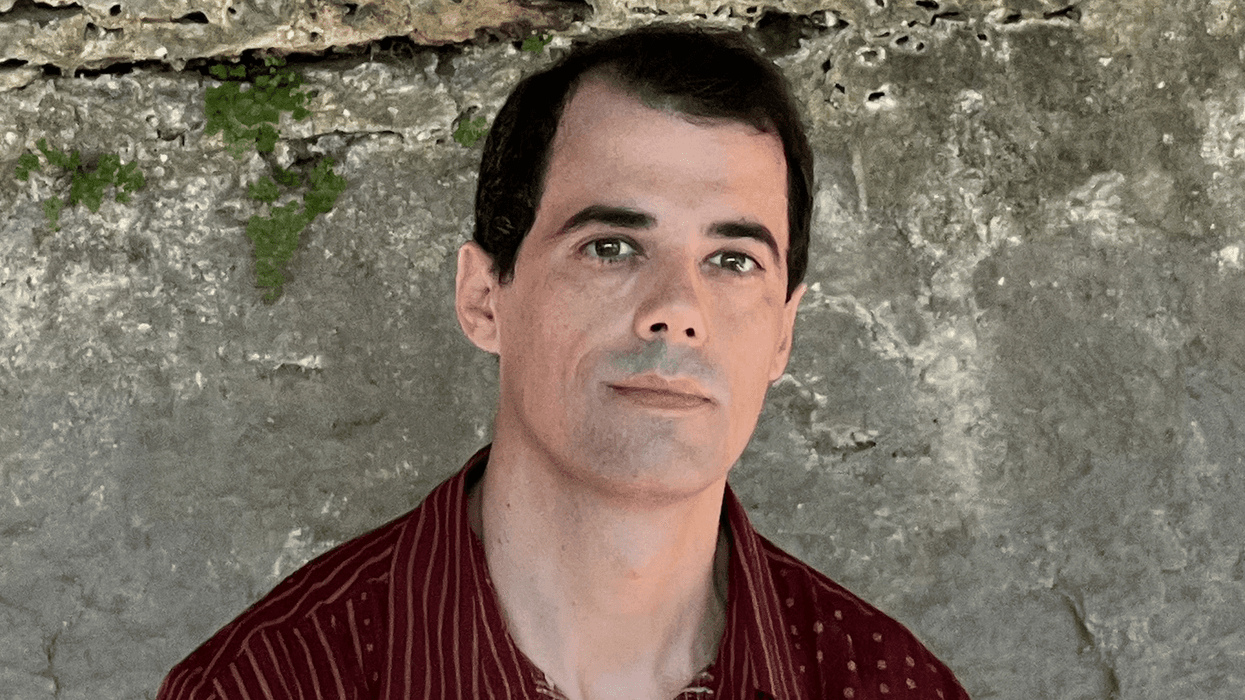
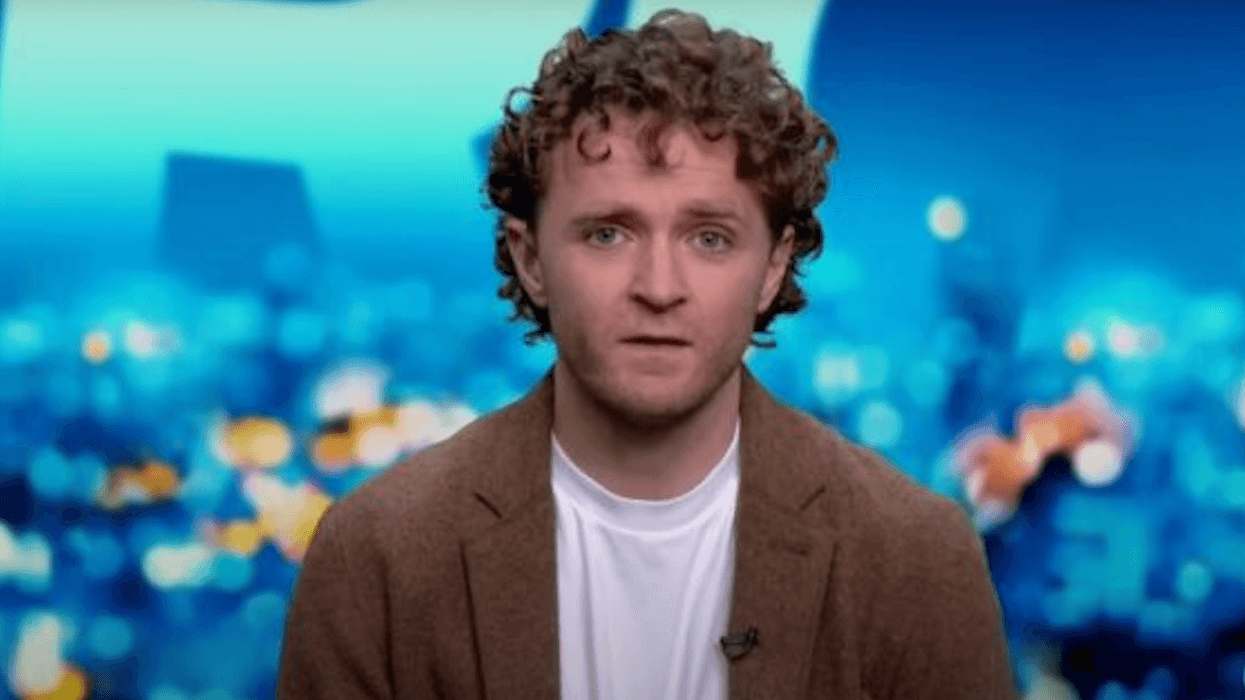
Seth Harp is an investigative journalist, New York Times bestselling author, and Iraq war veteran whose work focuses on links between the US military and organized crime. On January 4—the day after the US bombed and invaded Venezuela and kidnapped Venezuelan President Nicolás Maduro and his wife, Cilia Flores—Harp posted on X the name and photo of a commander in Delta Force, which played a key role in the attack.
Experts noted that Harp did not break any laws, with Freedom of the Press Foundation chief of advocacy Seth Stern pointing out that "reporters have a constitutional right to publish even classified leaks as long as they don’t commit crimes to obtain them."
“Harp merely published information that was publicly available about someone at the center of the world’s biggest news story," he added.
However, the House Oversight Committee on Wednesday approved in a voice vote a motion introduced the previous day by Congresswoman Anna Paulina Luna (R-Fla.) to subpoena Harper. Democrats on the committee backed the measure after Rep. Robert Garcia (D-Calif.) added an amendment to also subpoena co-executors of Jeffrey Epstein's estate, according to the Washington Post.
Responding to the committee vote, Harp told the Post:
The idea of a reporter "leaking classified intel" is a contradiction in terms. The First Amendment and ironclad Supreme Court precedent permit journalists to publish classified documents. We don’t work for the government and it’s our job to expose secrets, not protect them for the convenience of high-ranking officials. It’s not “doxing" to point out which high-ranking military officials are involved in breaking news events. That’s information that the public has a right to know.
Harp also took to social media to underscore that he's not the only journalist being targeted with dubious "doxing" claims.
The House lawmakers' vote drew widespread condemnation from press freedom advocates.
“Luna’s subpoena of investigative reporter Seth Harp is clearly designed to chill and intimidate a journalist doing some of the most significant investigative reporting on US special forces," Defending Rights & Dissent policy director Chip Gibbons said in a statement.
"Harp did not share classified information about the US regime change operation in Venezuela. And even if he had, his actions would firmly be protected by the First Amendment," Gibbons added. "This is a dangerous assault on the press freedom, as well as the US people’s right to know. It is shameful it passed the committee.”
PEN America Journalism and Disinformation program director Tim Richardson said Thursday that “any attempt to haul an investigative reporter before Congress for doing their job reflects a fundamental misunderstanding of the role of a free press."
"Seth Harp is an independent journalist, not a government official, and therefore cannot be accused of ‘leaking’ classified information in the way those entrusted with such material can," Richardson added. "The information at issue was publicly available, not secret or unlawfully obtained."
In a bid to protect reporters and their sources, House lawmakers in 2024 unanimously passed the PRESS Act, legislation prohibiting the federal government from compelling journalists and telecommunications companies to disclose certain information, with exceptions for imminent violence or terrorism. However, under pressure from Trump, the Senate declined to vote on the proposal.
"The bill died after Trump ordered the Senate to kill it on Truth Social," said Stern. "Apparently, so did the principles of Reps. Luna, Garcia, and their colleagues.”
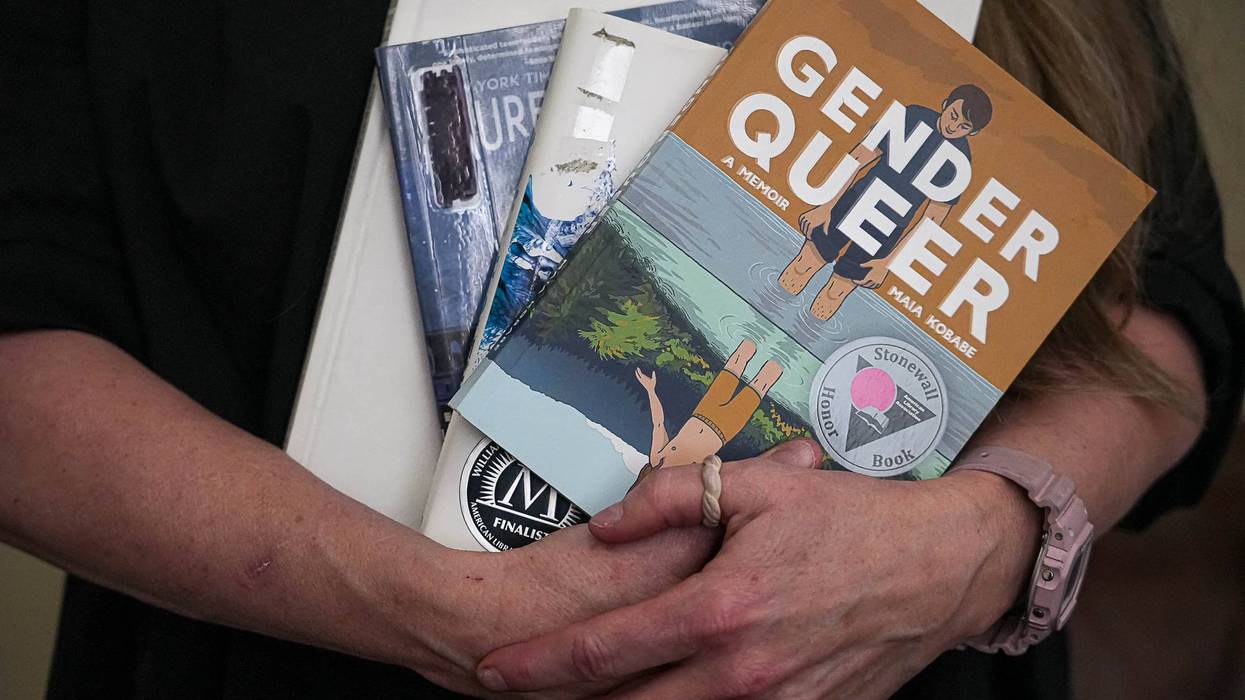
"Self-righteous book banners don't always get to have their way," the iconic author wrote, urging people to read banned titles. "This is still America, dammit."
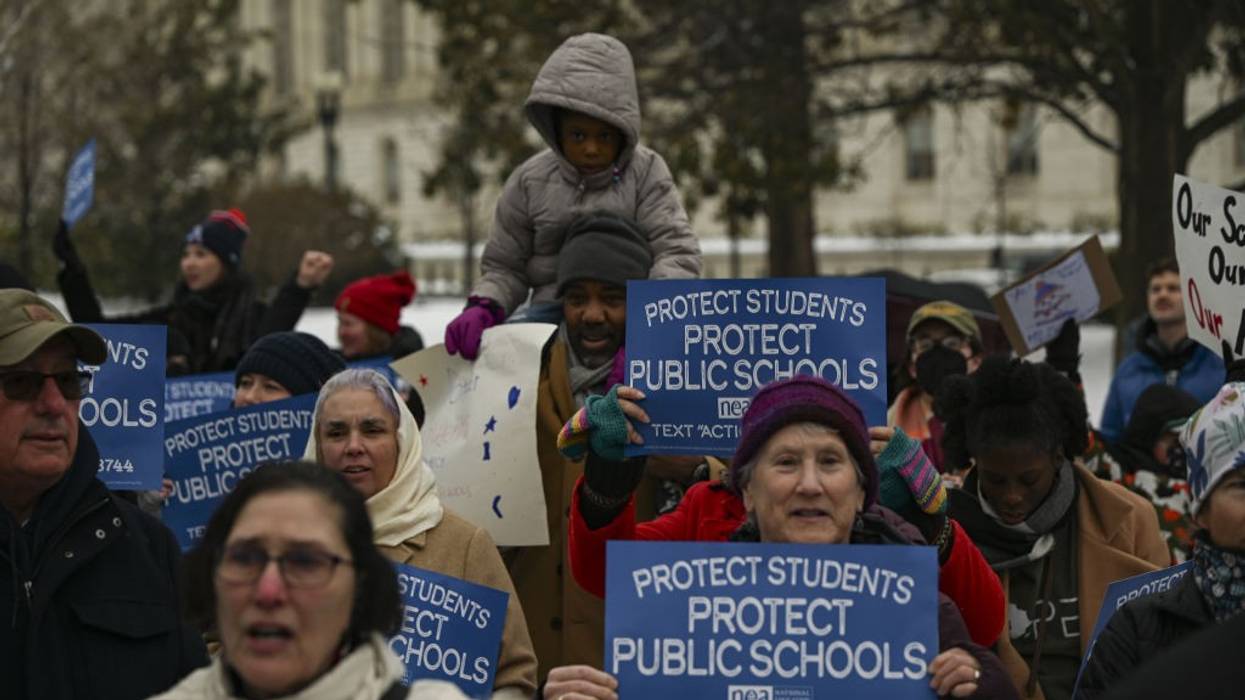
Stephen King was the most banned author in US public schools during the 2024-25 academic year amid "rampant" censorship led by purportedly free speech-loving Republicans, a report published on Wednesday revealed.
According to PEN America, there were 6,870 instances of book bans across 23 states and 87 public school districts during the last scholastic year. Although that's a significant drop from the more than 10,000 proscriptions recorded by the group during the previous academic term, it is still more than double the number from 2022-23, and brings the total number of prohibitions to nearly 23,000 since 2021.
For the third straight year, Florida topped the dubious list, with 2,304 instances of book bans, followed by Texas, where 1,781 bans occurred, and Tennessee, with 1,622. Right-wing groups and Republican state lawmakers—who often claim to champion free speech—have worked together to pass censorship laws driving bans on books they don't like, especially titles related to racial justice and LGBTQ+ rights.
“No bookshelf will be left untouched if local and state book bans continue wreaking havoc on the freedom to read in public schools,” PEN America Freedom to Read program senior manager Sabrina Baêta said in a statement.
“With the Trump White House now also driving a clear culture of censorship, our core principles of free speech, open inquiry, and access to diverse and inclusive books are severely at risk," Baêta added. "Book bans stand in the way of a more just, informed, and equitable world. They chill the freedom to read and restrict the rights of students to access information and read freely.”
Bestselling author @stephenking.bsky.social was the most banned author during the school year. 87 titles of King’s were banned, totaling 206 times. Next most banned was @ellenhopkins.bsky.social author of young adult fiction including Crank and Burned, who had 18 titles banned totaling 167 times.
[image or embed]
— PEN America (@penamerica.bsky.social) October 1, 2025 at 7:23 AM
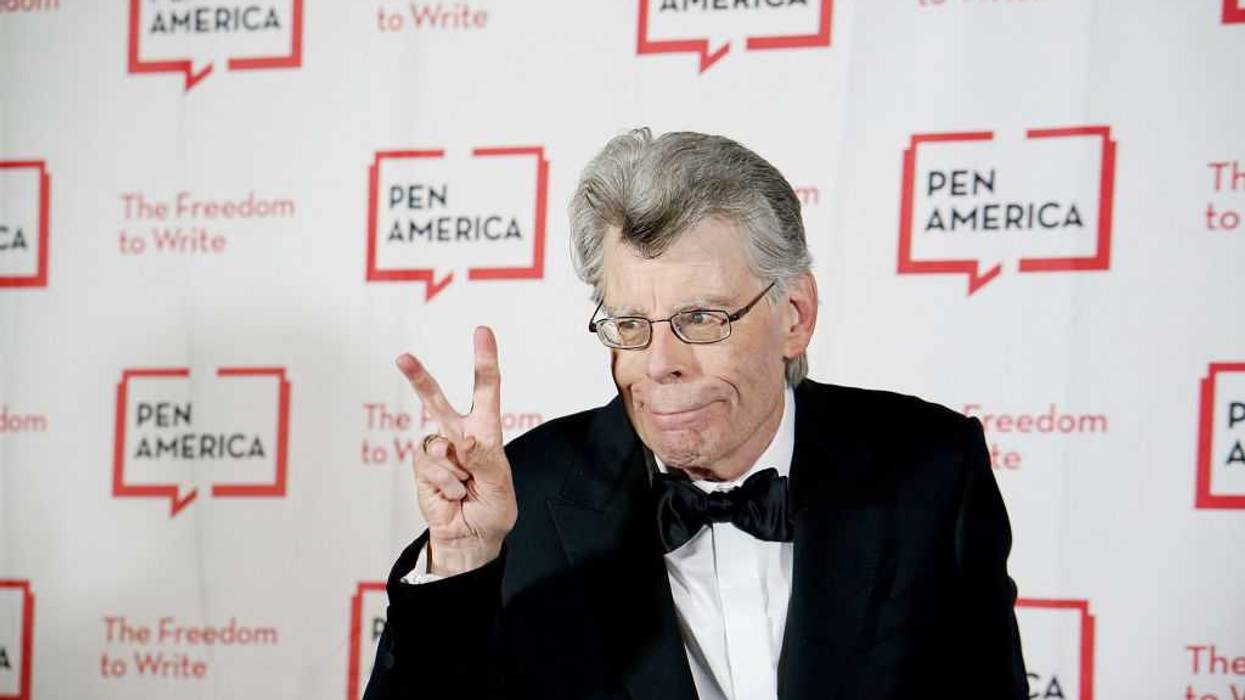
King, the bestselling icon of horror novels and short stories, was the most banned author during the 2024-25 school year, with 87 titles banned a total of 206 times. King has been an outspoken critic of both book bans and President Donald Trump, whose presidency he has called a "horror story."
The most blacklisted title of any author was Anthony Burgess’ dystopian 1962 novel A Clockwork Orange, which PEN America said was banned 23 times.
Responding to becoming the nation's most proscribed writer, King said on social media, "I am now the most banned author in the United States—87 books."
"May I suggest you pick up one of them and see what all the pissing and moaning is about?" he added. "Self-righteous book banners don't always get to have their way. This is still America, dammit."
"If Mr. Guevara is deported it will be a devastating outcome for a journalist whose initial detention was a gross violation of his rights," said ACLU of Georgia legal director Cory Isaacson.
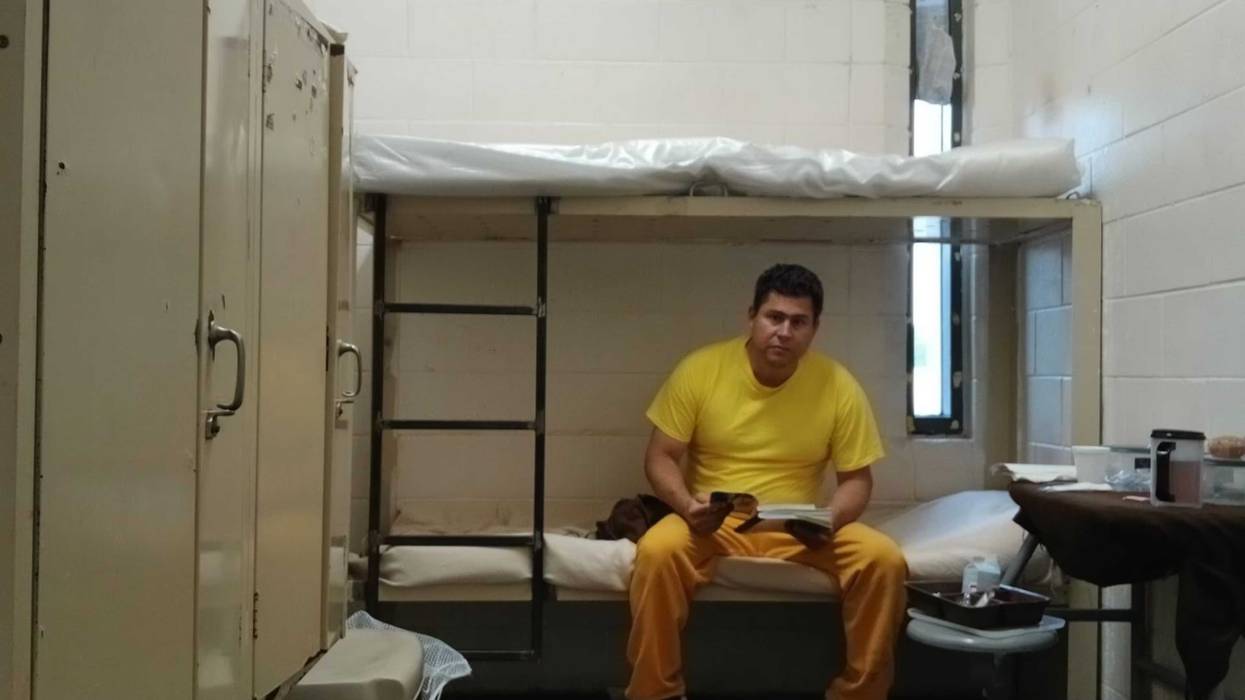
The ACLU is asking a federal district court in Georgia to order the immediate release of Mario Guevara, a journalist arrested while covering a June "No Kings" protest, after the Board of Immigration Appeals on Friday ordered his return to El Salvador.
The Emmy-winning Spanish-language journalist has reported on immigrant issues in the Atlanta area for two decades. When he was arrested on the job this year, he had a work permit and a path to a green card through his US citizen son. The charges from June have been dropped, but he remains at the US Immigration and Customs Enforcement (ICE) center in Folkston.
ICE refused to comply with a July 1 decision that Guevara could be released on bond. The Board of Immigration Appeals has now dismissed his bond appeal "as 'moot' because it has also granted the government's motion to reopen his removal proceedings," according to the ACLU—which secured an emergency federal district court hearing on Friday.
"Mr. Guevara should not even be in immigration detention, but the government has kept him there for months because of his crucial reporting on law enforcement activity," said Scarlet Kim, senior staff attorney with the ACLU's Speech, Privacy, and Technology Project. "The fact that he may now be put on a plane to El Salvador, a country he fled out of fear, at any moment, despite a clear path to becoming a permanent resident, is despicable. The court must ensure he is not deported and should order his release from detention immediately."
"The fact that he may now be put on a plane to El Salvador, a country he fled out of fear, at any moment, despite a clear path to becoming a permanent resident, is despicable."
In a letter published Friday by The Bitter Southerner, Guevara detailed his experience since his arrest and wrote: "I don't know why ICE wants to continue treating me like a criminal. It pains me to know that I have been denied every privilege and the right to be free when I have never committed any crime."
"This whole situation has me devastated, and not only morally, but also economically, because I am the breadwinner for the home," he explained. "Since my arrest, I have lost tens of thousands of dollars, and my company, the news channel MGNews, is on the verge of bankruptcy."
"But I have to remain strong and confident that the United States still has some caring and decency left and that in the end justice will prevail," he added. "Hopefully, soon all my tears and my family's tears will be wiped away, and we can have fun and smile, triumphant, as we did before, together and in absolute freedom."
Guevara's legal team and press freedom groups have emphasized that his case is bigger than a single reporter. As ACLU of Georgia legal director Cory Isaacson put it on Friday, "If Mr. Guevara is deported it will be a devastating outcome for a journalist whose initial detention was a gross violation of his rights."
"The immediate release of Mr. Guevara is the only way to correct this injustice that has immeasurably harmed his well-being and the well-being of his family, the community, and the people of Georgia," Isaacson added. "In a democracy, journalists should not be arrested for exercising their constitutional rights to report the news."
Mario Guevara is here legally and is not facing any criminal charges.He is being thrown out of the country for nothing but reporting news.
[image or embed]
— Freedom of the Press Foundation (@freedom.press) September 19, 2025 at 3:00 PM
Other free press advocates also responded with alarm to the Board of Immigration Appeals' Friday decision.
"We are outraged that journalist Mario Guevara was initially detained for almost 100 days because the government believes that livestreaming law enforcement poses a danger to their operations," Committee to Protect Journalists US, Canada, and Caribbean program coordinator Katherine Jacobsen said in a Friday statement.
"This latest move allows the government to circumvent addressing the reason why Guevara was detained, in retaliation for his journalism," Jacobsen continued. "Instead, authorities are using the very real threat of deportation to remove a reporter from the country simply for doing his job and covering the news."
Tim Richardson, journalism and disinformation program director at PEN America, similarly said that "if carried out, this ruling would mark a dangerous moment for press freedom, with the United States—long considered a beacon for free speech—moving to deport a journalist in direct retaliation for his reporting."
"This mirrors the tactics of authoritarian governments the US has long condemned and sends a chilling message to reporters everywhere, especially those covering vulnerable communities or government abuses of power," he added. "We urge the court to reconsider and to allow Mario Guevara to remain in the country and continue his reporting free from fear of deportation or retaliation."
US President Donald Trump campaigned on the promise of mass deportations, and since returning to power in January, his administration has sought to deliver on that. On Friday, Free Press senior counsel Nora Benavidez warned, "Deportation without due process—that would be the new normal set by Mario Guevara's removal from the United States."
"Horrific and lawless, this is the environment the Trump administration created to promote a singular approved narrative, remove critical news coverage for communities, and chill journalists' freedom should they dare hold power to account," she said. "Mr. Guevara's case is happening live, with breaking updates occurring under a sealed case shrouded in secrecy, upon which his removal and ability to report depend."
Ahead of the developments on Friday, Benavidez had tied Guevara's case to the government's effort to deport Mahmoud Khalil over his protests against Israel's US-backed genocide in Gaza, and Disney yanking late-night host Jimmy Kimmel off the air after the Trump administration objected to his comments about the fatal shooting of right-wing activist Charlie Kirk.
"Mahmoud Khalil was just ordered to be deported for his free speech," she said Thursday. "Mario Guevara is in detention for filming police. Jimmy Kimmel taken off air for his speech. TikTok [is] being bought by Trump cronies. All of it moves towards one singular narrative Trump approves. We must resist."