SUBSCRIBE TO OUR FREE NEWSLETTER
Daily news & progressive opinion—funded by the people, not the corporations—delivered straight to your inbox.
5
#000000
#FFFFFF
To donate by check, phone, or other method, see our More Ways to Give page.
Daily news & progressive opinion—funded by the people, not the corporations—delivered straight to your inbox.
Iraq's dismal health situation is testimony to the invasion of the country by foreign forces, including now the takeover of important parts of its territory by the Islamic State of Iraq and the Levant (ISIL). The Iraqi people have been the subject of mass executions, rape, torture and, in addition, the destruction of the country's infrastructure. The international community has been mostly deaf to the needs of Iraqis, who have undergone difficulties much greater than during the regime of Saddam Hussein.
Dr. Margaret Chan, the World Health Organization Director-General stated recently, "The situation is bad, really bad, and rapidly getting worse," as she launched a new humanitarian plan for Iraq. If they don't receive appropriate support, 84% of all health projects and centers run the risk of closure before the end of June.
It is estimated that since January 2014, 2.9 million people have fled their homes, 6.9 million Iraqis need immediate access to essential health services, and 7.1 million need easier access to water, sanitation and hygiene assistance. Presently, 8.2 million people in Iraq need immediate humanitarian support.
Women and children have not been spared the brutal consequences of the war. Survivors of gender-based violence and rape experience trauma and depression, and suicides among women and girls have risen markedly in recent years. Children's health status has deteriorated markedly in the last 12 years. In addition, they have been used as suicide bombers and human shields and have been killed by crucifixion or buried alive.
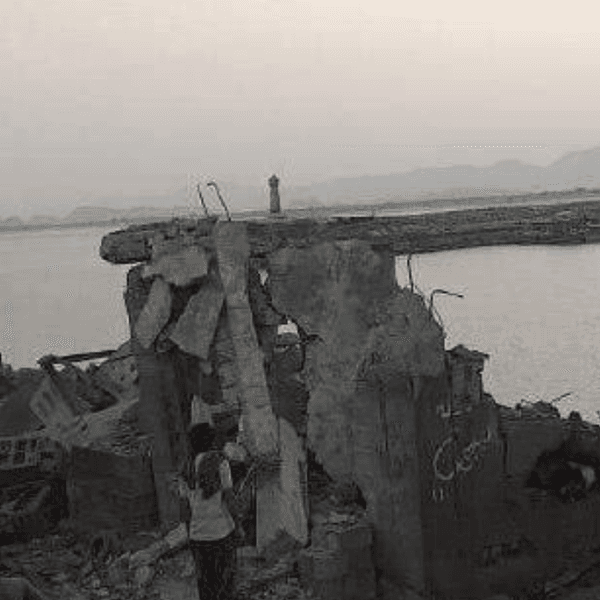
Iraqis health status is a reflection of the deterioration of the country's health system. Medical facilities, which in the 1980s were among the best in the Middle East, have deteriorated significantly after the 2003 invasion. It is estimated that during the war 12 percent of hospitals and the country's two main public health laboratories were destroyed.
Sanitary conditions in hospitals remain unsatisfactory, and medications and trained personnel are in short supply. Even basic health care is unavailable in regions of the country under armed conflict. As a result of the collapsed sanitation infrastructure, the incidence of cholera, dysentery and typhoid fever has increased. Malnutrition among children and other childhood diseases have also increased.
Doctors in the thousands have been leaving the country and those that remain are under constant threat to their personal safety. As Medecins sans Frontieres (MSF) stated, "Until now, it is extremely difficult to find Iraqi doctors willing to work in certain areas because they fear for their security."
Despite some government aid and reconstruction plans, several remote areas are excluded from state reconstruction and development efforts, leaving thousands of Iraqis without access to essential health care up to this day. As a result, thousands of Iraqis are obliged to sell their homes and possessions to seek health care abroad.
The widespread environmental damage caused by the war, including the degradation of forests and wetlands, destruction of wildlife, and increased air pollution, will have long-term impacts on people's health. In addition, medical researchers have expressed their concern about people's health being seriously affected by the use of white phosphorus and depleted uranium by American and British forces.
The continuing conflict has exacted a heavy toll on all Iraqis' mental health and quality of life. "Many Iraqis have been pushed to their absolute limit as decades of conflict and instability has wreaked devastation. Mentally exhausted by their experiences, many struggle to understand what is happening to them. The feelings of isolation and hopelessness are compounded by the taboo associated with mental health issues and the lack of mental healthcare services that people can turn to for help," said Helen O'Neill, MSF's head of mission in Iraq.
We are facing nothing less than the almost total destruction of a country by an ill-advised invasion whose consequences are still being felt. Some day, somebody will have to respond for it.
Dear Common Dreams reader, It’s been nearly 30 years since I co-founded Common Dreams with my late wife, Lina Newhouser. We had the radical notion that journalism should serve the public good, not corporate profits. It was clear to us from the outset what it would take to build such a project. No paid advertisements. No corporate sponsors. No millionaire publisher telling us what to think or do. Many people said we wouldn't last a year, but we proved those doubters wrong. Together with a tremendous team of journalists and dedicated staff, we built an independent media outlet free from the constraints of profits and corporate control. Our mission has always been simple: To inform. To inspire. To ignite change for the common good. Building Common Dreams was not easy. Our survival was never guaranteed. When you take on the most powerful forces—Wall Street greed, fossil fuel industry destruction, Big Tech lobbyists, and uber-rich oligarchs who have spent billions upon billions rigging the economy and democracy in their favor—the only bulwark you have is supporters who believe in your work. But here’s the urgent message from me today. It's never been this bad out there. And it's never been this hard to keep us going. At the very moment Common Dreams is most needed, the threats we face are intensifying. We need your support now more than ever. We don't accept corporate advertising and never will. We don't have a paywall because we don't think people should be blocked from critical news based on their ability to pay. Everything we do is funded by the donations of readers like you. When everyone does the little they can afford, we are strong. But if that support retreats or dries up, so do we. Will you donate now to make sure Common Dreams not only survives but thrives? —Craig Brown, Co-founder |
Iraq's dismal health situation is testimony to the invasion of the country by foreign forces, including now the takeover of important parts of its territory by the Islamic State of Iraq and the Levant (ISIL). The Iraqi people have been the subject of mass executions, rape, torture and, in addition, the destruction of the country's infrastructure. The international community has been mostly deaf to the needs of Iraqis, who have undergone difficulties much greater than during the regime of Saddam Hussein.
Dr. Margaret Chan, the World Health Organization Director-General stated recently, "The situation is bad, really bad, and rapidly getting worse," as she launched a new humanitarian plan for Iraq. If they don't receive appropriate support, 84% of all health projects and centers run the risk of closure before the end of June.
It is estimated that since January 2014, 2.9 million people have fled their homes, 6.9 million Iraqis need immediate access to essential health services, and 7.1 million need easier access to water, sanitation and hygiene assistance. Presently, 8.2 million people in Iraq need immediate humanitarian support.
Women and children have not been spared the brutal consequences of the war. Survivors of gender-based violence and rape experience trauma and depression, and suicides among women and girls have risen markedly in recent years. Children's health status has deteriorated markedly in the last 12 years. In addition, they have been used as suicide bombers and human shields and have been killed by crucifixion or buried alive.
Iraqis health status is a reflection of the deterioration of the country's health system. Medical facilities, which in the 1980s were among the best in the Middle East, have deteriorated significantly after the 2003 invasion. It is estimated that during the war 12 percent of hospitals and the country's two main public health laboratories were destroyed.
Sanitary conditions in hospitals remain unsatisfactory, and medications and trained personnel are in short supply. Even basic health care is unavailable in regions of the country under armed conflict. As a result of the collapsed sanitation infrastructure, the incidence of cholera, dysentery and typhoid fever has increased. Malnutrition among children and other childhood diseases have also increased.
Doctors in the thousands have been leaving the country and those that remain are under constant threat to their personal safety. As Medecins sans Frontieres (MSF) stated, "Until now, it is extremely difficult to find Iraqi doctors willing to work in certain areas because they fear for their security."
Despite some government aid and reconstruction plans, several remote areas are excluded from state reconstruction and development efforts, leaving thousands of Iraqis without access to essential health care up to this day. As a result, thousands of Iraqis are obliged to sell their homes and possessions to seek health care abroad.
The widespread environmental damage caused by the war, including the degradation of forests and wetlands, destruction of wildlife, and increased air pollution, will have long-term impacts on people's health. In addition, medical researchers have expressed their concern about people's health being seriously affected by the use of white phosphorus and depleted uranium by American and British forces.
The continuing conflict has exacted a heavy toll on all Iraqis' mental health and quality of life. "Many Iraqis have been pushed to their absolute limit as decades of conflict and instability has wreaked devastation. Mentally exhausted by their experiences, many struggle to understand what is happening to them. The feelings of isolation and hopelessness are compounded by the taboo associated with mental health issues and the lack of mental healthcare services that people can turn to for help," said Helen O'Neill, MSF's head of mission in Iraq.
We are facing nothing less than the almost total destruction of a country by an ill-advised invasion whose consequences are still being felt. Some day, somebody will have to respond for it.
Iraq's dismal health situation is testimony to the invasion of the country by foreign forces, including now the takeover of important parts of its territory by the Islamic State of Iraq and the Levant (ISIL). The Iraqi people have been the subject of mass executions, rape, torture and, in addition, the destruction of the country's infrastructure. The international community has been mostly deaf to the needs of Iraqis, who have undergone difficulties much greater than during the regime of Saddam Hussein.
Dr. Margaret Chan, the World Health Organization Director-General stated recently, "The situation is bad, really bad, and rapidly getting worse," as she launched a new humanitarian plan for Iraq. If they don't receive appropriate support, 84% of all health projects and centers run the risk of closure before the end of June.
It is estimated that since January 2014, 2.9 million people have fled their homes, 6.9 million Iraqis need immediate access to essential health services, and 7.1 million need easier access to water, sanitation and hygiene assistance. Presently, 8.2 million people in Iraq need immediate humanitarian support.
Women and children have not been spared the brutal consequences of the war. Survivors of gender-based violence and rape experience trauma and depression, and suicides among women and girls have risen markedly in recent years. Children's health status has deteriorated markedly in the last 12 years. In addition, they have been used as suicide bombers and human shields and have been killed by crucifixion or buried alive.
Iraqis health status is a reflection of the deterioration of the country's health system. Medical facilities, which in the 1980s were among the best in the Middle East, have deteriorated significantly after the 2003 invasion. It is estimated that during the war 12 percent of hospitals and the country's two main public health laboratories were destroyed.
Sanitary conditions in hospitals remain unsatisfactory, and medications and trained personnel are in short supply. Even basic health care is unavailable in regions of the country under armed conflict. As a result of the collapsed sanitation infrastructure, the incidence of cholera, dysentery and typhoid fever has increased. Malnutrition among children and other childhood diseases have also increased.
Doctors in the thousands have been leaving the country and those that remain are under constant threat to their personal safety. As Medecins sans Frontieres (MSF) stated, "Until now, it is extremely difficult to find Iraqi doctors willing to work in certain areas because they fear for their security."
Despite some government aid and reconstruction plans, several remote areas are excluded from state reconstruction and development efforts, leaving thousands of Iraqis without access to essential health care up to this day. As a result, thousands of Iraqis are obliged to sell their homes and possessions to seek health care abroad.
The widespread environmental damage caused by the war, including the degradation of forests and wetlands, destruction of wildlife, and increased air pollution, will have long-term impacts on people's health. In addition, medical researchers have expressed their concern about people's health being seriously affected by the use of white phosphorus and depleted uranium by American and British forces.
The continuing conflict has exacted a heavy toll on all Iraqis' mental health and quality of life. "Many Iraqis have been pushed to their absolute limit as decades of conflict and instability has wreaked devastation. Mentally exhausted by their experiences, many struggle to understand what is happening to them. The feelings of isolation and hopelessness are compounded by the taboo associated with mental health issues and the lack of mental healthcare services that people can turn to for help," said Helen O'Neill, MSF's head of mission in Iraq.
We are facing nothing less than the almost total destruction of a country by an ill-advised invasion whose consequences are still being felt. Some day, somebody will have to respond for it.