

SUBSCRIBE TO OUR FREE NEWSLETTER
Daily news & progressive opinion—funded by the people, not the corporations—delivered straight to your inbox.
5
#000000
#FFFFFF
To donate by check, phone, or other method, see our More Ways to Give page.
Daily news & progressive opinion—funded by the people, not the corporations—delivered straight to your inbox.
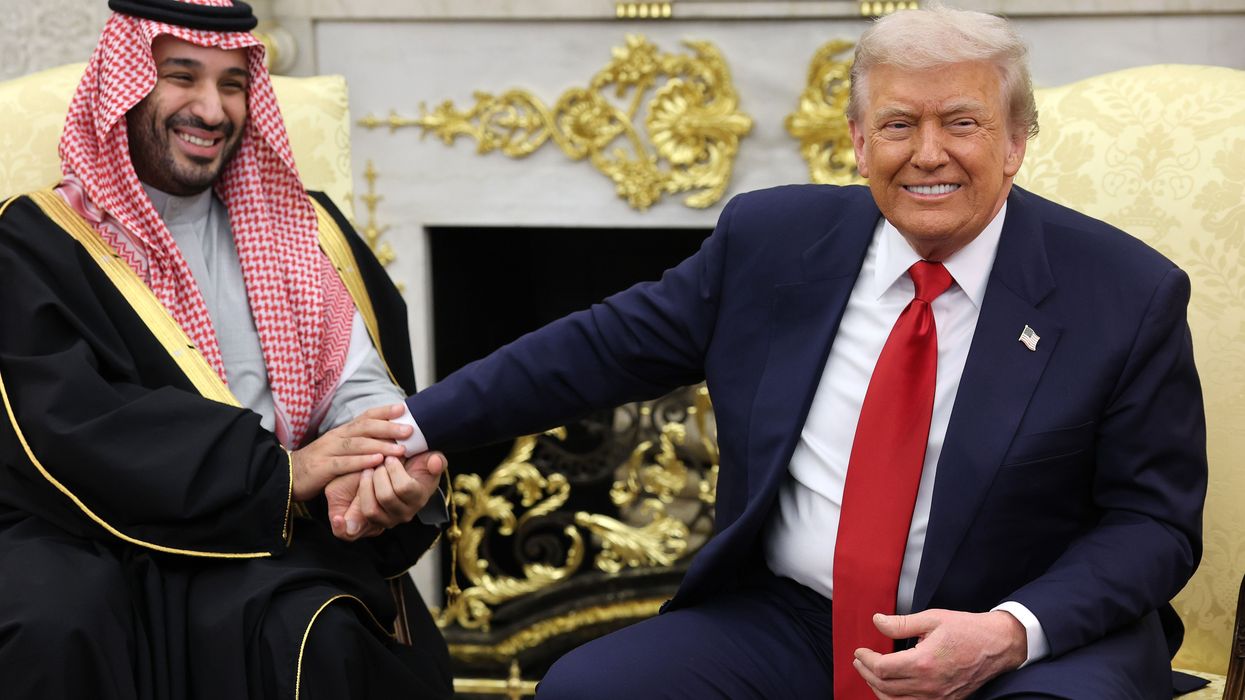
"Imagine if we had just built on the JCPOA and created a stable Middle East through cooperation instead of these endless wars," said one observer.
Calls to halt the Iran War and avert yet another US bombing campaign in Yemen intensified Friday after President Donald Trump reportedly declined a request from Saudi Crown Prince Mohammed bin Salman to launch airstrikes against Houthi forces amid their stunning advance toward a vital global shipping lane.
According to Axios' Barak Ravid, Mohammed bin Salman, who is also the Saudi prime minister, made two urgent calls to Trump on Thursday as Houthi forces captured the strategic Yemeni port city of Mocha and advanced toward the Bab el-Mandeb Strait, one of the world's most important maritime chokepoints. MBS reportedly pressed Trump to intervene militarily, but the president declined to order US attacks at this time.
"With Iran already disrupting traffic through the Strait of Hormuz, Houthi control of Bab el-Mandeb could give Tehran a powerful new point of leverage over the US and its Gulf allies," Ravid wrote.
However, he added that "US officials stressed the administration has no plans to intervene directly against the Houthis for now."
Understanding that Trump's apparent refusal of MBS' request could be temporary, opponents of a wider Middle East war are urging the US leader to refrain from any further strikes on Houthi targets.
Instead of attacking Yemen, Matt Duss, executive vice president at the Center for International Policy and a former foreign policy adviser to US Sen. Bernie Sanders (I-Vt.), said on social media that a "better idea" would be to "end the war on Iran and remove US forces from the Middle East."
California-based Israeli academic Shaiel Ben-Ephraim said on social media that "Trump wisely decided not to get involved in the Yemeni civil war. Stop expanding all these wars."
"Imagine if we had just built on the JCPOA and created a stable Middle East through cooperation instead of these endless wars in Syria, Yemen, Iran, Iraq, Lebanon, and Gaza," he mused, referring to the Obama-era Joint Comprehensive Plan of Action, the Iran nuclear deal unilaterally abandoned by Trump during his first term, despite Tehran's full compliance with its terms.
Drop Site News national security and foreign affairs reporter Murtaza Hussain called on the Gulf Arab states—which have borne the brunt of Iranian counterattacks—to circumvent the United States and negotiate an agreement with Tehran.
The Houthi victories give the group—officially called Ansar Allah—a commanding position near the Bab el-Mandeb Strait. The narrow waterway links the Red Sea to the Gulf of Aden and carries an estimated 12% of global goods, including approximately 4-5% of the world's total seaborne-traded oil and petroleum products.
Saudi Arabia launched Friday airstrikes on Mocha's airport, while the Houthis attacked targets including Saudi pipeline infrastructure used to circumvent the Strait of Hormuz. The Houthis said that maritime traffic would be safe except for Saudi vessels.
Oil prices surged more than 6% on Thursday, with both major benchmarks trading at over $100 a barrel amid the Houthi advances and continued instability stemming from Iran's effective closure of the Strait of Hormuz despite over six months of unsuccessful efforts by the US military and Trump administration to reopen the vital waterway, through which around one-fifth of the world's oil previously transited.
The average US price of a gallon of gasoline reached nearly $4.30 on Friday, a 37% increase from when Trump—who promised both no new wars and $2 gas—entered office in January 2025.
US forces have carried out airstrikes and ground raids on al-Qaeda and other militants in Yemen for decades. According to the UK-based casualty monitor Airwars, an estimated 445-643 Yemeni civilians have been killed by US forces since 2009.
Starting under then-President Barack Obama in 2014, the US provided arms and support to the Saudi-led coalition during Yemen's civil war. International experts attribute more than 150,000 Yemeni deaths to a US-backed, Saudi-led bombing campaign and blockade, which has fueled mass starvation and disease in the country of approximately 43 million people.
A report published Thursday documented more than 500 Yemeni civilian casualties caused by US attacks between December 2023 and May 2025. All but seven of 46 strikes covered by the report occurred during Trump's presidency, including massacres at the Ras Isa oil port and at a detention center for African migrants in Saada.
During Israel's war on Gaza, the US, Israel, and the United Kingdom carried out repeated airstrikes in response to Houthi attacks on commercial and military vessels in the Red Sea that the group said were intended to pressure Israel as it killed tens of thousands of Palestinians.
Responding to the latest developments, UK political commentator Bushra Shaikh said that "America went to war for Israel, seeking to dominate the Middle East."
"Now Trump is negotiating with Iran, Saudi Arabia is looking towards regional diplomacy, Pakistan says the Mecca Pact won't be used against Yemen, and the Ansar Allah Houthis retain leverage over Bab el-Mandeb," she continued.
Shaikh added: "The ultimate humiliation? America will come out of this war having failed to defeat Iran while pushing the very region it wanted to control towards strategic independence from Washington."
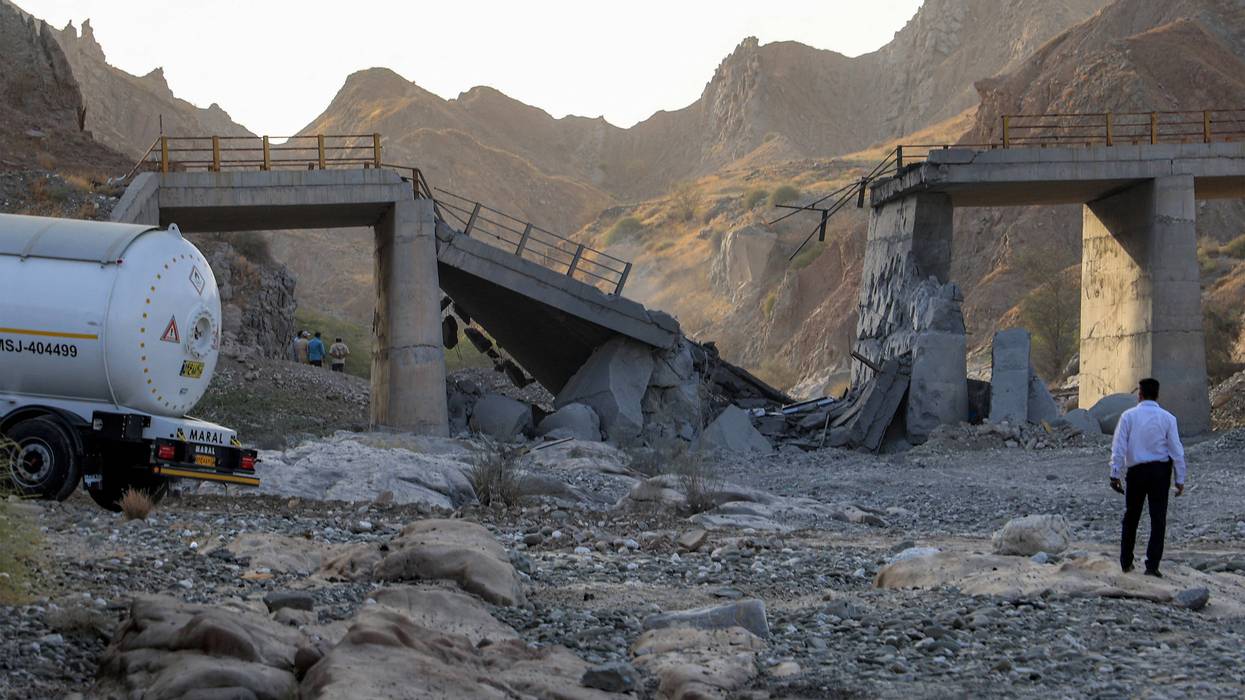
"It's a narrative designed to give the impression that Trump is in the driving seat in this conflict. It's been clear for some time now: He isn't."
Trita Parsi, an expert on US-Iranian relations, cast doubt on President Donald Trump's Saturday claims that he halted planned strikes on Iran due to progress in negotiations to end the illegal conflict, launched by the Republican and Israel in February.
"The U.S.A. is locked and loaded and ready to go against the Islamic Republic of Iran, at levels of Military Terror, Strength, and Power not seen since World War II. Despite this, we have just been asked by Iran, and other Middle Eastern Countries, to hold off any attack in that the perimeters of a deal has been agreed to," Trump wrote on his Truth Social platform at 10:05 pm Eastern time.
"This would include the Immediate, Complete, and Total OPENING OF THE HORMUZ STRAIT, and an end to Iran's nuclear threat," Trump declared—despite repeated conclusions from US intelligence agencies that the Iranian government was not aiming to build a nuclear weapon when the United States and Israel began bombing Iran five months ago.
"Based on this request, I have agreed, for the future benefit of the WORLD and, likewise, the survival of a successful and prosperous Iran, to cancel the attack, subject to being able to rapidly make a DEAL," Trump added. "The Country of Israel joins me in this commitment. Get to work, everybody, and get it DONE."
Sharing the post on the platform X, Parsi said, "Trump 'cancels' 'planned' 'attack' on Iran..." The expert struck a similarly skeptical tone during a Saturday on-air interview with CNN about the president's announcement.
Parsi, co-founder and executive vice president of the Quincy Institute for Responsible Statecraft, said that "I don't believe there was an imminent attack. We've gone through this several times, in which Trump issues these threats, and then he backs off because the other side calls his bluff."
"Trump does not have an escalatory way out of this conflict, but what he is trying to do is to give the impression that he is in control—that he is in the driving seat," Parsi suggested. "And I think it's been quite clear for quite some time now he is not."
During Trump's first term, he tore up the Obama administration's Iran nuclear deal, and so far, he has been unable to negotiate a replacement. Since launching this war, without authorization from Congress and in violation of the United Nations Charter, the ceasefire agreement reached in April and a June memorandum of understanding ultimately have not stopped the bloodshed.
Earlier this week, most US Senate Republicans and Democratic Sen. John Fetterman (Pa.) blocked yet another war powers resolution intended to prevent the Trump administration from launching further attacks on Iran without congressional approval—a vote that came as polling showed 64% of Americans disapprove of continuing the war, including 37% of Republicans.
The Iran War has killed thousands of Iranians and Lebanese civilians—the latter mostly from Israeli attacks purportedly targeting Hezbollah—as well as hundreds of people in other nations across the Middle East and at least 18 US service members.
In the hours before Trump's Saturday Truth Social post, Axios revealed that "Saudi Crown Prince Mohammed bin Salman and Trump spoke on Saturday, with MBS expressing concern over the strike plans," and "other regional powers, including Qatar, the United Arab Emirates, Turkey and Pakistan, have also pressed the US and Iran to de-escalate.”
CBS chief foreign affairs correspondent Margaret Brennan reported on social media about Saturday's "flurry of phone calls by Iran's top diplomat Abbas Araghchi to regional leaders, which suggests an effort underway to avoid military strikes."
"Earlier today, the State Department advised Americans throughout the Mideast to leave the region," Brennan noted.
Araghchi said Saturday that "any hostile action by the US or Israel—or participation or cooperation by regional countries in such actions—would be met with a decisive and proportionate response from Iran's powerful armed forces."
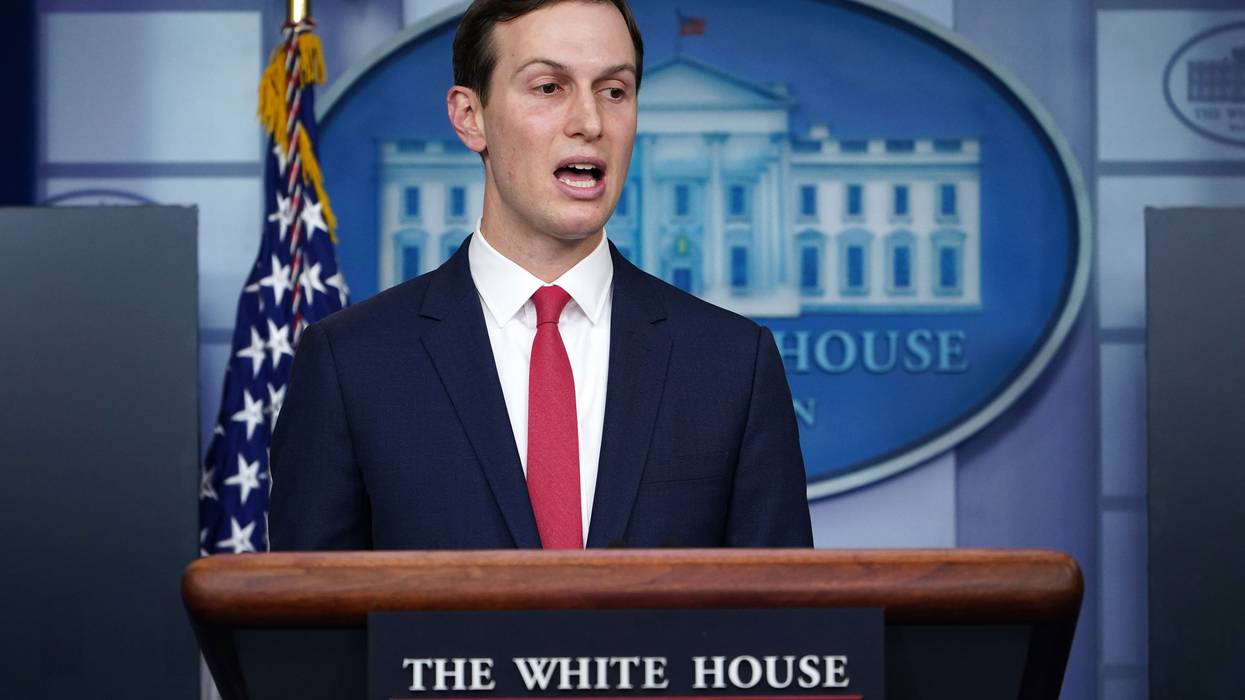
"You cannot faithfully represent the United States with billions of dollars in Saudi and Emirati cash burning a hole in every pocket of every suit you own," said Rep. Jamie Raskin.
The ranking Democrat on the House Judiciary Committee on Friday morning announced a "sweeping" probe into alleged self-enrichment by Jared Kushner, the son-in-law of US President Donald Trump who has served as a high-profile White House envoy in the Middle East while also, according to Congressman Jamie Raskin, "soliciting billions of dollars from Gulf monarchies for [his] private business ventures."
In a letter addressed to Kushner, the Maryland Democrat charges that by pushing for investments in his international investment firm, A Fin Management LLC (Affinity), while also serving as “Special Envoy for Peace” for the Trump administration, he has created "a glaring and incurable conflict of interest" in the eyes of the American people.
While Raskin points out that Kushner repeatedly vowed to stay out of government during Trump's second term and, going further, said he would not raise funds for Affinity during that time, both promises were "quickly" broken.
In April of 2022, the New York Times reported how Kushner had secured a $2 billion investment from a sovereign wealth fund directed by Saudi Crown Prince Mohammed bin Salman, also known as MbS. In 2018, during Trump's first term, investigations were demanded over accusations that previous financial ties meant that MbS had Kushner "in his pocket."
According to Raskin's letter on Friday:
Mr. Kushner’s investment firm, Affinity Partners, has amassed approximately $6.16 billion in assets under management—including $1.2 billion in the past year alone—with an extraordinary 99 percent of its funding derived from foreign nationals. These include sovereign wealth funds operated by the governments of Saudi Arabia, the United Arab Emirates, and Qatar. At the same time, Mr. Kushner has assumed a central role in sensitive geopolitical negotiations across the Middle East and beyond.
Despite explicit public assurances that he would avoid both government service and fundraising during President Trump’s second term, Mr. Kushner has done precisely the opposite. He has inserted himself into the world’s most volatile global conflicts as one of the United States’ chief negotiators all while deepening his financial reliance on, and entanglement with, foreign governments.
Citing the horrific US complicity in Israel's ongoing attacks on Gaza as well as Trump's illegal war of choice against Iran, Raskin's letter to Kushner charges that "your decision to play completely irreconcilable and unethical dual roles has been haunting American foreign policy since President Trump returned to Washington in 2025."
Noting that the Crown Prince of Saudi Arabia remains "your largest investor through Affinity and thus possesses significant financial leverage over" Kushner, Raskin explains to the president's son-in-law in his letter that "you cannot both be a diplomat and a financial pawn of the Saudi monarchy at the same time; you cannot faithfully represent the United States with billions of dollars in Saudi and Emirati cash burning a hole in every pocket of every suit you own."
Due to these concerns, explained Raskin, the House Committee on the Judiciary investigation will probe "your conduct and that of your firm with the goal of learning information critical to reforming our bribery laws, conflict of interest provisions, other statutes and rules governing the conduct of government and special government employees, and FARA."
Offering a list of requests, the letter demands that Kushner provide a detailed account of his communications with various investment partners and entities related to his business dealings and that of his work as special envoy to the president, with a deadline of April 30 to comply.
"This investigation will be a priority for our Committee in the coming period," Raskin's letter states. "We expect your full cooperation and that you will provide us with all relevant documents that touch upon how your business interests, family wealth, and governmental duties and missions have merged and converged."
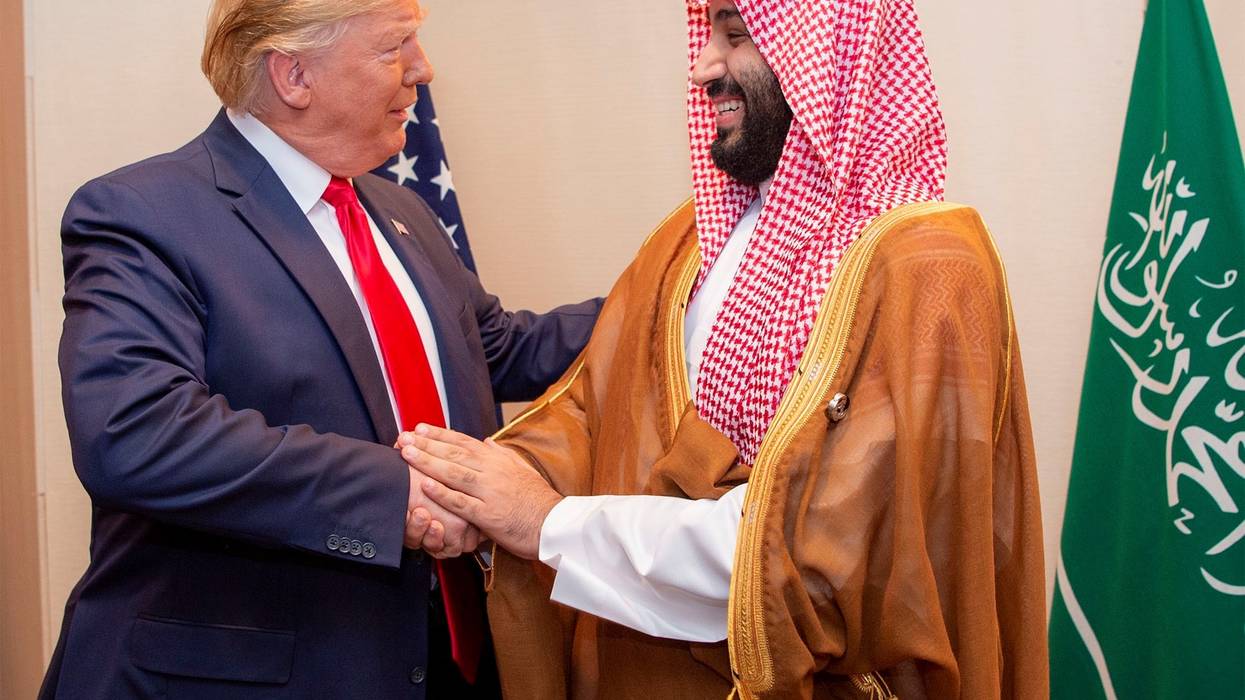
"Crown Prince MBS wants Trump to keep pouring Americans—and billions—into his illegal war with Iran," said one Democratic congressman.
The Pentagon is preparing to deploy around 3,000 troops to the Middle East as thousands of Marines also head to the region amid the US-Israeli war on Iran, stoking fears of a possible ground invasion that is reportedly being pushed by Saudi Arabia's de facto ruler.
Two unidentified US officials told The Wall Street Journal and other media outlets Tuesday that soldiers from the Army's elite 82nd Airborne Division quick reaction brigade—which can send troops almost anywhere in the world in under a day's time—would be ordered to deploy in the coming hours.
While the officials said that no decision has been made regarding a ground invasion of Iran, the deployment marks the latest escalation in the 24-day war—which President Donald Trump claimed was "very complete, pretty much" over two weeks ago.
The United States already has approximately 50,000 troops in the Middle East, where the US has attacked four countries—Iran, Iraq, Syria, and Yemen—along with Libya and Somalia in Africa and Afghanistan and Pakistan in South Asia, since 2001.
The US deployments come as Saudi Crown Prince Mohammed bin Salman—who is often called by his initials MBS—is reportedly pushing Trump to launch a ground invasion of Iran with the objective of toppling its current government, which, despite assassinations of numerous leaders, has so far demonstrated a resiliency experts say is rooted in its decentralized and highly flexible "horizontal" command structure.
According to The New York Times, the crown prince is arguing that the war on Iran offers a "historic opportunity" to reshape the Middle East. Saudi officials denied any such lobbying.
This, as Gulf monarchies are reportedly inching closer to getting directly involved in the war, as Iranian counterattacks target regional US allies including Bahrain, Iraq, Israel, Jordan, Kuwait, Oman, Qatar, Saudi Arabia, and the United Arab Emirates.
Previous reporting by The Washington Post and others detailed how, before the war, MBS and Israeli Prime Minister Benjamin Netanyahu allegedly pressed Trump to attack Iran for the second time in as many years.
Asked during a Tuesday White House press conference if MBS has "been encouraging you to do certain things related to Iran," the president replied: "He's a warrior. Yeah, he does. He's a warrior. He's fighting with us, by the way."
Reporter: There’s been reporting that the crown prince of Saudi Arabia has been encouraging you to do certain things related to Iran.
Trump: He is a warrior, he is fighting with us pic.twitter.com/SA1wklQNJk
— Acyn (@Acyn) March 24, 2026
Lauren Harper, the Daniel Ellsberg chair on government secrecy at the Freedom of the Press Foundation, said on Bluesky Tuesday that MBS' reported lobbying of Trump "is a great example of why a strong Presidential Records Act is essential for accountability."
Following Trump's deletion of social media posts—including a racist video amplifying lies about the 2020 election in which former President Barack Obama and his wife Michelle Obama are portrayed as apes—there have been renewed calls for robust enforcement of the Presidential Records Act (PRA), which requires preservation of “the activities, deliberations, decisions, and policies that reflect the performance of the president’s constitutional, statutory, or other official or ceremonial duties.”
"Want to read the notes or the telcons (telephone conversations) between Trump and MBS re: Iran? Then you need an enforceable PRA that doesn’t let Trump get away with not keeping or destroying records," Harper wrote.
US Rep. Eugene Vindman (D-Va.) said Tuesday on Bluesky: "I’ve listened to Trump’s calls with foreign leaders. The American people deserve to know exactly what he promised MBS—and at what cost to our troops and our values."
Crown Prince MBS wants Trump to keep pouring Americans—and billions—into his illegal war with Iran.This is the same MBS U.S. intelligence tied to the murder of Jamal Khashoggi. And Trump’s response? “Things happen.”
— Congressman Eugene Vindman (VA-07) (@gene4va.bsky.social) March 24, 2026 at 11:26 AM
Some critics took aim at Trump's campaign promise of no new wars, part of his so-called "America First" agenda.
"The America First guy keeps getting headlines about the war with Iran being pursued to fulfill the aims of Netanyahu or MBS," said Chad Stanton, political director at the faith-based progressive advocacy group SojoAction.
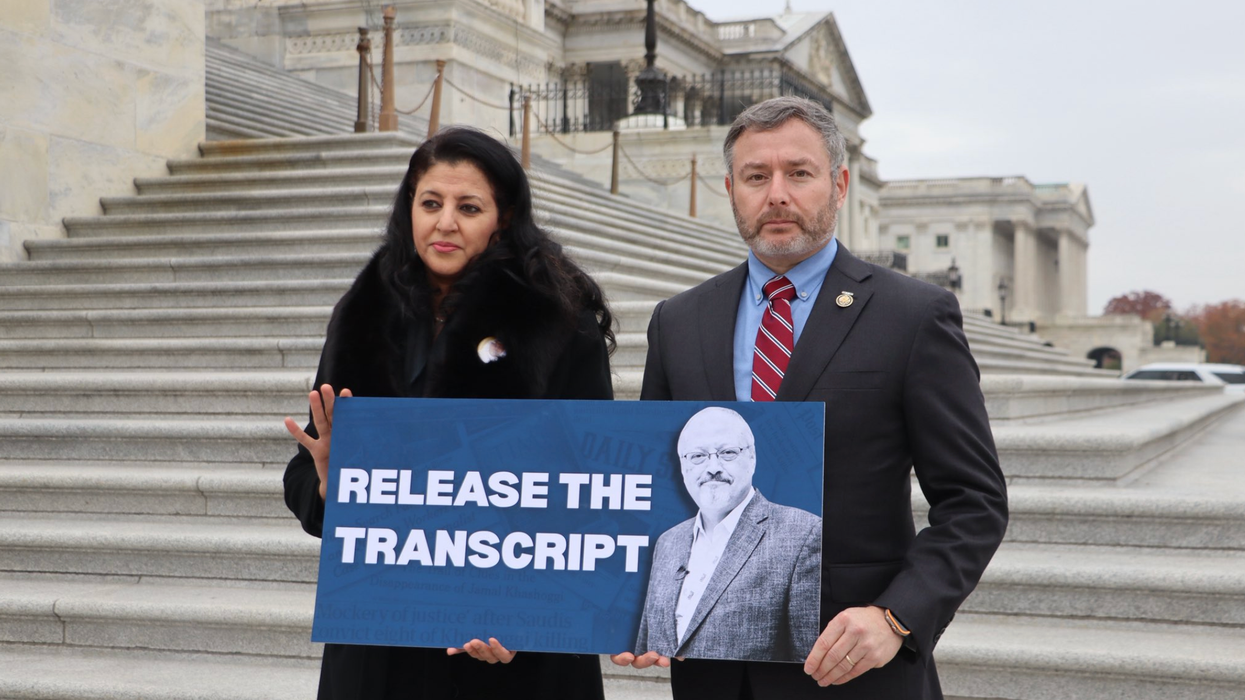
Rep. Eugene Vindman—who was a White House national security lawyer at the time of the 2019 call—said it “would shock people if they knew what was said.”
The widow of Jamal Khashoggi on Friday joined Democratic members of Congress in urging President Donald Trump to release the transcript of a phone conversation between the US leader and Saudi Crown Prince Mohammed bin Salman following the journalist's 2018 kidnapping and gruesome murder by Saudi operatives.
Speaking outside the US Capitol in Washington, DC flanked by Democratic members of Congress including Reps. Eugene Vindman of Virginia and Jamie Raskin of Maryland, Hanan Elatr Khashoggi said she is seeking the lawmakers' help "to get the contents of the conversation between President Trump and MBS to get the truth."
“Try as much as you can to save the democratic freedom of America," Khashoggi implored the audience at the gathering. "Do not be a copy of the Middle East dictator countries. We look to America as our role model of modern civilization. Please maintain it.”
Jamal Khashoggi's widow, Hanan Elatr Khashoggi: "I'm seeking the help of Congressmen Vindman and Jamie Raskin, to get the transcript of the conversation between President Trump and Crown Prince MBS to understand the truth."
[image or embed]
— The Bulwark (@thebulwark.com) November 21, 2025 at 8:44 AM
Vindman urged the declassification and release of what he called a "highly disturbing" 2019 call between Trump and MBS—who US intelligence agencies say ordered Khashoggi's murder—the contents of which the congressman claimed “would shock people if they knew what was said.”
At the time of the call, Vindman was serving as a lawyer on Trump's National Security Council, where his duties included reviewing presidential communications with foreign leaders.
"All week, I’ve urged the president to release this transcript," Vindman said during his remarks at Friday's press conference. "Yesterday, I sent him a letter with 37 of my colleagues demanding its release. We will continue pressing until the American people get the truth.”
"Given President Trump’s disturbing and counterfactual defense of Saudi Crown Prince Mohammed bin Salman this week, I felt compelled to speak up on behalf of the Khashoggi family and the country I serve," he added.
On Tuesday, Trump warmly welcomed the crown prince to the White House, calling him a "respected man," designating Saudi Arabia a major non-NATO ally, and announcing the planned sale of F-35 fighter jets to the kingdom.
Trump also threatened an ABC News reporter who attempted to ask MBS about his role in Khashoggi's murder, calling the victim "somebody that was extremely controversial" and whom "a lot of people didn’t like."
“Whether you like him or didn’t like him, things happen," Trump said as MBS smugly looked on, dubiously adding that the crown prince "knew nothing about it."
Responding to Trump's comments, Khashoggi's widow said during Friday's press conference that “there is no justification to kidnap [Khashoggi], torture him, to kill him, and to cut him to pieces."
"This is a terrorist act," she added.
Khashoggi—a Washington Post columnist and permanent US resident—vanished in October 2018 while visiting the Saudi consulate in Istanbul. Turkish officials said he was attacked, suffocated to death, and dismembered with a bone saw inside the consular compound. One Turkish investigator said Khashoggi was tortured in front the Saudi consul-general and dismembered while he was still alive.
Saudi officials initially denied that Khashoggi died in the consulate but later confirmed his death, claiming it resulted from a “fistfight” gone wrong. In 2019, a Saudi court sentenced five people to death and three others to prison terms in connection with Khashoggi’s murder. However, the death sentences were later commuted.
The Central Intelligence Agency concluded that MBS ordered Khashoggi's murder. Saudi officials refuted the CIA's findings. Trump also expressed skepticism at his own intelligence agency's conclusion, which came as the US was selling or seeking to sell billions of dollars worth of arms to Saudi Arabia despite its rampant war crimes in Yemen.
Hopes that former President Joe Biden would take a different approach to Saudi Arabia over war crimes and Khashoggi's murder were dashed as his administration continued selling arms to the kingdom and argued in federal court that MBS should be granted sovereign immunity in a civil case filed by the slain journalist's widow.
Trump has sought closer ties to Saudi Arabia during his second term as he courts up to $1 trillion in investments from the kingdom and works to broker diplomatic normalization between Riyadh and Israel.
The New York Times reported Monday that the Trump Organization—which is run by the president’s two eldest sons—is “in talks that could bring a Trump-branded property" to Saudi Arabia, raising concerns about possible corruption and conflicts of interest.
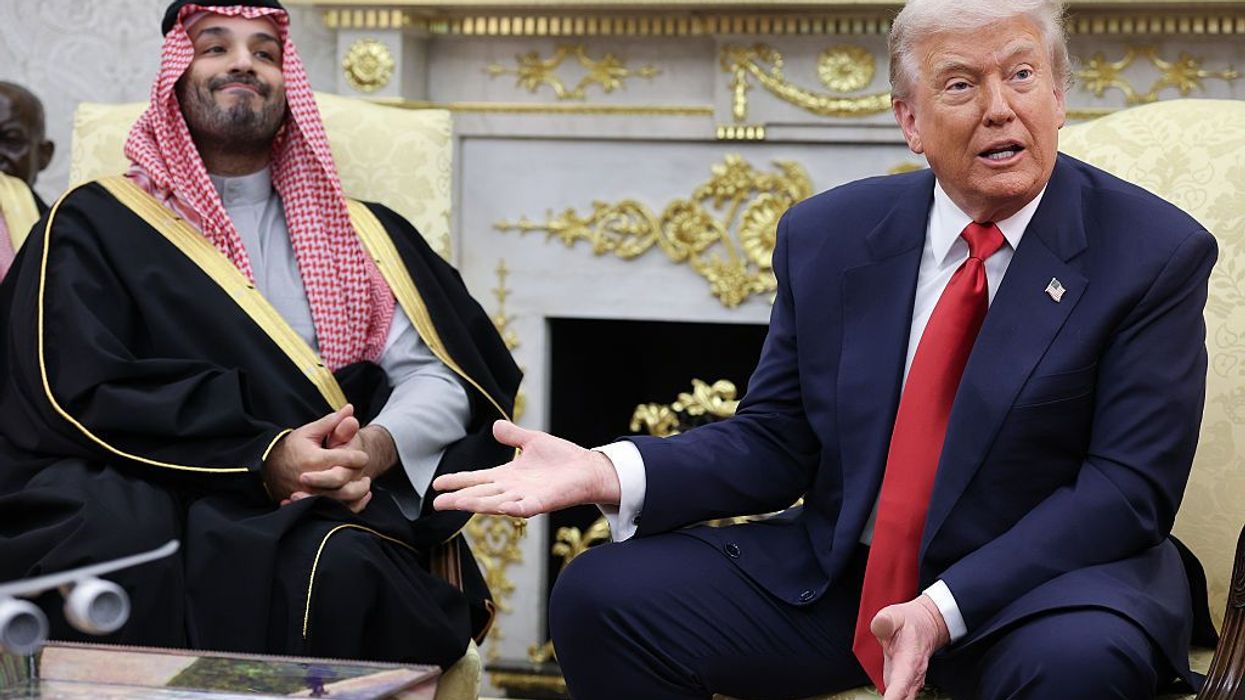
Trump also contradicted a US intelligence assessment that Saudi Crown Prince Mohammed bin Salman had ordered the murder of journalist Jamal Khashoggi.
President Donald Trump angrily snapped at ABC News reporter Mary Bruce while taking questions alongside Saudi Crown Prince Mohammed bin Salman in the White House on Tuesday.
The testy exchange began when Bruce tried to ask the crown prince about a US intelligence assessment concluding that he was responsible for the murder of journalist Jamal Khashoggi.
"Who are you with?" Trump demanded to know as Bruce attempted to ask her questions.
"I'm with ABC News, sir," she replied.
"Fake news," Trump said. "ABC, fake news, one of the worst in the business."
Shortly after this, Trump described the slain Khashoggi as "somebody that was extremely controversial."
"A lot of people didn't like that gentleman that you're talking about," Trump said, referring to Khashoggi. "Whether you like him or didn't like him, things happen. But [the crown prince] knew nothing about it. You don't have to embarrass our guest."
In fact, a US intelligence report that was declassified in 2021 concluded that the crown prince personally approved of a plan carried out by Saudi forces to murder Khashoggi after he entered a Saudi consulate in Istanbul, Turkey in 2018.
Shortly after this, Bruce tried to ask the president a question about FBI files related to the late sex offender and longtime Trump friend Jeffrey Epstein, and he again hit her with personal insults.
"It's not the question I mind, it's your attitude," he said. "You're a terrible person and a terrible reporter."
He then threatened to take ABC News completely off the air.
"I think the [broadcast] license should be taken away from ABC because your news is so fake, and it's so wrong," he said. "And we have a great commissioner... who should look at that."
Trump's mention of the "commissioner" was presumably a reference to Federal Communications Commission Chairman Brendan Carr, who earlier this year threatened to pull ABC's broadcast license unless it fired late-night host Jimmy Kimmel, a frequent critic of the president.
Kimmel's show was suspended shortly after Carr made this statement, although he was reinstated days later amid public outcry about government censorship.
The president dismissed a question about the CIA's finding that Mohammed bin Salman ordered the killing of a journalist, saying the writer was someone "a lot of people didn't like."
A US-based journalist and human rights defender was dismissed as someone "a lot of people didn't like," and the Saudi crown prince who US intelligence experts found had likely ordered the writer's killing was applauded as "one of the most respected people in the world."
That was President Donald Trump's assessment of Washington Post columnist and Saudi dissident Jamal Khashoggi, who was assassinated in 2018, and Saudi Crown Prince Mohammed bin Salman on Tuesday at a meeting in the Oval Office of the White House.
Trump and bin Salman met to discuss a range of topics, from a US sale of F-35 fighter jets to Saudi Arabia to agreements on minerals and artificial intelligence.
Bin Salman also told the president he would increase Saudi investment in the US from $600 billion to $1 trillion.
The BBC reported that Trump "bask[ed]" in the $1 trillion pledge, telling the prince it was an "honor" to be his friend and saying the US "very much appreciate[s]" the investment.
"We're doing numbers no one has ever done," Trump said.
ABC News reporter Mary Bruce asked Trump about his family's business interests in Saudi Arabia and questioned whether the bilateral deals presented a conflict of interest, before pointedly asking bin Salman about the Central Intelligence Agency's finding in 2021 that the prince had likely personally ordered the killing of Khashoggi.
"Your royal highness, the US intelligence concluded that you ordered the brutal murder of a journalist," said Bruce. "Why should Americans trust you?"
Trump was visibly angered by the question and demanded to know what outlet Bruce was with before telling her ABC was "fake news" and calling her comment “horrible, insubordinate, and just a terrible question."
"He knew nothing about it," said the president, contradicting the government's findings.
Khashoggi responded to Bruce, saying, "It's really painful to hear anyone losing his life for no real purpose or not in a legal way."
Trump, said former Labor Secretary Robert Reich, will "overlook the murder of Jamal Khashoggi to pad his pockets and boost the bottom line of the military industrial complex."
Following Trump's comments, Democrats on the US House Intelligence Committee posted a link to the federal report that detailed bin Salman's involvement in the killing of Khashoggi.
US Rep. Jim McGovern (D-Mass.) called Trump's warm welcome to bin Salman "outrageous and disgusting."
"Tyrants around the world are celebrating," said McGovern. "After all, why would they hesitate to kill dissidents outside of their borders if the Saudis are allowed to get away with it?"
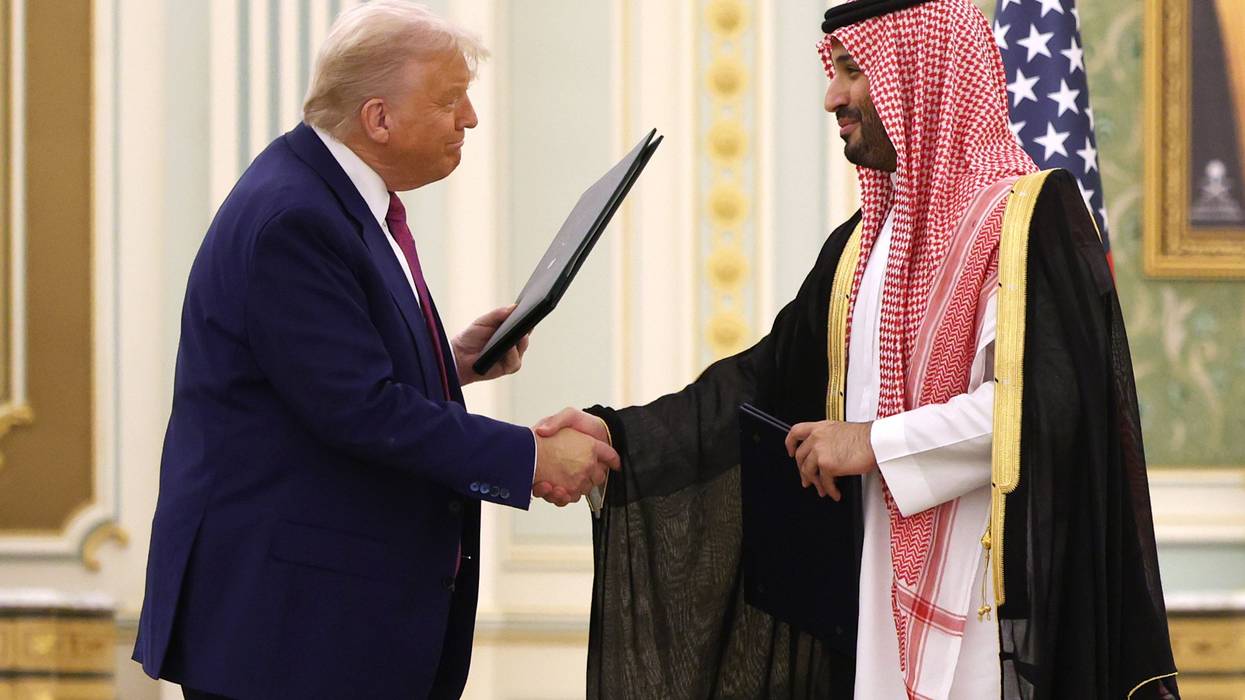
"Sadly, we have a president who prefers the Saudi model—an autocracy run by a trillionaire family—to democracy," said US Sen. Bernie Sanders.
US President Donald Trump said Monday that he intends to authorize the sale of F-35 fighter jets to the autocratic kingdom of Saudi Arabia as the country's leader, Crown Prince Mohammed bin Salman, heads to the United States for the first time since the horrific 2018 murder of journalist Jamal Khashoggi.
"We will be selling F-35s," Trump told reporters in the Oval Office ahead of bin Salman's arrival.
The Saudis, Trump added, "want to buy them, they’ve been a great ally."
The Saudi crown prince, commonly known as MBS, is set to meet with Trump in the White House on Tuesday, heightening concerns among experts and watchdogs about a potential security pact and corrupt business deals with the kingdom. The New York Times reported Monday that the Trump Organization, formally run by the president's two eldest sons, is "in talks that could bring a Trump-branded property to one of Saudi Arabia’s largest government-owned real estate developments."
"The prince is overseeing a $63 billion project that is set to transform the historic Saudi town of Diriyah into a luxury destination with hotels, retail shops and office space," the Times noted. "Saudi officials toured the Diriyah development with Mr. Trump during the president’s official state visit in May, with the goal of piquing his interest in the project."
Robert Weissman, co-president of the watchdog group Public Citizen, said Tuesday that "we're seeing the complete merger of Trump’s business interests with US diplomacy and military policy."
"Trump's apparent authorization of F-35 sales to Saudi Arabia comes amidst reports of new Trump family business deals with the Saudi government and its affiliates," said Weissman. "These deals seem poised to direct tens of millions into the Trump family coffers in exchange for little more than permitting the family name to be attached to development projects."
The F-35 program, which is expected to cost US taxpayers trillions of dollars in the coming years, is widely seen as a boondoggle that primarily benefits massive defense contractors such as Lockheed Martin, the producer of the jets.
Internally, Pentagon officials have voiced concern that selling F-35s to Saudi Arabia could give China access to the jets' technology.
"How are Americans supposed to think that Trump’s decision on F-35 sales, over internal objections, not to mention over human rights concerns, is unconnected to Trump’s business arrangements with Saudi Arabia?" Weissman asked.
US Sen. Bernie Sanders (I-Vt.) said in response to bin Salman's upcoming White House visit that "this is the dictator who had a US columnist murdered for criticizing the Saudi royal family."
"Sadly, we have a president who prefers the Saudi model—an autocracy run by a trillionaire family—to democracy," Sanders added.
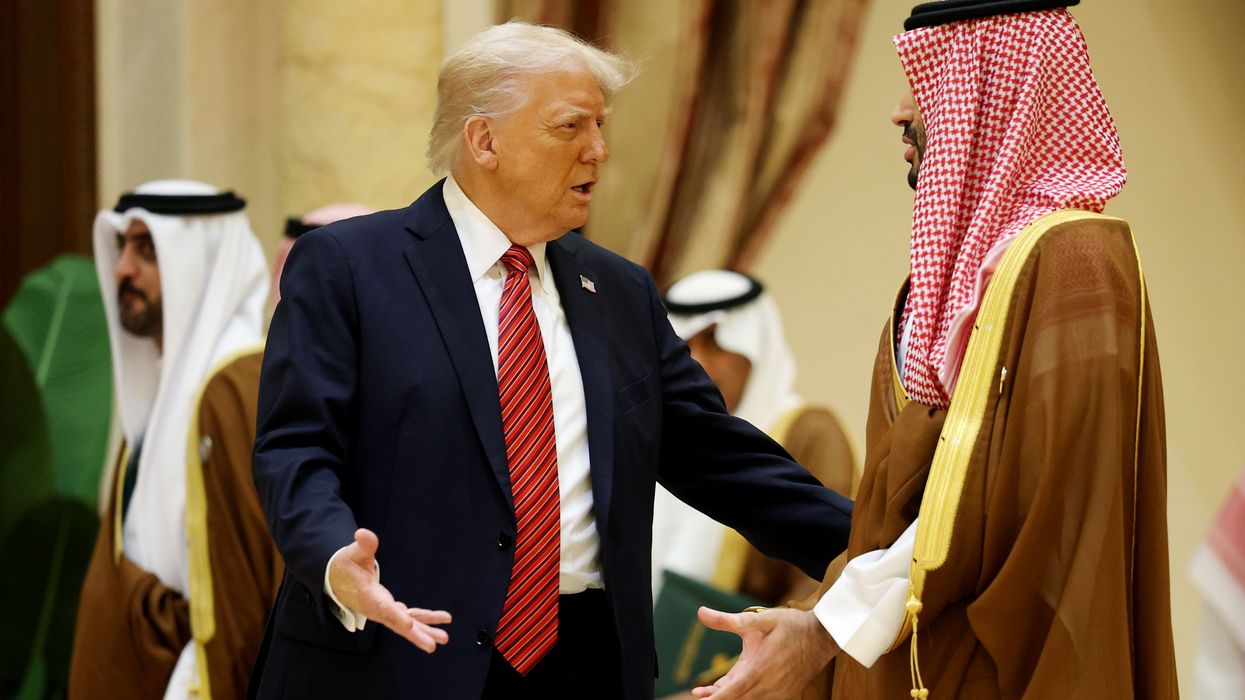
The assumption of US backing allowed the Saudis to wage a brutal war in Yemen that cost close to 400,000 lives without fear of consequences. "Now imagine if Saudi Arabia had an ironclad US security guarantee," wrote one scholar.
As Saudi Crown Prince Mohammed bin Salman prepares to meet with US President Donald Trump next week, experts are warning that it could cause even greater instability in the Middle East if the president agrees to the Gulf regime's requests for a defense pact.
On November 18, the crown prince, commonly known as MBS, will be welcomed in Washington for the first time since 2018. That meeting with Trump came just months before the prince signed off on the infamous murder of the Washington Post journalist Jamal Khashoggi as part of a brutal crackdown on dissenters in the country.
Trump defended MBS from international outrage and isolation at the time and has continued to sing his praises since returning to office. In May, after inking a record $142 billion weapons sale to the Saudis during a tour of the Middle East, Trump gave a speech, practically salivating over the crown prince.
“We have great partners in the world, but we have none stronger, and nobody like the gentleman that’s right before me, he’s your greatest representative, your greatest representative,” Trump said. “And if I didn’t like him, I would get out of here so fast. You know that, don’t you? He knows me well.”
“I do, I like him a lot. I like him too much, that’s why we give so much, you know?” the president continued. “Too much. I like you too much!”
“Oh, what I do for the crown prince,” he added.
Now, according to a report Tuesday from the Financial Times, the Saudis are coming to Washington seeking a similar security guarantee to the one Trump recently granted Qatar, which one State Department diplomat referred to as "on par with the mutual defense commitments the United States provides its closest allies.”
Trump signed an executive order stating that the US would respond to any attack on Qatar by taking all “lawful and appropriate measures—including diplomatic, economic, and, if necessary, military."
That agreement came weeks after Israel launched an unprecedented assault on Hamas leadership as they met for negotiations in Qatar's capital city of Doha to end the two-year genocide in Gaza. Without the security agreement, the Qataris had threatened to walk away from their role in mediating the talks that ultimately led to October's "ceasefire" agreement.
The deal expected to be reached between Trump and the Saudis has been described as "Qatar-plus," not just pledging defense of the state were it to come under attack, but regarding it as a threat to American “peace and security."
Such an agreement was already underway during the tenure of former President Joe Biden, following the normalization of relations with Israel, but was upended by Hamas's October 7 attacks and two years of indiscriminate slaughter Israel launched in response, which bin Salman referred to as a "genocide."
While MBS has publicly stated that he would not agree to continue normalization with Israel without a Palestinian state, he has not shied away from a separate security deal with the US, which reportedly includes "enhanced military and intelligence cooperation."
According to Christopher Preble and Will Smith, a pair of foreign policy researchers at the Stimson Center's Reimagining US Grand Strategy program, the Trump team hopes that by pursuing a heightened security and financial relationship with the Saudis, they can coax them back towards detente with Israel and bring them back into the US orbit in response to what Trump views as an overly flirtatious posture toward China.
"These developments suggest a troubling belief that handing out security guarantees is a quick, cost-free way to reassure anxious partners and ensure their alignment with US priorities. That belief is mistaken," the researchers wrote in Responsible Statecraft Tuesday. "A US-Saudi defense pact would be unnecessary, risky, and unlikely to achieve its unclear aims. Rather than revive the misguided Biden administration initiative, the Trump administration should shelve the idea once and for all."
They said there are few upsides to the normalization between Saudi Arabia and Israel, and that if it were to occur, it would be little more than a formal recognition of the cooperation between the two nations that already exists in combating Iran's influence.
While a deal would lead to few benefits, they argued it would "come with significant downsides," potentially forcing the US to ride along with "reckless driving" by the Saudis, especially with its neighbors in Yemen.
"Extensive US support emboldened Saudi Arabia to wage a disastrous, failed intervention there that dragged on for seven years, fueling a war that claimed close to 400,000 lives, including nearly 20,000 civilians killed by airstrikes," the researchers said.
International relations scholar Adam Gallagher pointed out that the Saudis did all of this merely "because of what it assumed would be continual US backing."
"Now imagine if Saudi Arabia had an ironclad US security guarantee," he said.
The result, he warned, would be something akin to Israel's sense of total impunity to wage destruction in Gaza.
"When a great power provides a security pledge to a less powerful ally, the weaker state is more willing to take on risk, and the patron often ends up paying the price," he wrote. "There is simply no strategic reason for the United States to imperil its interests or incur costs if Saudi Arabia engaged in renewed adventurism."
Human rights groups have noted that a deal also has massive implications for the Saudi regime's actions at home, where its leaders have faced little accountability for their repression of dissent.
“Saudi Arabia’s crown prince is trying to rebrand himself as a global statesman, but the reality at home is mass repression, record numbers of executions, and zero tolerance for dissent," said Sarah Yager, the Washington director at Human Rights Watch. "US officials should be pressing for change, not posing for photos.”
Matt Wells, the deputy director of Reprieve US, emphasized that outside pressure on the regime has mattered in the past: "In the fallout from Jamal Khashoggi’s assassination, Mohammed bin Salman’s regime felt international pressure to improve its human rights record, and that pressure made a difference. Some child defendants on death row were resentenced and released, and from July 2021 to July 2025, there were no executions for childhood crimes.”
“Beneath Saudi Arabia’s glittering facade, the repression of Saudi citizens and residents continues unabated," said Abdullah Aljuraywi, monitoring and campaigns officer at ALQST for Human Rights. "To avoid emboldening this, the US should use its leverage to secure concrete commitments, including the release of detained activists, lifting of arbitrary travel bans, and an end to politically motivated executions.”
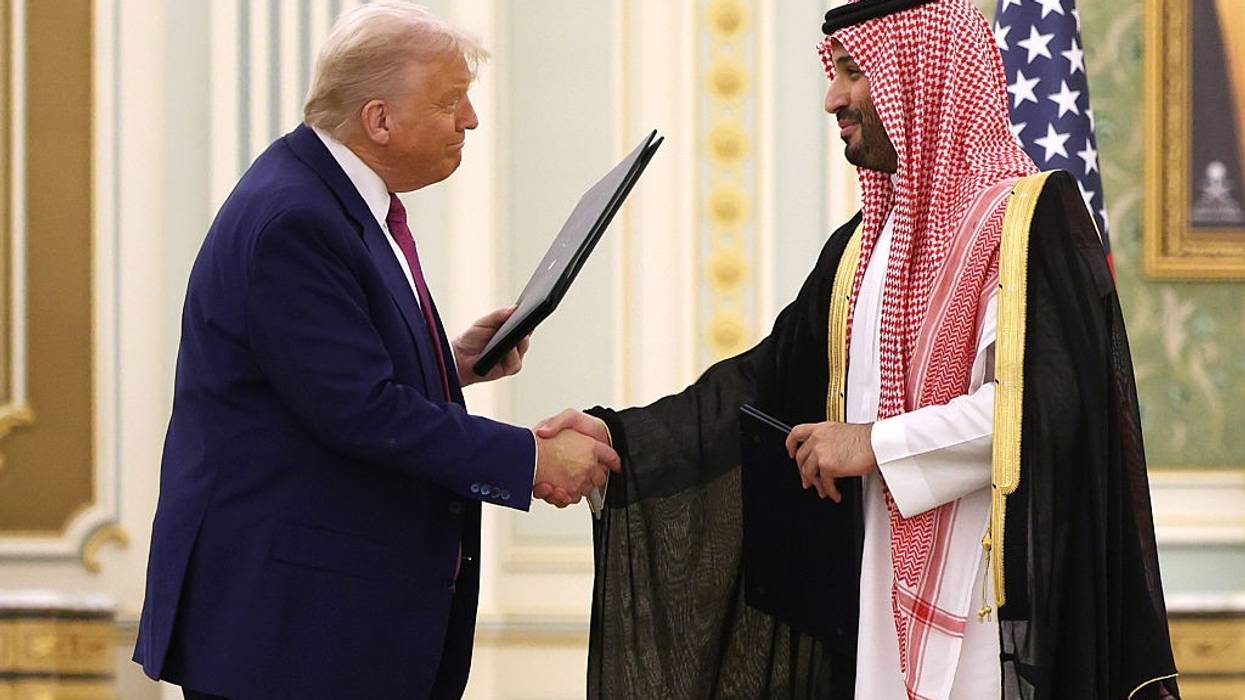
"I like him a lot," Trump said of Saudi Crown Prince Mohammed bin Salman, a prolific human rights violator. "I like him too much."
In what the White House described as "the largest defense sales agreement in history," U.S. President Donald Trump on Tuesday announced a deal for prolific human rights violator Saudi Arabia to purchase $142 billion worth of arms from a dozen different American companies.
The White House unveiled the sale as Trump visited Saudi leaders including Crown Prince Mohammed bin Salman in the kingdom's capital city of Riyadh on the first leg of a Mideast tour, with stops also scheduled in Qatar and the United Arab Emirates.
A fact sheet published by the executive office said the arms sale involves "air force advancement and space capabilities, air and missile defense, maritime and coastal security, border security and land forces modernization, and information and communication systems upgrades."
"Oh, what I do for the crown prince."
Reuters reported that military-industrial complex titans including Lockheed Martin, RTX—formerly Raytheon—Boeing, Northrop Grumman, and General Atomics are involved in the deal. The U.S. and Saudi Arabia reportedly discussed the potential sale of Lockheed Martin F-35 fighter jets to the kingdom, but it remains unclear if the Trump administration will allow the transfer of the highly advanced warplanes.
The agreement is part of a broader Saudi commitment to invest $600 billion in the United States, which the White House said will "strengthen our energy security, defense industry, technology leadership, and access to global infrastructure and critical minerals."
Trump and his relatives, including son-in-law Jared Kushner, enjoy close personal and financial relations with the Saudi royal family, which has poured billions of dollars into their business ventures.
During a signing ceremony, Trump—who apparently fell asleep during the proceedings—joked that the Saudis should invest $1 trillion.
Business leaders including Tesla and SpaceX CEO Elon Musk—who is also the de facto Department of Government Efficiency chief—OpenAI CEO Sam Altman, IBM CEO Arvind Krishna, CitiGroup CEO Jane Fraser, and the heads of investment firms including BlackRock, Franklin Templeton, and Blackstone Group also traveled to Saudi Arabia.
Critics including congressional progressives and anti-war groups have long opposed U.S. arms sales to Saudi Arabia, which stands accused of a litany of human rights violations including bombing and starving civilians in Yemen, massacring African migrants, and the 2018 murder of journalist and U.S. resident Jamal Khashoggi.
In 2019, during Trump's first term, Congress passed three bipartisan bills aimed at blocking an $8 billion arms sale to Saudi Arabia and its coalition partner in the U.S.-backed war on Yemen, the United Arab Emirates. Trump vetoed the legislation. His successor, former President Joe Biden, paused U.S. arms transfers to Saudi Arabia and the UAE but subsequently lifted the freeze despite pleas from human rights defenders.
The record arms sale comes amid Trump's effort to broker a diplomatic normalization deal between Saudi Arabia and Israel. The president is no longer demanding that the Saudis normalize relations with Israel as a precondition for a civilian nuclear cooperation deal, a move that reportedly alarmed Israel's far-right government.
Trump lavished praise on the Saudi monarchy in a rambling speech in Riyadh on Tuesday, hailing bin Salman as an "incredible man."
Trump gushes over MBS: "We have great partners in the world, but we have none stronger and nobody like the gentleman right before me. He's your greatest representative. And if I didn't like him, I'd get out of here so fast. He knows me well. I do. I like him a lot. I like him too much."
[image or embed]
— Aaron Rupar (@atrupar.com) May 13, 2025 at 9:01 AM
"We have great partners in the world, but we have none stronger, and nobody like the gentleman that's right before me, he's your greatest representative, your greatest representative," Trump said. "And if I didn't like him, I would get out of here so fast. You know that don't you? He knows me well."
"I do, I like him a lot. I like him too much, that's why we give so much, you know?" the president continued. "Too much. I like you too much!"
"Oh, what I do for the crown prince," he added.
Trump also announced that the U.S. would lift sanctions on Syria and restore relations with the country's new government, a move the peace group CodePink called "good news."
"The bad news is he's making new arms deals with Saudi Arabia, jeopardizing diplomacy with Iran, and continuing to ignore the U.S. and Israel's genocide in Gaza as they drop bombs on hospitals," the group added.