SUBSCRIBE TO OUR FREE NEWSLETTER
Daily news & progressive opinion—funded by the people, not the corporations—delivered straight to your inbox.
5
#000000
#FFFFFF
To donate by check, phone, or other method, see our More Ways to Give page.
Daily news & progressive opinion—funded by the people, not the corporations—delivered straight to your inbox.
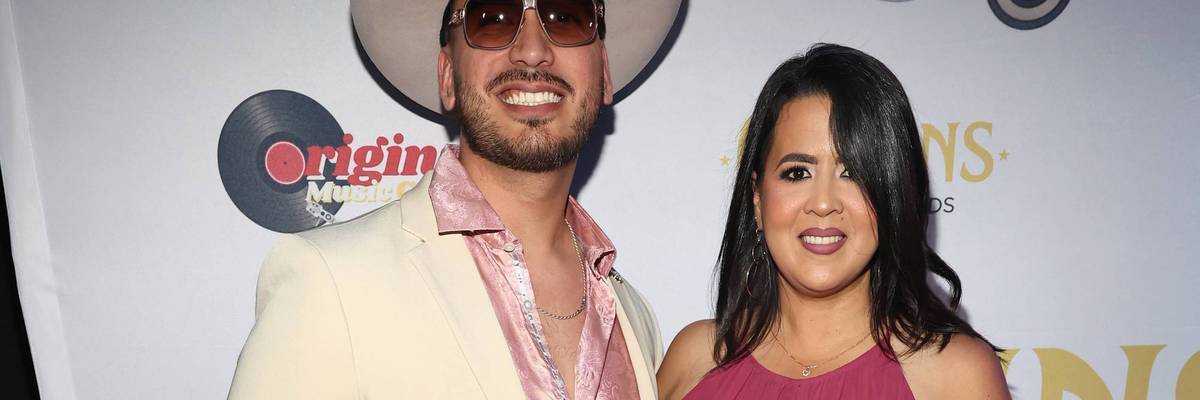
Nashville Noticias journalist Estefany Rodríguez is seen with Alejandro Medina III at the Origins Impact Awards at The Cowan at Topgolf on November 20, 2025 in Nashville, Tennessee.
Estefany Rodríguez's detention "has had a chilling effect, undermining journalists’ ability, especially local reporters, to cover their communities without fear of retaliation," according to one advocate.
Immigrant rights and press freedom groups were celebrating Friday after Nashville journalist Estefany Rodríguez was released from a US Immigration and Customs Enforcement detention center in Louisiana, two weeks after she was detained—but advocates said they would continue challenging the violation of Rodríguez's rights and demanded the Trump administration end its targeting of journalists amid its anti-immigration crackdown.
Rodríguez was freed on a $10,000 bond, more than two weeks after the Nashville Noticias reporter was detained outside a gym while traveling in her marked press vehicle.
As Common Dreams reported, press freedom advocates expressed concern that Rodríguez was detained in retaliation for her reporting on ICE's mass detention and deportation operation under President Donald Trump.
An ICE officer told her lawyer after her arrest that Rodríguez had been labeled a "flight risk" because she "missed" two meetings at the local ICE office—although the agency had previously informed her lawyer and her husband that she didn't need to go to the meetings.
Nora Benavidez, senior counsel of the media rights group Free Press, said the group welcomed the news of Rodríguez's release but emphasized that "while this is a victory for Rodríguez, her free speech rights, and the communities she reports for, the fight is not over."
"We remain troubled by the federal government’s ongoing campaign to silence and deport reporters who cover the administration’s gross mistreatment of immigrants," said Benavidez. "We will continue to fight for Rodríguez and her right to report free from retaliation while we challenge the federal government’s relentless assaults on the First Amendment across this country.”
"Press freedom is not theoretical—it is tested in moments like this. Safeguarding it means removing unnecessary barriers and ensuring that journalists, especially those serving vulnerable communities, can report freely and without fear."
Rodríguez was arrested weeks after journalists Don Lemon and Georgia Fort were arrested for reporting on an anti-ICE protest at a church in Minneapolis. Emmy-winning journalist Mario Guevara was arrested last June after reporting on a No Kings protest against Trump in Atlanta; he was detained for more than 100 days before being deported to El Salvador.
Rodríguez arrived in the US lawfully in 2021 from her native Colombia, where she faced threats due to her reporting work. She applied for asylum before her visa expired.
Nashville Banner reported that Rodríguez was granted the bond by a judge on Monday, but a mandatory stay allowed ICE attorneys the opportunity to appeal the decision, which they ultimately did not. Then it took a day for Rodríguez's family to post the bond through an electronic system on Wednesday, which required approval since they were first-time users.
The bureaucratic delays added to the ordeal Rodríguez faced during her detention, during which she was not able to contact her attorneys until March 14. She first spent a week in a county jail in Alabama where guards placed her in isolation for five days, claiming she had contracted lice. According to Nashville Banner, before she was transferred to the center in Louisiana, the guards "took her to the shower, made her strip naked, and poured cleaning liquid over her head." The substance made Rodríguez's eyes burn, and the outlet reported that "she believed the liquid was also used to clean floors."
Following her release, Rodríguez's legal case is ongoing. Her lawyers filed an emergency petition for a writ of habeas corpus in federal court. Government lawyers are now arguing the case is moot because Rodríguez has been released, but her attorneys are seeking an evidentiary hearing to obtain an injunction against her potential redetenion.
"We plan to proceed with the habeas petition that was filed on March 4, challenging both her warrantless arrest and retaliation for her exercise of First Amendment rights," said Mike Holley, an attorney with the Tennessee Immigrant and Refugee Rights Coalition. "Through that petition, we are seeking not only her complete release, but an order prohibiting ICE from mistreating her in a similar way in the future.”
In the petition, Rodríguez's legal team argued her detention has violated her First, Fourth, and Fifth amendment rights and asserted that she was detained in relation to her coverage of ICE operations.
Jose Zamora, regional director of the Americas for the Committee to Protect Journalists, said Rodríguez's detention "has had a chilling effect, undermining journalists’ ability, especially local reporters, to cover their communities without fear of retaliation."
“The government must uphold press freedom and ensure all journalists can work safely and without reprisal," said Zamora.
Mark Schoeff Jr., president of the National Press Club, said that Rodríguez's case "should never have reached this point."
"We urge authorities to drop any further action against Ms. Rodríguez and allow her to continue her work without interference. She is a community-focused journalist whose reporting serves the public interest, and she must be able to work openly and cooperatively as she seeks to resolve her legal status in the United States," said Schoeff. "A free press depends on the ability of journalists to report without fear of detention or retaliation. Reporters cannot do their jobs if they fear detention for doing their jobs."
"Press freedom is not theoretical—it is tested in moments like this," he added. "Safeguarding it means removing unnecessary barriers and ensuring that journalists, especially those serving vulnerable communities, can report freely and without fear."
Dear Common Dreams reader, It’s been nearly 30 years since I co-founded Common Dreams with my late wife, Lina Newhouser. We had the radical notion that journalism should serve the public good, not corporate profits. It was clear to us from the outset what it would take to build such a project. No paid advertisements. No corporate sponsors. No millionaire publisher telling us what to think or do. Many people said we wouldn't last a year, but we proved those doubters wrong. Together with a tremendous team of journalists and dedicated staff, we built an independent media outlet free from the constraints of profits and corporate control. Our mission has always been simple: To inform. To inspire. To ignite change for the common good. Building Common Dreams was not easy. Our survival was never guaranteed. When you take on the most powerful forces—Wall Street greed, fossil fuel industry destruction, Big Tech lobbyists, and uber-rich oligarchs who have spent billions upon billions rigging the economy and democracy in their favor—the only bulwark you have is supporters who believe in your work. But here’s the urgent message from me today. It's never been this bad out there. And it's never been this hard to keep us going. At the very moment Common Dreams is most needed, the threats we face are intensifying. We need your support now more than ever. We don't accept corporate advertising and never will. We don't have a paywall because we don't think people should be blocked from critical news based on their ability to pay. Everything we do is funded by the donations of readers like you. When everyone does the little they can afford, we are strong. But if that support retreats or dries up, so do we. Will you donate now to make sure Common Dreams not only survives but thrives? —Craig Brown, Co-founder |
Immigrant rights and press freedom groups were celebrating Friday after Nashville journalist Estefany Rodríguez was released from a US Immigration and Customs Enforcement detention center in Louisiana, two weeks after she was detained—but advocates said they would continue challenging the violation of Rodríguez's rights and demanded the Trump administration end its targeting of journalists amid its anti-immigration crackdown.
Rodríguez was freed on a $10,000 bond, more than two weeks after the Nashville Noticias reporter was detained outside a gym while traveling in her marked press vehicle.
As Common Dreams reported, press freedom advocates expressed concern that Rodríguez was detained in retaliation for her reporting on ICE's mass detention and deportation operation under President Donald Trump.
An ICE officer told her lawyer after her arrest that Rodríguez had been labeled a "flight risk" because she "missed" two meetings at the local ICE office—although the agency had previously informed her lawyer and her husband that she didn't need to go to the meetings.
Nora Benavidez, senior counsel of the media rights group Free Press, said the group welcomed the news of Rodríguez's release but emphasized that "while this is a victory for Rodríguez, her free speech rights, and the communities she reports for, the fight is not over."
"We remain troubled by the federal government’s ongoing campaign to silence and deport reporters who cover the administration’s gross mistreatment of immigrants," said Benavidez. "We will continue to fight for Rodríguez and her right to report free from retaliation while we challenge the federal government’s relentless assaults on the First Amendment across this country.”
"Press freedom is not theoretical—it is tested in moments like this. Safeguarding it means removing unnecessary barriers and ensuring that journalists, especially those serving vulnerable communities, can report freely and without fear."
Rodríguez was arrested weeks after journalists Don Lemon and Georgia Fort were arrested for reporting on an anti-ICE protest at a church in Minneapolis. Emmy-winning journalist Mario Guevara was arrested last June after reporting on a No Kings protest against Trump in Atlanta; he was detained for more than 100 days before being deported to El Salvador.
Rodríguez arrived in the US lawfully in 2021 from her native Colombia, where she faced threats due to her reporting work. She applied for asylum before her visa expired.
Nashville Banner reported that Rodríguez was granted the bond by a judge on Monday, but a mandatory stay allowed ICE attorneys the opportunity to appeal the decision, which they ultimately did not. Then it took a day for Rodríguez's family to post the bond through an electronic system on Wednesday, which required approval since they were first-time users.
The bureaucratic delays added to the ordeal Rodríguez faced during her detention, during which she was not able to contact her attorneys until March 14. She first spent a week in a county jail in Alabama where guards placed her in isolation for five days, claiming she had contracted lice. According to Nashville Banner, before she was transferred to the center in Louisiana, the guards "took her to the shower, made her strip naked, and poured cleaning liquid over her head." The substance made Rodríguez's eyes burn, and the outlet reported that "she believed the liquid was also used to clean floors."
Following her release, Rodríguez's legal case is ongoing. Her lawyers filed an emergency petition for a writ of habeas corpus in federal court. Government lawyers are now arguing the case is moot because Rodríguez has been released, but her attorneys are seeking an evidentiary hearing to obtain an injunction against her potential redetenion.
"We plan to proceed with the habeas petition that was filed on March 4, challenging both her warrantless arrest and retaliation for her exercise of First Amendment rights," said Mike Holley, an attorney with the Tennessee Immigrant and Refugee Rights Coalition. "Through that petition, we are seeking not only her complete release, but an order prohibiting ICE from mistreating her in a similar way in the future.”
In the petition, Rodríguez's legal team argued her detention has violated her First, Fourth, and Fifth amendment rights and asserted that she was detained in relation to her coverage of ICE operations.
Jose Zamora, regional director of the Americas for the Committee to Protect Journalists, said Rodríguez's detention "has had a chilling effect, undermining journalists’ ability, especially local reporters, to cover their communities without fear of retaliation."
“The government must uphold press freedom and ensure all journalists can work safely and without reprisal," said Zamora.
Mark Schoeff Jr., president of the National Press Club, said that Rodríguez's case "should never have reached this point."
"We urge authorities to drop any further action against Ms. Rodríguez and allow her to continue her work without interference. She is a community-focused journalist whose reporting serves the public interest, and she must be able to work openly and cooperatively as she seeks to resolve her legal status in the United States," said Schoeff. "A free press depends on the ability of journalists to report without fear of detention or retaliation. Reporters cannot do their jobs if they fear detention for doing their jobs."
"Press freedom is not theoretical—it is tested in moments like this," he added. "Safeguarding it means removing unnecessary barriers and ensuring that journalists, especially those serving vulnerable communities, can report freely and without fear."
Immigrant rights and press freedom groups were celebrating Friday after Nashville journalist Estefany Rodríguez was released from a US Immigration and Customs Enforcement detention center in Louisiana, two weeks after she was detained—but advocates said they would continue challenging the violation of Rodríguez's rights and demanded the Trump administration end its targeting of journalists amid its anti-immigration crackdown.
Rodríguez was freed on a $10,000 bond, more than two weeks after the Nashville Noticias reporter was detained outside a gym while traveling in her marked press vehicle.
As Common Dreams reported, press freedom advocates expressed concern that Rodríguez was detained in retaliation for her reporting on ICE's mass detention and deportation operation under President Donald Trump.
An ICE officer told her lawyer after her arrest that Rodríguez had been labeled a "flight risk" because she "missed" two meetings at the local ICE office—although the agency had previously informed her lawyer and her husband that she didn't need to go to the meetings.
Nora Benavidez, senior counsel of the media rights group Free Press, said the group welcomed the news of Rodríguez's release but emphasized that "while this is a victory for Rodríguez, her free speech rights, and the communities she reports for, the fight is not over."
"We remain troubled by the federal government’s ongoing campaign to silence and deport reporters who cover the administration’s gross mistreatment of immigrants," said Benavidez. "We will continue to fight for Rodríguez and her right to report free from retaliation while we challenge the federal government’s relentless assaults on the First Amendment across this country.”
"Press freedom is not theoretical—it is tested in moments like this. Safeguarding it means removing unnecessary barriers and ensuring that journalists, especially those serving vulnerable communities, can report freely and without fear."
Rodríguez was arrested weeks after journalists Don Lemon and Georgia Fort were arrested for reporting on an anti-ICE protest at a church in Minneapolis. Emmy-winning journalist Mario Guevara was arrested last June after reporting on a No Kings protest against Trump in Atlanta; he was detained for more than 100 days before being deported to El Salvador.
Rodríguez arrived in the US lawfully in 2021 from her native Colombia, where she faced threats due to her reporting work. She applied for asylum before her visa expired.
Nashville Banner reported that Rodríguez was granted the bond by a judge on Monday, but a mandatory stay allowed ICE attorneys the opportunity to appeal the decision, which they ultimately did not. Then it took a day for Rodríguez's family to post the bond through an electronic system on Wednesday, which required approval since they were first-time users.
The bureaucratic delays added to the ordeal Rodríguez faced during her detention, during which she was not able to contact her attorneys until March 14. She first spent a week in a county jail in Alabama where guards placed her in isolation for five days, claiming she had contracted lice. According to Nashville Banner, before she was transferred to the center in Louisiana, the guards "took her to the shower, made her strip naked, and poured cleaning liquid over her head." The substance made Rodríguez's eyes burn, and the outlet reported that "she believed the liquid was also used to clean floors."
Following her release, Rodríguez's legal case is ongoing. Her lawyers filed an emergency petition for a writ of habeas corpus in federal court. Government lawyers are now arguing the case is moot because Rodríguez has been released, but her attorneys are seeking an evidentiary hearing to obtain an injunction against her potential redetenion.
"We plan to proceed with the habeas petition that was filed on March 4, challenging both her warrantless arrest and retaliation for her exercise of First Amendment rights," said Mike Holley, an attorney with the Tennessee Immigrant and Refugee Rights Coalition. "Through that petition, we are seeking not only her complete release, but an order prohibiting ICE from mistreating her in a similar way in the future.”
In the petition, Rodríguez's legal team argued her detention has violated her First, Fourth, and Fifth amendment rights and asserted that she was detained in relation to her coverage of ICE operations.
Jose Zamora, regional director of the Americas for the Committee to Protect Journalists, said Rodríguez's detention "has had a chilling effect, undermining journalists’ ability, especially local reporters, to cover their communities without fear of retaliation."
“The government must uphold press freedom and ensure all journalists can work safely and without reprisal," said Zamora.
Mark Schoeff Jr., president of the National Press Club, said that Rodríguez's case "should never have reached this point."
"We urge authorities to drop any further action against Ms. Rodríguez and allow her to continue her work without interference. She is a community-focused journalist whose reporting serves the public interest, and she must be able to work openly and cooperatively as she seeks to resolve her legal status in the United States," said Schoeff. "A free press depends on the ability of journalists to report without fear of detention or retaliation. Reporters cannot do their jobs if they fear detention for doing their jobs."
"Press freedom is not theoretical—it is tested in moments like this," he added. "Safeguarding it means removing unnecessary barriers and ensuring that journalists, especially those serving vulnerable communities, can report freely and without fear."