SUBSCRIBE TO OUR FREE NEWSLETTER
Daily news & progressive opinion—funded by the people, not the corporations—delivered straight to your inbox.
5
#000000
#FFFFFF
To donate by check, phone, or other method, see our More Ways to Give page.
Daily news & progressive opinion—funded by the people, not the corporations—delivered straight to your inbox.
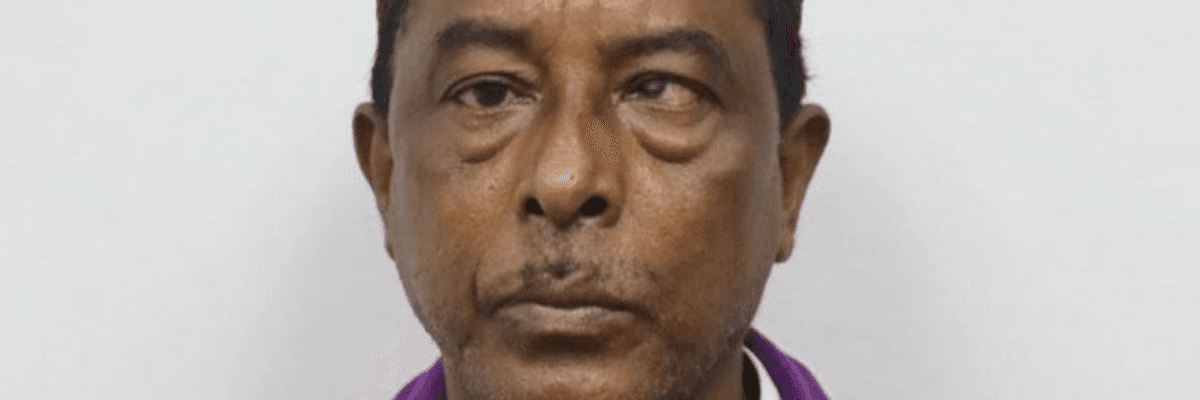
Nurul Amin Shah Alam, 56, was dropped miles from his home in Buffalo, New York by US Border Patrol agents after he was released from jail on February 19, 2026. His body was found days later in the freezing cold and his death has been ruled a homicide.
"The absolute disregard for his well-being by the DHS agents is ghastly. He should be alive today," said one advocate for refugees.
The Trump administration's response was swift following the news that the death of a nearly blind New York man who was left by US Border Patrol agents in the freezing cold was ruled a homicide—and it made clear that the Department of Homeland Security has no intention of taking accountability for the agents' actions that preceded the 56-year-old's death.
But state Attorney General Letitia James warned that despite the deflections of the administration, her office would continue to review "the circumstances and treatment that led" to the death of Nurul Amin Shah Alam, a Rohingya refugee, in February.
"Mr. Shah Alam fled genocide to build a life in this country," James said. “Instead, he was abandoned and left to suffer alone in his final hours. No New Yorker should be treated this way.”
As Common Dreams reported, Shah Alam was found dead on a Buffalo, New York street five days after Border Patrol agents dropped him off at a closed coffee shop. They had not informed Shah Alam's family or lawyer where he was, making it impossible for him to find his way home as extreme winter weather hit Buffalo. In addition to being visually impaired, Shah Alam was unable to speak or read English.
The "manner of death," said the county medical examiner's office, "was homicide."
The medical examiner emphasized that on death certificates, "homicide" refers to "death resulting from the volitional act of another, which may include negligent acts or omissions," and does not imply the intent to cause someone's death.
The designation does "not indicate criminality, which is the purview of the judicial system," said the office.
Dr. Gale Burstein, the Erie County Department of Health commissioner, announced Wednesday that Shah Alam's death had been directly caused by complications from a perforated ulcer that had formed when hypothermia decreased blood flow and weakened the lining of his intestines.
Shah Alam experienced “severe stress” and that “stress was felt to be hypothermia, being in very cold temperatures, and dehydration, so no access to liquids," said Burstein.
The perforated ulcer doubtlessly caused "severe pain," the health commissioner added at a news conference.
“If that is not repaired in a short period of time, it can cause death, which is what we have, we felt we’ve seen in this instance,” said Burstein. “It’s a medical emergency.”
On Thursday morning, hours after the officials announced the homicide determination and described the health crisis Shah Alam experienced in his last days as he walked through the streets of Buffalo in subfreezing temperatures, DHS said on social media that the account of Shah Alam's death was "another hoax being peddled by the media and sanctuary politicians to demonize our law enforcement."
“This death had NOTHING to do with Border Patrol. Mr. Shah Alam passed almost A WEEK AFTER he was released by Border Patrol," said the agency before listing a number of allegations regarding the man's "serial violent criminal rap sheet."
The charges DHS referred to were related to an incident in February 2025, when Shah Alam was detained after getting lost on the way home from a store where he had purchased two curtain rods to use as walking sticks. He ended up on the porch of a woman who called the police, who later accused him of swinging a rod “in a menacing manner," which his lawyer denies.
Police body camera footage shows him saying, “OK” and dropping one end of the curtain rod when an officer told him to put it on the ground.
Shah Alam was charged with assault, trespassing, and possession of a weapon and taken to Erie County Holding Center, where he was held for a year.
He was released in late February after his family posted bail. The local police alerted Border Patrol, which sent two agents to pick Shah Alam up from jail. His son was waiting outside the jail to take him home, The New York Times reported, but the agents took him to a closed Tim Hortons location instead and left him there, describing their actions as giving Shah Alam a "courtesy ride."
The agency claimed after Shah Alam's death was reported in February that he had shown “no signs of distress, mobility issues, or disabilities requiring special assistance."
After officials announced their findings regarding Shah Alam's death on Wednesday, his son, Mohamad Faisal Nurul Amin, told The Guardian: “When I got the call from the medical examiner, my body went into shock. I felt like I was going to throw up. I couldn’t move. Someone told my mother, and she was devastated. I am still depressed.”
Jeremy Konyndyk, president of Refugees International, said Shah Alam's fate amounted to "death-by-policy."
"In Minnesota, DHS often released detainees in secluded areas in freezing evening conditions with no alert to family. It seemed calculated to endanger people. Very similar to what they did here," he said.
Afaf Nasher, executive director of the New York chapter of the Council on American-Islamic Relations, said the medical examiner's ruling confirms what Shah Alam's "family and community feared from the beginning: This was not a tragic accident, but a preventable and deeply disturbing loss of life."
“We call for an immediate, independent criminal investigation into the actions of the US Border Patrol agents who abandoned a nearly blind refugee miles away from his home in freezing conditions," said Nasher. "No one, regardless of immigration status, should ever be treated with such disregard for their safety and basic human dignity.”
The Erie County district attorney's office told The Guardian it had requested the autopsy report regarding Shah Alam's death.
“We are committed to seeking the truth and upholding justice,” the office said.
Gov. Kathy Hochul, a Democrat, said in a statement that "the cruelty and inhumanity" of the actions that preceded Shah Alam's death "should shock the conscience of every American."
“As more details of this case emerge, I want to be crystal clear: Every individual involved in the death of Mr. Shah Alam must be held fully accountable," said Hochul. "To ensure a fair and impartial investigation, the Erie County district attorney must continue his investigation and, if warranted by the evidence, prosecute to the fullest extent of the law.”
Dear Common Dreams reader, It’s been nearly 30 years since I co-founded Common Dreams with my late wife, Lina Newhouser. We had the radical notion that journalism should serve the public good, not corporate profits. It was clear to us from the outset what it would take to build such a project. No paid advertisements. No corporate sponsors. No millionaire publisher telling us what to think or do. Many people said we wouldn't last a year, but we proved those doubters wrong. Together with a tremendous team of journalists and dedicated staff, we built an independent media outlet free from the constraints of profits and corporate control. Our mission has always been simple: To inform. To inspire. To ignite change for the common good. Building Common Dreams was not easy. Our survival was never guaranteed. When you take on the most powerful forces—Wall Street greed, fossil fuel industry destruction, Big Tech lobbyists, and uber-rich oligarchs who have spent billions upon billions rigging the economy and democracy in their favor—the only bulwark you have is supporters who believe in your work. But here’s the urgent message from me today. It's never been this bad out there. And it's never been this hard to keep us going. At the very moment Common Dreams is most needed, the threats we face are intensifying. We need your support now more than ever. We don't accept corporate advertising and never will. We don't have a paywall because we don't think people should be blocked from critical news based on their ability to pay. Everything we do is funded by the donations of readers like you. When everyone does the little they can afford, we are strong. But if that support retreats or dries up, so do we. Will you donate now to make sure Common Dreams not only survives but thrives? —Craig Brown, Co-founder |
The Trump administration's response was swift following the news that the death of a nearly blind New York man who was left by US Border Patrol agents in the freezing cold was ruled a homicide—and it made clear that the Department of Homeland Security has no intention of taking accountability for the agents' actions that preceded the 56-year-old's death.
But state Attorney General Letitia James warned that despite the deflections of the administration, her office would continue to review "the circumstances and treatment that led" to the death of Nurul Amin Shah Alam, a Rohingya refugee, in February.
"Mr. Shah Alam fled genocide to build a life in this country," James said. “Instead, he was abandoned and left to suffer alone in his final hours. No New Yorker should be treated this way.”
As Common Dreams reported, Shah Alam was found dead on a Buffalo, New York street five days after Border Patrol agents dropped him off at a closed coffee shop. They had not informed Shah Alam's family or lawyer where he was, making it impossible for him to find his way home as extreme winter weather hit Buffalo. In addition to being visually impaired, Shah Alam was unable to speak or read English.
The "manner of death," said the county medical examiner's office, "was homicide."
The medical examiner emphasized that on death certificates, "homicide" refers to "death resulting from the volitional act of another, which may include negligent acts or omissions," and does not imply the intent to cause someone's death.
The designation does "not indicate criminality, which is the purview of the judicial system," said the office.
Dr. Gale Burstein, the Erie County Department of Health commissioner, announced Wednesday that Shah Alam's death had been directly caused by complications from a perforated ulcer that had formed when hypothermia decreased blood flow and weakened the lining of his intestines.
Shah Alam experienced “severe stress” and that “stress was felt to be hypothermia, being in very cold temperatures, and dehydration, so no access to liquids," said Burstein.
The perforated ulcer doubtlessly caused "severe pain," the health commissioner added at a news conference.
“If that is not repaired in a short period of time, it can cause death, which is what we have, we felt we’ve seen in this instance,” said Burstein. “It’s a medical emergency.”
On Thursday morning, hours after the officials announced the homicide determination and described the health crisis Shah Alam experienced in his last days as he walked through the streets of Buffalo in subfreezing temperatures, DHS said on social media that the account of Shah Alam's death was "another hoax being peddled by the media and sanctuary politicians to demonize our law enforcement."
“This death had NOTHING to do with Border Patrol. Mr. Shah Alam passed almost A WEEK AFTER he was released by Border Patrol," said the agency before listing a number of allegations regarding the man's "serial violent criminal rap sheet."
The charges DHS referred to were related to an incident in February 2025, when Shah Alam was detained after getting lost on the way home from a store where he had purchased two curtain rods to use as walking sticks. He ended up on the porch of a woman who called the police, who later accused him of swinging a rod “in a menacing manner," which his lawyer denies.
Police body camera footage shows him saying, “OK” and dropping one end of the curtain rod when an officer told him to put it on the ground.
Shah Alam was charged with assault, trespassing, and possession of a weapon and taken to Erie County Holding Center, where he was held for a year.
He was released in late February after his family posted bail. The local police alerted Border Patrol, which sent two agents to pick Shah Alam up from jail. His son was waiting outside the jail to take him home, The New York Times reported, but the agents took him to a closed Tim Hortons location instead and left him there, describing their actions as giving Shah Alam a "courtesy ride."
The agency claimed after Shah Alam's death was reported in February that he had shown “no signs of distress, mobility issues, or disabilities requiring special assistance."
After officials announced their findings regarding Shah Alam's death on Wednesday, his son, Mohamad Faisal Nurul Amin, told The Guardian: “When I got the call from the medical examiner, my body went into shock. I felt like I was going to throw up. I couldn’t move. Someone told my mother, and she was devastated. I am still depressed.”
Jeremy Konyndyk, president of Refugees International, said Shah Alam's fate amounted to "death-by-policy."
"In Minnesota, DHS often released detainees in secluded areas in freezing evening conditions with no alert to family. It seemed calculated to endanger people. Very similar to what they did here," he said.
Afaf Nasher, executive director of the New York chapter of the Council on American-Islamic Relations, said the medical examiner's ruling confirms what Shah Alam's "family and community feared from the beginning: This was not a tragic accident, but a preventable and deeply disturbing loss of life."
“We call for an immediate, independent criminal investigation into the actions of the US Border Patrol agents who abandoned a nearly blind refugee miles away from his home in freezing conditions," said Nasher. "No one, regardless of immigration status, should ever be treated with such disregard for their safety and basic human dignity.”
The Erie County district attorney's office told The Guardian it had requested the autopsy report regarding Shah Alam's death.
“We are committed to seeking the truth and upholding justice,” the office said.
Gov. Kathy Hochul, a Democrat, said in a statement that "the cruelty and inhumanity" of the actions that preceded Shah Alam's death "should shock the conscience of every American."
“As more details of this case emerge, I want to be crystal clear: Every individual involved in the death of Mr. Shah Alam must be held fully accountable," said Hochul. "To ensure a fair and impartial investigation, the Erie County district attorney must continue his investigation and, if warranted by the evidence, prosecute to the fullest extent of the law.”
The Trump administration's response was swift following the news that the death of a nearly blind New York man who was left by US Border Patrol agents in the freezing cold was ruled a homicide—and it made clear that the Department of Homeland Security has no intention of taking accountability for the agents' actions that preceded the 56-year-old's death.
But state Attorney General Letitia James warned that despite the deflections of the administration, her office would continue to review "the circumstances and treatment that led" to the death of Nurul Amin Shah Alam, a Rohingya refugee, in February.
"Mr. Shah Alam fled genocide to build a life in this country," James said. “Instead, he was abandoned and left to suffer alone in his final hours. No New Yorker should be treated this way.”
As Common Dreams reported, Shah Alam was found dead on a Buffalo, New York street five days after Border Patrol agents dropped him off at a closed coffee shop. They had not informed Shah Alam's family or lawyer where he was, making it impossible for him to find his way home as extreme winter weather hit Buffalo. In addition to being visually impaired, Shah Alam was unable to speak or read English.
The "manner of death," said the county medical examiner's office, "was homicide."
The medical examiner emphasized that on death certificates, "homicide" refers to "death resulting from the volitional act of another, which may include negligent acts or omissions," and does not imply the intent to cause someone's death.
The designation does "not indicate criminality, which is the purview of the judicial system," said the office.
Dr. Gale Burstein, the Erie County Department of Health commissioner, announced Wednesday that Shah Alam's death had been directly caused by complications from a perforated ulcer that had formed when hypothermia decreased blood flow and weakened the lining of his intestines.
Shah Alam experienced “severe stress” and that “stress was felt to be hypothermia, being in very cold temperatures, and dehydration, so no access to liquids," said Burstein.
The perforated ulcer doubtlessly caused "severe pain," the health commissioner added at a news conference.
“If that is not repaired in a short period of time, it can cause death, which is what we have, we felt we’ve seen in this instance,” said Burstein. “It’s a medical emergency.”
On Thursday morning, hours after the officials announced the homicide determination and described the health crisis Shah Alam experienced in his last days as he walked through the streets of Buffalo in subfreezing temperatures, DHS said on social media that the account of Shah Alam's death was "another hoax being peddled by the media and sanctuary politicians to demonize our law enforcement."
“This death had NOTHING to do with Border Patrol. Mr. Shah Alam passed almost A WEEK AFTER he was released by Border Patrol," said the agency before listing a number of allegations regarding the man's "serial violent criminal rap sheet."
The charges DHS referred to were related to an incident in February 2025, when Shah Alam was detained after getting lost on the way home from a store where he had purchased two curtain rods to use as walking sticks. He ended up on the porch of a woman who called the police, who later accused him of swinging a rod “in a menacing manner," which his lawyer denies.
Police body camera footage shows him saying, “OK” and dropping one end of the curtain rod when an officer told him to put it on the ground.
Shah Alam was charged with assault, trespassing, and possession of a weapon and taken to Erie County Holding Center, where he was held for a year.
He was released in late February after his family posted bail. The local police alerted Border Patrol, which sent two agents to pick Shah Alam up from jail. His son was waiting outside the jail to take him home, The New York Times reported, but the agents took him to a closed Tim Hortons location instead and left him there, describing their actions as giving Shah Alam a "courtesy ride."
The agency claimed after Shah Alam's death was reported in February that he had shown “no signs of distress, mobility issues, or disabilities requiring special assistance."
After officials announced their findings regarding Shah Alam's death on Wednesday, his son, Mohamad Faisal Nurul Amin, told The Guardian: “When I got the call from the medical examiner, my body went into shock. I felt like I was going to throw up. I couldn’t move. Someone told my mother, and she was devastated. I am still depressed.”
Jeremy Konyndyk, president of Refugees International, said Shah Alam's fate amounted to "death-by-policy."
"In Minnesota, DHS often released detainees in secluded areas in freezing evening conditions with no alert to family. It seemed calculated to endanger people. Very similar to what they did here," he said.
Afaf Nasher, executive director of the New York chapter of the Council on American-Islamic Relations, said the medical examiner's ruling confirms what Shah Alam's "family and community feared from the beginning: This was not a tragic accident, but a preventable and deeply disturbing loss of life."
“We call for an immediate, independent criminal investigation into the actions of the US Border Patrol agents who abandoned a nearly blind refugee miles away from his home in freezing conditions," said Nasher. "No one, regardless of immigration status, should ever be treated with such disregard for their safety and basic human dignity.”
The Erie County district attorney's office told The Guardian it had requested the autopsy report regarding Shah Alam's death.
“We are committed to seeking the truth and upholding justice,” the office said.
Gov. Kathy Hochul, a Democrat, said in a statement that "the cruelty and inhumanity" of the actions that preceded Shah Alam's death "should shock the conscience of every American."
“As more details of this case emerge, I want to be crystal clear: Every individual involved in the death of Mr. Shah Alam must be held fully accountable," said Hochul. "To ensure a fair and impartial investigation, the Erie County district attorney must continue his investigation and, if warranted by the evidence, prosecute to the fullest extent of the law.”