SUBSCRIBE TO OUR FREE NEWSLETTER
Daily news & progressive opinion—funded by the people, not the corporations—delivered straight to your inbox.
5
#000000
#FFFFFF
To donate by check, phone, or other method, see our More Ways to Give page.
Daily news & progressive opinion—funded by the people, not the corporations—delivered straight to your inbox.
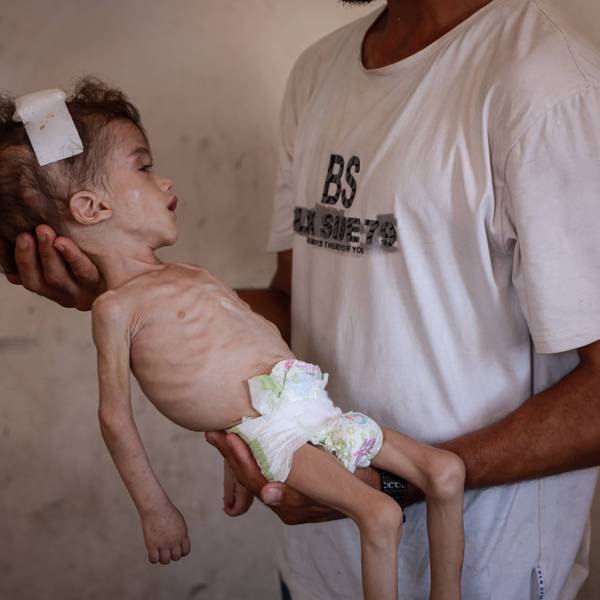
At least ten million of the poorest people face food insecurity in 2015 and 2016 due to extreme weather conditions and the onset of El Nino, Oxfam has reported.
In Oxfam's new report called Entering Uncharted Waters, erratic weather patterns were noted including high temperatures and droughts, disrupting farming seasons around the world.
At least ten million of the poorest people face food insecurity in 2015 and 2016 due to extreme weather conditions and the onset of El Niño, Oxfam has reported.
In Oxfam's new report called Entering Uncharted Waters, erratic weather patterns were noted including high temperatures and droughts, disrupting farming seasons around the world.
Countries are already facing a "major emergency," said Oxfam, including Ethiopia where 4.5 million people are in need of food assistance due to a drought this year.
Almost three million face hunger in Malawi as a result of erratic rains followed by drought. These conditions have caused a stifling in food production and a rise in food prices.
Christian Aid reported that the production of maize, Malawi's staple food, has dropped by 30 percent in 2014, while maize prices have risen between 50 and 100 percent.
Central American farmers have been coping with a drought for almost two years, also disrupting its maize production and decreasing access to sufficient food.
Oxfam warns that conditions will worsen due to the incoming El Nino, which could be the "most powerful" since 1997
El Nino is a weather phenomenon where there is periodic, but prolonged warming of the Pacific Ocean. This can last between 9 months to 2 years, producing below-average rains and high temperatures.
El Nino has already reduced the Asian monsoon over India, potentially triggering a prolonged drought and food insecurity in the Eastern region of the continent.
The warming of the oceans, exacerbated by climate change, may double the frequency of the most powerful El Ninos, Oxfam says.
The charity urged for preemptive action, pointing to the consequences of failure of response, such as the death of 260,000 during the food crisis in the Horn of Africa in 2011.
Christian Aid has also reported funding deficits in Malawi of over 130 million dollars, hindering support to the worst-affected communities.
"If governments and agencies take immediate action, as some are doing, then major humanitarian emergencies next year can be averted," Oxfam said in its report.
"Prevention is better than cure," they continued.
The Oxfam report comes a week after the adoption of the Sustainable Development Goals (SDGs), which includes commitments to eradicating hunger and addressing climate change.
They described the unfolding crisis as the "first test" for world leaders who will be meeting in December for the United Nations Climate Change Conference in Paris.
"This should serve as a wake-up call for them to agree a global deal to tackle climate change," said Oxfam Great Britain's Chief Executive Mark Goldring.
According to the National Oceanic and Atmospheric Administration (NOAA), 2014 was the hottest year on record. However, global data currently reveal that 2015 may surpass last year in record high temperatures.
Dear Common Dreams reader, It’s been nearly 30 years since I co-founded Common Dreams with my late wife, Lina Newhouser. We had the radical notion that journalism should serve the public good, not corporate profits. It was clear to us from the outset what it would take to build such a project. No paid advertisements. No corporate sponsors. No millionaire publisher telling us what to think or do. Many people said we wouldn't last a year, but we proved those doubters wrong. Together with a tremendous team of journalists and dedicated staff, we built an independent media outlet free from the constraints of profits and corporate control. Our mission has always been simple: To inform. To inspire. To ignite change for the common good. Building Common Dreams was not easy. Our survival was never guaranteed. When you take on the most powerful forces—Wall Street greed, fossil fuel industry destruction, Big Tech lobbyists, and uber-rich oligarchs who have spent billions upon billions rigging the economy and democracy in their favor—the only bulwark you have is supporters who believe in your work. But here’s the urgent message from me today. It's never been this bad out there. And it's never been this hard to keep us going. At the very moment Common Dreams is most needed, the threats we face are intensifying. We need your support now more than ever. We don't accept corporate advertising and never will. We don't have a paywall because we don't think people should be blocked from critical news based on their ability to pay. Everything we do is funded by the donations of readers like you. When everyone does the little they can afford, we are strong. But if that support retreats or dries up, so do we. Will you donate now to make sure Common Dreams not only survives but thrives? —Craig Brown, Co-founder |
At least ten million of the poorest people face food insecurity in 2015 and 2016 due to extreme weather conditions and the onset of El Niño, Oxfam has reported.
In Oxfam's new report called Entering Uncharted Waters, erratic weather patterns were noted including high temperatures and droughts, disrupting farming seasons around the world.
Countries are already facing a "major emergency," said Oxfam, including Ethiopia where 4.5 million people are in need of food assistance due to a drought this year.
Almost three million face hunger in Malawi as a result of erratic rains followed by drought. These conditions have caused a stifling in food production and a rise in food prices.
Christian Aid reported that the production of maize, Malawi's staple food, has dropped by 30 percent in 2014, while maize prices have risen between 50 and 100 percent.
Central American farmers have been coping with a drought for almost two years, also disrupting its maize production and decreasing access to sufficient food.
Oxfam warns that conditions will worsen due to the incoming El Nino, which could be the "most powerful" since 1997
El Nino is a weather phenomenon where there is periodic, but prolonged warming of the Pacific Ocean. This can last between 9 months to 2 years, producing below-average rains and high temperatures.
El Nino has already reduced the Asian monsoon over India, potentially triggering a prolonged drought and food insecurity in the Eastern region of the continent.
The warming of the oceans, exacerbated by climate change, may double the frequency of the most powerful El Ninos, Oxfam says.
The charity urged for preemptive action, pointing to the consequences of failure of response, such as the death of 260,000 during the food crisis in the Horn of Africa in 2011.
Christian Aid has also reported funding deficits in Malawi of over 130 million dollars, hindering support to the worst-affected communities.
"If governments and agencies take immediate action, as some are doing, then major humanitarian emergencies next year can be averted," Oxfam said in its report.
"Prevention is better than cure," they continued.
The Oxfam report comes a week after the adoption of the Sustainable Development Goals (SDGs), which includes commitments to eradicating hunger and addressing climate change.
They described the unfolding crisis as the "first test" for world leaders who will be meeting in December for the United Nations Climate Change Conference in Paris.
"This should serve as a wake-up call for them to agree a global deal to tackle climate change," said Oxfam Great Britain's Chief Executive Mark Goldring.
According to the National Oceanic and Atmospheric Administration (NOAA), 2014 was the hottest year on record. However, global data currently reveal that 2015 may surpass last year in record high temperatures.
At least ten million of the poorest people face food insecurity in 2015 and 2016 due to extreme weather conditions and the onset of El Niño, Oxfam has reported.
In Oxfam's new report called Entering Uncharted Waters, erratic weather patterns were noted including high temperatures and droughts, disrupting farming seasons around the world.
Countries are already facing a "major emergency," said Oxfam, including Ethiopia where 4.5 million people are in need of food assistance due to a drought this year.
Almost three million face hunger in Malawi as a result of erratic rains followed by drought. These conditions have caused a stifling in food production and a rise in food prices.
Christian Aid reported that the production of maize, Malawi's staple food, has dropped by 30 percent in 2014, while maize prices have risen between 50 and 100 percent.
Central American farmers have been coping with a drought for almost two years, also disrupting its maize production and decreasing access to sufficient food.
Oxfam warns that conditions will worsen due to the incoming El Nino, which could be the "most powerful" since 1997
El Nino is a weather phenomenon where there is periodic, but prolonged warming of the Pacific Ocean. This can last between 9 months to 2 years, producing below-average rains and high temperatures.
El Nino has already reduced the Asian monsoon over India, potentially triggering a prolonged drought and food insecurity in the Eastern region of the continent.
The warming of the oceans, exacerbated by climate change, may double the frequency of the most powerful El Ninos, Oxfam says.
The charity urged for preemptive action, pointing to the consequences of failure of response, such as the death of 260,000 during the food crisis in the Horn of Africa in 2011.
Christian Aid has also reported funding deficits in Malawi of over 130 million dollars, hindering support to the worst-affected communities.
"If governments and agencies take immediate action, as some are doing, then major humanitarian emergencies next year can be averted," Oxfam said in its report.
"Prevention is better than cure," they continued.
The Oxfam report comes a week after the adoption of the Sustainable Development Goals (SDGs), which includes commitments to eradicating hunger and addressing climate change.
They described the unfolding crisis as the "first test" for world leaders who will be meeting in December for the United Nations Climate Change Conference in Paris.
"This should serve as a wake-up call for them to agree a global deal to tackle climate change," said Oxfam Great Britain's Chief Executive Mark Goldring.
According to the National Oceanic and Atmospheric Administration (NOAA), 2014 was the hottest year on record. However, global data currently reveal that 2015 may surpass last year in record high temperatures.