SUBSCRIBE TO OUR FREE NEWSLETTER
Daily news & progressive opinion—funded by the people, not the corporations—delivered straight to your inbox.
5
#000000
#FFFFFF
To donate by check, phone, or other method, see our More Ways to Give page.
Last week the Kentucky legislature passed a bill to undermine national standards to reduce climate change pollution. The bill would prop up the profits of Kentucky's biggest polluters while saddling ordinary Kentuckians with higher electricity bills.
A coal-friendly bill may not be surprising in Kentucky, but this effort didn't originate in the Bluegrass State. The bill's language mirrors legislation being pushed in statehouses across the country by the American Legislative Exchange Council--a cabal of corporate giants and Tea Party supporters including the Koch brothers, Peabody Coal, ExxonMobil, and other fossil fuel companies.
ALEC is known for creating "model bills" designed to shrink public safeguards and protections. Often the bills are drafted by the very industry that would benefit from them the most. Now ALEC is trying to use state legislatures to block our country's most significant effort to clean up the air and stabilize the climate.
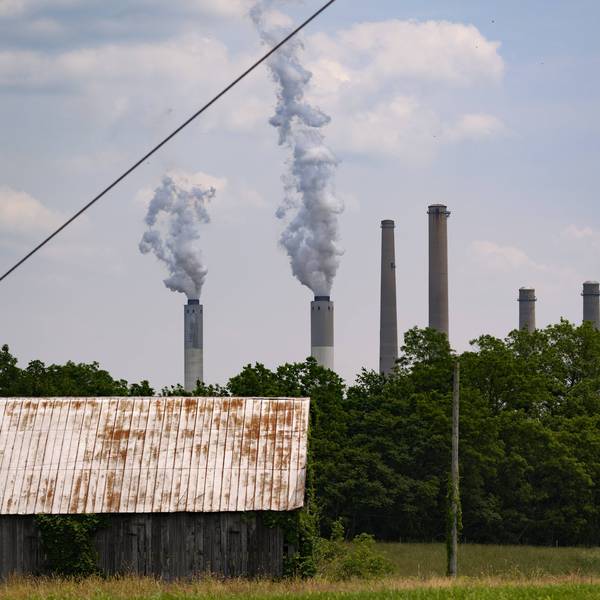
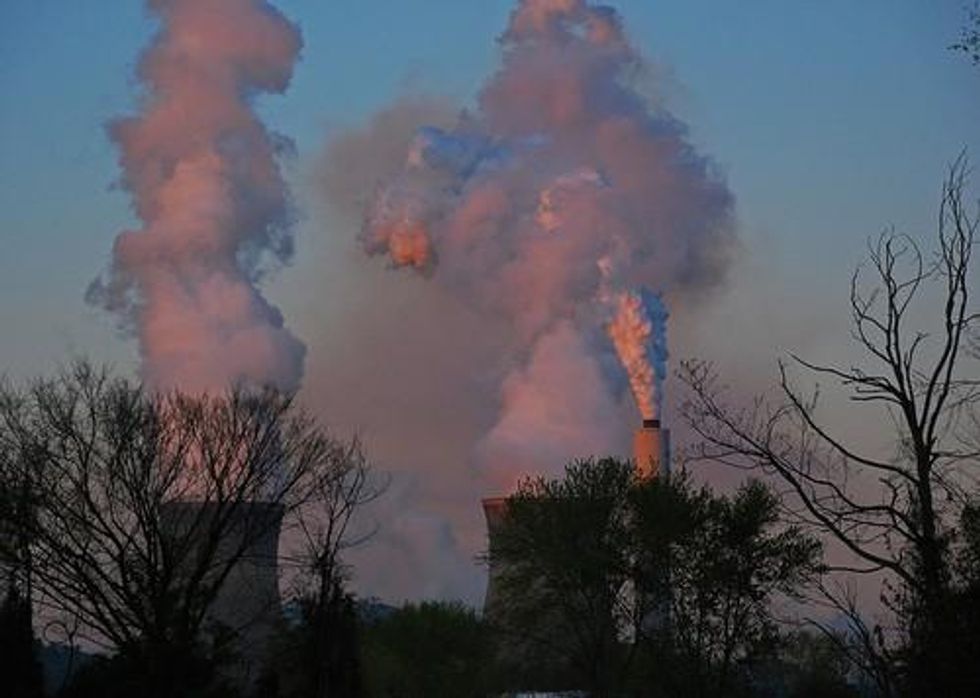
Power plants belch out 40 percent of all carbon pollution in the United States. That pollution drives climate change and threatens our health with asthma attacks and other respiratory problems. And yet there are no national limits on how much carbon these plants can dump into our atmosphere.
The Environmental Protection Agency is about to change that. In June it will propose carbon pollution limits for power plants. Strong limits could yield up to $60 billion in avoided climate change and medical costs in 2020, according to NRDC analysis. They would also create a net increase of 210,000 jobs in 2020 and reduce household electric bills. This is a win-win for our economy and our families.
Yet coal companies and other polluters are fighting carbon limits at every turn, and some have turned to ALEC's "model bill" factory to thwart them at the state level. ALEC's sample language has already spawned more than a dozen resolutions in state legislatures, all of them attacking the EPA's efforts to reduce carbon pollution and protect public health.
Legislation based on ALEC language has been introduced in seven states. These bills would be more legally binding than resolutions, and they would hamstring states' ability to meet their carbon reduction targets. The Kentucky bill, for instance, would favor dirty coal-fired plants by preventing the state from using the least expensive methods to reduce carbon pollution.
That bill sailed through the Kentucky legislature--even though Governor Beshear has already started a responsible effort to meet national clean air standards and protect Kentucky energy consumers--but ALEC isn't always so successful. Lawmakers in Virginia and Florida blocked the polluters' bills. Cooler heads prevailed in Kansas and even in coal-dominated West Virginia where legislatures stepped back from the brink and passed bills that allow state officials to write a carbon reduction plans that could meet the nation's clean air laws.
ALEC prefers to operate in the shadows, relying on backroom deals and private donor lists, but when their actions come to light, people mobilize. Last year, ALEC's attempts to repeal state clean energy standards failed in every state because residents value clean energy resources that make their air safer to breathe and creates jobs. Kansas and North Carolina, for instance, beat back ALEC-funded attacks, in part because wind farms have created more than 12,300 jobs in Kansas, and the clean energy economy has generated more than 11,500 jobs for North Carolina in the past two years alone.
People also see the value of holding polluters accountable for dangerous carbon emissions. More than two-thirds of voters in battleground states say the EPA should limit carbon pollution from power plants, according to a recent poll conducted for the NRDC Action Fund.
This groundswell of support is the most effective weapon against ALEC's stealth agenda. Ask your local representatives if there is an ALEC "model bill" in your state and call on them to put public health, clean energy, and a stable climate above the interests of a few polluting industries.
Last week the Kentucky legislature passed a bill to undermine national standards to reduce climate change pollution. The bill would prop up the profits of Kentucky's biggest polluters while saddling ordinary Kentuckians with higher electricity bills.
A coal-friendly bill may not be surprising in Kentucky, but this effort didn't originate in the Bluegrass State. The bill's language mirrors legislation being pushed in statehouses across the country by the American Legislative Exchange Council--a cabal of corporate giants and Tea Party supporters including the Koch brothers, Peabody Coal, ExxonMobil, and other fossil fuel companies.
ALEC is known for creating "model bills" designed to shrink public safeguards and protections. Often the bills are drafted by the very industry that would benefit from them the most. Now ALEC is trying to use state legislatures to block our country's most significant effort to clean up the air and stabilize the climate.
Power plants belch out 40 percent of all carbon pollution in the United States. That pollution drives climate change and threatens our health with asthma attacks and other respiratory problems. And yet there are no national limits on how much carbon these plants can dump into our atmosphere.
The Environmental Protection Agency is about to change that. In June it will propose carbon pollution limits for power plants. Strong limits could yield up to $60 billion in avoided climate change and medical costs in 2020, according to NRDC analysis. They would also create a net increase of 210,000 jobs in 2020 and reduce household electric bills. This is a win-win for our economy and our families.
Yet coal companies and other polluters are fighting carbon limits at every turn, and some have turned to ALEC's "model bill" factory to thwart them at the state level. ALEC's sample language has already spawned more than a dozen resolutions in state legislatures, all of them attacking the EPA's efforts to reduce carbon pollution and protect public health.
Legislation based on ALEC language has been introduced in seven states. These bills would be more legally binding than resolutions, and they would hamstring states' ability to meet their carbon reduction targets. The Kentucky bill, for instance, would favor dirty coal-fired plants by preventing the state from using the least expensive methods to reduce carbon pollution.
That bill sailed through the Kentucky legislature--even though Governor Beshear has already started a responsible effort to meet national clean air standards and protect Kentucky energy consumers--but ALEC isn't always so successful. Lawmakers in Virginia and Florida blocked the polluters' bills. Cooler heads prevailed in Kansas and even in coal-dominated West Virginia where legislatures stepped back from the brink and passed bills that allow state officials to write a carbon reduction plans that could meet the nation's clean air laws.
ALEC prefers to operate in the shadows, relying on backroom deals and private donor lists, but when their actions come to light, people mobilize. Last year, ALEC's attempts to repeal state clean energy standards failed in every state because residents value clean energy resources that make their air safer to breathe and creates jobs. Kansas and North Carolina, for instance, beat back ALEC-funded attacks, in part because wind farms have created more than 12,300 jobs in Kansas, and the clean energy economy has generated more than 11,500 jobs for North Carolina in the past two years alone.
People also see the value of holding polluters accountable for dangerous carbon emissions. More than two-thirds of voters in battleground states say the EPA should limit carbon pollution from power plants, according to a recent poll conducted for the NRDC Action Fund.
This groundswell of support is the most effective weapon against ALEC's stealth agenda. Ask your local representatives if there is an ALEC "model bill" in your state and call on them to put public health, clean energy, and a stable climate above the interests of a few polluting industries.
Last week the Kentucky legislature passed a bill to undermine national standards to reduce climate change pollution. The bill would prop up the profits of Kentucky's biggest polluters while saddling ordinary Kentuckians with higher electricity bills.
A coal-friendly bill may not be surprising in Kentucky, but this effort didn't originate in the Bluegrass State. The bill's language mirrors legislation being pushed in statehouses across the country by the American Legislative Exchange Council--a cabal of corporate giants and Tea Party supporters including the Koch brothers, Peabody Coal, ExxonMobil, and other fossil fuel companies.
ALEC is known for creating "model bills" designed to shrink public safeguards and protections. Often the bills are drafted by the very industry that would benefit from them the most. Now ALEC is trying to use state legislatures to block our country's most significant effort to clean up the air and stabilize the climate.
Power plants belch out 40 percent of all carbon pollution in the United States. That pollution drives climate change and threatens our health with asthma attacks and other respiratory problems. And yet there are no national limits on how much carbon these plants can dump into our atmosphere.
The Environmental Protection Agency is about to change that. In June it will propose carbon pollution limits for power plants. Strong limits could yield up to $60 billion in avoided climate change and medical costs in 2020, according to NRDC analysis. They would also create a net increase of 210,000 jobs in 2020 and reduce household electric bills. This is a win-win for our economy and our families.
Yet coal companies and other polluters are fighting carbon limits at every turn, and some have turned to ALEC's "model bill" factory to thwart them at the state level. ALEC's sample language has already spawned more than a dozen resolutions in state legislatures, all of them attacking the EPA's efforts to reduce carbon pollution and protect public health.
Legislation based on ALEC language has been introduced in seven states. These bills would be more legally binding than resolutions, and they would hamstring states' ability to meet their carbon reduction targets. The Kentucky bill, for instance, would favor dirty coal-fired plants by preventing the state from using the least expensive methods to reduce carbon pollution.
That bill sailed through the Kentucky legislature--even though Governor Beshear has already started a responsible effort to meet national clean air standards and protect Kentucky energy consumers--but ALEC isn't always so successful. Lawmakers in Virginia and Florida blocked the polluters' bills. Cooler heads prevailed in Kansas and even in coal-dominated West Virginia where legislatures stepped back from the brink and passed bills that allow state officials to write a carbon reduction plans that could meet the nation's clean air laws.
ALEC prefers to operate in the shadows, relying on backroom deals and private donor lists, but when their actions come to light, people mobilize. Last year, ALEC's attempts to repeal state clean energy standards failed in every state because residents value clean energy resources that make their air safer to breathe and creates jobs. Kansas and North Carolina, for instance, beat back ALEC-funded attacks, in part because wind farms have created more than 12,300 jobs in Kansas, and the clean energy economy has generated more than 11,500 jobs for North Carolina in the past two years alone.
People also see the value of holding polluters accountable for dangerous carbon emissions. More than two-thirds of voters in battleground states say the EPA should limit carbon pollution from power plants, according to a recent poll conducted for the NRDC Action Fund.
This groundswell of support is the most effective weapon against ALEC's stealth agenda. Ask your local representatives if there is an ALEC "model bill" in your state and call on them to put public health, clean energy, and a stable climate above the interests of a few polluting industries.