How Big Business Subverts Democracy
Defendants had a common plan to engage in acts ... that deceived the press and public ... These infringing and fraudulent acts are antithetical to public debate on important issues, because they prevent the public and the press from knowing the true position ... In short, such conduct is destructive of public discourse, and cannot be tolerated under the law. - Chamber of Commerce lawsuit against the Yes Men and "John and Jane Does 1 through 20", No
Defendants had a common plan to engage in acts ... that deceived the press and public ... These infringing and fraudulent acts are antithetical to public debate on important issues, because they prevent the public and the press from knowing the true position ... In short, such conduct is destructive of public discourse, and cannot be tolerated under the law. - Chamber of Commerce lawsuit against the Yes Men and "John and Jane Does 1 through 20", November 2009
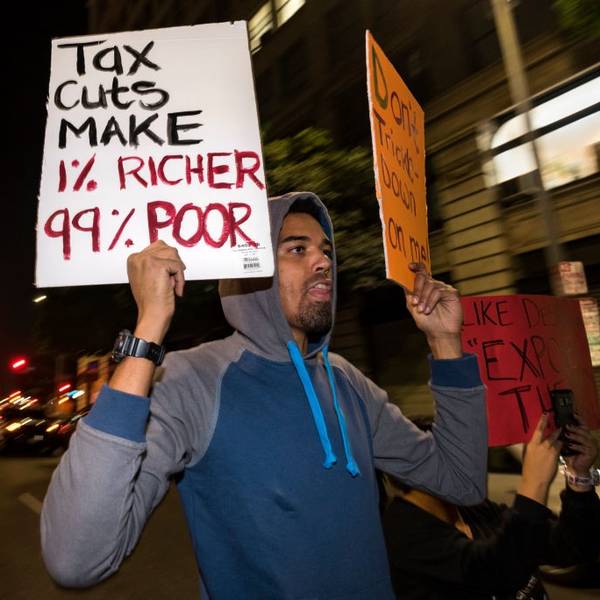
Just a couple of years ago, most people had no idea what the Chamber of Commerce did. Aren't they mom and pop's small-business lobby in Washington? Now, thanks in large part to the work of Chamber opponents, we've come to learn that the biggest business lobby in the world is also one of the biggest impediments to real democracy in the US, and that they're a huge force in opposing healthcare reform, employee free choice and other labour legislation, veterans' rights, banking regulations and, of course, transparency.
The US Chamber of Commerce is the public face of a corporatism that is hijacking our democracy - and so dramatically limits any chances of meaningful reform. Even local chambers, fed up, have been leaving the US Chamber en masse. But what might it take for the "Facebook generation" in the US to topple, Tunisia- or Egypt-style, this arrogant and destructive force in American politics?
Late last week, another, still-unfolding leak story revealed the anti-democratic activities of private security firms, apparently hoping to sell their services to the US Chamber of Commerce as a means to silence its critics. Despite reports on the Centre for American Progress blog suggesting that contacts took place between representatives of the Chamber of Commerce where such proposals were made, the Chamber has denied all knowledge of them and has described such reports as a "smear campaign".
In 2009, the Chamber sued members of the Yes Men, an activist group that satirises powerful corporate foes, for posing as Chamber reps and announcing, to a room of reporters, that the Chamber was doing an about-face on their dangerous opposition to climate-change legislation. The media had a good laugh at the Chamber's expense (thanks in large part to a real Chamber representative who barged into the press conference in a rage), but the Chamber found the whole thing distinctly unfunny, and promptly filed suit. (Incidentally, the same law firm involved in the "Chamberleaks" affair, Hunton and Williams, is retained by the Chamber as its attorney in this suit against the Yes Men.)
Nutty indeed. But last week's spectacular series of leaks, counter-leaks and counter-counter-leaks revealed (and continues revealing) a disdain for free speech that shocked even us. It turns out that a consortium of private "cyber-security" firms were developing a $2m proposal to use a variety of sophisticated disinformation techniques to destroy the reputations of Chamber opponents, including public-interest, consumer-advocate and worker-rights groups such as US Chamber Watch and Change to Win. (The same firm was reportedly also proposing, in a presentation for Bank of America, a plot to destroy WikiLeaks, and to "neutralise" constitutional scholar Glenn Greenwald of Salon.com.) Like the Chamber of Commerce, Bank of America has denied knowledge of these plans.
More specifically, the firm proposed to (according to a leaked document) "create a false document, perhaps highlighting periodical financial information, and monitor to see if US Chamber Watch acquires it". To help make this happen, they'd "create a fake insider persona and generate communications" with Change to Win, a labour group the firm theorised might be allied to Chamber Watch. Maybe they'd even "create two fake insider personas, using one as leverage to discredit the other while confirming the legitimacy of the second". But it didn't stop there: the security firms proposed passing off the faked documents they'd created as the fabrication of Change to Win.
We wish we could credit these jokesters with some originality - especially given the fees they were planning to charge - but there's actually nothing new here. These dirty tricks are straight out of the playbook of COINTELPRO, the FBI's notorious 1960s programme of psychological warfare that, among other things, planted false reports and forged letters to destroy reputations. Lately, COINTELPRO tactics have been making a comeback on the right, inspiring a whole new generation of "dirty tricks" operators, along with their patrons in the rightwing media and their sponsors in Congress. But it isn't just "gross and offensive" kids (Andrew Breitbart's words) who are taking up old rightwing techniques. It's actually a very big business.
According to a security expert quoted in a recent New York Times article, "the 'competitive intelligence' industry had 9,700 companies offering these services, with an annual market of more than $2bn." What that industry does is (in the own words of one firm) to "discredit, confuse, shame, combat, infiltrate, fracture" opponents, whether those opponents are rival businesses or, as in this case, groups standing up for democracy, free speech and government transparency.
Why now? Dirty tricks aren't new, so why have they only now hit the corporate mainstream? Why might firms that specialise in such tactics consider that the most cashed-up big-business lobby in the world, with a daily budget nearing $400,000, might be a potential customer? After all, it has the funds at its disposal to enable it just to buy much of the media, not to mention a good chunk of Congress.
What this affair highlights is the crass, anti-democratic and increasingly desperate quality of our current version of corporate influence on politics. With the department of justice showing no signs of investigating, perhaps the Facebook generation in the US can learn a thing or two from the brave citizens in the Middle East.
Maybe we, too, have just been waiting for the right leak.
An Urgent Message From Our Co-Founder
Dear Common Dreams reader, It’s been nearly 30 years since I co-founded Common Dreams with my late wife, Lina Newhouser. We had the radical notion that journalism should serve the public good, not corporate profits. It was clear to us from the outset what it would take to build such a project. No paid advertisements. No corporate sponsors. No millionaire publisher telling us what to think or do. Many people said we wouldn't last a year, but we proved those doubters wrong. Together with a tremendous team of journalists and dedicated staff, we built an independent media outlet free from the constraints of profits and corporate control. Our mission has always been simple: To inform. To inspire. To ignite change for the common good. Building Common Dreams was not easy. Our survival was never guaranteed. When you take on the most powerful forces—Wall Street greed, fossil fuel industry destruction, Big Tech lobbyists, and uber-rich oligarchs who have spent billions upon billions rigging the economy and democracy in their favor—the only bulwark you have is supporters who believe in your work. But here’s the urgent message from me today. It's never been this bad out there. And it's never been this hard to keep us going. At the very moment Common Dreams is most needed, the threats we face are intensifying. We need your support now more than ever. We don't accept corporate advertising and never will. We don't have a paywall because we don't think people should be blocked from critical news based on their ability to pay. Everything we do is funded by the donations of readers like you. When everyone does the little they can afford, we are strong. But if that support retreats or dries up, so do we. Will you donate now to make sure Common Dreams not only survives but thrives? —Craig Brown, Co-founder |
Defendants had a common plan to engage in acts ... that deceived the press and public ... These infringing and fraudulent acts are antithetical to public debate on important issues, because they prevent the public and the press from knowing the true position ... In short, such conduct is destructive of public discourse, and cannot be tolerated under the law. - Chamber of Commerce lawsuit against the Yes Men and "John and Jane Does 1 through 20", November 2009
Just a couple of years ago, most people had no idea what the Chamber of Commerce did. Aren't they mom and pop's small-business lobby in Washington? Now, thanks in large part to the work of Chamber opponents, we've come to learn that the biggest business lobby in the world is also one of the biggest impediments to real democracy in the US, and that they're a huge force in opposing healthcare reform, employee free choice and other labour legislation, veterans' rights, banking regulations and, of course, transparency.
The US Chamber of Commerce is the public face of a corporatism that is hijacking our democracy - and so dramatically limits any chances of meaningful reform. Even local chambers, fed up, have been leaving the US Chamber en masse. But what might it take for the "Facebook generation" in the US to topple, Tunisia- or Egypt-style, this arrogant and destructive force in American politics?
Late last week, another, still-unfolding leak story revealed the anti-democratic activities of private security firms, apparently hoping to sell their services to the US Chamber of Commerce as a means to silence its critics. Despite reports on the Centre for American Progress blog suggesting that contacts took place between representatives of the Chamber of Commerce where such proposals were made, the Chamber has denied all knowledge of them and has described such reports as a "smear campaign".
In 2009, the Chamber sued members of the Yes Men, an activist group that satirises powerful corporate foes, for posing as Chamber reps and announcing, to a room of reporters, that the Chamber was doing an about-face on their dangerous opposition to climate-change legislation. The media had a good laugh at the Chamber's expense (thanks in large part to a real Chamber representative who barged into the press conference in a rage), but the Chamber found the whole thing distinctly unfunny, and promptly filed suit. (Incidentally, the same law firm involved in the "Chamberleaks" affair, Hunton and Williams, is retained by the Chamber as its attorney in this suit against the Yes Men.)
Nutty indeed. But last week's spectacular series of leaks, counter-leaks and counter-counter-leaks revealed (and continues revealing) a disdain for free speech that shocked even us. It turns out that a consortium of private "cyber-security" firms were developing a $2m proposal to use a variety of sophisticated disinformation techniques to destroy the reputations of Chamber opponents, including public-interest, consumer-advocate and worker-rights groups such as US Chamber Watch and Change to Win. (The same firm was reportedly also proposing, in a presentation for Bank of America, a plot to destroy WikiLeaks, and to "neutralise" constitutional scholar Glenn Greenwald of Salon.com.) Like the Chamber of Commerce, Bank of America has denied knowledge of these plans.
More specifically, the firm proposed to (according to a leaked document) "create a false document, perhaps highlighting periodical financial information, and monitor to see if US Chamber Watch acquires it". To help make this happen, they'd "create a fake insider persona and generate communications" with Change to Win, a labour group the firm theorised might be allied to Chamber Watch. Maybe they'd even "create two fake insider personas, using one as leverage to discredit the other while confirming the legitimacy of the second". But it didn't stop there: the security firms proposed passing off the faked documents they'd created as the fabrication of Change to Win.
We wish we could credit these jokesters with some originality - especially given the fees they were planning to charge - but there's actually nothing new here. These dirty tricks are straight out of the playbook of COINTELPRO, the FBI's notorious 1960s programme of psychological warfare that, among other things, planted false reports and forged letters to destroy reputations. Lately, COINTELPRO tactics have been making a comeback on the right, inspiring a whole new generation of "dirty tricks" operators, along with their patrons in the rightwing media and their sponsors in Congress. But it isn't just "gross and offensive" kids (Andrew Breitbart's words) who are taking up old rightwing techniques. It's actually a very big business.
According to a security expert quoted in a recent New York Times article, "the 'competitive intelligence' industry had 9,700 companies offering these services, with an annual market of more than $2bn." What that industry does is (in the own words of one firm) to "discredit, confuse, shame, combat, infiltrate, fracture" opponents, whether those opponents are rival businesses or, as in this case, groups standing up for democracy, free speech and government transparency.
Why now? Dirty tricks aren't new, so why have they only now hit the corporate mainstream? Why might firms that specialise in such tactics consider that the most cashed-up big-business lobby in the world, with a daily budget nearing $400,000, might be a potential customer? After all, it has the funds at its disposal to enable it just to buy much of the media, not to mention a good chunk of Congress.
What this affair highlights is the crass, anti-democratic and increasingly desperate quality of our current version of corporate influence on politics. With the department of justice showing no signs of investigating, perhaps the Facebook generation in the US can learn a thing or two from the brave citizens in the Middle East.
Maybe we, too, have just been waiting for the right leak.
Defendants had a common plan to engage in acts ... that deceived the press and public ... These infringing and fraudulent acts are antithetical to public debate on important issues, because they prevent the public and the press from knowing the true position ... In short, such conduct is destructive of public discourse, and cannot be tolerated under the law. - Chamber of Commerce lawsuit against the Yes Men and "John and Jane Does 1 through 20", November 2009
Just a couple of years ago, most people had no idea what the Chamber of Commerce did. Aren't they mom and pop's small-business lobby in Washington? Now, thanks in large part to the work of Chamber opponents, we've come to learn that the biggest business lobby in the world is also one of the biggest impediments to real democracy in the US, and that they're a huge force in opposing healthcare reform, employee free choice and other labour legislation, veterans' rights, banking regulations and, of course, transparency.
The US Chamber of Commerce is the public face of a corporatism that is hijacking our democracy - and so dramatically limits any chances of meaningful reform. Even local chambers, fed up, have been leaving the US Chamber en masse. But what might it take for the "Facebook generation" in the US to topple, Tunisia- or Egypt-style, this arrogant and destructive force in American politics?
Late last week, another, still-unfolding leak story revealed the anti-democratic activities of private security firms, apparently hoping to sell their services to the US Chamber of Commerce as a means to silence its critics. Despite reports on the Centre for American Progress blog suggesting that contacts took place between representatives of the Chamber of Commerce where such proposals were made, the Chamber has denied all knowledge of them and has described such reports as a "smear campaign".
In 2009, the Chamber sued members of the Yes Men, an activist group that satirises powerful corporate foes, for posing as Chamber reps and announcing, to a room of reporters, that the Chamber was doing an about-face on their dangerous opposition to climate-change legislation. The media had a good laugh at the Chamber's expense (thanks in large part to a real Chamber representative who barged into the press conference in a rage), but the Chamber found the whole thing distinctly unfunny, and promptly filed suit. (Incidentally, the same law firm involved in the "Chamberleaks" affair, Hunton and Williams, is retained by the Chamber as its attorney in this suit against the Yes Men.)
Nutty indeed. But last week's spectacular series of leaks, counter-leaks and counter-counter-leaks revealed (and continues revealing) a disdain for free speech that shocked even us. It turns out that a consortium of private "cyber-security" firms were developing a $2m proposal to use a variety of sophisticated disinformation techniques to destroy the reputations of Chamber opponents, including public-interest, consumer-advocate and worker-rights groups such as US Chamber Watch and Change to Win. (The same firm was reportedly also proposing, in a presentation for Bank of America, a plot to destroy WikiLeaks, and to "neutralise" constitutional scholar Glenn Greenwald of Salon.com.) Like the Chamber of Commerce, Bank of America has denied knowledge of these plans.
More specifically, the firm proposed to (according to a leaked document) "create a false document, perhaps highlighting periodical financial information, and monitor to see if US Chamber Watch acquires it". To help make this happen, they'd "create a fake insider persona and generate communications" with Change to Win, a labour group the firm theorised might be allied to Chamber Watch. Maybe they'd even "create two fake insider personas, using one as leverage to discredit the other while confirming the legitimacy of the second". But it didn't stop there: the security firms proposed passing off the faked documents they'd created as the fabrication of Change to Win.
We wish we could credit these jokesters with some originality - especially given the fees they were planning to charge - but there's actually nothing new here. These dirty tricks are straight out of the playbook of COINTELPRO, the FBI's notorious 1960s programme of psychological warfare that, among other things, planted false reports and forged letters to destroy reputations. Lately, COINTELPRO tactics have been making a comeback on the right, inspiring a whole new generation of "dirty tricks" operators, along with their patrons in the rightwing media and their sponsors in Congress. But it isn't just "gross and offensive" kids (Andrew Breitbart's words) who are taking up old rightwing techniques. It's actually a very big business.
According to a security expert quoted in a recent New York Times article, "the 'competitive intelligence' industry had 9,700 companies offering these services, with an annual market of more than $2bn." What that industry does is (in the own words of one firm) to "discredit, confuse, shame, combat, infiltrate, fracture" opponents, whether those opponents are rival businesses or, as in this case, groups standing up for democracy, free speech and government transparency.
Why now? Dirty tricks aren't new, so why have they only now hit the corporate mainstream? Why might firms that specialise in such tactics consider that the most cashed-up big-business lobby in the world, with a daily budget nearing $400,000, might be a potential customer? After all, it has the funds at its disposal to enable it just to buy much of the media, not to mention a good chunk of Congress.
What this affair highlights is the crass, anti-democratic and increasingly desperate quality of our current version of corporate influence on politics. With the department of justice showing no signs of investigating, perhaps the Facebook generation in the US can learn a thing or two from the brave citizens in the Middle East.
Maybe we, too, have just been waiting for the right leak.