SUBSCRIBE TO OUR FREE NEWSLETTER
Daily news & progressive opinion—funded by the people, not the corporations—delivered straight to your inbox.
5
#000000
#FFFFFF
To donate by check, phone, or other method, see our More Ways to Give page.
Daily news & progressive opinion—funded by the people, not the corporations—delivered straight to your inbox.
This is a dangerous game.
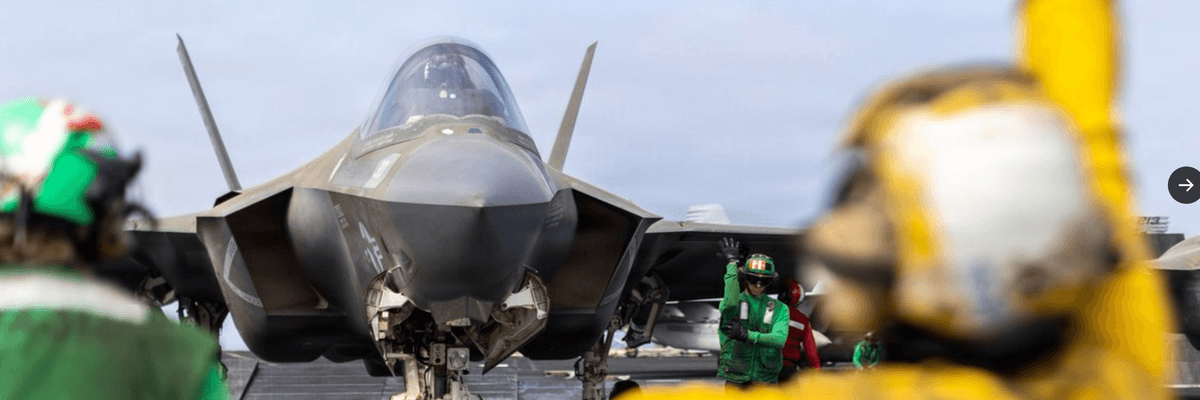
For the second time since the US-Iran Memorandum of Understanding (MOU) was signed, Washington and Tehran have slipped back into direct military confrontation. The United States struck “80 targets in Iran with precision munitions” after Iranian forces fired on several ships transiting the Strait of Hormuz without prior coordination with Tehran. The scale of the American strikes reportedly far exceeded the previous U.S.-Iran exchange, suggesting that Washington sought not merely to retaliate but to reestablish deterrence. The United States also reimposed sanctions on Iranian oil sales, reversing one of the central concessions of the MOU. The IRGC, in turn, claimed to have attacked 85 US military sites across the region, including the Fifth Fleet headquarters in Bahrain and Ali Al-Salem Air Base in Kuwait, and said eight were destroyed.
At the heart of the dispute are two competing interpretations of the MOU. Tehran's reading is that while the Strait of Hormuz is to remain open, all commercial traffic during the 60-day interim period must be coordinated with Iran as the parties negotiate a permanent maritime arrangement. Washington, by contrast, interprets an "open" Strait to mean that vessels may transit either the Iranian or Omani shipping lanes without coordinating with Iran.
For Tehran, this is not a technical disagreement but a strategic one. Iranian officials fear the United States is using the MOU to erode Iran's control over the Strait by rejecting any requirement for coordination and, in effect, establishing an alternative corridor that could remain open even if war resumes. Such an arrangement would deprive Iran of what many of its strategists regard as its single most important source of leverage in a future conflict: the credible ability to disrupt maritime traffic through Hormuz. From Tehran's perspective, commercial shipping can resume without surrendering that leverage—but only if all vessel movements continue to be coordinated with Iran, thereby reinforcing its nominal authority over the waterway.
Washington counters that the text of the MOU does not explicitly require ships to obtain Iranian authorization before transiting the Strait. Instead, it assigns Iran responsibility for ensuring the safe passage of commercial vessels, a distinction the United States argues falls short of granting Tehran operational control over all maritime traffic. Paragraph 5 of the MOU states:
Upon the signing of this MoU, the Islamic Republic of Iran will make arrangements using its best efforts for the safe passage of commercial vessels, with no charge for 60 days only, from the Persian Gulf to the Sea of Oman, and vice versa. The traffic of commercial vessels will immediately start, and considering the need for removing the technical and military obstacles, and de-mining by the Islamic Republic of Iran, will be instated within 30 days.
Following the previous round of fighting, the two sides explored a compromise under which commercial vessels would coordinate their transit with both Iran and a designated Gulf Cooperation Council state. Under such an arrangement, ships would notify Tehran while also reporting to a GCC maritime authority, balancing Iran's demand for oversight with Washington's desire to avoid granting Tehran exclusive control. The talks, however, appear never to have been finalized before they were suspended for the funeral of Ayatollah Ali Khamenei.
During that pause, several commercial vessels—with their AIS transponders switched off—attempted to transit the southern shipping corridor without notifying Tehran. Iran viewed these voyages as a direct challenge to its interpretation of the MOU and responded with force.
Both sides are clearly testing each other's red lines. If the dispute were solely about ensuring the safe passage of commercial shipping, vessels could simply transit through the Iranian shipping lane. Tehran has not prevented ships from using the northern corridor. Instead, the insistence on using the southern corridor without notifying Iran appears designed to challenge Tehran's claim that it exercises authority over the Strait—a claim the United States and most Gulf states have long rejected. Beyond questions of transit tolls or administrative fees, no country in the region is eager to legitimize Iranian control over one of the world's most strategically important waterways. The current confrontation is therefore less about navigation than about sovereignty and strategic leverage.
The compromise discussed before the talks were suspended offers a sensible way out. Requiring vessels to notify both Iran and a designated GCC maritime authority would defer the sovereignty dispute without prejudging its outcome, allowing commercial traffic to continue while negotiations over a permanent arrangement proceed. Sacrificing the entire MOU—and the far more consequential regional framework it could ultimately produce—over the question of who nominally manages the Strait for the next few weeks would be a costly and unnecessary mistake.
The question now is whether the dual-notification arrangement can still be revived after the exchange of fire over the past 12 hours, or whether this latest escalation has closed the diplomatic window altogether. The coming hours are likely to provide the answer.
One final observation: by responding with both military force and the reimposition of sanctions on Iranian oil exports, Washington appears intent on establishing escalation dominance—not merely deterring further Iranian action but demonstrating its willingness to raise the costs far more sharply than Tehran. The contrast with the first post-MOU confrontation in the Strait is striking. This time, the US response has been substantially more severe, suggesting that Washington is seeking to redefine the deterrence equation before negotiations can resume.
There is, however, a danger in Washington's decision to rescind the general license permitting the purchase of Iranian oil. The license was intended to serve as one of the MOU's principal incentives for Tehran to remain committed to the agreement. But an incentive is only as valuable as its credibility.
Even before this latest escalation, Iran had struggled to attract new buyers. Many governments and companies were reluctant to enter long-term arrangements because they feared negotiations would collapse and the license would expire without renewal. That uncertainty alone diminished the commercial value of the concession.
From Washington’s perspective, Iran’s alleged violation of the MOU is serious and warrants a response. But if the United States is seen as issuing and withdrawing the license too readily, potential buyers may conclude that access to Iranian oil is too politically volatile to justify the risk. That would weaken one of Washington’s most important sources of leverage. The less valuable the license becomes in the marketplace, the less valuable it becomes at the negotiating table—and the less the United States can demand in return for restoring it.
Dear Common Dreams reader, It’s been nearly 30 years since I co-founded Common Dreams with my late wife, Lina Newhouser. We had the radical notion that journalism should serve the public good, not corporate profits. It was clear to us from the outset what it would take to build such a project. No paid advertisements. No corporate sponsors. No millionaire publisher telling us what to think or do. Many people said we wouldn't last a year, but we proved those doubters wrong. Together with a tremendous team of journalists and dedicated staff, we built an independent media outlet free from the constraints of profits and corporate control. Our mission has always been simple: To inform. To inspire. To ignite change for the common good. Building Common Dreams was not easy. Our survival was never guaranteed. When you take on the most powerful forces—Wall Street greed, fossil fuel industry destruction, Big Tech lobbyists, and uber-rich oligarchs who have spent billions upon billions rigging the economy and democracy in their favor—the only bulwark you have is supporters who believe in your work. But here’s the urgent message from me today. It's never been this bad out there. And it's never been this hard to keep us going. At the very moment Common Dreams is most needed, the threats we face are intensifying. We need your support now more than ever. We don't accept corporate advertising and never will. We don't have a paywall because we don't think people should be blocked from critical news based on their ability to pay. Everything we do is funded by the donations of readers like you. When everyone does the little they can afford, we are strong. But if that support retreats or dries up, so do we. Will you donate now to make sure Common Dreams not only survives but thrives? —Craig Brown, Co-founder |
For the second time since the US-Iran Memorandum of Understanding (MOU) was signed, Washington and Tehran have slipped back into direct military confrontation. The United States struck “80 targets in Iran with precision munitions” after Iranian forces fired on several ships transiting the Strait of Hormuz without prior coordination with Tehran. The scale of the American strikes reportedly far exceeded the previous U.S.-Iran exchange, suggesting that Washington sought not merely to retaliate but to reestablish deterrence. The United States also reimposed sanctions on Iranian oil sales, reversing one of the central concessions of the MOU. The IRGC, in turn, claimed to have attacked 85 US military sites across the region, including the Fifth Fleet headquarters in Bahrain and Ali Al-Salem Air Base in Kuwait, and said eight were destroyed.
At the heart of the dispute are two competing interpretations of the MOU. Tehran's reading is that while the Strait of Hormuz is to remain open, all commercial traffic during the 60-day interim period must be coordinated with Iran as the parties negotiate a permanent maritime arrangement. Washington, by contrast, interprets an "open" Strait to mean that vessels may transit either the Iranian or Omani shipping lanes without coordinating with Iran.
For Tehran, this is not a technical disagreement but a strategic one. Iranian officials fear the United States is using the MOU to erode Iran's control over the Strait by rejecting any requirement for coordination and, in effect, establishing an alternative corridor that could remain open even if war resumes. Such an arrangement would deprive Iran of what many of its strategists regard as its single most important source of leverage in a future conflict: the credible ability to disrupt maritime traffic through Hormuz. From Tehran's perspective, commercial shipping can resume without surrendering that leverage—but only if all vessel movements continue to be coordinated with Iran, thereby reinforcing its nominal authority over the waterway.
Washington counters that the text of the MOU does not explicitly require ships to obtain Iranian authorization before transiting the Strait. Instead, it assigns Iran responsibility for ensuring the safe passage of commercial vessels, a distinction the United States argues falls short of granting Tehran operational control over all maritime traffic. Paragraph 5 of the MOU states:
Upon the signing of this MoU, the Islamic Republic of Iran will make arrangements using its best efforts for the safe passage of commercial vessels, with no charge for 60 days only, from the Persian Gulf to the Sea of Oman, and vice versa. The traffic of commercial vessels will immediately start, and considering the need for removing the technical and military obstacles, and de-mining by the Islamic Republic of Iran, will be instated within 30 days.
Following the previous round of fighting, the two sides explored a compromise under which commercial vessels would coordinate their transit with both Iran and a designated Gulf Cooperation Council state. Under such an arrangement, ships would notify Tehran while also reporting to a GCC maritime authority, balancing Iran's demand for oversight with Washington's desire to avoid granting Tehran exclusive control. The talks, however, appear never to have been finalized before they were suspended for the funeral of Ayatollah Ali Khamenei.
During that pause, several commercial vessels—with their AIS transponders switched off—attempted to transit the southern shipping corridor without notifying Tehran. Iran viewed these voyages as a direct challenge to its interpretation of the MOU and responded with force.
Both sides are clearly testing each other's red lines. If the dispute were solely about ensuring the safe passage of commercial shipping, vessels could simply transit through the Iranian shipping lane. Tehran has not prevented ships from using the northern corridor. Instead, the insistence on using the southern corridor without notifying Iran appears designed to challenge Tehran's claim that it exercises authority over the Strait—a claim the United States and most Gulf states have long rejected. Beyond questions of transit tolls or administrative fees, no country in the region is eager to legitimize Iranian control over one of the world's most strategically important waterways. The current confrontation is therefore less about navigation than about sovereignty and strategic leverage.
The compromise discussed before the talks were suspended offers a sensible way out. Requiring vessels to notify both Iran and a designated GCC maritime authority would defer the sovereignty dispute without prejudging its outcome, allowing commercial traffic to continue while negotiations over a permanent arrangement proceed. Sacrificing the entire MOU—and the far more consequential regional framework it could ultimately produce—over the question of who nominally manages the Strait for the next few weeks would be a costly and unnecessary mistake.
The question now is whether the dual-notification arrangement can still be revived after the exchange of fire over the past 12 hours, or whether this latest escalation has closed the diplomatic window altogether. The coming hours are likely to provide the answer.
One final observation: by responding with both military force and the reimposition of sanctions on Iranian oil exports, Washington appears intent on establishing escalation dominance—not merely deterring further Iranian action but demonstrating its willingness to raise the costs far more sharply than Tehran. The contrast with the first post-MOU confrontation in the Strait is striking. This time, the US response has been substantially more severe, suggesting that Washington is seeking to redefine the deterrence equation before negotiations can resume.
There is, however, a danger in Washington's decision to rescind the general license permitting the purchase of Iranian oil. The license was intended to serve as one of the MOU's principal incentives for Tehran to remain committed to the agreement. But an incentive is only as valuable as its credibility.
Even before this latest escalation, Iran had struggled to attract new buyers. Many governments and companies were reluctant to enter long-term arrangements because they feared negotiations would collapse and the license would expire without renewal. That uncertainty alone diminished the commercial value of the concession.
From Washington’s perspective, Iran’s alleged violation of the MOU is serious and warrants a response. But if the United States is seen as issuing and withdrawing the license too readily, potential buyers may conclude that access to Iranian oil is too politically volatile to justify the risk. That would weaken one of Washington’s most important sources of leverage. The less valuable the license becomes in the marketplace, the less valuable it becomes at the negotiating table—and the less the United States can demand in return for restoring it.
For the second time since the US-Iran Memorandum of Understanding (MOU) was signed, Washington and Tehran have slipped back into direct military confrontation. The United States struck “80 targets in Iran with precision munitions” after Iranian forces fired on several ships transiting the Strait of Hormuz without prior coordination with Tehran. The scale of the American strikes reportedly far exceeded the previous U.S.-Iran exchange, suggesting that Washington sought not merely to retaliate but to reestablish deterrence. The United States also reimposed sanctions on Iranian oil sales, reversing one of the central concessions of the MOU. The IRGC, in turn, claimed to have attacked 85 US military sites across the region, including the Fifth Fleet headquarters in Bahrain and Ali Al-Salem Air Base in Kuwait, and said eight were destroyed.
At the heart of the dispute are two competing interpretations of the MOU. Tehran's reading is that while the Strait of Hormuz is to remain open, all commercial traffic during the 60-day interim period must be coordinated with Iran as the parties negotiate a permanent maritime arrangement. Washington, by contrast, interprets an "open" Strait to mean that vessels may transit either the Iranian or Omani shipping lanes without coordinating with Iran.
For Tehran, this is not a technical disagreement but a strategic one. Iranian officials fear the United States is using the MOU to erode Iran's control over the Strait by rejecting any requirement for coordination and, in effect, establishing an alternative corridor that could remain open even if war resumes. Such an arrangement would deprive Iran of what many of its strategists regard as its single most important source of leverage in a future conflict: the credible ability to disrupt maritime traffic through Hormuz. From Tehran's perspective, commercial shipping can resume without surrendering that leverage—but only if all vessel movements continue to be coordinated with Iran, thereby reinforcing its nominal authority over the waterway.
Washington counters that the text of the MOU does not explicitly require ships to obtain Iranian authorization before transiting the Strait. Instead, it assigns Iran responsibility for ensuring the safe passage of commercial vessels, a distinction the United States argues falls short of granting Tehran operational control over all maritime traffic. Paragraph 5 of the MOU states:
Upon the signing of this MoU, the Islamic Republic of Iran will make arrangements using its best efforts for the safe passage of commercial vessels, with no charge for 60 days only, from the Persian Gulf to the Sea of Oman, and vice versa. The traffic of commercial vessels will immediately start, and considering the need for removing the technical and military obstacles, and de-mining by the Islamic Republic of Iran, will be instated within 30 days.
Following the previous round of fighting, the two sides explored a compromise under which commercial vessels would coordinate their transit with both Iran and a designated Gulf Cooperation Council state. Under such an arrangement, ships would notify Tehran while also reporting to a GCC maritime authority, balancing Iran's demand for oversight with Washington's desire to avoid granting Tehran exclusive control. The talks, however, appear never to have been finalized before they were suspended for the funeral of Ayatollah Ali Khamenei.
During that pause, several commercial vessels—with their AIS transponders switched off—attempted to transit the southern shipping corridor without notifying Tehran. Iran viewed these voyages as a direct challenge to its interpretation of the MOU and responded with force.
Both sides are clearly testing each other's red lines. If the dispute were solely about ensuring the safe passage of commercial shipping, vessels could simply transit through the Iranian shipping lane. Tehran has not prevented ships from using the northern corridor. Instead, the insistence on using the southern corridor without notifying Iran appears designed to challenge Tehran's claim that it exercises authority over the Strait—a claim the United States and most Gulf states have long rejected. Beyond questions of transit tolls or administrative fees, no country in the region is eager to legitimize Iranian control over one of the world's most strategically important waterways. The current confrontation is therefore less about navigation than about sovereignty and strategic leverage.
The compromise discussed before the talks were suspended offers a sensible way out. Requiring vessels to notify both Iran and a designated GCC maritime authority would defer the sovereignty dispute without prejudging its outcome, allowing commercial traffic to continue while negotiations over a permanent arrangement proceed. Sacrificing the entire MOU—and the far more consequential regional framework it could ultimately produce—over the question of who nominally manages the Strait for the next few weeks would be a costly and unnecessary mistake.
The question now is whether the dual-notification arrangement can still be revived after the exchange of fire over the past 12 hours, or whether this latest escalation has closed the diplomatic window altogether. The coming hours are likely to provide the answer.
One final observation: by responding with both military force and the reimposition of sanctions on Iranian oil exports, Washington appears intent on establishing escalation dominance—not merely deterring further Iranian action but demonstrating its willingness to raise the costs far more sharply than Tehran. The contrast with the first post-MOU confrontation in the Strait is striking. This time, the US response has been substantially more severe, suggesting that Washington is seeking to redefine the deterrence equation before negotiations can resume.
There is, however, a danger in Washington's decision to rescind the general license permitting the purchase of Iranian oil. The license was intended to serve as one of the MOU's principal incentives for Tehran to remain committed to the agreement. But an incentive is only as valuable as its credibility.
Even before this latest escalation, Iran had struggled to attract new buyers. Many governments and companies were reluctant to enter long-term arrangements because they feared negotiations would collapse and the license would expire without renewal. That uncertainty alone diminished the commercial value of the concession.
From Washington’s perspective, Iran’s alleged violation of the MOU is serious and warrants a response. But if the United States is seen as issuing and withdrawing the license too readily, potential buyers may conclude that access to Iranian oil is too politically volatile to justify the risk. That would weaken one of Washington’s most important sources of leverage. The less valuable the license becomes in the marketplace, the less valuable it becomes at the negotiating table—and the less the United States can demand in return for restoring it.