
Revellers waving Hungarian flags celebrate the resounding Tisza party win in Hungarian parliamentary elections on April 12, 2026 in Budapest, Hungary.
Taking Heart From Hungary to Protect US Elections
Amid Orbán’s takeover of elections, the media, and democratic institutions, the forces of democracy found a way to persevere through public organization and mass outrage. Here's how we can learn from this during the midterms.
This week, autocrat Viktor Orbán conceded defeat in Hungary’s general election. It was a landslide victory for Péter Magyar—and for democracy worldwide.
Over the course of 16 years, Orbán worked to dismantle and undermine democratic institutions. He took control of most news outlets. He rewrote election rules. He replaced judges with loyalists. His government faced numerous corruption scandals, including one surrounding a presidential pardon. He was also a fan favorite of the Trump administration. Our vice president campaigned for him.
What are the implications of his defeat for democracy in the United States? To be sure, midterm elections often rebuke the party in power, and it’s hard to predict whether this election augurs any November results. But just as Brexit presaged Trump in 2016, worldwide trends are at play. Amid Orbán’s takeover of elections, the media, and democratic institutions, the forces of democracy found a way to persevere through public organization and mass outrage.
In Hungary, one backstop against authoritarian rule has been the European Union. In the United States, perhaps it is the fact that states control elections, largely through a steadfast network of officials across the country who ensure elections are free and fair.
Between now and November, all of us can help make sure election officials know we have their backs.
Today, that network is under immense strain. This week, the Brennan Center released our sixth annual survey of local election officials. It confirmed an alarming pattern: They are worried about the safety and security of the elections they supervise. Half worry about political leaders interfering with how they do their job. Seventy-one percent are actively planning or preparing for potential disruptions. Eighty percent are calling for more funds and support to keep up with election security needs.
These are Republican and Democratic public servants, trying to do their jobs far from the partisan fracas in Washington.
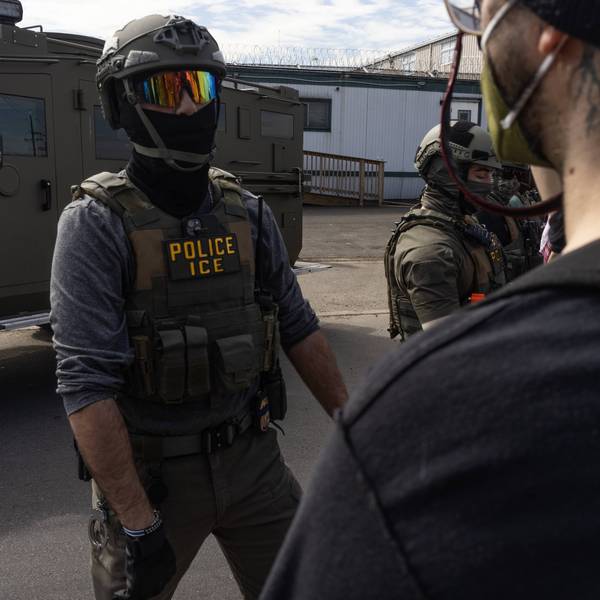
Between FBI raids seizing 2020 election ballots, efforts by the administration to meddle with voting equipment, and federal funding cuts to election security, election officials have many reasons to be alarmed. At the same time, organizations across the country have been working to give election officials the support they need to defend our elections in November.
After the Trump administration gutted the principal federal agency for training election officials and bolstering security, many organizations have jumped in to fill the gap in expertise. The Committee for Safe and Secure Elections, a coalition of current and former election officials and law enforcement, has been offering trainings and tabletop exercises to state and local leaders across the country so they can be prepared for high-stress, legally complex Election Day scenarios and establish lines of communication in case of potential interference.
The Brennan Center has also been working to keep officials informed. We are drafting handbooks for each state that outline relevant laws, suggest scenarios, and help election officials, their counsel, and others who support them to appropriately respond to federal interference
We have also organized a series of courses for hundreds of attorneys who represent election officials to inform them about their rights and responsibilities and to give guidance on how to respond to requests for election data and access to equipment.
There is much more to do. States must step in to fill funding gaps left by the federal government. In the survey, 75% of local election officials said their state or local government has not provided additional resources or funding to address federal cuts. The use of artificial intelligence in elections is also a growing concern that election officials should be informed about.
Between now and November, all of us can help make sure election officials know we have their backs. We can have free and fair, even uneventful, elections this year. We can ensure the perseverance of our democratic institutions. As in Hungary, it will take organization, preparedness, and collaboration.
We are at a crossroads
This country and this world are at a monumental crossroads. In a few short weeks, US voters will have an opportunity to beat back the forces of fascism and confront the billionaires who are rigging the economy, our media system, and our democracy, making it increasingly impossible for ordinary people to get by. We’re not just talking about the election. We’re talking about what must be done once these fascist elements are vanquished from power. We need a bolder set of solutions than what either major party has so far been willing to offer and a working-class movement ready to fight like hell for it. Trump didn't emerge from nowhere. The conditions that fueled MAGA authoritarianism were created by decades of radical neoliberal economic policies and a corrupt political system dominated by corporate interests. They slashed taxes on the super-rich, promising that the benefits would trickle down. They said giveaways to the corporate titans would make life more affordable for the rest of us. It was all bullshit. And when a bitter, betrayed populace searches for someone to blame, right-wing demagogues have little trouble finding scapegoats. People know when they're being lied to, but you won't hear any of this from the corporate media. Only independent journalism—powered and funded by people who believe in building a better world—can deliver truly trustworthy daily news. Our Fall Campaign is underway, and we need your help. To power our newsroom through the rest of the year, we need to raise $125,000 by midnight on October 31. So if you share our vision, please contribute whatever you can to sustain our work. |
This week, autocrat Viktor Orbán conceded defeat in Hungary’s general election. It was a landslide victory for Péter Magyar—and for democracy worldwide.
Over the course of 16 years, Orbán worked to dismantle and undermine democratic institutions. He took control of most news outlets. He rewrote election rules. He replaced judges with loyalists. His government faced numerous corruption scandals, including one surrounding a presidential pardon. He was also a fan favorite of the Trump administration. Our vice president campaigned for him.
What are the implications of his defeat for democracy in the United States? To be sure, midterm elections often rebuke the party in power, and it’s hard to predict whether this election augurs any November results. But just as Brexit presaged Trump in 2016, worldwide trends are at play. Amid Orbán’s takeover of elections, the media, and democratic institutions, the forces of democracy found a way to persevere through public organization and mass outrage.
In Hungary, one backstop against authoritarian rule has been the European Union. In the United States, perhaps it is the fact that states control elections, largely through a steadfast network of officials across the country who ensure elections are free and fair.
Between now and November, all of us can help make sure election officials know we have their backs.
Today, that network is under immense strain. This week, the Brennan Center released our sixth annual survey of local election officials. It confirmed an alarming pattern: They are worried about the safety and security of the elections they supervise. Half worry about political leaders interfering with how they do their job. Seventy-one percent are actively planning or preparing for potential disruptions. Eighty percent are calling for more funds and support to keep up with election security needs.
These are Republican and Democratic public servants, trying to do their jobs far from the partisan fracas in Washington.
Between FBI raids seizing 2020 election ballots, efforts by the administration to meddle with voting equipment, and federal funding cuts to election security, election officials have many reasons to be alarmed. At the same time, organizations across the country have been working to give election officials the support they need to defend our elections in November.
After the Trump administration gutted the principal federal agency for training election officials and bolstering security, many organizations have jumped in to fill the gap in expertise. The Committee for Safe and Secure Elections, a coalition of current and former election officials and law enforcement, has been offering trainings and tabletop exercises to state and local leaders across the country so they can be prepared for high-stress, legally complex Election Day scenarios and establish lines of communication in case of potential interference.
The Brennan Center has also been working to keep officials informed. We are drafting handbooks for each state that outline relevant laws, suggest scenarios, and help election officials, their counsel, and others who support them to appropriately respond to federal interference
We have also organized a series of courses for hundreds of attorneys who represent election officials to inform them about their rights and responsibilities and to give guidance on how to respond to requests for election data and access to equipment.
There is much more to do. States must step in to fill funding gaps left by the federal government. In the survey, 75% of local election officials said their state or local government has not provided additional resources or funding to address federal cuts. The use of artificial intelligence in elections is also a growing concern that election officials should be informed about.
Between now and November, all of us can help make sure election officials know we have their backs. We can have free and fair, even uneventful, elections this year. We can ensure the perseverance of our democratic institutions. As in Hungary, it will take organization, preparedness, and collaboration.
- Trump Is the Heritage Foundation’s Instrument to Bring Orbánism to the US ›
- Trump Is Dismantling US Democracy at a Speed 'Unprecedented in Modern History': Watchdog ›
- Reflections on the End of Democracy: The Orbán-Trump Connection ›
- I Was There When Orbán Came to Power in Hungary. Here Is My Warning to Americans About Trump ›
- 'Hungary Has Chosen Europe' as Voters End 16 Straight Years of Orbán's Far-Right Rule ›
This week, autocrat Viktor Orbán conceded defeat in Hungary’s general election. It was a landslide victory for Péter Magyar—and for democracy worldwide.
Over the course of 16 years, Orbán worked to dismantle and undermine democratic institutions. He took control of most news outlets. He rewrote election rules. He replaced judges with loyalists. His government faced numerous corruption scandals, including one surrounding a presidential pardon. He was also a fan favorite of the Trump administration. Our vice president campaigned for him.
What are the implications of his defeat for democracy in the United States? To be sure, midterm elections often rebuke the party in power, and it’s hard to predict whether this election augurs any November results. But just as Brexit presaged Trump in 2016, worldwide trends are at play. Amid Orbán’s takeover of elections, the media, and democratic institutions, the forces of democracy found a way to persevere through public organization and mass outrage.
In Hungary, one backstop against authoritarian rule has been the European Union. In the United States, perhaps it is the fact that states control elections, largely through a steadfast network of officials across the country who ensure elections are free and fair.
Between now and November, all of us can help make sure election officials know we have their backs.
Today, that network is under immense strain. This week, the Brennan Center released our sixth annual survey of local election officials. It confirmed an alarming pattern: They are worried about the safety and security of the elections they supervise. Half worry about political leaders interfering with how they do their job. Seventy-one percent are actively planning or preparing for potential disruptions. Eighty percent are calling for more funds and support to keep up with election security needs.
These are Republican and Democratic public servants, trying to do their jobs far from the partisan fracas in Washington.
Between FBI raids seizing 2020 election ballots, efforts by the administration to meddle with voting equipment, and federal funding cuts to election security, election officials have many reasons to be alarmed. At the same time, organizations across the country have been working to give election officials the support they need to defend our elections in November.
After the Trump administration gutted the principal federal agency for training election officials and bolstering security, many organizations have jumped in to fill the gap in expertise. The Committee for Safe and Secure Elections, a coalition of current and former election officials and law enforcement, has been offering trainings and tabletop exercises to state and local leaders across the country so they can be prepared for high-stress, legally complex Election Day scenarios and establish lines of communication in case of potential interference.
The Brennan Center has also been working to keep officials informed. We are drafting handbooks for each state that outline relevant laws, suggest scenarios, and help election officials, their counsel, and others who support them to appropriately respond to federal interference
We have also organized a series of courses for hundreds of attorneys who represent election officials to inform them about their rights and responsibilities and to give guidance on how to respond to requests for election data and access to equipment.
There is much more to do. States must step in to fill funding gaps left by the federal government. In the survey, 75% of local election officials said their state or local government has not provided additional resources or funding to address federal cuts. The use of artificial intelligence in elections is also a growing concern that election officials should be informed about.
Between now and November, all of us can help make sure election officials know we have their backs. We can have free and fair, even uneventful, elections this year. We can ensure the perseverance of our democratic institutions. As in Hungary, it will take organization, preparedness, and collaboration.
- Trump Is the Heritage Foundation’s Instrument to Bring Orbánism to the US ›
- Trump Is Dismantling US Democracy at a Speed 'Unprecedented in Modern History': Watchdog ›
- Reflections on the End of Democracy: The Orbán-Trump Connection ›
- I Was There When Orbán Came to Power in Hungary. Here Is My Warning to Americans About Trump ›
- 'Hungary Has Chosen Europe' as Voters End 16 Straight Years of Orbán's Far-Right Rule ›