SUBSCRIBE TO OUR FREE NEWSLETTER
Daily news & progressive opinion—funded by the people, not the corporations—delivered straight to your inbox.
5
#000000
#FFFFFF
To donate by check, phone, or other method, see our More Ways to Give page.
Daily news & progressive opinion—funded by the people, not the corporations—delivered straight to your inbox.
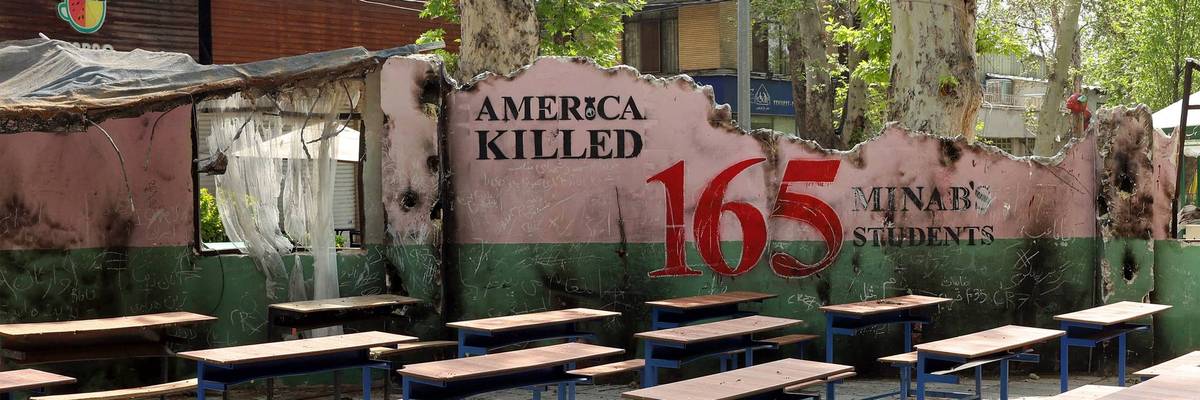
A memorial depicting a symbolic classroom representing the Minab school children is displayed in a square in Tehran on May 3, 2026. Iran on April 28 shared a breakdown of the death toll from the deadly strike on the school on the first day of the Middle East war. Seventy-three boys and 47 girls were killed in the February 28 strike in Minab, state broadcaster IRIB and local media reported.
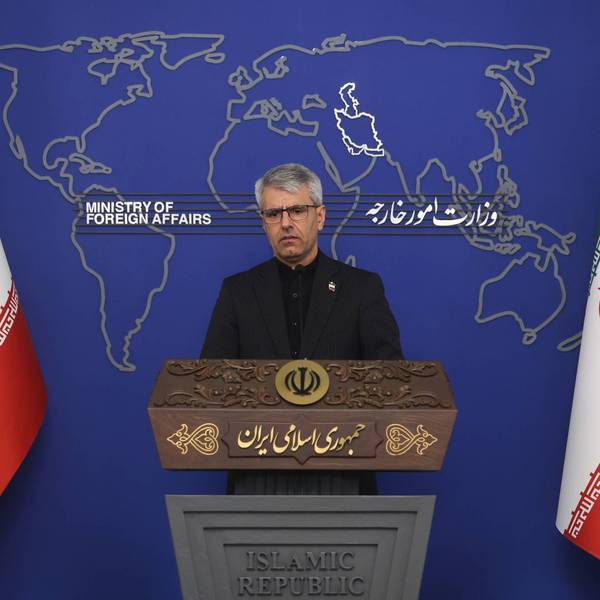
“We are currently concentrated on ending the war in the region, including in Lebanon,” said Foreign Ministry spokesperson Esmaeil Baghaei, who added that "no nuclear negotiations” are happening at this stage.
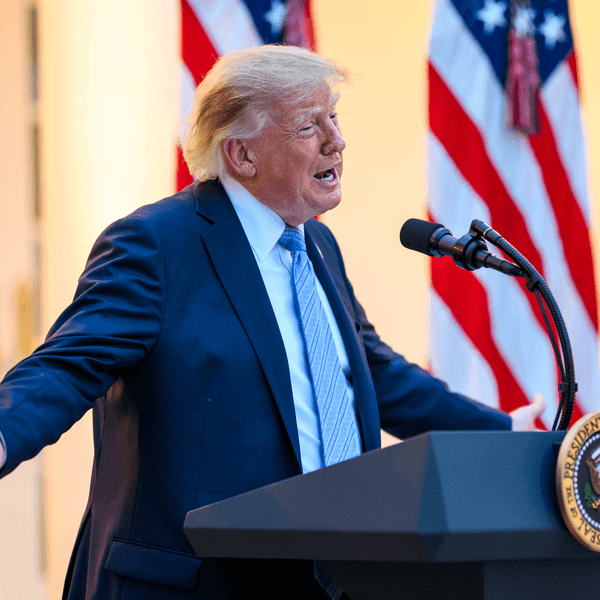
A spokesperson for Iran's Foreign Ministry on Sunday said the Iranian leadership is reviewing the response issued by the US government over the weekend following a 14-point plan offered by Tehran to bring the unpopular war started by President Donald Trump—now in its third month—to an end.
“The Americans have given their answer to Iran’s 14-point plan to the Pakistani side, and we are currently reviewing it,” Foreign Ministry spokesman Esmaeil Baghaei said in an interview with Iranian television.
Baghaei said that the offered framework is strictly focused on ending the immediate hostilities and that the plan contains "absolutely no details regarding the country’s nuclear issues," which he suggested could be discussed at a later time.
“We are not currently engaged in any negotiations over the nuclear issue, and decisions about the future will be made in due course,” he said, even though Trump and US Secretary of Defense Pete Hegseth have continued to claim the preventing the Iranians from having a nuclear weapons program—which Tehran denies having and US intelligence assessments have shown does not exist in the manner that US officials describe it—is central to their war aims.
“I will soon be reviewing the plan that Iran has just sent to us," Trump said in a social media post on Saturday, "but can’t imagine that it would be acceptable in that they have not yet paid a big enough price for what they have done to Humanity and the World, over the last 47 years."
Despite some reporting examining what's purportedly in the Iranian proposal, the exact details of the 14-point plan remain murky or contentious, depending on who you ask. Trita Parsi, executive vice president of the Quincy Institute for Responsible Statecraft, gave his assessment of the current situation on Sunday by saying:
Overall, the Iranians appear to be pursuing a grand bargain—without labeling it as such. This is not merely a proposal aimed at securing a ceasefire, or even a formal end to the current conflict, but rather an attempt to resolve the broader US-Iran antagonism that has persisted for the past 47 years. Implicit in this approach is an expectation that both sides would also restrain their respective regional partners and proxies (Israel, Hezbollah, etc.). In many respects, framing the proposal in this way may align more effectively with Trump’s instincts and psychology.
Meanwhile, a poll out Friday showed that 61% of Americans believe Trump's launching of the war was a mistake, and an even higher number (66%) disapprove of how he's handling the conflict. The same ABC News/Washington Post/Ipsos poll also showed that Trump is now facing the lowest approval ratings of his presidency.
Speaking with Al-Jazeera over the weekend, Parsi explained that Trump's maximalist demands, including the blockade that it has tried to impose on Iran near the Strait of Hormuz, have made negotiations much more difficult:
Trump had time on his side during the ceasefire - until he imposed the blockade per the recommendation of FDD, Israel, and Lindsey Graham. Though the blockade is hurting Iran, it has ended up hurting Trump more, with oil prices now exceeding where they were even during the war… pic.twitter.com/wNSbvjtwSz
— Trita Parsi (@tparsi) May 3, 2026
Over the weekend, archival footage from the 1990s shared online by journalist Séamus Malekafzali showed former Iranian Revolutionary Guard Corps commander Hossein Salami, who was killed by US-Israeli forces last year, talking to the IRGC's staff college about the country's strategy of "asymmetric warfare" if and when it ever faced an opponent that was perceived to have military superiority over it.
Fascinating footage released by the IRGC of a class at the org's staff college in the 90s, where future IRGC leader Hossein Salami teaches a course on asymmetric warfare, teaching officers how to drag out a war with the US by driving up economic costs and political turmoil. pic.twitter.com/et5ZVFIEMi
— Séamus Malekafzali (@Seamus_Malek) May 2, 2026
"The chance of conflict with American forces is very possible," Salami says in the video, according to the English subtitles provided, but the "possibility of victory really exists" if Iranians are able to move the conflict toward "the area of our capabilities into the area of America's weaknesses."
That strategy, as Malekafzali paraphrases it, is "to drag out a war with the US by driving up economic costs and political turmoil," thereby draining the US and sapping its power by inflicting economic pain and political pressure.
As many foreign policy observers have pointed out since Trump launched the war, the strategy of Iran to inflict pain on US allies in the region and economic pain at a global level—such as has been achieved by the closing of the Strait of Hormuz—is very much what Salami describes.
As geopolitical analyst Misbah Qasemi explained, Salami's point was basically this: "Don't match their strength (air power, technology). Attack their weaknesses (economic endurance, political will, domestic opinion). Drag them into your terrain—maritime, cyber, proxy networks—where their advantages neutralize themselves."
This point was made explicitly by Harrison Mann, a fellow with the advocacy group Win Without War, during a Sunday appearance on CNN, where he explained how this plays out in practical terms.
Told @brikeilarcnn: The "good news" is Iran won't become another quagmire because, unlike other countries the US has picked on in the region, Iran can actually inflict pain back on the US. In this case via economic warfare, which is not sustainable for Trump in the long run. pic.twitter.com/lwySB2BLca
— Harrison Mann (@Harrison_J_Mann) May 3, 2026
"Iran can actually inflict pain back on the US," said Mann. "In this case, via economic warfare, which is not sustainable for Trump in the long run."
Dear Common Dreams reader, It’s been nearly 30 years since I co-founded Common Dreams with my late wife, Lina Newhouser. We had the radical notion that journalism should serve the public good, not corporate profits. It was clear to us from the outset what it would take to build such a project. No paid advertisements. No corporate sponsors. No millionaire publisher telling us what to think or do. Many people said we wouldn't last a year, but we proved those doubters wrong. Together with a tremendous team of journalists and dedicated staff, we built an independent media outlet free from the constraints of profits and corporate control. Our mission has always been simple: To inform. To inspire. To ignite change for the common good. Building Common Dreams was not easy. Our survival was never guaranteed. When you take on the most powerful forces—Wall Street greed, fossil fuel industry destruction, Big Tech lobbyists, and uber-rich oligarchs who have spent billions upon billions rigging the economy and democracy in their favor—the only bulwark you have is supporters who believe in your work. But here’s the urgent message from me today. It's never been this bad out there. And it's never been this hard to keep us going. At the very moment Common Dreams is most needed, the threats we face are intensifying. We need your support now more than ever. We don't accept corporate advertising and never will. We don't have a paywall because we don't think people should be blocked from critical news based on their ability to pay. Everything we do is funded by the donations of readers like you. When everyone does the little they can afford, we are strong. But if that support retreats or dries up, so do we. Will you donate now to make sure Common Dreams not only survives but thrives? —Craig Brown, Co-founder |
A spokesperson for Iran's Foreign Ministry on Sunday said the Iranian leadership is reviewing the response issued by the US government over the weekend following a 14-point plan offered by Tehran to bring the unpopular war started by President Donald Trump—now in its third month—to an end.
“The Americans have given their answer to Iran’s 14-point plan to the Pakistani side, and we are currently reviewing it,” Foreign Ministry spokesman Esmaeil Baghaei said in an interview with Iranian television.
Baghaei said that the offered framework is strictly focused on ending the immediate hostilities and that the plan contains "absolutely no details regarding the country’s nuclear issues," which he suggested could be discussed at a later time.
“We are not currently engaged in any negotiations over the nuclear issue, and decisions about the future will be made in due course,” he said, even though Trump and US Secretary of Defense Pete Hegseth have continued to claim the preventing the Iranians from having a nuclear weapons program—which Tehran denies having and US intelligence assessments have shown does not exist in the manner that US officials describe it—is central to their war aims.
“I will soon be reviewing the plan that Iran has just sent to us," Trump said in a social media post on Saturday, "but can’t imagine that it would be acceptable in that they have not yet paid a big enough price for what they have done to Humanity and the World, over the last 47 years."
Despite some reporting examining what's purportedly in the Iranian proposal, the exact details of the 14-point plan remain murky or contentious, depending on who you ask. Trita Parsi, executive vice president of the Quincy Institute for Responsible Statecraft, gave his assessment of the current situation on Sunday by saying:
Overall, the Iranians appear to be pursuing a grand bargain—without labeling it as such. This is not merely a proposal aimed at securing a ceasefire, or even a formal end to the current conflict, but rather an attempt to resolve the broader US-Iran antagonism that has persisted for the past 47 years. Implicit in this approach is an expectation that both sides would also restrain their respective regional partners and proxies (Israel, Hezbollah, etc.). In many respects, framing the proposal in this way may align more effectively with Trump’s instincts and psychology.
Meanwhile, a poll out Friday showed that 61% of Americans believe Trump's launching of the war was a mistake, and an even higher number (66%) disapprove of how he's handling the conflict. The same ABC News/Washington Post/Ipsos poll also showed that Trump is now facing the lowest approval ratings of his presidency.
Speaking with Al-Jazeera over the weekend, Parsi explained that Trump's maximalist demands, including the blockade that it has tried to impose on Iran near the Strait of Hormuz, have made negotiations much more difficult:
Trump had time on his side during the ceasefire - until he imposed the blockade per the recommendation of FDD, Israel, and Lindsey Graham. Though the blockade is hurting Iran, it has ended up hurting Trump more, with oil prices now exceeding where they were even during the war… pic.twitter.com/wNSbvjtwSz
— Trita Parsi (@tparsi) May 3, 2026
Over the weekend, archival footage from the 1990s shared online by journalist Séamus Malekafzali showed former Iranian Revolutionary Guard Corps commander Hossein Salami, who was killed by US-Israeli forces last year, talking to the IRGC's staff college about the country's strategy of "asymmetric warfare" if and when it ever faced an opponent that was perceived to have military superiority over it.
Fascinating footage released by the IRGC of a class at the org's staff college in the 90s, where future IRGC leader Hossein Salami teaches a course on asymmetric warfare, teaching officers how to drag out a war with the US by driving up economic costs and political turmoil. pic.twitter.com/et5ZVFIEMi
— Séamus Malekafzali (@Seamus_Malek) May 2, 2026
"The chance of conflict with American forces is very possible," Salami says in the video, according to the English subtitles provided, but the "possibility of victory really exists" if Iranians are able to move the conflict toward "the area of our capabilities into the area of America's weaknesses."
That strategy, as Malekafzali paraphrases it, is "to drag out a war with the US by driving up economic costs and political turmoil," thereby draining the US and sapping its power by inflicting economic pain and political pressure.
As many foreign policy observers have pointed out since Trump launched the war, the strategy of Iran to inflict pain on US allies in the region and economic pain at a global level—such as has been achieved by the closing of the Strait of Hormuz—is very much what Salami describes.
As geopolitical analyst Misbah Qasemi explained, Salami's point was basically this: "Don't match their strength (air power, technology). Attack their weaknesses (economic endurance, political will, domestic opinion). Drag them into your terrain—maritime, cyber, proxy networks—where their advantages neutralize themselves."
This point was made explicitly by Harrison Mann, a fellow with the advocacy group Win Without War, during a Sunday appearance on CNN, where he explained how this plays out in practical terms.
Told @brikeilarcnn: The "good news" is Iran won't become another quagmire because, unlike other countries the US has picked on in the region, Iran can actually inflict pain back on the US. In this case via economic warfare, which is not sustainable for Trump in the long run. pic.twitter.com/lwySB2BLca
— Harrison Mann (@Harrison_J_Mann) May 3, 2026
"Iran can actually inflict pain back on the US," said Mann. "In this case, via economic warfare, which is not sustainable for Trump in the long run."
A spokesperson for Iran's Foreign Ministry on Sunday said the Iranian leadership is reviewing the response issued by the US government over the weekend following a 14-point plan offered by Tehran to bring the unpopular war started by President Donald Trump—now in its third month—to an end.
“The Americans have given their answer to Iran’s 14-point plan to the Pakistani side, and we are currently reviewing it,” Foreign Ministry spokesman Esmaeil Baghaei said in an interview with Iranian television.
Baghaei said that the offered framework is strictly focused on ending the immediate hostilities and that the plan contains "absolutely no details regarding the country’s nuclear issues," which he suggested could be discussed at a later time.
“We are not currently engaged in any negotiations over the nuclear issue, and decisions about the future will be made in due course,” he said, even though Trump and US Secretary of Defense Pete Hegseth have continued to claim the preventing the Iranians from having a nuclear weapons program—which Tehran denies having and US intelligence assessments have shown does not exist in the manner that US officials describe it—is central to their war aims.
“I will soon be reviewing the plan that Iran has just sent to us," Trump said in a social media post on Saturday, "but can’t imagine that it would be acceptable in that they have not yet paid a big enough price for what they have done to Humanity and the World, over the last 47 years."
Despite some reporting examining what's purportedly in the Iranian proposal, the exact details of the 14-point plan remain murky or contentious, depending on who you ask. Trita Parsi, executive vice president of the Quincy Institute for Responsible Statecraft, gave his assessment of the current situation on Sunday by saying:
Overall, the Iranians appear to be pursuing a grand bargain—without labeling it as such. This is not merely a proposal aimed at securing a ceasefire, or even a formal end to the current conflict, but rather an attempt to resolve the broader US-Iran antagonism that has persisted for the past 47 years. Implicit in this approach is an expectation that both sides would also restrain their respective regional partners and proxies (Israel, Hezbollah, etc.). In many respects, framing the proposal in this way may align more effectively with Trump’s instincts and psychology.
Meanwhile, a poll out Friday showed that 61% of Americans believe Trump's launching of the war was a mistake, and an even higher number (66%) disapprove of how he's handling the conflict. The same ABC News/Washington Post/Ipsos poll also showed that Trump is now facing the lowest approval ratings of his presidency.
Speaking with Al-Jazeera over the weekend, Parsi explained that Trump's maximalist demands, including the blockade that it has tried to impose on Iran near the Strait of Hormuz, have made negotiations much more difficult:
Trump had time on his side during the ceasefire - until he imposed the blockade per the recommendation of FDD, Israel, and Lindsey Graham. Though the blockade is hurting Iran, it has ended up hurting Trump more, with oil prices now exceeding where they were even during the war… pic.twitter.com/wNSbvjtwSz
— Trita Parsi (@tparsi) May 3, 2026
Over the weekend, archival footage from the 1990s shared online by journalist Séamus Malekafzali showed former Iranian Revolutionary Guard Corps commander Hossein Salami, who was killed by US-Israeli forces last year, talking to the IRGC's staff college about the country's strategy of "asymmetric warfare" if and when it ever faced an opponent that was perceived to have military superiority over it.
Fascinating footage released by the IRGC of a class at the org's staff college in the 90s, where future IRGC leader Hossein Salami teaches a course on asymmetric warfare, teaching officers how to drag out a war with the US by driving up economic costs and political turmoil. pic.twitter.com/et5ZVFIEMi
— Séamus Malekafzali (@Seamus_Malek) May 2, 2026
"The chance of conflict with American forces is very possible," Salami says in the video, according to the English subtitles provided, but the "possibility of victory really exists" if Iranians are able to move the conflict toward "the area of our capabilities into the area of America's weaknesses."
That strategy, as Malekafzali paraphrases it, is "to drag out a war with the US by driving up economic costs and political turmoil," thereby draining the US and sapping its power by inflicting economic pain and political pressure.
As many foreign policy observers have pointed out since Trump launched the war, the strategy of Iran to inflict pain on US allies in the region and economic pain at a global level—such as has been achieved by the closing of the Strait of Hormuz—is very much what Salami describes.
As geopolitical analyst Misbah Qasemi explained, Salami's point was basically this: "Don't match their strength (air power, technology). Attack their weaknesses (economic endurance, political will, domestic opinion). Drag them into your terrain—maritime, cyber, proxy networks—where their advantages neutralize themselves."
This point was made explicitly by Harrison Mann, a fellow with the advocacy group Win Without War, during a Sunday appearance on CNN, where he explained how this plays out in practical terms.
Told @brikeilarcnn: The "good news" is Iran won't become another quagmire because, unlike other countries the US has picked on in the region, Iran can actually inflict pain back on the US. In this case via economic warfare, which is not sustainable for Trump in the long run. pic.twitter.com/lwySB2BLca
— Harrison Mann (@Harrison_J_Mann) May 3, 2026
"Iran can actually inflict pain back on the US," said Mann. "In this case, via economic warfare, which is not sustainable for Trump in the long run."