SUBSCRIBE TO OUR FREE NEWSLETTER
Daily news & progressive opinion—funded by the people, not the corporations—delivered straight to your inbox.
5
#000000
#FFFFFF
To donate by check, phone, or other method, see our More Ways to Give page.
Daily news & progressive opinion—funded by the people, not the corporations—delivered straight to your inbox.
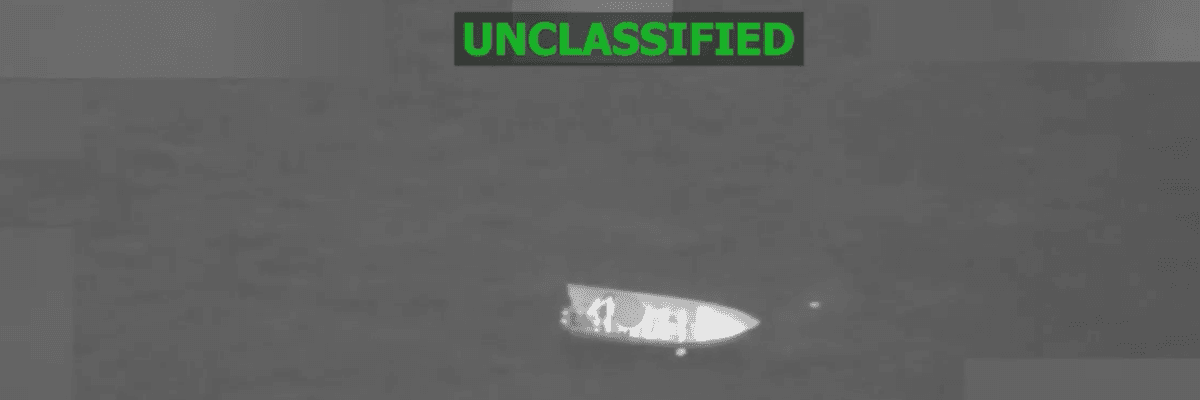
A screengrab of video footage posted by US Southern Command shows a boat in the eastern Pacific just moments before it was bombed by American forces on April 13, 2026.
The attack was announced hours after Trump threatened Iranian vessels near the Strait of Hormuz with "the same system of kill that we use against the drug dealers on boats at Sea."
The US military on Monday attacked a vessel in the eastern Pacific accused, without evidence, of engaging in "narco-trafficking operations." The strike killed at least two people and brought the known death toll from the Trump administration's lawless boat-bombing spree in international waters to more than 170.
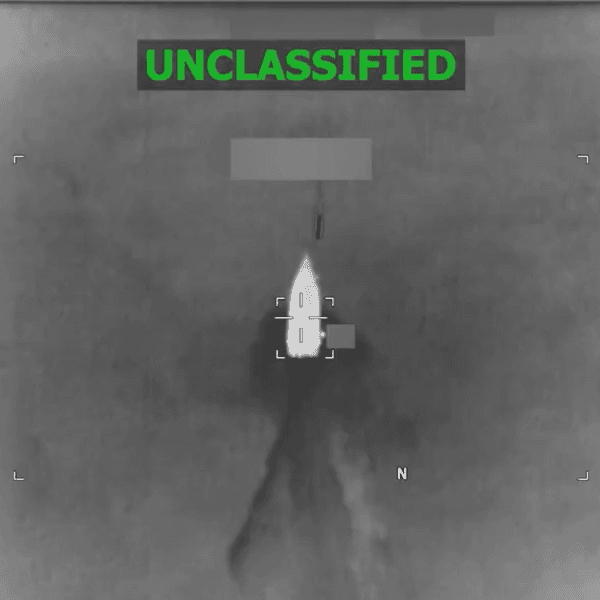
As has been its custom since the boat bombings began last September, US Southern Command posted an unclassified video clip of the attack on social media. SOUTHCOM described the bombing as "a lethal kinetic strike on a vessel operated by Designated Terrorist Organizations," but did not provide any evidence against the boat's operators.
Monday's deadly strike came days after the April 11 US bombings of two other boats in the eastern Pacific, attacks that killed at least five people. United Nations experts and human rights organizations have condemned the bombings in international waters as extrajudicial killings and murder—and argued those ordering and carrying out the attacks should be prosecuted for homicide.
"More murder," The Intercept's Nick Turse wrote in response to Monday's boat bombing.
Hours before SOUTHCOM announced the latest strike, Turse reported that the Trump administration is "waging a pressure campaign against the leading inter-American human rights watchdog to squash a potential investigation into illegal US attacks on boats in the Caribbean Sea and the Pacific Ocean."
Brian Finucane, a senior adviser to the US Program at the International Crisis Group, said Monday that it is "funny how the Trump administration is very happy to continue to post snuff films of these lawless killings but not defend the legal merits of these strikes."
Last month, the Inter-American Commission on Human Rights held a hearing during which experts testified to the illegality of the boat strikes.
“The administration’s desire to play imperial superpower in the region cannot be a reason to completely displace the foundations of international law," Angelo Guisado, senior staff attorney at the Center for Constitutional Rights, told the commission.
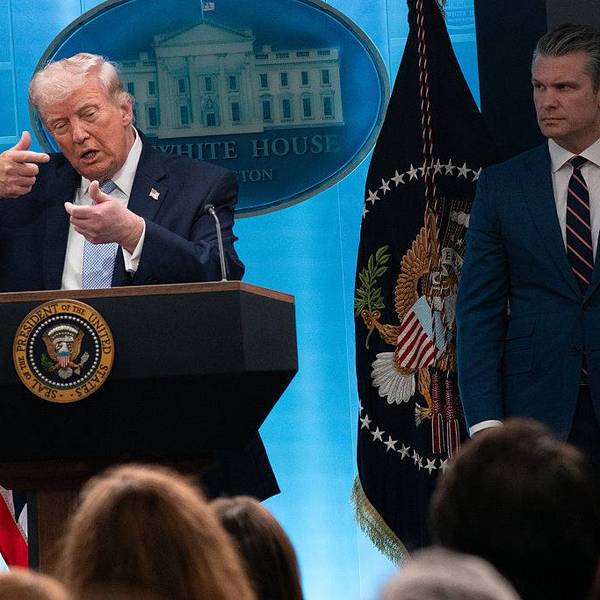
On Monday, US President Donald Trump threatened to expand his administration's illegal boat-bombing spree to Iranian vessels that "come anywhere close" to the US naval blockade of the Strait of Hormuz that the president ordered over the weekend.
Trump wrote on social media that Iranian vessels seen approaching the blockade "will be immediately ELIMINATED, using the same system of kill that we use against the drug dealers on boats at Sea."
"It is quick and brutal," the president added.
Dear Common Dreams reader, It’s been nearly 30 years since I co-founded Common Dreams with my late wife, Lina Newhouser. We had the radical notion that journalism should serve the public good, not corporate profits. It was clear to us from the outset what it would take to build such a project. No paid advertisements. No corporate sponsors. No millionaire publisher telling us what to think or do. Many people said we wouldn't last a year, but we proved those doubters wrong. Together with a tremendous team of journalists and dedicated staff, we built an independent media outlet free from the constraints of profits and corporate control. Our mission has always been simple: To inform. To inspire. To ignite change for the common good. Building Common Dreams was not easy. Our survival was never guaranteed. When you take on the most powerful forces—Wall Street greed, fossil fuel industry destruction, Big Tech lobbyists, and uber-rich oligarchs who have spent billions upon billions rigging the economy and democracy in their favor—the only bulwark you have is supporters who believe in your work. But here’s the urgent message from me today. It's never been this bad out there. And it's never been this hard to keep us going. At the very moment Common Dreams is most needed, the threats we face are intensifying. We need your support now more than ever. We don't accept corporate advertising and never will. We don't have a paywall because we don't think people should be blocked from critical news based on their ability to pay. Everything we do is funded by the donations of readers like you. When everyone does the little they can afford, we are strong. But if that support retreats or dries up, so do we. Will you donate now to make sure Common Dreams not only survives but thrives? —Craig Brown, Co-founder |
The US military on Monday attacked a vessel in the eastern Pacific accused, without evidence, of engaging in "narco-trafficking operations." The strike killed at least two people and brought the known death toll from the Trump administration's lawless boat-bombing spree in international waters to more than 170.
As has been its custom since the boat bombings began last September, US Southern Command posted an unclassified video clip of the attack on social media. SOUTHCOM described the bombing as "a lethal kinetic strike on a vessel operated by Designated Terrorist Organizations," but did not provide any evidence against the boat's operators.
Monday's deadly strike came days after the April 11 US bombings of two other boats in the eastern Pacific, attacks that killed at least five people. United Nations experts and human rights organizations have condemned the bombings in international waters as extrajudicial killings and murder—and argued those ordering and carrying out the attacks should be prosecuted for homicide.
"More murder," The Intercept's Nick Turse wrote in response to Monday's boat bombing.
Hours before SOUTHCOM announced the latest strike, Turse reported that the Trump administration is "waging a pressure campaign against the leading inter-American human rights watchdog to squash a potential investigation into illegal US attacks on boats in the Caribbean Sea and the Pacific Ocean."
Brian Finucane, a senior adviser to the US Program at the International Crisis Group, said Monday that it is "funny how the Trump administration is very happy to continue to post snuff films of these lawless killings but not defend the legal merits of these strikes."
Last month, the Inter-American Commission on Human Rights held a hearing during which experts testified to the illegality of the boat strikes.
“The administration’s desire to play imperial superpower in the region cannot be a reason to completely displace the foundations of international law," Angelo Guisado, senior staff attorney at the Center for Constitutional Rights, told the commission.
On Monday, US President Donald Trump threatened to expand his administration's illegal boat-bombing spree to Iranian vessels that "come anywhere close" to the US naval blockade of the Strait of Hormuz that the president ordered over the weekend.
Trump wrote on social media that Iranian vessels seen approaching the blockade "will be immediately ELIMINATED, using the same system of kill that we use against the drug dealers on boats at Sea."
"It is quick and brutal," the president added.
The US military on Monday attacked a vessel in the eastern Pacific accused, without evidence, of engaging in "narco-trafficking operations." The strike killed at least two people and brought the known death toll from the Trump administration's lawless boat-bombing spree in international waters to more than 170.
As has been its custom since the boat bombings began last September, US Southern Command posted an unclassified video clip of the attack on social media. SOUTHCOM described the bombing as "a lethal kinetic strike on a vessel operated by Designated Terrorist Organizations," but did not provide any evidence against the boat's operators.
Monday's deadly strike came days after the April 11 US bombings of two other boats in the eastern Pacific, attacks that killed at least five people. United Nations experts and human rights organizations have condemned the bombings in international waters as extrajudicial killings and murder—and argued those ordering and carrying out the attacks should be prosecuted for homicide.
"More murder," The Intercept's Nick Turse wrote in response to Monday's boat bombing.
Hours before SOUTHCOM announced the latest strike, Turse reported that the Trump administration is "waging a pressure campaign against the leading inter-American human rights watchdog to squash a potential investigation into illegal US attacks on boats in the Caribbean Sea and the Pacific Ocean."
Brian Finucane, a senior adviser to the US Program at the International Crisis Group, said Monday that it is "funny how the Trump administration is very happy to continue to post snuff films of these lawless killings but not defend the legal merits of these strikes."
Last month, the Inter-American Commission on Human Rights held a hearing during which experts testified to the illegality of the boat strikes.
“The administration’s desire to play imperial superpower in the region cannot be a reason to completely displace the foundations of international law," Angelo Guisado, senior staff attorney at the Center for Constitutional Rights, told the commission.
On Monday, US President Donald Trump threatened to expand his administration's illegal boat-bombing spree to Iranian vessels that "come anywhere close" to the US naval blockade of the Strait of Hormuz that the president ordered over the weekend.
Trump wrote on social media that Iranian vessels seen approaching the blockade "will be immediately ELIMINATED, using the same system of kill that we use against the drug dealers on boats at Sea."
"It is quick and brutal," the president added.