SUBSCRIBE TO OUR FREE NEWSLETTER
Daily news & progressive opinion—funded by the people, not the corporations—delivered straight to your inbox.
5
#000000
#FFFFFF
To donate by check, phone, or other method, see our More Ways to Give page.

As the Saudi-led war in Yemen enters its eighth year, international humanitarian groups on Thursday expressed concern about the state of crisis gripping Yemenis--reporting that civilian deaths are on the rise, millions are facing severe hunger and malnutrition, and three quarters of the population are in urgent need of humanitarian support.
"Without peace the cycle of misery will continue and deepen. Until then, adequate funding for humanitarian aid is critical."
--Ferran Puig, Oxfam
Oxfam International warned that another year of war would bring "unimaginable suffering to civilians," and "almost two-thirds of Yemenis will go hungry this year unless the warring parties lay down their arms or the international community steps in to fill a massive gap in the appeal budget."
According to the international organization, the Yemen humanitarian response plan is currently 70% underfunded and has left 17 million people facing acute food insecurity, with predictions the number will rise to 19 million by the end of 2022.
"After seven years of war, Yemenis are desperate for peace--instead they are facing yet more death and destruction. Violence and hunger are on the increase once more and millions of people cannot get the basics their families need," said Ferran Puig, Oxfam's country director in Yemen.
The war has caused severe economic shocks throughout Yemen, causing a fuel crisis that has at times seen a 543% price increase in oil, as well as drastic increases for essential items such as food, water, and medicine--making them unaffordable to many.
Related Content

Russia's invasion of Ukraine has also further exacerbated Yemen's food crisis, as the country imports 42 percent of its grain from Ukraine, and prices have already started to rise.
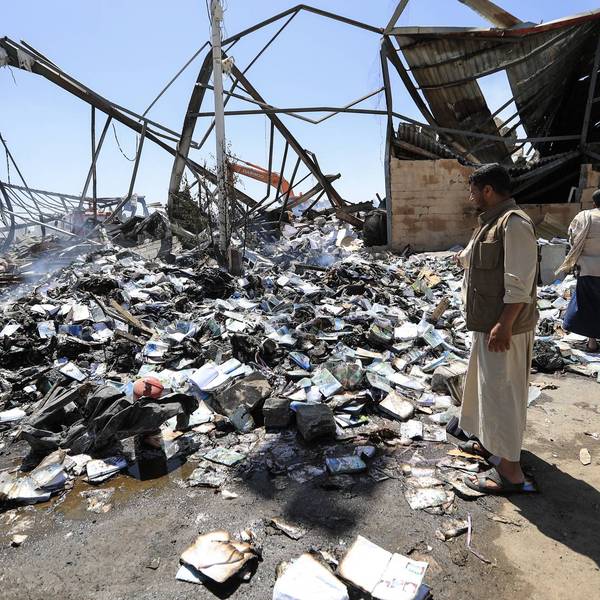
In addition to food, water, and healthcare shortages, Yemen's infrastructure has also been ravaged by the war.
"Violence has also severely damaged civilian infrastructure. Despite protection under international humanitarian law, over 25,000 schools have been damaged or destroyed and the number of out of school children has more than doubled since the start of the war--from 900,000 to over 2 million," said the International Rescue Commitee (IRC) in a statement. "The economic crisis means two-thirds of teachers have not been paid in over four years and 10,000 children have been killed or injured since the start of the war. Only 50% of hospitals in Yemen are fully functional, with ever increasing health issues prevalent in the general population."
The humanitarian groups say that civilian deaths and injuries have doubled since the United Nations did not renew the Group of Eminent Experts (GEE) in October of last year, a monitoring program that was documenting human rights abuses in Yemen.
"We're now entering the eighth year in which more civilians will be killed with impunity, unless a monitoring mechanism is put in place," Jan Egeland, secretary general of the Norwegian Refugee Council, said in a statement Wednesday.
According to the IRC, over 19,000 civilians have been killed or injured from airstrikes alone since the beginning of the conflict in 2015. January of this year saw the most casualties in one month since the war began--with 139 civilian fatalities and 187 civilians injured. Over 300,000 have died as a result of the more than seven years of fighting, and over four million people have been forced to flee from violence over the same time period.
Human rights groups and some Democratic U.S. lawmakers have been calling on the U.S. government to end the multiple sales of million dollar arms contracts to the Saudi regime and end its culpability in the humanitarian crisis in Yemen.
In February Reps. Pramila Jayapal (D-Wash.)--who heads the Congressional Progressive Caucus--and Peter DeFazio (D-Ore.) said that if President Joe Biden refused to halt support for the "unconstitutional U.S. participation" in the Saudi-led war against Yemen, they will work to pass a new war powers resolution.
"Our aim is clear: to reassert Congress's constitutional war powers authority, terminate unauthorized U.S. involvement in this endless war, reinvigorate diplomatic efforts, and ease this devastating humanitarian disaster," the lawmakers said. "American complicity has persisted in this conflict for too long--now it's time for Congress to act."
Many have been quick to highlight the lack of international outcry over the Yemen crisis compared to the current war and refugee crisis in Ukraine. Assal Rad of NIAC Action said of Yemeni civilians, "I am begging you to care about them too."
Oxfam International and IRC are calling on world leaders to increase their humanitarian pledges for the war-torn country.
"Yemen desperately needs a lasting peace so people can rebuild their lives and livelihoods," said Puig. "Without peace the cycle of misery will continue and deepen. Until then, adequate funding for humanitarian aid is critical."
As the Saudi-led war in Yemen enters its eighth year, international humanitarian groups on Thursday expressed concern about the state of crisis gripping Yemenis--reporting that civilian deaths are on the rise, millions are facing severe hunger and malnutrition, and three quarters of the population are in urgent need of humanitarian support.
"Without peace the cycle of misery will continue and deepen. Until then, adequate funding for humanitarian aid is critical."
--Ferran Puig, Oxfam
Oxfam International warned that another year of war would bring "unimaginable suffering to civilians," and "almost two-thirds of Yemenis will go hungry this year unless the warring parties lay down their arms or the international community steps in to fill a massive gap in the appeal budget."
According to the international organization, the Yemen humanitarian response plan is currently 70% underfunded and has left 17 million people facing acute food insecurity, with predictions the number will rise to 19 million by the end of 2022.
"After seven years of war, Yemenis are desperate for peace--instead they are facing yet more death and destruction. Violence and hunger are on the increase once more and millions of people cannot get the basics their families need," said Ferran Puig, Oxfam's country director in Yemen.
The war has caused severe economic shocks throughout Yemen, causing a fuel crisis that has at times seen a 543% price increase in oil, as well as drastic increases for essential items such as food, water, and medicine--making them unaffordable to many.
Related Content
Russia's invasion of Ukraine has also further exacerbated Yemen's food crisis, as the country imports 42 percent of its grain from Ukraine, and prices have already started to rise.
In addition to food, water, and healthcare shortages, Yemen's infrastructure has also been ravaged by the war.
"Violence has also severely damaged civilian infrastructure. Despite protection under international humanitarian law, over 25,000 schools have been damaged or destroyed and the number of out of school children has more than doubled since the start of the war--from 900,000 to over 2 million," said the International Rescue Commitee (IRC) in a statement. "The economic crisis means two-thirds of teachers have not been paid in over four years and 10,000 children have been killed or injured since the start of the war. Only 50% of hospitals in Yemen are fully functional, with ever increasing health issues prevalent in the general population."
The humanitarian groups say that civilian deaths and injuries have doubled since the United Nations did not renew the Group of Eminent Experts (GEE) in October of last year, a monitoring program that was documenting human rights abuses in Yemen.
"We're now entering the eighth year in which more civilians will be killed with impunity, unless a monitoring mechanism is put in place," Jan Egeland, secretary general of the Norwegian Refugee Council, said in a statement Wednesday.
According to the IRC, over 19,000 civilians have been killed or injured from airstrikes alone since the beginning of the conflict in 2015. January of this year saw the most casualties in one month since the war began--with 139 civilian fatalities and 187 civilians injured. Over 300,000 have died as a result of the more than seven years of fighting, and over four million people have been forced to flee from violence over the same time period.
Human rights groups and some Democratic U.S. lawmakers have been calling on the U.S. government to end the multiple sales of million dollar arms contracts to the Saudi regime and end its culpability in the humanitarian crisis in Yemen.
In February Reps. Pramila Jayapal (D-Wash.)--who heads the Congressional Progressive Caucus--and Peter DeFazio (D-Ore.) said that if President Joe Biden refused to halt support for the "unconstitutional U.S. participation" in the Saudi-led war against Yemen, they will work to pass a new war powers resolution.
"Our aim is clear: to reassert Congress's constitutional war powers authority, terminate unauthorized U.S. involvement in this endless war, reinvigorate diplomatic efforts, and ease this devastating humanitarian disaster," the lawmakers said. "American complicity has persisted in this conflict for too long--now it's time for Congress to act."
Many have been quick to highlight the lack of international outcry over the Yemen crisis compared to the current war and refugee crisis in Ukraine. Assal Rad of NIAC Action said of Yemeni civilians, "I am begging you to care about them too."
Oxfam International and IRC are calling on world leaders to increase their humanitarian pledges for the war-torn country.
"Yemen desperately needs a lasting peace so people can rebuild their lives and livelihoods," said Puig. "Without peace the cycle of misery will continue and deepen. Until then, adequate funding for humanitarian aid is critical."