SUBSCRIBE TO OUR FREE NEWSLETTER
Daily news & progressive opinion—funded by the people, not the corporations—delivered straight to your inbox.
5
#000000
#FFFFFF
To donate by check, phone, or other method, see our More Ways to Give page.
Daily news & progressive opinion—funded by the people, not the corporations—delivered straight to your inbox.
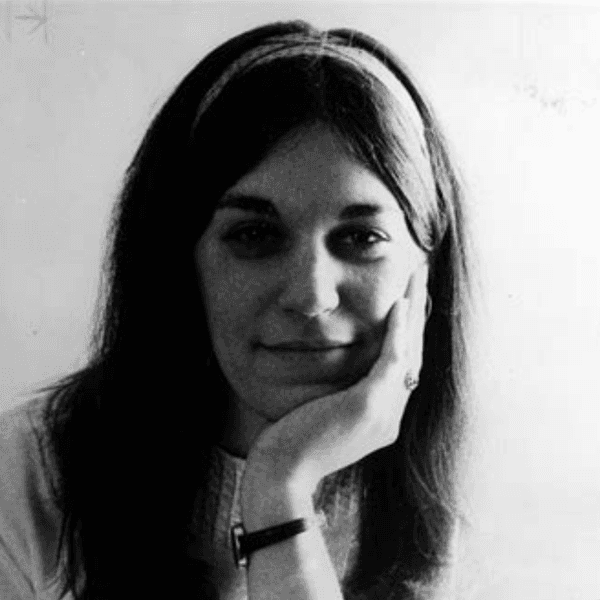
A brave woman was taken from us a year ago.
Berta Caceres was shot and killed in the middle of the night by assassins for opposing an illegitimate hydroelectric project which threatened her people's way of life and violated international human rights law.
A brave woman was taken from us a year ago.
Berta Caceres was shot and killed in the middle of the night by assassins for opposing an illegitimate hydroelectric project which threatened her people's way of life and violated international human rights law.
Her family, her fellow Indigenous rights activists at COPINH, and the international community is still watching and waiting for justice to be done.
Berta's murder drew international attention and condemnation. Facing mounting criticism and outrage, Honduran authorities were left with no choice but to act. In the last 12 months, they've made several arrests, including of the alleged gunmen, and other individuals linked to DESA, the construction company behind the Agua Zarca project.
But her family and her colleagues know that the trail does not end there.
We at Oxfam continue to stand by them and demand that those behind her murder be found and brought to justice.
The international human rights watchdog, Global Witness, recently published an investigation into Berta's murder, where they revealed deep links between DESA, the Honduran military, and others.
Berta and her allies were taking on powerful, rich, and well-connected interests by opposing the Agua Zarca project.
This kind of activism is dangerous and, as we saw with Berta, can be fatal. Just in Honduras, at least 109 land defenders were killed between 2010 and 2015. For women, the risks skyrocket. Patriarchal cultural norms still rule over large swaths of Latin America, and women who defy them are ostracized and face very real threats of violence.
The rate of violence against women and girls in Honduras is intolerably high. A report published by the country's major newspapers, La Prensa showed that in the last decade, over 4,500 women have been killed, and over 85 percent of these crimes went unpunished: in 2014, the prominent activist Margarita Murillo was shot and killed. Her murder remains unsolved.
I visited Berta's family in La Esperanza last year, and was left humbled and amazed by their courage. Berta was never deterred by the death threats she received. Likewise, her family refuses to live in fear and carries on her work to improve their country and the world.
They've seen first-hand how extractive industries, big agribusinesses, and tourism companies are richly rewarded for their destructive policies; how money corrupts politicians and institutions, and how all this leads to rampant economic inequality and gross human rights abuses.
Inequality is inextricably linked with distribution of land and natural resources. Latin America and the Caribbean is the most unequal region in the world; it's no surprise that just one percent of "super farms" here have as much farmland as the other 99 percent.
It's good news, then, that the plights and rights of Indigenous People, Afro-descendants and other communities are in the general public's consciousness now more than ever.
Pope Francis, a powerful ally in our fight against inequality and poverty, recently met in Rome with Indigenous leaders from around the world, and in no uncertain terms said that communities have a right to decide what gets built and what doesn't on their lands. Governments should take heed.
In the United States, the Dakota Access Pipeline brought together thousands of activists who braved the freezing cold and stood in solidarity with Native American tribes opposing the project.
Finally, hundreds of civil society groups, academics, and other international organizations, including Oxfam, have joined the Land Rights Now campaign to push governments to legally protect these rights.
With enough pressure, things can change; the Agua Zarca project is currently suspended after Oxfam and others lobbied the financiers to back off the project.
Berta was murdered the day before her 45th birthday. She spent a great part of her life defending the rights of her people.
Her cause is our cause.
A year later, we honor her, and again demand justice for her, her family, and her people.
Dear Common Dreams reader, It’s been nearly 30 years since I co-founded Common Dreams with my late wife, Lina Newhouser. We had the radical notion that journalism should serve the public good, not corporate profits. It was clear to us from the outset what it would take to build such a project. No paid advertisements. No corporate sponsors. No millionaire publisher telling us what to think or do. Many people said we wouldn't last a year, but we proved those doubters wrong. Together with a tremendous team of journalists and dedicated staff, we built an independent media outlet free from the constraints of profits and corporate control. Our mission has always been simple: To inform. To inspire. To ignite change for the common good. Building Common Dreams was not easy. Our survival was never guaranteed. When you take on the most powerful forces—Wall Street greed, fossil fuel industry destruction, Big Tech lobbyists, and uber-rich oligarchs who have spent billions upon billions rigging the economy and democracy in their favor—the only bulwark you have is supporters who believe in your work. But here’s the urgent message from me today. It's never been this bad out there. And it's never been this hard to keep us going. At the very moment Common Dreams is most needed, the threats we face are intensifying. We need your support now more than ever. We don't accept corporate advertising and never will. We don't have a paywall because we don't think people should be blocked from critical news based on their ability to pay. Everything we do is funded by the donations of readers like you. When everyone does the little they can afford, we are strong. But if that support retreats or dries up, so do we. Will you donate now to make sure Common Dreams not only survives but thrives? —Craig Brown, Co-founder |
A brave woman was taken from us a year ago.
Berta Caceres was shot and killed in the middle of the night by assassins for opposing an illegitimate hydroelectric project which threatened her people's way of life and violated international human rights law.
Her family, her fellow Indigenous rights activists at COPINH, and the international community is still watching and waiting for justice to be done.
Berta's murder drew international attention and condemnation. Facing mounting criticism and outrage, Honduran authorities were left with no choice but to act. In the last 12 months, they've made several arrests, including of the alleged gunmen, and other individuals linked to DESA, the construction company behind the Agua Zarca project.
But her family and her colleagues know that the trail does not end there.
We at Oxfam continue to stand by them and demand that those behind her murder be found and brought to justice.
The international human rights watchdog, Global Witness, recently published an investigation into Berta's murder, where they revealed deep links between DESA, the Honduran military, and others.
Berta and her allies were taking on powerful, rich, and well-connected interests by opposing the Agua Zarca project.
This kind of activism is dangerous and, as we saw with Berta, can be fatal. Just in Honduras, at least 109 land defenders were killed between 2010 and 2015. For women, the risks skyrocket. Patriarchal cultural norms still rule over large swaths of Latin America, and women who defy them are ostracized and face very real threats of violence.
The rate of violence against women and girls in Honduras is intolerably high. A report published by the country's major newspapers, La Prensa showed that in the last decade, over 4,500 women have been killed, and over 85 percent of these crimes went unpunished: in 2014, the prominent activist Margarita Murillo was shot and killed. Her murder remains unsolved.
I visited Berta's family in La Esperanza last year, and was left humbled and amazed by their courage. Berta was never deterred by the death threats she received. Likewise, her family refuses to live in fear and carries on her work to improve their country and the world.
They've seen first-hand how extractive industries, big agribusinesses, and tourism companies are richly rewarded for their destructive policies; how money corrupts politicians and institutions, and how all this leads to rampant economic inequality and gross human rights abuses.
Inequality is inextricably linked with distribution of land and natural resources. Latin America and the Caribbean is the most unequal region in the world; it's no surprise that just one percent of "super farms" here have as much farmland as the other 99 percent.
It's good news, then, that the plights and rights of Indigenous People, Afro-descendants and other communities are in the general public's consciousness now more than ever.
Pope Francis, a powerful ally in our fight against inequality and poverty, recently met in Rome with Indigenous leaders from around the world, and in no uncertain terms said that communities have a right to decide what gets built and what doesn't on their lands. Governments should take heed.
In the United States, the Dakota Access Pipeline brought together thousands of activists who braved the freezing cold and stood in solidarity with Native American tribes opposing the project.
Finally, hundreds of civil society groups, academics, and other international organizations, including Oxfam, have joined the Land Rights Now campaign to push governments to legally protect these rights.
With enough pressure, things can change; the Agua Zarca project is currently suspended after Oxfam and others lobbied the financiers to back off the project.
Berta was murdered the day before her 45th birthday. She spent a great part of her life defending the rights of her people.
Her cause is our cause.
A year later, we honor her, and again demand justice for her, her family, and her people.
A brave woman was taken from us a year ago.
Berta Caceres was shot and killed in the middle of the night by assassins for opposing an illegitimate hydroelectric project which threatened her people's way of life and violated international human rights law.
Her family, her fellow Indigenous rights activists at COPINH, and the international community is still watching and waiting for justice to be done.
Berta's murder drew international attention and condemnation. Facing mounting criticism and outrage, Honduran authorities were left with no choice but to act. In the last 12 months, they've made several arrests, including of the alleged gunmen, and other individuals linked to DESA, the construction company behind the Agua Zarca project.
But her family and her colleagues know that the trail does not end there.
We at Oxfam continue to stand by them and demand that those behind her murder be found and brought to justice.
The international human rights watchdog, Global Witness, recently published an investigation into Berta's murder, where they revealed deep links between DESA, the Honduran military, and others.
Berta and her allies were taking on powerful, rich, and well-connected interests by opposing the Agua Zarca project.
This kind of activism is dangerous and, as we saw with Berta, can be fatal. Just in Honduras, at least 109 land defenders were killed between 2010 and 2015. For women, the risks skyrocket. Patriarchal cultural norms still rule over large swaths of Latin America, and women who defy them are ostracized and face very real threats of violence.
The rate of violence against women and girls in Honduras is intolerably high. A report published by the country's major newspapers, La Prensa showed that in the last decade, over 4,500 women have been killed, and over 85 percent of these crimes went unpunished: in 2014, the prominent activist Margarita Murillo was shot and killed. Her murder remains unsolved.
I visited Berta's family in La Esperanza last year, and was left humbled and amazed by their courage. Berta was never deterred by the death threats she received. Likewise, her family refuses to live in fear and carries on her work to improve their country and the world.
They've seen first-hand how extractive industries, big agribusinesses, and tourism companies are richly rewarded for their destructive policies; how money corrupts politicians and institutions, and how all this leads to rampant economic inequality and gross human rights abuses.
Inequality is inextricably linked with distribution of land and natural resources. Latin America and the Caribbean is the most unequal region in the world; it's no surprise that just one percent of "super farms" here have as much farmland as the other 99 percent.
It's good news, then, that the plights and rights of Indigenous People, Afro-descendants and other communities are in the general public's consciousness now more than ever.
Pope Francis, a powerful ally in our fight against inequality and poverty, recently met in Rome with Indigenous leaders from around the world, and in no uncertain terms said that communities have a right to decide what gets built and what doesn't on their lands. Governments should take heed.
In the United States, the Dakota Access Pipeline brought together thousands of activists who braved the freezing cold and stood in solidarity with Native American tribes opposing the project.
Finally, hundreds of civil society groups, academics, and other international organizations, including Oxfam, have joined the Land Rights Now campaign to push governments to legally protect these rights.
With enough pressure, things can change; the Agua Zarca project is currently suspended after Oxfam and others lobbied the financiers to back off the project.
Berta was murdered the day before her 45th birthday. She spent a great part of her life defending the rights of her people.
Her cause is our cause.
A year later, we honor her, and again demand justice for her, her family, and her people.