Fake News and the New McCarthyism
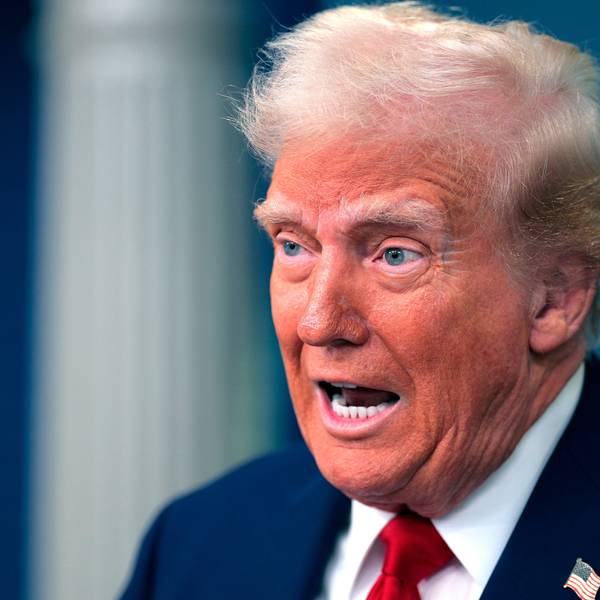
One of the most potent worries about the coming Trump presidency is concern about free speech. Trump's willingness to tolerate or even encourage violence against nonviolent critics of his agenda and personnel choices is alarming. The Washington Post recently carried a chilling cautionary tale about the fate of a young woman who challenged Trump's record on women's issues. Parallels with banana republic dictators tacitly encouraging or at least tolerating paramilitary forces seem not far- fetched.
One of the most potent worries about the coming Trump presidency is concern about free speech. Trump's willingness to tolerate or even encourage violence against nonviolent critics of his agenda and personnel choices is alarming. The Washington Post recently carried a chilling cautionary tale about the fate of a young woman who challenged Trump's record on women's issues. Parallels with banana republic dictators tacitly encouraging or at least tolerating paramilitary forces seem not far- fetched. Though it is easy for the Washington Post to call attention to and criticize Trump's incitement to violence, the Post now practices its own more subtle efforts to police speech.
Behind the facade of a concern about fake news, the Post featured an article by Craig Timberg that cited--without challenge--an anonymous website, PropOrNot, listing numerous other sites purported to be purveyors of fake news. As Max Blumenthal reported for AlterNet, "the anonymous website argued that all of the named sites should be investigated by the federal government and potentially prosecuted under the Espionage Act as Russian spies. They were accused for wittingly or unwittingly spreading Russian propaganda."
This story especially caught my attention because one of the fingered websites--Naked Capitalism--has long been one of my favorite sources. In addition to meticulous coverage of finance, the site provides in depth analysis of both mainstream economics and contemporary and historic alternatives. All those upon whom economics 101 is being inflicted should consult entries by Philip Mirowski and Philip Pilkingotn. You will never think the same about simple supply and demand. Designating this site as a purveyor of fake--even Russian supplied-- news while providing no evidence for the claim is surely libelous. Charges of Russian interference in our election--thus far without any specific evidence beyond agency assertions --should be investigated but ought not to become an occasion to harass domestic critics of US policy.
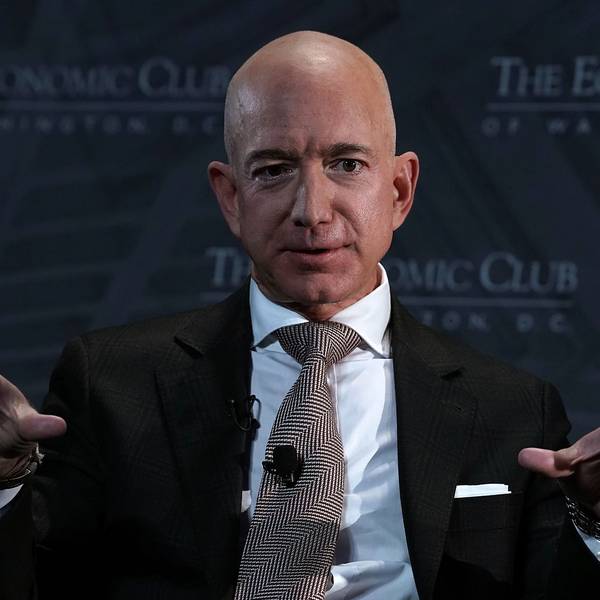
In any case, as numerous contributors to some of these libeled sites point out, the Post's action is the digital equivalent of a McCarthyite blacklist. The Washington Post, which has "apologized" only by saying that it takes no responsibility for the factual accuracy of the claims made in Timberg's piece, is owned by Amazon billionaire Jeff Bezos, who also does contractual work for the CIA.
At the same time as this was happening, Congressional Democrats were getting involved in the blame Russia game. Norman Solomon reports:
A week ago, when the House approved by a 390-30 margin and sent to the Senate the Intelligence Authorization Act for fiscal 2017, Schiff praised "important provisions aimed at countering Russia's destabilizing efforts -- including those targeting our elections." One of those "important provisions," Section 501, sets up in the executive branch "an interagency committee to counter active measures by the Russian Federation to exert covert influence.
While lacking public accountability, the committee is mandated to ferret out such ambiguous phenomena as Russian "media manipulation" and "disinformation." Along the way, the committee could target an array of activists, political opponents or irksome journalists. In any event, its power to fulfill "such other duties as the president may designate" would be ready-made for abuse.
What seems to be a common thread among many of the blacklisted groups is antagonism toward those critics of neoliberalism or of Obama/Clinton foreign policy who are seen as derailing the Clinton campaign. Solomon rightly makes a Cold War analogy, citing Democratic President Truman's issuing a loyalty act in order to toss a bone to the emerging Cold Warriors only to have it blow up into the full fledged fury of McCarthyism. I would, however, add another historical angle. As such International Relations scholars as David Campbell and James DerDerian have argued, the rhetoric of foreign affairs serves to discipline and support domestic identity as much as to fend off actual military threat. The Cold War was born as much of domestic anxiety as of Soviet military threat. The end of World War II saw contentious efforts by unions and liberals to establish a full employment politics coupled with a wave of strikes almost unprecedented in our history. Even key national security documents at the height of the Cold War indicated more worry about the political appeal of communism than its military might. That a cadre of Democratic centrists would strive to establish a top-secret surveillance committee targeting Russian links to dissident movements is an effort to escape blame for a failed campaign. Seen in broader perspective, however, it is also an effort to validate a badly wounded neoliberal agenda by tying left opponents of that agenda to a reviled foreign power.
Fake news is a real problem as is the violence it can incite. At the very least such violence should be identified and its perpetrators punished. Libel laws should be enforced with regard to innocents targeted by such mega giants as Bezos and his journalistic toy. The problems of fake news are not going to be resolved by establishing a private corporate cop or censor for the internet nor by establishing one more secretive watchdog. The Washington Post and the CIA are both propagators of fake news. This is one more argument for both net neutrality and a more robust anti-trust enforcement. The best answer to fake news is a more diverse media.
FINAL DAY! This is urgent.
Dear Common Dreams reader, It’s been nearly 30 years since I co-founded Common Dreams with my late wife, Lina Newhouser. We had the radical notion that journalism should serve the public good, not corporate profits. It was clear to us from the outset what it would take to build such a project. No paid advertisements. No corporate sponsors. No millionaire publisher telling us what to think or do. Many people said we wouldn't last a year, but we proved those doubters wrong. Together with a tremendous team of journalists and dedicated staff, we built an independent media outlet free from the constraints of profits and corporate control. Our mission from the outset was simple. To inform. To inspire. To ignite change for the common good. Building Common Dreams was not easy. Our survival was never guaranteed. When you take on the most powerful forces—Wall Street greed, fossil fuel industry destruction, Big Tech lobbyists, and uber-rich oligarchs who have spent billions upon billions rigging the economy and democracy in their favor—the only bulwark you have is supporters who believe in your work. But here’s the urgent message from me today. It’s never been this bad out there. And it’s never been this hard to keep us going. At the very moment Common Dreams is most needed and doing some of its best and most important work, the threats we face are intensifying. Right now, with just hours left in our Spring Campaign, we're still falling short of our make-or-break goal. When everyone does the little they can afford, we are strong. But if that support retreats or dries up, so do we. Can you make a gift right now to make sure Common Dreams not only survives but thrives? There is no backup plan or rainy day fund. There is only you. —Craig Brown, Co-founder |
One of the most potent worries about the coming Trump presidency is concern about free speech. Trump's willingness to tolerate or even encourage violence against nonviolent critics of his agenda and personnel choices is alarming. The Washington Post recently carried a chilling cautionary tale about the fate of a young woman who challenged Trump's record on women's issues. Parallels with banana republic dictators tacitly encouraging or at least tolerating paramilitary forces seem not far- fetched. Though it is easy for the Washington Post to call attention to and criticize Trump's incitement to violence, the Post now practices its own more subtle efforts to police speech.
Behind the facade of a concern about fake news, the Post featured an article by Craig Timberg that cited--without challenge--an anonymous website, PropOrNot, listing numerous other sites purported to be purveyors of fake news. As Max Blumenthal reported for AlterNet, "the anonymous website argued that all of the named sites should be investigated by the federal government and potentially prosecuted under the Espionage Act as Russian spies. They were accused for wittingly or unwittingly spreading Russian propaganda."
This story especially caught my attention because one of the fingered websites--Naked Capitalism--has long been one of my favorite sources. In addition to meticulous coverage of finance, the site provides in depth analysis of both mainstream economics and contemporary and historic alternatives. All those upon whom economics 101 is being inflicted should consult entries by Philip Mirowski and Philip Pilkingotn. You will never think the same about simple supply and demand. Designating this site as a purveyor of fake--even Russian supplied-- news while providing no evidence for the claim is surely libelous. Charges of Russian interference in our election--thus far without any specific evidence beyond agency assertions --should be investigated but ought not to become an occasion to harass domestic critics of US policy.
In any case, as numerous contributors to some of these libeled sites point out, the Post's action is the digital equivalent of a McCarthyite blacklist. The Washington Post, which has "apologized" only by saying that it takes no responsibility for the factual accuracy of the claims made in Timberg's piece, is owned by Amazon billionaire Jeff Bezos, who also does contractual work for the CIA.
At the same time as this was happening, Congressional Democrats were getting involved in the blame Russia game. Norman Solomon reports:
A week ago, when the House approved by a 390-30 margin and sent to the Senate the Intelligence Authorization Act for fiscal 2017, Schiff praised "important provisions aimed at countering Russia's destabilizing efforts -- including those targeting our elections." One of those "important provisions," Section 501, sets up in the executive branch "an interagency committee to counter active measures by the Russian Federation to exert covert influence.
While lacking public accountability, the committee is mandated to ferret out such ambiguous phenomena as Russian "media manipulation" and "disinformation." Along the way, the committee could target an array of activists, political opponents or irksome journalists. In any event, its power to fulfill "such other duties as the president may designate" would be ready-made for abuse.
What seems to be a common thread among many of the blacklisted groups is antagonism toward those critics of neoliberalism or of Obama/Clinton foreign policy who are seen as derailing the Clinton campaign. Solomon rightly makes a Cold War analogy, citing Democratic President Truman's issuing a loyalty act in order to toss a bone to the emerging Cold Warriors only to have it blow up into the full fledged fury of McCarthyism. I would, however, add another historical angle. As such International Relations scholars as David Campbell and James DerDerian have argued, the rhetoric of foreign affairs serves to discipline and support domestic identity as much as to fend off actual military threat. The Cold War was born as much of domestic anxiety as of Soviet military threat. The end of World War II saw contentious efforts by unions and liberals to establish a full employment politics coupled with a wave of strikes almost unprecedented in our history. Even key national security documents at the height of the Cold War indicated more worry about the political appeal of communism than its military might. That a cadre of Democratic centrists would strive to establish a top-secret surveillance committee targeting Russian links to dissident movements is an effort to escape blame for a failed campaign. Seen in broader perspective, however, it is also an effort to validate a badly wounded neoliberal agenda by tying left opponents of that agenda to a reviled foreign power.
Fake news is a real problem as is the violence it can incite. At the very least such violence should be identified and its perpetrators punished. Libel laws should be enforced with regard to innocents targeted by such mega giants as Bezos and his journalistic toy. The problems of fake news are not going to be resolved by establishing a private corporate cop or censor for the internet nor by establishing one more secretive watchdog. The Washington Post and the CIA are both propagators of fake news. This is one more argument for both net neutrality and a more robust anti-trust enforcement. The best answer to fake news is a more diverse media.
One of the most potent worries about the coming Trump presidency is concern about free speech. Trump's willingness to tolerate or even encourage violence against nonviolent critics of his agenda and personnel choices is alarming. The Washington Post recently carried a chilling cautionary tale about the fate of a young woman who challenged Trump's record on women's issues. Parallels with banana republic dictators tacitly encouraging or at least tolerating paramilitary forces seem not far- fetched. Though it is easy for the Washington Post to call attention to and criticize Trump's incitement to violence, the Post now practices its own more subtle efforts to police speech.
Behind the facade of a concern about fake news, the Post featured an article by Craig Timberg that cited--without challenge--an anonymous website, PropOrNot, listing numerous other sites purported to be purveyors of fake news. As Max Blumenthal reported for AlterNet, "the anonymous website argued that all of the named sites should be investigated by the federal government and potentially prosecuted under the Espionage Act as Russian spies. They were accused for wittingly or unwittingly spreading Russian propaganda."
This story especially caught my attention because one of the fingered websites--Naked Capitalism--has long been one of my favorite sources. In addition to meticulous coverage of finance, the site provides in depth analysis of both mainstream economics and contemporary and historic alternatives. All those upon whom economics 101 is being inflicted should consult entries by Philip Mirowski and Philip Pilkingotn. You will never think the same about simple supply and demand. Designating this site as a purveyor of fake--even Russian supplied-- news while providing no evidence for the claim is surely libelous. Charges of Russian interference in our election--thus far without any specific evidence beyond agency assertions --should be investigated but ought not to become an occasion to harass domestic critics of US policy.
In any case, as numerous contributors to some of these libeled sites point out, the Post's action is the digital equivalent of a McCarthyite blacklist. The Washington Post, which has "apologized" only by saying that it takes no responsibility for the factual accuracy of the claims made in Timberg's piece, is owned by Amazon billionaire Jeff Bezos, who also does contractual work for the CIA.
At the same time as this was happening, Congressional Democrats were getting involved in the blame Russia game. Norman Solomon reports:
A week ago, when the House approved by a 390-30 margin and sent to the Senate the Intelligence Authorization Act for fiscal 2017, Schiff praised "important provisions aimed at countering Russia's destabilizing efforts -- including those targeting our elections." One of those "important provisions," Section 501, sets up in the executive branch "an interagency committee to counter active measures by the Russian Federation to exert covert influence.
While lacking public accountability, the committee is mandated to ferret out such ambiguous phenomena as Russian "media manipulation" and "disinformation." Along the way, the committee could target an array of activists, political opponents or irksome journalists. In any event, its power to fulfill "such other duties as the president may designate" would be ready-made for abuse.
What seems to be a common thread among many of the blacklisted groups is antagonism toward those critics of neoliberalism or of Obama/Clinton foreign policy who are seen as derailing the Clinton campaign. Solomon rightly makes a Cold War analogy, citing Democratic President Truman's issuing a loyalty act in order to toss a bone to the emerging Cold Warriors only to have it blow up into the full fledged fury of McCarthyism. I would, however, add another historical angle. As such International Relations scholars as David Campbell and James DerDerian have argued, the rhetoric of foreign affairs serves to discipline and support domestic identity as much as to fend off actual military threat. The Cold War was born as much of domestic anxiety as of Soviet military threat. The end of World War II saw contentious efforts by unions and liberals to establish a full employment politics coupled with a wave of strikes almost unprecedented in our history. Even key national security documents at the height of the Cold War indicated more worry about the political appeal of communism than its military might. That a cadre of Democratic centrists would strive to establish a top-secret surveillance committee targeting Russian links to dissident movements is an effort to escape blame for a failed campaign. Seen in broader perspective, however, it is also an effort to validate a badly wounded neoliberal agenda by tying left opponents of that agenda to a reviled foreign power.
Fake news is a real problem as is the violence it can incite. At the very least such violence should be identified and its perpetrators punished. Libel laws should be enforced with regard to innocents targeted by such mega giants as Bezos and his journalistic toy. The problems of fake news are not going to be resolved by establishing a private corporate cop or censor for the internet nor by establishing one more secretive watchdog. The Washington Post and the CIA are both propagators of fake news. This is one more argument for both net neutrality and a more robust anti-trust enforcement. The best answer to fake news is a more diverse media.