SUBSCRIBE TO OUR FREE NEWSLETTER
Daily news & progressive opinion—funded by the people, not the corporations—delivered straight to your inbox.
5
#000000
#FFFFFF
To donate by check, phone, or other method, see our More Ways to Give page.
Daily news & progressive opinion—funded by the people, not the corporations—delivered straight to your inbox.
"My mother gave me some seeds to plant. And I'm also giving those seeds to my children to plant. So that is ongoing, every time we transfer to our children. And that is how all the women are doing it. We don't buy, we produce it ourselves." Sitting together in the heat of the Ghanaian sun, Esther Boakye Yiadom explained to me the importance of seeds in her family and the transfer of knowledge between the different generations of women.
Esther continues to explain the role of the community in sharing and preserving seeds: "I am having tomatoes and I don't have okro. And another woman has okro. I'll go to her and then beg for some of her okro seeds to plant. And then if another person also needs tomatoes from me and I have it, I'll have to give to the person. Because you know every season changes, because maybe mine will not do well. But that person's will do well. So next season we can get to plant. That's why we [ex]change them."
The ability to save and exchange seeds, after each growing season is an age-old practice that ensures that small scale farmers have seeds to sow the following year. The seeds are free for the farmer and they have the knowledge of what seed is required, for what conditions and the different tastes that complement the food they cook. Where they do not have a particular seed, they can ask other farmers in the community to share seeds.
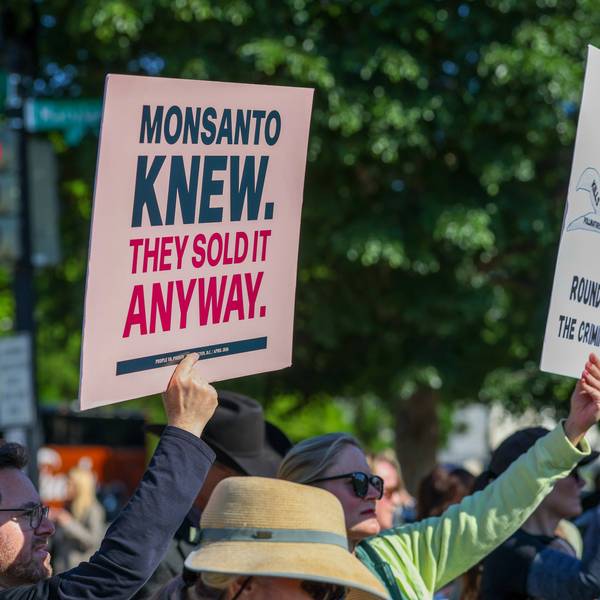
This 'freedom' is essential for sustainable livelihoods as well as ensuring communities have access to nutritious and culturally relevant food. But this is all under threat by a proposed bill - dubbed the 'Monsanto Law' - in Ghana that would bolster the power of multinational seed companies whilst restrict the rights of small farmers to keep and swap their seeds.
This attack on the way of life to so many farmers in Ghana is one of the commitments that the Ghanaian government has made to be part of the G7's New Alliance. At the end of last year we exposed the role of the UK government in the New Alliance and their complicity in this attack which led to a series of questions in our parliament as well as a parliamentary petition (Early Day Motion).
As I travelled around Ghana this last couple of weeks, I met many farmers and communities who echoed Esther's sentiments around seeds and the paramount role that seeds play for farmers and their communities.
When I met Patricia Dianon, president of the for Rural Women's Farmers Association of Ghana, she also articulated some of the spiritual and cultural aspects of seeds: "We use them when we have funerals, we put the seeds around the funeral sites, that is the last respect for the dead". She explained to me how you send off your loved ones with seeds so that they have them for the afterlife - underscoring the importance of seeds being the source of sustenance.
Yet the corporate agenda for seeds, as pushed through by the New Alliance, is one where farmers are treated as passive consumers of corporate-controlled seed. Ignoring the cultural importance of seeds and the economic impact on small rural farmers who have to spend money on purchasing seeds year after year and instead of enjoying a wide variety of seeds free of charge, becoming dependent on big seed companies.
This agenda is being challenged in Ghana and on my trip I also met different civil society groups, unions and farmers networks that are actively fighting to protect the rights to their own seeds and the freedom to protect their way of life. Their relentless organising, protesting and petitions led to a halt on the legislation. But it's not over yet and any day the bill could come back on the agenda of the Ghanaian parliament, so the movement remains vigilant. We will continue to stand in solidarity with the food sovereignty movement in Ghana and challenge the complicity of the UK government.
Dear Common Dreams reader, It’s been nearly 30 years since I co-founded Common Dreams with my late wife, Lina Newhouser. We had the radical notion that journalism should serve the public good, not corporate profits. It was clear to us from the outset what it would take to build such a project. No paid advertisements. No corporate sponsors. No millionaire publisher telling us what to think or do. Many people said we wouldn't last a year, but we proved those doubters wrong. Together with a tremendous team of journalists and dedicated staff, we built an independent media outlet free from the constraints of profits and corporate control. Our mission has always been simple: To inform. To inspire. To ignite change for the common good. Building Common Dreams was not easy. Our survival was never guaranteed. When you take on the most powerful forces—Wall Street greed, fossil fuel industry destruction, Big Tech lobbyists, and uber-rich oligarchs who have spent billions upon billions rigging the economy and democracy in their favor—the only bulwark you have is supporters who believe in your work. But here’s the urgent message from me today. It's never been this bad out there. And it's never been this hard to keep us going. At the very moment Common Dreams is most needed, the threats we face are intensifying. We need your support now more than ever. We don't accept corporate advertising and never will. We don't have a paywall because we don't think people should be blocked from critical news based on their ability to pay. Everything we do is funded by the donations of readers like you. When everyone does the little they can afford, we are strong. But if that support retreats or dries up, so do we. Will you donate now to make sure Common Dreams not only survives but thrives? —Craig Brown, Co-founder |
"My mother gave me some seeds to plant. And I'm also giving those seeds to my children to plant. So that is ongoing, every time we transfer to our children. And that is how all the women are doing it. We don't buy, we produce it ourselves." Sitting together in the heat of the Ghanaian sun, Esther Boakye Yiadom explained to me the importance of seeds in her family and the transfer of knowledge between the different generations of women.
Esther continues to explain the role of the community in sharing and preserving seeds: "I am having tomatoes and I don't have okro. And another woman has okro. I'll go to her and then beg for some of her okro seeds to plant. And then if another person also needs tomatoes from me and I have it, I'll have to give to the person. Because you know every season changes, because maybe mine will not do well. But that person's will do well. So next season we can get to plant. That's why we [ex]change them."
The ability to save and exchange seeds, after each growing season is an age-old practice that ensures that small scale farmers have seeds to sow the following year. The seeds are free for the farmer and they have the knowledge of what seed is required, for what conditions and the different tastes that complement the food they cook. Where they do not have a particular seed, they can ask other farmers in the community to share seeds.
This 'freedom' is essential for sustainable livelihoods as well as ensuring communities have access to nutritious and culturally relevant food. But this is all under threat by a proposed bill - dubbed the 'Monsanto Law' - in Ghana that would bolster the power of multinational seed companies whilst restrict the rights of small farmers to keep and swap their seeds.
This attack on the way of life to so many farmers in Ghana is one of the commitments that the Ghanaian government has made to be part of the G7's New Alliance. At the end of last year we exposed the role of the UK government in the New Alliance and their complicity in this attack which led to a series of questions in our parliament as well as a parliamentary petition (Early Day Motion).
As I travelled around Ghana this last couple of weeks, I met many farmers and communities who echoed Esther's sentiments around seeds and the paramount role that seeds play for farmers and their communities.
When I met Patricia Dianon, president of the for Rural Women's Farmers Association of Ghana, she also articulated some of the spiritual and cultural aspects of seeds: "We use them when we have funerals, we put the seeds around the funeral sites, that is the last respect for the dead". She explained to me how you send off your loved ones with seeds so that they have them for the afterlife - underscoring the importance of seeds being the source of sustenance.
Yet the corporate agenda for seeds, as pushed through by the New Alliance, is one where farmers are treated as passive consumers of corporate-controlled seed. Ignoring the cultural importance of seeds and the economic impact on small rural farmers who have to spend money on purchasing seeds year after year and instead of enjoying a wide variety of seeds free of charge, becoming dependent on big seed companies.
This agenda is being challenged in Ghana and on my trip I also met different civil society groups, unions and farmers networks that are actively fighting to protect the rights to their own seeds and the freedom to protect their way of life. Their relentless organising, protesting and petitions led to a halt on the legislation. But it's not over yet and any day the bill could come back on the agenda of the Ghanaian parliament, so the movement remains vigilant. We will continue to stand in solidarity with the food sovereignty movement in Ghana and challenge the complicity of the UK government.
"My mother gave me some seeds to plant. And I'm also giving those seeds to my children to plant. So that is ongoing, every time we transfer to our children. And that is how all the women are doing it. We don't buy, we produce it ourselves." Sitting together in the heat of the Ghanaian sun, Esther Boakye Yiadom explained to me the importance of seeds in her family and the transfer of knowledge between the different generations of women.
Esther continues to explain the role of the community in sharing and preserving seeds: "I am having tomatoes and I don't have okro. And another woman has okro. I'll go to her and then beg for some of her okro seeds to plant. And then if another person also needs tomatoes from me and I have it, I'll have to give to the person. Because you know every season changes, because maybe mine will not do well. But that person's will do well. So next season we can get to plant. That's why we [ex]change them."
The ability to save and exchange seeds, after each growing season is an age-old practice that ensures that small scale farmers have seeds to sow the following year. The seeds are free for the farmer and they have the knowledge of what seed is required, for what conditions and the different tastes that complement the food they cook. Where they do not have a particular seed, they can ask other farmers in the community to share seeds.
This 'freedom' is essential for sustainable livelihoods as well as ensuring communities have access to nutritious and culturally relevant food. But this is all under threat by a proposed bill - dubbed the 'Monsanto Law' - in Ghana that would bolster the power of multinational seed companies whilst restrict the rights of small farmers to keep and swap their seeds.
This attack on the way of life to so many farmers in Ghana is one of the commitments that the Ghanaian government has made to be part of the G7's New Alliance. At the end of last year we exposed the role of the UK government in the New Alliance and their complicity in this attack which led to a series of questions in our parliament as well as a parliamentary petition (Early Day Motion).
As I travelled around Ghana this last couple of weeks, I met many farmers and communities who echoed Esther's sentiments around seeds and the paramount role that seeds play for farmers and their communities.
When I met Patricia Dianon, president of the for Rural Women's Farmers Association of Ghana, she also articulated some of the spiritual and cultural aspects of seeds: "We use them when we have funerals, we put the seeds around the funeral sites, that is the last respect for the dead". She explained to me how you send off your loved ones with seeds so that they have them for the afterlife - underscoring the importance of seeds being the source of sustenance.
Yet the corporate agenda for seeds, as pushed through by the New Alliance, is one where farmers are treated as passive consumers of corporate-controlled seed. Ignoring the cultural importance of seeds and the economic impact on small rural farmers who have to spend money on purchasing seeds year after year and instead of enjoying a wide variety of seeds free of charge, becoming dependent on big seed companies.
This agenda is being challenged in Ghana and on my trip I also met different civil society groups, unions and farmers networks that are actively fighting to protect the rights to their own seeds and the freedom to protect their way of life. Their relentless organising, protesting and petitions led to a halt on the legislation. But it's not over yet and any day the bill could come back on the agenda of the Ghanaian parliament, so the movement remains vigilant. We will continue to stand in solidarity with the food sovereignty movement in Ghana and challenge the complicity of the UK government.