SUBSCRIBE TO OUR FREE NEWSLETTER
Daily news & progressive opinion—funded by the people, not the corporations—delivered straight to your inbox.
5
#000000
#FFFFFF
To donate by check, phone, or other method, see our More Ways to Give page.
Daily news & progressive opinion—funded by the people, not the corporations—delivered straight to your inbox.
A United Nations investigation into alleged war crimes in Afghanistan should be launched to identify and prosecute individuals responsible, says a former top-ranking UN official on extrajudicial killings.
Philip Alston called for the UN Human Rights Council to investigate the "conduct of the war" in Afghanistan amid rising concern over the level of civilian casualties caused by coalition forces, including Britain, and by the Taliban. It should be modelled, he said, on the inquiry into Israeli military operations in the Gaza Strip.
In his first interview since stepping down last month after six years as the UN's special rapporteur on extrajudicial, summary or arbitrary executions, Alston said the lack of prosecutions concerning alleged war crimes was a major cause of concern because of the large number of Afghan civilians killed in the conflict.
"If states are not carrying out reasonably neutral investigations and prosecutions of what appear to be serious violations, it does leave open the possibility that the international community should be intervening in some way.
"An interesting proposal, but one that would draw disdain, no doubt, would be for some sort of international inquiry into the conduct of the war in Afghanistan, along the lines of Gaza. Otherwise, who is going to do a thorough investigation and track down where the decisions were actually taken?"
Last year's contentious UN investigation into Israel's campaign in the Gaza Strip found evidence that both Israel and Hamas had committed war crimes. Yet the failure of the European Union and the US to endorse the inquiry triggered claims by human rights groups that western powers would pursue war crimes violations only when it suited them.
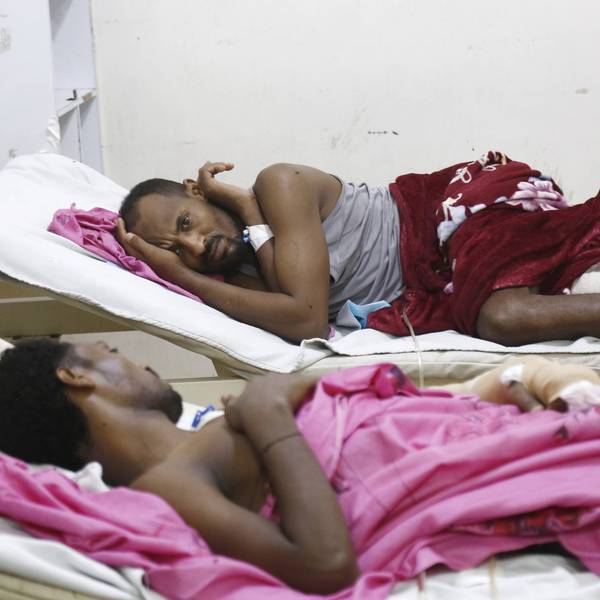
More than 1,000 Afghan civilians were killed in armed violence and security incidents in the first six months of the year, although most deaths are attributable to the Taliban. A number of instances of alleged civilian killings by British forces in Afghanistan were recently revealed in secret military files published by whistleblowing website WikiLeaks. They chronicled 21 separate occasions on which British troops are said to have shot or bombed Afghan civilians - identifying at least 26 people killed and another 20 wounded as a result. The Ministry of Defence confirmed last night that no British soldier had been prosecuted in relation to operations in Afghanistan.
The call by Alston, an international law scholar who reported regularly to the UN Human Rights Council, came as sources indicated that UK officials had been contacted by the chief prosecutor at the International Criminal Court over how the British military investigated war crime allegations.
Afghanistan is a signatory of the treaty that established the Hague-based ICC, which means that any war crime committed on its territory by Afghan nationals or foreigners is relevant to the court. Sources said the UK is among a number of Nato states contacted by the ICC as part of a "preliminary examination" into whether there is sufficient evidence to launch a full war crimes investigation.
Alston said the refusal of the US to become an ICC signatory meant that an inquiry by the Human Rights Council offered a reasonable alternative. He admitted that the controversial nature of the UN investigation into Gaza meant that any debate over a similar venture into Afghanistan would need "to be separated from the single most contentious inquiry undertaken in recent years". He added: "The problem is that the ICC can't hold the Taliban to account, and nor can they hold the Americans to account in any practical sense."
Saman Zia-Zarifi, director of Amnesty International's Asia-Pacific program, said the Gaza inquiry made sense because Israel was not an ICC signatory. But in relation to Afghanistan public pressure and "legal jurisprudence" could still mean the ICC was the best authority to investigate serious allegations in Afghanistan. He said: "I think the most appropiate forum is the criminal court."
An MoD spokesman said: "The protection of the Afghan civilian population is at the core of our military strategy. We have strict procedures, frequently updated in the light of experience."
Dear Common Dreams reader, It’s been nearly 30 years since I co-founded Common Dreams with my late wife, Lina Newhouser. We had the radical notion that journalism should serve the public good, not corporate profits. It was clear to us from the outset what it would take to build such a project. No paid advertisements. No corporate sponsors. No millionaire publisher telling us what to think or do. Many people said we wouldn't last a year, but we proved those doubters wrong. Together with a tremendous team of journalists and dedicated staff, we built an independent media outlet free from the constraints of profits and corporate control. Our mission has always been simple: To inform. To inspire. To ignite change for the common good. Building Common Dreams was not easy. Our survival was never guaranteed. When you take on the most powerful forces—Wall Street greed, fossil fuel industry destruction, Big Tech lobbyists, and uber-rich oligarchs who have spent billions upon billions rigging the economy and democracy in their favor—the only bulwark you have is supporters who believe in your work. But here’s the urgent message from me today. It's never been this bad out there. And it's never been this hard to keep us going. At the very moment Common Dreams is most needed, the threats we face are intensifying. We need your support now more than ever. We don't accept corporate advertising and never will. We don't have a paywall because we don't think people should be blocked from critical news based on their ability to pay. Everything we do is funded by the donations of readers like you. When everyone does the little they can afford, we are strong. But if that support retreats or dries up, so do we. Will you donate now to make sure Common Dreams not only survives but thrives? —Craig Brown, Co-founder |
A United Nations investigation into alleged war crimes in Afghanistan should be launched to identify and prosecute individuals responsible, says a former top-ranking UN official on extrajudicial killings.
Philip Alston called for the UN Human Rights Council to investigate the "conduct of the war" in Afghanistan amid rising concern over the level of civilian casualties caused by coalition forces, including Britain, and by the Taliban. It should be modelled, he said, on the inquiry into Israeli military operations in the Gaza Strip.
In his first interview since stepping down last month after six years as the UN's special rapporteur on extrajudicial, summary or arbitrary executions, Alston said the lack of prosecutions concerning alleged war crimes was a major cause of concern because of the large number of Afghan civilians killed in the conflict.
"If states are not carrying out reasonably neutral investigations and prosecutions of what appear to be serious violations, it does leave open the possibility that the international community should be intervening in some way.
"An interesting proposal, but one that would draw disdain, no doubt, would be for some sort of international inquiry into the conduct of the war in Afghanistan, along the lines of Gaza. Otherwise, who is going to do a thorough investigation and track down where the decisions were actually taken?"
Last year's contentious UN investigation into Israel's campaign in the Gaza Strip found evidence that both Israel and Hamas had committed war crimes. Yet the failure of the European Union and the US to endorse the inquiry triggered claims by human rights groups that western powers would pursue war crimes violations only when it suited them.
More than 1,000 Afghan civilians were killed in armed violence and security incidents in the first six months of the year, although most deaths are attributable to the Taliban. A number of instances of alleged civilian killings by British forces in Afghanistan were recently revealed in secret military files published by whistleblowing website WikiLeaks. They chronicled 21 separate occasions on which British troops are said to have shot or bombed Afghan civilians - identifying at least 26 people killed and another 20 wounded as a result. The Ministry of Defence confirmed last night that no British soldier had been prosecuted in relation to operations in Afghanistan.
The call by Alston, an international law scholar who reported regularly to the UN Human Rights Council, came as sources indicated that UK officials had been contacted by the chief prosecutor at the International Criminal Court over how the British military investigated war crime allegations.
Afghanistan is a signatory of the treaty that established the Hague-based ICC, which means that any war crime committed on its territory by Afghan nationals or foreigners is relevant to the court. Sources said the UK is among a number of Nato states contacted by the ICC as part of a "preliminary examination" into whether there is sufficient evidence to launch a full war crimes investigation.
Alston said the refusal of the US to become an ICC signatory meant that an inquiry by the Human Rights Council offered a reasonable alternative. He admitted that the controversial nature of the UN investigation into Gaza meant that any debate over a similar venture into Afghanistan would need "to be separated from the single most contentious inquiry undertaken in recent years". He added: "The problem is that the ICC can't hold the Taliban to account, and nor can they hold the Americans to account in any practical sense."
Saman Zia-Zarifi, director of Amnesty International's Asia-Pacific program, said the Gaza inquiry made sense because Israel was not an ICC signatory. But in relation to Afghanistan public pressure and "legal jurisprudence" could still mean the ICC was the best authority to investigate serious allegations in Afghanistan. He said: "I think the most appropiate forum is the criminal court."
An MoD spokesman said: "The protection of the Afghan civilian population is at the core of our military strategy. We have strict procedures, frequently updated in the light of experience."
A United Nations investigation into alleged war crimes in Afghanistan should be launched to identify and prosecute individuals responsible, says a former top-ranking UN official on extrajudicial killings.
Philip Alston called for the UN Human Rights Council to investigate the "conduct of the war" in Afghanistan amid rising concern over the level of civilian casualties caused by coalition forces, including Britain, and by the Taliban. It should be modelled, he said, on the inquiry into Israeli military operations in the Gaza Strip.
In his first interview since stepping down last month after six years as the UN's special rapporteur on extrajudicial, summary or arbitrary executions, Alston said the lack of prosecutions concerning alleged war crimes was a major cause of concern because of the large number of Afghan civilians killed in the conflict.
"If states are not carrying out reasonably neutral investigations and prosecutions of what appear to be serious violations, it does leave open the possibility that the international community should be intervening in some way.
"An interesting proposal, but one that would draw disdain, no doubt, would be for some sort of international inquiry into the conduct of the war in Afghanistan, along the lines of Gaza. Otherwise, who is going to do a thorough investigation and track down where the decisions were actually taken?"
Last year's contentious UN investigation into Israel's campaign in the Gaza Strip found evidence that both Israel and Hamas had committed war crimes. Yet the failure of the European Union and the US to endorse the inquiry triggered claims by human rights groups that western powers would pursue war crimes violations only when it suited them.
More than 1,000 Afghan civilians were killed in armed violence and security incidents in the first six months of the year, although most deaths are attributable to the Taliban. A number of instances of alleged civilian killings by British forces in Afghanistan were recently revealed in secret military files published by whistleblowing website WikiLeaks. They chronicled 21 separate occasions on which British troops are said to have shot or bombed Afghan civilians - identifying at least 26 people killed and another 20 wounded as a result. The Ministry of Defence confirmed last night that no British soldier had been prosecuted in relation to operations in Afghanistan.
The call by Alston, an international law scholar who reported regularly to the UN Human Rights Council, came as sources indicated that UK officials had been contacted by the chief prosecutor at the International Criminal Court over how the British military investigated war crime allegations.
Afghanistan is a signatory of the treaty that established the Hague-based ICC, which means that any war crime committed on its territory by Afghan nationals or foreigners is relevant to the court. Sources said the UK is among a number of Nato states contacted by the ICC as part of a "preliminary examination" into whether there is sufficient evidence to launch a full war crimes investigation.
Alston said the refusal of the US to become an ICC signatory meant that an inquiry by the Human Rights Council offered a reasonable alternative. He admitted that the controversial nature of the UN investigation into Gaza meant that any debate over a similar venture into Afghanistan would need "to be separated from the single most contentious inquiry undertaken in recent years". He added: "The problem is that the ICC can't hold the Taliban to account, and nor can they hold the Americans to account in any practical sense."
Saman Zia-Zarifi, director of Amnesty International's Asia-Pacific program, said the Gaza inquiry made sense because Israel was not an ICC signatory. But in relation to Afghanistan public pressure and "legal jurisprudence" could still mean the ICC was the best authority to investigate serious allegations in Afghanistan. He said: "I think the most appropiate forum is the criminal court."
An MoD spokesman said: "The protection of the Afghan civilian population is at the core of our military strategy. We have strict procedures, frequently updated in the light of experience."