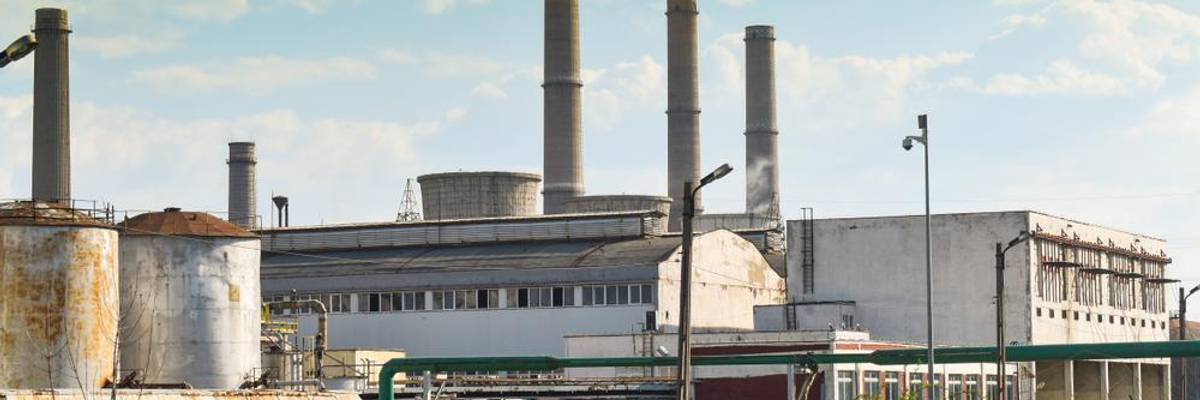
Last May, the United Steelworkers union noted that the newly merged DowDupont was paying its CEO 249 times more than the company's median worker. (Photo: Shutterstock)
Trump's EPA Is a Huge Cancer Risk
Industry-friendly regulators are letting chemical companies flood the country with toxins. It should be a scandal.
This January, President Trump claimed credit for new figures from the American Cancer Society showing "the sharpest one-year drop in cancer death rate ever recorded" between 2016 and 2017.
The society politely pointed out that the Trump administration had nothing to do with this encouraging decline. The new numbers, chief Gary Reedy explained, "reflect prevention, early detection, and treatment advances that occurred in prior years."
Media outlets rushed to relate this latest Trump Twitter flap. But this story doesn't deserve to end there. Something is shaking on the cancer front that needs our full attention.
Average Americans pay a deadly price for the excessive corporate pay packages that incentivize profit-making by any means necessary.
The Trump administration, investigative journalist Sharon Lerner detailed a few days later, "is executing an old tobacco industry scheme to dismantle the federal government's ability to protect the public from cancer."
The Trump White House has packed the Environmental Protection Agency's top echelons with free-market fundamentalists who've set about "freeing" chemical companies from regulations designed to limit the presence of cancer-causing chemicals in our nation's air, water, and soil.
These appointees, Lerner's reporting documents, are working hand in glove with chemical manufacturers, which have spent $1.4 billion on lobbying over the past dozen years.
Those lobbying dollars paid off. Chemical companies now have their pals running the regulatory show--and more Americans, as a result, will find themselves fighting cancer.
Americans like Angela Ramirez, a mother in Illinois who traces her personal cancer to a carcinogen known as ethylene oxide. Two years ago, EPA scientists tagged ethylene oxide a clear and present danger and, writes Lerner, proposed a new safety threshold "30 times more sensitive than previous estimates."
Dow Chemical -- a huge ethylene oxide producer -- pushed back. Now, the Trump EPA's political appointees are abandoning the standards their own scientists are seeking.
This is "only one of the changes made under the Trump administration," notes Lerner, "that promise to weaken protections for Americans' health, many of which were intended specifically to stave off cancers."
Any hands-off approach to fighting carcinogens, Rep. Rashida Tlaib (D-MI) notes, will particularly devastate the poor communities that already face "disproportionately high rates of air and water pollution."
"If you really want to see what doing nothing truly looks like, come to my district," adds Tlaib. "Rows and rows and rows of homes have these little white crosses in front of them, representing cancer, survivors of cancer."
Meanwhile, chemical executives are raking it in.
In 2017, the industry's two biggest companies, Dow and Dupont, merged in a deal that nearly tripled the compensation of CEO Andrew Liveris to $65.7 million. In 2018, Stephen Angel -- CEO of Linde PLC, the nation's fourth-largest chemical company -- pulled down $66.1 million.
The enrichment of these executives -- at the same time their companies are battling attempts to regulate their toxic products -- represents a far greater scandal than any vain and empty boasting out of the White House. Yet the deregulatory collusion between the chemical industry and the Trump administration continues to go largely unnoticed.
Also largely unnoticed: a counter trend, the emerging efforts to limit the mammoth CEO pay rewards that give top executives -- in the chemical industry and beyond -- an ongoing incentive to play fast and loose with America's health.
One of those efforts just took a significant stride forward in California, where state senators moved a step closer to hiking the tax rate on corporations that pay their CEOs over 50 times what they pay their most typical workers.
Last May, the United Steelworkers union noted that the newly merged DowDupont was paying its CEO 249 times more than the company's median worker.
Average Americans pay a deadly price for the excessive corporate pay packages that incentivize profit-making by any means necessary. If the California legislation becomes law, America's corporations may finally begin paying a price for continuing that excess.
We are at a crossroads
This country and this world are at a monumental crossroads. In a few short weeks, US voters will have an opportunity to beat back the forces of fascism and confront the billionaires who are rigging the economy, our media system, and our democracy, making it increasingly impossible for ordinary people to get by. We’re not just talking about the election. We’re talking about what must be done once these fascist elements are vanquished from power. We need a bolder set of solutions than what either major party has so far been willing to offer and a working-class movement ready to fight like hell for it. Trump didn't emerge from nowhere. The conditions that fueled MAGA authoritarianism were created by decades of radical neoliberal economic policies and a corrupt political system dominated by corporate interests. They slashed taxes on the super-rich, promising that the benefits would trickle down. They said giveaways to the corporate titans would make life more affordable for the rest of us. It was all bullshit. And when a bitter, betrayed populace searches for someone to blame, right-wing demagogues have little trouble finding scapegoats. People know when they're being lied to, but you won't hear any of this from the corporate media. Only independent journalism—powered and funded by people who believe in building a better world—can deliver truly trustworthy daily news. Our Fall Campaign is underway, and we need your help. To power our newsroom through the rest of the year, we need to raise $125,000 by midnight on October 31. So if you share our vision, please contribute whatever you can to sustain our work. |
This January, President Trump claimed credit for new figures from the American Cancer Society showing "the sharpest one-year drop in cancer death rate ever recorded" between 2016 and 2017.
The society politely pointed out that the Trump administration had nothing to do with this encouraging decline. The new numbers, chief Gary Reedy explained, "reflect prevention, early detection, and treatment advances that occurred in prior years."
Media outlets rushed to relate this latest Trump Twitter flap. But this story doesn't deserve to end there. Something is shaking on the cancer front that needs our full attention.
Average Americans pay a deadly price for the excessive corporate pay packages that incentivize profit-making by any means necessary.
The Trump administration, investigative journalist Sharon Lerner detailed a few days later, "is executing an old tobacco industry scheme to dismantle the federal government's ability to protect the public from cancer."
The Trump White House has packed the Environmental Protection Agency's top echelons with free-market fundamentalists who've set about "freeing" chemical companies from regulations designed to limit the presence of cancer-causing chemicals in our nation's air, water, and soil.
These appointees, Lerner's reporting documents, are working hand in glove with chemical manufacturers, which have spent $1.4 billion on lobbying over the past dozen years.
Those lobbying dollars paid off. Chemical companies now have their pals running the regulatory show--and more Americans, as a result, will find themselves fighting cancer.
Americans like Angela Ramirez, a mother in Illinois who traces her personal cancer to a carcinogen known as ethylene oxide. Two years ago, EPA scientists tagged ethylene oxide a clear and present danger and, writes Lerner, proposed a new safety threshold "30 times more sensitive than previous estimates."
Dow Chemical -- a huge ethylene oxide producer -- pushed back. Now, the Trump EPA's political appointees are abandoning the standards their own scientists are seeking.
This is "only one of the changes made under the Trump administration," notes Lerner, "that promise to weaken protections for Americans' health, many of which were intended specifically to stave off cancers."
Any hands-off approach to fighting carcinogens, Rep. Rashida Tlaib (D-MI) notes, will particularly devastate the poor communities that already face "disproportionately high rates of air and water pollution."
"If you really want to see what doing nothing truly looks like, come to my district," adds Tlaib. "Rows and rows and rows of homes have these little white crosses in front of them, representing cancer, survivors of cancer."
Meanwhile, chemical executives are raking it in.
In 2017, the industry's two biggest companies, Dow and Dupont, merged in a deal that nearly tripled the compensation of CEO Andrew Liveris to $65.7 million. In 2018, Stephen Angel -- CEO of Linde PLC, the nation's fourth-largest chemical company -- pulled down $66.1 million.
The enrichment of these executives -- at the same time their companies are battling attempts to regulate their toxic products -- represents a far greater scandal than any vain and empty boasting out of the White House. Yet the deregulatory collusion between the chemical industry and the Trump administration continues to go largely unnoticed.
Also largely unnoticed: a counter trend, the emerging efforts to limit the mammoth CEO pay rewards that give top executives -- in the chemical industry and beyond -- an ongoing incentive to play fast and loose with America's health.
One of those efforts just took a significant stride forward in California, where state senators moved a step closer to hiking the tax rate on corporations that pay their CEOs over 50 times what they pay their most typical workers.
Last May, the United Steelworkers union noted that the newly merged DowDupont was paying its CEO 249 times more than the company's median worker.
Average Americans pay a deadly price for the excessive corporate pay packages that incentivize profit-making by any means necessary. If the California legislation becomes law, America's corporations may finally begin paying a price for continuing that excess.
This January, President Trump claimed credit for new figures from the American Cancer Society showing "the sharpest one-year drop in cancer death rate ever recorded" between 2016 and 2017.
The society politely pointed out that the Trump administration had nothing to do with this encouraging decline. The new numbers, chief Gary Reedy explained, "reflect prevention, early detection, and treatment advances that occurred in prior years."
Media outlets rushed to relate this latest Trump Twitter flap. But this story doesn't deserve to end there. Something is shaking on the cancer front that needs our full attention.
Average Americans pay a deadly price for the excessive corporate pay packages that incentivize profit-making by any means necessary.
The Trump administration, investigative journalist Sharon Lerner detailed a few days later, "is executing an old tobacco industry scheme to dismantle the federal government's ability to protect the public from cancer."
The Trump White House has packed the Environmental Protection Agency's top echelons with free-market fundamentalists who've set about "freeing" chemical companies from regulations designed to limit the presence of cancer-causing chemicals in our nation's air, water, and soil.
These appointees, Lerner's reporting documents, are working hand in glove with chemical manufacturers, which have spent $1.4 billion on lobbying over the past dozen years.
Those lobbying dollars paid off. Chemical companies now have their pals running the regulatory show--and more Americans, as a result, will find themselves fighting cancer.
Americans like Angela Ramirez, a mother in Illinois who traces her personal cancer to a carcinogen known as ethylene oxide. Two years ago, EPA scientists tagged ethylene oxide a clear and present danger and, writes Lerner, proposed a new safety threshold "30 times more sensitive than previous estimates."
Dow Chemical -- a huge ethylene oxide producer -- pushed back. Now, the Trump EPA's political appointees are abandoning the standards their own scientists are seeking.
This is "only one of the changes made under the Trump administration," notes Lerner, "that promise to weaken protections for Americans' health, many of which were intended specifically to stave off cancers."
Any hands-off approach to fighting carcinogens, Rep. Rashida Tlaib (D-MI) notes, will particularly devastate the poor communities that already face "disproportionately high rates of air and water pollution."
"If you really want to see what doing nothing truly looks like, come to my district," adds Tlaib. "Rows and rows and rows of homes have these little white crosses in front of them, representing cancer, survivors of cancer."
Meanwhile, chemical executives are raking it in.
In 2017, the industry's two biggest companies, Dow and Dupont, merged in a deal that nearly tripled the compensation of CEO Andrew Liveris to $65.7 million. In 2018, Stephen Angel -- CEO of Linde PLC, the nation's fourth-largest chemical company -- pulled down $66.1 million.
The enrichment of these executives -- at the same time their companies are battling attempts to regulate their toxic products -- represents a far greater scandal than any vain and empty boasting out of the White House. Yet the deregulatory collusion between the chemical industry and the Trump administration continues to go largely unnoticed.
Also largely unnoticed: a counter trend, the emerging efforts to limit the mammoth CEO pay rewards that give top executives -- in the chemical industry and beyond -- an ongoing incentive to play fast and loose with America's health.
One of those efforts just took a significant stride forward in California, where state senators moved a step closer to hiking the tax rate on corporations that pay their CEOs over 50 times what they pay their most typical workers.
Last May, the United Steelworkers union noted that the newly merged DowDupont was paying its CEO 249 times more than the company's median worker.
Average Americans pay a deadly price for the excessive corporate pay packages that incentivize profit-making by any means necessary. If the California legislation becomes law, America's corporations may finally begin paying a price for continuing that excess.