Why Appalachia (and the Whole Nation) Needs a Single Payer Healthcare System
During a rural medical outreach visit in East Tennessee, I met a woman who had become concerned after she found a lump in her breast. She was 44 years old, only a year younger than her mother was when she died of breast cancer at 45. The patient had not seen a physician in many years because she could not afford the copay and she had to drive 45 minutes to reach her appointment that day. She was working as a waitress and had no health insurance, which further delayed her seeking care. She had a history COPD and methamphetamine abuse, but had been clean for five years. During my exam, I felt a mass in her left breast. My alarm bells were sounding.
Unfortunately, stories like this patient abound in Appalachia and reveal the need for rethinking our healthcare system.
The recent presidential election is likely to bring change in the healthcare system of this nation, but we have a choice to make. During these tumultuous times in policy, the way forward is not to strip 20 million Americans of their healthcare by repealing the Affordable Care Act (ACA) without a replacement. The Republican alternative presented this week is also woefully inadequate in terms of coverage. Instead, we should pursue the most equitable and just option - a single payer healthcare system. No, this is not "socialized medicine," which would mean both the financing and delivery of care are government funded. We already have a form of this system for our veterans, and it leaves much to be desired. What I, and 20,000 other medical students and physicians, propose is a Medicare for All system.
The ACA has taken necessary steps toward a universal system, but it has fallen short. Approximately 27 million people remained uninsured after the landmark legislation was passed and an acceptable reduction in cost was not truly achieved. Supporters of the ACA aimed to bend the curve on ever-increasing healthcare expenditures and while this was accomplished, they still accounted for 18% of GDP last year.
The United States remains the only developed country with a system based on for-profit insurance companies. We are spending the largest amount per capita ($8,000+) on healthcare expenditures of any nation in the world, but without the best outcomes. The leading cause of bankruptcy in the United States is medical bills, and an estimated 45,000 deaths annually can be attributed to lack of health insurance. Over 100 million Americans forgo professionally recommended medical care due to cost each year. Clearly, we have work to do. A single payer system by way of a Medicare for All structure would allow coverage for all Americans and would actually reduce spending.
Not all states chose to expand Medicaid, including approximately half of those traditionally included in Appalachia, leaving lower income earning adults like my patient with the breast mass in a gap between Medicaid and Marketplace subsidies. Americans were left with artificial lines between states that create headaches for Tri-Cities area patients on a daily basis, when the nearest hospital to rural dwellers may be across state lines. Social workers in our local hospitals work tirelessly to coordinate care for patients leaving Tennessee hospitals, but needing follow-up in West Virginia, Virginia, or Kentucky where their health insurance coverage and state law differs. Paying employees to navigate these complexities is currently unavoidable, but it is my hope that a more streamlined, simple system could render these duties unnecessary.
Today we spend about a third of our healthcare dollars to overhead, administrative costs, and insurance profits. Physicians cite administrative burden as one of the leading causes of burn out, leading to decreased quality of care. With a single payer system for all Americans, we reduce this waste and instead direct these funds toward medical care. There is an additional benefit of freeing up physicians to spend longer appointments with patients as needed or increase patient volume.
Moreover, Americans living in rural areas face a physical access to care issue in addition to cost barriers. This makes seeking appropriate preventive care visits and screening tests even more important. It is a well-known fact that it is cheaper to prevent a chronic illness than to treat it long-term. Consequently, removing the cost barrier to preventive services in Appalachia while we work to improve the number of physicians and hospitals in rural areas is morally imperative but also cost effective.
Uninsured Americans cited lack of affordability and unemployment as their top two reasons for their insurance status. While the national unemployment rate in 2014 was around 6%, in the more economically depressed parts of Appalachia that figure reached as high as 14%. Increased levels of unemployment in the region together with state policies declining Medicaid expansion contribute to higher uninsured rates, and consequently poorer health outcomes. Our mixed system including employer-based health coverage is a relic of a time when most employees remained in the same job for decades and is inappropriate for the more dynamic, shifting workforce of today. Transition away from employer-based care would prevent workers from fearing a job change lest they lose their insurance, freeing workers to pursue innovative, entrepreneurial positions they might otherwise have foregone.
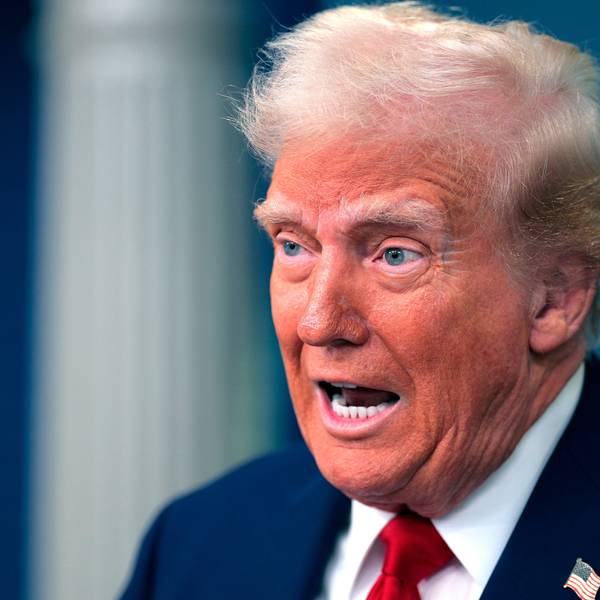
President Trump has praised the concept of universal healthcare multiple times in the past, citing the improved mortality rates and reduced costs per capita in countries with this structure. More than a decade ago, Trump preached the sensibility of covering all Americans in his book, The America We Deserve. "We must have universal healthcare," Trump wrote. "I'm a conservative on most issues but liberal on this one." In order to capitalize on his promise to take care of "the forgotten" in the United States, including those living in the impoverished communities of coal country, I urge the president to reconsider a Medicare for All system. Not only will it help make this country "great," it is the right thing to do.
Urgent. It's never been this bad.
Dear Common Dreams reader, It’s been nearly 30 years since I co-founded Common Dreams with my late wife, Lina Newhouser. We had the radical notion that journalism should serve the public good, not corporate profits. It was clear to us from the outset what it would take to build such a project. No paid advertisements. No corporate sponsors. No millionaire publisher telling us what to think or do. Many people said we wouldn't last a year, but we proved those doubters wrong. Together with a tremendous team of journalists and dedicated staff, we built an independent media outlet free from the constraints of profits and corporate control. Our mission from the outset was simple. To inform. To inspire. To ignite change for the common good. Building Common Dreams was not easy. Our survival was never guaranteed. When you take on the most powerful forces—Wall Street greed, fossil fuel industry destruction, Big Tech lobbyists, and uber-rich oligarchs who have spent billions upon billions rigging the economy and democracy in their favor—the only bulwark you have is supporters who believe in your work. But here’s the urgent message from me today. It’s never been this bad out there. And it’s never been this hard to keep us going. At the very moment Common Dreams is most needed and doing some of its best and most important work, the threats we face are intensifying. Right now, with just two days to go in our Spring Campaign, we're falling short of our make-or-break goal. When everyone does the little they can afford, we are strong. But if that support retreats or dries up, so do we. Can you make a gift right now to make sure Common Dreams not only survives but thrives? There is no backup plan or rainy day fund. There is only you. —Craig Brown, Co-founder |
During a rural medical outreach visit in East Tennessee, I met a woman who had become concerned after she found a lump in her breast. She was 44 years old, only a year younger than her mother was when she died of breast cancer at 45. The patient had not seen a physician in many years because she could not afford the copay and she had to drive 45 minutes to reach her appointment that day. She was working as a waitress and had no health insurance, which further delayed her seeking care. She had a history COPD and methamphetamine abuse, but had been clean for five years. During my exam, I felt a mass in her left breast. My alarm bells were sounding.
Unfortunately, stories like this patient abound in Appalachia and reveal the need for rethinking our healthcare system.
The recent presidential election is likely to bring change in the healthcare system of this nation, but we have a choice to make. During these tumultuous times in policy, the way forward is not to strip 20 million Americans of their healthcare by repealing the Affordable Care Act (ACA) without a replacement. The Republican alternative presented this week is also woefully inadequate in terms of coverage. Instead, we should pursue the most equitable and just option - a single payer healthcare system. No, this is not "socialized medicine," which would mean both the financing and delivery of care are government funded. We already have a form of this system for our veterans, and it leaves much to be desired. What I, and 20,000 other medical students and physicians, propose is a Medicare for All system.
The ACA has taken necessary steps toward a universal system, but it has fallen short. Approximately 27 million people remained uninsured after the landmark legislation was passed and an acceptable reduction in cost was not truly achieved. Supporters of the ACA aimed to bend the curve on ever-increasing healthcare expenditures and while this was accomplished, they still accounted for 18% of GDP last year.
The United States remains the only developed country with a system based on for-profit insurance companies. We are spending the largest amount per capita ($8,000+) on healthcare expenditures of any nation in the world, but without the best outcomes. The leading cause of bankruptcy in the United States is medical bills, and an estimated 45,000 deaths annually can be attributed to lack of health insurance. Over 100 million Americans forgo professionally recommended medical care due to cost each year. Clearly, we have work to do. A single payer system by way of a Medicare for All structure would allow coverage for all Americans and would actually reduce spending.
Not all states chose to expand Medicaid, including approximately half of those traditionally included in Appalachia, leaving lower income earning adults like my patient with the breast mass in a gap between Medicaid and Marketplace subsidies. Americans were left with artificial lines between states that create headaches for Tri-Cities area patients on a daily basis, when the nearest hospital to rural dwellers may be across state lines. Social workers in our local hospitals work tirelessly to coordinate care for patients leaving Tennessee hospitals, but needing follow-up in West Virginia, Virginia, or Kentucky where their health insurance coverage and state law differs. Paying employees to navigate these complexities is currently unavoidable, but it is my hope that a more streamlined, simple system could render these duties unnecessary.
Today we spend about a third of our healthcare dollars to overhead, administrative costs, and insurance profits. Physicians cite administrative burden as one of the leading causes of burn out, leading to decreased quality of care. With a single payer system for all Americans, we reduce this waste and instead direct these funds toward medical care. There is an additional benefit of freeing up physicians to spend longer appointments with patients as needed or increase patient volume.
Moreover, Americans living in rural areas face a physical access to care issue in addition to cost barriers. This makes seeking appropriate preventive care visits and screening tests even more important. It is a well-known fact that it is cheaper to prevent a chronic illness than to treat it long-term. Consequently, removing the cost barrier to preventive services in Appalachia while we work to improve the number of physicians and hospitals in rural areas is morally imperative but also cost effective.
Uninsured Americans cited lack of affordability and unemployment as their top two reasons for their insurance status. While the national unemployment rate in 2014 was around 6%, in the more economically depressed parts of Appalachia that figure reached as high as 14%. Increased levels of unemployment in the region together with state policies declining Medicaid expansion contribute to higher uninsured rates, and consequently poorer health outcomes. Our mixed system including employer-based health coverage is a relic of a time when most employees remained in the same job for decades and is inappropriate for the more dynamic, shifting workforce of today. Transition away from employer-based care would prevent workers from fearing a job change lest they lose their insurance, freeing workers to pursue innovative, entrepreneurial positions they might otherwise have foregone.
President Trump has praised the concept of universal healthcare multiple times in the past, citing the improved mortality rates and reduced costs per capita in countries with this structure. More than a decade ago, Trump preached the sensibility of covering all Americans in his book, The America We Deserve. "We must have universal healthcare," Trump wrote. "I'm a conservative on most issues but liberal on this one." In order to capitalize on his promise to take care of "the forgotten" in the United States, including those living in the impoverished communities of coal country, I urge the president to reconsider a Medicare for All system. Not only will it help make this country "great," it is the right thing to do.
During a rural medical outreach visit in East Tennessee, I met a woman who had become concerned after she found a lump in her breast. She was 44 years old, only a year younger than her mother was when she died of breast cancer at 45. The patient had not seen a physician in many years because she could not afford the copay and she had to drive 45 minutes to reach her appointment that day. She was working as a waitress and had no health insurance, which further delayed her seeking care. She had a history COPD and methamphetamine abuse, but had been clean for five years. During my exam, I felt a mass in her left breast. My alarm bells were sounding.
Unfortunately, stories like this patient abound in Appalachia and reveal the need for rethinking our healthcare system.
The recent presidential election is likely to bring change in the healthcare system of this nation, but we have a choice to make. During these tumultuous times in policy, the way forward is not to strip 20 million Americans of their healthcare by repealing the Affordable Care Act (ACA) without a replacement. The Republican alternative presented this week is also woefully inadequate in terms of coverage. Instead, we should pursue the most equitable and just option - a single payer healthcare system. No, this is not "socialized medicine," which would mean both the financing and delivery of care are government funded. We already have a form of this system for our veterans, and it leaves much to be desired. What I, and 20,000 other medical students and physicians, propose is a Medicare for All system.
The ACA has taken necessary steps toward a universal system, but it has fallen short. Approximately 27 million people remained uninsured after the landmark legislation was passed and an acceptable reduction in cost was not truly achieved. Supporters of the ACA aimed to bend the curve on ever-increasing healthcare expenditures and while this was accomplished, they still accounted for 18% of GDP last year.
The United States remains the only developed country with a system based on for-profit insurance companies. We are spending the largest amount per capita ($8,000+) on healthcare expenditures of any nation in the world, but without the best outcomes. The leading cause of bankruptcy in the United States is medical bills, and an estimated 45,000 deaths annually can be attributed to lack of health insurance. Over 100 million Americans forgo professionally recommended medical care due to cost each year. Clearly, we have work to do. A single payer system by way of a Medicare for All structure would allow coverage for all Americans and would actually reduce spending.
Not all states chose to expand Medicaid, including approximately half of those traditionally included in Appalachia, leaving lower income earning adults like my patient with the breast mass in a gap between Medicaid and Marketplace subsidies. Americans were left with artificial lines between states that create headaches for Tri-Cities area patients on a daily basis, when the nearest hospital to rural dwellers may be across state lines. Social workers in our local hospitals work tirelessly to coordinate care for patients leaving Tennessee hospitals, but needing follow-up in West Virginia, Virginia, or Kentucky where their health insurance coverage and state law differs. Paying employees to navigate these complexities is currently unavoidable, but it is my hope that a more streamlined, simple system could render these duties unnecessary.
Today we spend about a third of our healthcare dollars to overhead, administrative costs, and insurance profits. Physicians cite administrative burden as one of the leading causes of burn out, leading to decreased quality of care. With a single payer system for all Americans, we reduce this waste and instead direct these funds toward medical care. There is an additional benefit of freeing up physicians to spend longer appointments with patients as needed or increase patient volume.
Moreover, Americans living in rural areas face a physical access to care issue in addition to cost barriers. This makes seeking appropriate preventive care visits and screening tests even more important. It is a well-known fact that it is cheaper to prevent a chronic illness than to treat it long-term. Consequently, removing the cost barrier to preventive services in Appalachia while we work to improve the number of physicians and hospitals in rural areas is morally imperative but also cost effective.
Uninsured Americans cited lack of affordability and unemployment as their top two reasons for their insurance status. While the national unemployment rate in 2014 was around 6%, in the more economically depressed parts of Appalachia that figure reached as high as 14%. Increased levels of unemployment in the region together with state policies declining Medicaid expansion contribute to higher uninsured rates, and consequently poorer health outcomes. Our mixed system including employer-based health coverage is a relic of a time when most employees remained in the same job for decades and is inappropriate for the more dynamic, shifting workforce of today. Transition away from employer-based care would prevent workers from fearing a job change lest they lose their insurance, freeing workers to pursue innovative, entrepreneurial positions they might otherwise have foregone.
President Trump has praised the concept of universal healthcare multiple times in the past, citing the improved mortality rates and reduced costs per capita in countries with this structure. More than a decade ago, Trump preached the sensibility of covering all Americans in his book, The America We Deserve. "We must have universal healthcare," Trump wrote. "I'm a conservative on most issues but liberal on this one." In order to capitalize on his promise to take care of "the forgotten" in the United States, including those living in the impoverished communities of coal country, I urge the president to reconsider a Medicare for All system. Not only will it help make this country "great," it is the right thing to do.