
Members of a delegation from Yemen provided examples of the devastation drones have wrought in their communities. Faisal bin Ali Jaber is an engineer. For some time, one of his relatives had been giving public lectures criticizing drone attacks. In August 2012, family and friends were celebrating the marriage of Jaber's son. After the wedding, a drone struck Jaber's relative, killing him instantly. Jaber lost a brother-in-law who was a known opponent of Al Qaeda, and a 21-year-old nephew in the attack.
Baraa Shaiban, a human rights activist who works with REPRIEVE, revealed that 2012 was a year that saw "drones like never before" in Yemen. He described the death of a mother and daughter from a drone strike. "The daughter was holding the mother so tight, they could not be separated. They had to be buried together."
Two members of Al Qaeda were in Entesar al Qadhi's village, one of the most oil rich areas of Yemen. Villagers were negotiating with the two men. A drone killed the chief negotiator, scuttling the negotiations and leaving the village vulnerable to Al Qaeda. "The drones are for Al Qaeda, not against Al Qaeda," al Qadhi said.
Air Force Col. Morris Davis (ret.) is a professor at Howard University Law School. He was chief prosecutor at the Guantanamo military commissions until he was reassigned due to his disagreement with the government's policies. Davis had been assigned to a chain of command below Defense Department General Counsel William Haynes, who favored the use of evidence gained through waterboarding. "The guy who said waterboarding is A-okay I was not going to take orders from. I quit," Davis said at the time. At the Drone Summit, Davis related the case of Nek Muhammad, who, Davis noted, "was not a threat to us. He was killed as a favor to the Pakistani government so they would look the other way when we wanted to kill our targets."
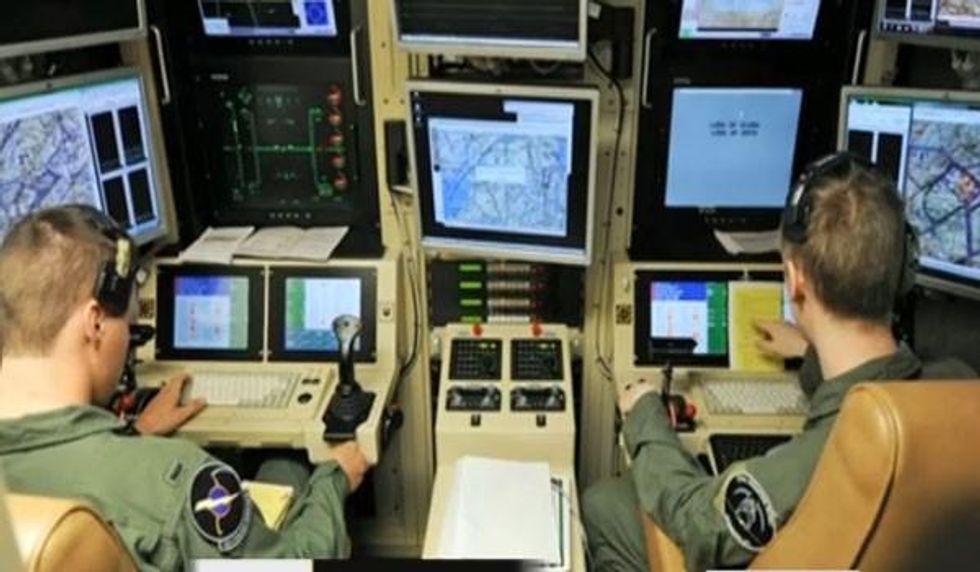
Daniel Hale helped choose targets for drone attacks. The former intelligence analyst with the Joint Special Operations Command in Afghanistan delivered a riveting talk. Hale utilized surveillance data for drone attacks. He would tell the sensor operator - who sits next to the "pilot" of the unmanned drone thousands of miles from the target - where to point the camera. This information would guide the "pilot" in dropping the bomb.
Every day, a slideshow of the most dramatic images from 9/11 and George W. Bush "looking somber" would be projected in the room in which Hale worked. On the wall in the main facility, there were television screens, each showing "a different bird [drone] in a different part of the country." Every branch of the U.S. military and foreign militaries monitored "all of Afghanistan." Hale would be assigned a mission "to go after a specific individual for nefarious activities." He fed his intelligence to a sensor operator "so they would know where to look before a kinetic strike or detention" of an individual.
On one occasion, Hale located an individual who had been involved with Improvised Explosive Devices (IEDs). The man was riding a motorcycle in the mountains early in the morning. He met up with four other people around a campfire drinking tea. Hale relayed the information that led to a drone strike, which killed all five men. Hale had no idea whether the other four men had done anything. Hale had thought he was part of an operation protecting Afghanistan. But when the other four men died - a result of "guilt by association" - Hale realized he "was no longer part of something moral or sane or rational." He had heard someone say that "terrorists are cowards" because they used IEDs. "What was different," Hale asked, "between that and the little red joy stick that pushes a button thousands of miles away"?
Members of a delegation from Yemen provided examples of the devastation drones have wrought in their communities. Faisal bin Ali Jaber is an engineer. For some time, one of his relatives had been giving public lectures criticizing drone attacks. In August 2012, family and friends were celebrating the marriage of Jaber's son. After the wedding, a drone struck Jaber's relative, killing him instantly. Jaber lost a brother-in-law who was a known opponent of Al Qaeda, and a 21-year-old nephew in the attack.
Baraa Shaiban, a human rights activist who works with REPRIEVE, revealed that 2012 was a year that saw "drones like never before" in Yemen. He described the death of a mother and daughter from a drone strike. "The daughter was holding the mother so tight, they could not be separated. They had to be buried together."
Two members of Al Qaeda were in Entesar al Qadhi's village, one of the most oil rich areas of Yemen. Villagers were negotiating with the two men. A drone killed the chief negotiator, scuttling the negotiations and leaving the village vulnerable to Al Qaeda. "The drones are for Al Qaeda, not against Al Qaeda," al Qadhi said.
Air Force Col. Morris Davis (ret.) is a professor at Howard University Law School. He was chief prosecutor at the Guantanamo military commissions until he was reassigned due to his disagreement with the government's policies. Davis had been assigned to a chain of command below Defense Department General Counsel William Haynes, who favored the use of evidence gained through waterboarding. "The guy who said waterboarding is A-okay I was not going to take orders from. I quit," Davis said at the time. At the Drone Summit, Davis related the case of Nek Muhammad, who, Davis noted, "was not a threat to us. He was killed as a favor to the Pakistani government so they would look the other way when we wanted to kill our targets."
Daniel Hale helped choose targets for drone attacks. The former intelligence analyst with the Joint Special Operations Command in Afghanistan delivered a riveting talk. Hale utilized surveillance data for drone attacks. He would tell the sensor operator - who sits next to the "pilot" of the unmanned drone thousands of miles from the target - where to point the camera. This information would guide the "pilot" in dropping the bomb.
Every day, a slideshow of the most dramatic images from 9/11 and George W. Bush "looking somber" would be projected in the room in which Hale worked. On the wall in the main facility, there were television screens, each showing "a different bird [drone] in a different part of the country." Every branch of the U.S. military and foreign militaries monitored "all of Afghanistan." Hale would be assigned a mission "to go after a specific individual for nefarious activities." He fed his intelligence to a sensor operator "so they would know where to look before a kinetic strike or detention" of an individual.
On one occasion, Hale located an individual who had been involved with Improvised Explosive Devices (IEDs). The man was riding a motorcycle in the mountains early in the morning. He met up with four other people around a campfire drinking tea. Hale relayed the information that led to a drone strike, which killed all five men. Hale had no idea whether the other four men had done anything. Hale had thought he was part of an operation protecting Afghanistan. But when the other four men died - a result of "guilt by association" - Hale realized he "was no longer part of something moral or sane or rational." He had heard someone say that "terrorists are cowards" because they used IEDs. "What was different," Hale asked, "between that and the little red joy stick that pushes a button thousands of miles away"?
Members of a delegation from Yemen provided examples of the devastation drones have wrought in their communities. Faisal bin Ali Jaber is an engineer. For some time, one of his relatives had been giving public lectures criticizing drone attacks. In August 2012, family and friends were celebrating the marriage of Jaber's son. After the wedding, a drone struck Jaber's relative, killing him instantly. Jaber lost a brother-in-law who was a known opponent of Al Qaeda, and a 21-year-old nephew in the attack.
Baraa Shaiban, a human rights activist who works with REPRIEVE, revealed that 2012 was a year that saw "drones like never before" in Yemen. He described the death of a mother and daughter from a drone strike. "The daughter was holding the mother so tight, they could not be separated. They had to be buried together."
Two members of Al Qaeda were in Entesar al Qadhi's village, one of the most oil rich areas of Yemen. Villagers were negotiating with the two men. A drone killed the chief negotiator, scuttling the negotiations and leaving the village vulnerable to Al Qaeda. "The drones are for Al Qaeda, not against Al Qaeda," al Qadhi said.
Air Force Col. Morris Davis (ret.) is a professor at Howard University Law School. He was chief prosecutor at the Guantanamo military commissions until he was reassigned due to his disagreement with the government's policies. Davis had been assigned to a chain of command below Defense Department General Counsel William Haynes, who favored the use of evidence gained through waterboarding. "The guy who said waterboarding is A-okay I was not going to take orders from. I quit," Davis said at the time. At the Drone Summit, Davis related the case of Nek Muhammad, who, Davis noted, "was not a threat to us. He was killed as a favor to the Pakistani government so they would look the other way when we wanted to kill our targets."
Daniel Hale helped choose targets for drone attacks. The former intelligence analyst with the Joint Special Operations Command in Afghanistan delivered a riveting talk. Hale utilized surveillance data for drone attacks. He would tell the sensor operator - who sits next to the "pilot" of the unmanned drone thousands of miles from the target - where to point the camera. This information would guide the "pilot" in dropping the bomb.
Every day, a slideshow of the most dramatic images from 9/11 and George W. Bush "looking somber" would be projected in the room in which Hale worked. On the wall in the main facility, there were television screens, each showing "a different bird [drone] in a different part of the country." Every branch of the U.S. military and foreign militaries monitored "all of Afghanistan." Hale would be assigned a mission "to go after a specific individual for nefarious activities." He fed his intelligence to a sensor operator "so they would know where to look before a kinetic strike or detention" of an individual.
On one occasion, Hale located an individual who had been involved with Improvised Explosive Devices (IEDs). The man was riding a motorcycle in the mountains early in the morning. He met up with four other people around a campfire drinking tea. Hale relayed the information that led to a drone strike, which killed all five men. Hale had no idea whether the other four men had done anything. Hale had thought he was part of an operation protecting Afghanistan. But when the other four men died - a result of "guilt by association" - Hale realized he "was no longer part of something moral or sane or rational." He had heard someone say that "terrorists are cowards" because they used IEDs. "What was different," Hale asked, "between that and the little red joy stick that pushes a button thousands of miles away"?