

SUBSCRIBE TO OUR FREE NEWSLETTER
Daily news & progressive opinion—funded by the people, not the corporations—delivered straight to your inbox.
5
#000000
#FFFFFF
To donate by check, phone, or other method, see our More Ways to Give page.
Daily news & progressive opinion—funded by the people, not the corporations—delivered straight to your inbox.
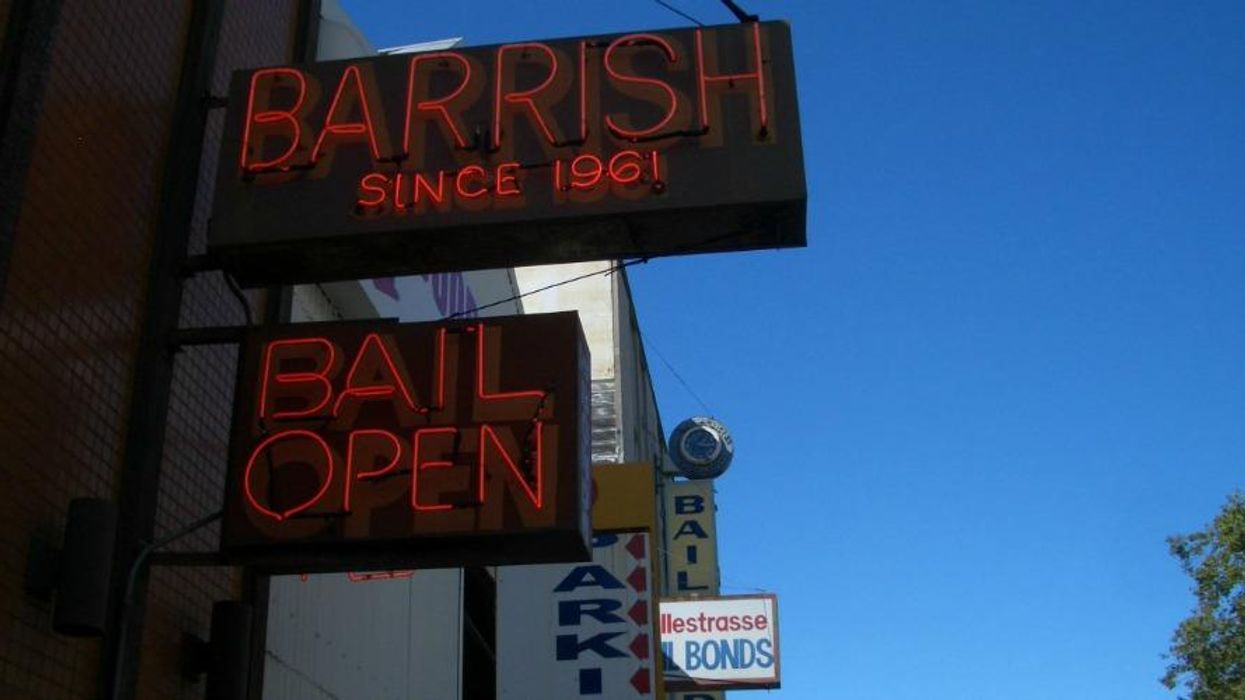
The unforgiving reality of cash bail transforms “innocent until proven guilty” into “guilty until proven wealthy.”
When I was 17, I was charged with a crime I didn’t commit.
During an argument, I was arrested and wrongfully accused of threatening someone with a firearm, which I hadn’t done. My bail was set impossibly high, far beyond what I could afford, especially as a father to a newborn son. Forced to wait for my day in court behind bars, I came to a heartbreaking realization: If I or someone in my family had been wealthy, I could have walked free. Instead, I was denied my presumption of innocence and ripped from my family because I couldn’t pay for my freedom.
The American criminal justice system, which promises equal justice under the law, punishes poverty, tears families apart, and devastates communities like mine.
We need a system where release is based on case-by-case assessments of safety, not wealth.
Sadly, my story isn’t unique. It reflects a system that routinely prioritizes wealth over justice, especially for Black Americans. As someone who personally faced the burdens of cash bail and now works to alleviate that burden for others through The Bail Project—a national nonprofit providing free bail assistance and pretrial support to thousands of low-income people every year—I firmly believe that we have two systems of justice: one for the wealthy and one for everyone else.
This system incarcerates over 60% of people arrested before trial simply because they can’t afford bail. Safety, not wealth or race, should determine who is held or released before trial. Yet, wealth often dictates freedom. Many accused face nonviolent, low-level charges and pose no risk to public safety, but the unforgiving reality of cash bail transforms “innocent until proven guilty” into “guilty until proven wealthy.”
When someone is arrested, a court can impose a cash bail amount: a sum of money required for their release before trial. If you have the funds, you’re released from jail, no matter the circumstances. If you don’t, you’re locked up. Sometimes for weeks, months, or even years.
Judges tasked with setting bail often make these critical decisions in less than five minutes, relying on limited information and implicit biases that disproportionately affect Black defendants, during hearings that rarely require evidence, and often proceed without legal counsel for the defendants. As a result, Black defendants are detained more often than white defendants facing the same charges. On average, courts impose bail amounts nearly $10,000 higher for Black individuals than their white counterparts.
This disparity has devastating consequences, especially in communities of color. Being jailed before trial makes it harder to fight your case, leading many to plead guilty, even if they’re innocent, just to get out. It risks jobs, housing, physical health, and child custody while exposing legally innocent people to unsafe and traumatizing jail conditions.
Consider Christopher, a Black Gulf War veteran who was arrested for alleged possession of a controlled substance. His bail was set at $1,000: an insurmountable sum for him. Christopher was forced to wait in jail for six weeks before his case was dismissed. During that time, he lost his job as a house painter and his PTSD worsened. All of that suffering, and it was for nothing.
Then there’s Ashley, a Black woman eight months pregnant when a scheduling error led to her arrest for a nonviolent misdemeanor. Unable to pay a $11,500 bail, Ashley spent three weeks in a filthy, overcrowded jail cell, sleeping on the floor without a mattress. She lost her job, her apartment, and was forced to sleep in her car with her newborn daughter after giving birth.
We need a system that ensures fairness and protects safety for everyone. We need a system where release is based on case-by-case assessments of safety, not wealth.
Fortunately, alternatives to cash bail exist and work. Illinois became the first state to completely eliminate cash bail in 2023, and judges now determine who needs to be detained pretrial based on risk to others, not money. This shift has kept communities safe while reducing the number of people needlessly incarcerated pretrial. Nationally, more than 30 cities have safely minimized the use of cash bail, according to research from the Brennan Center for Justice.
This Black History Month, as we reflect on how far we’ve come and how far we still have to go to achieve racial equality, let’s not overlook the urgent need for bail reform. Ending cash bail is more than public policy; it’s a moral imperative.
It’s time to put an end to cash bail and write a safer, fairer future for everyone.
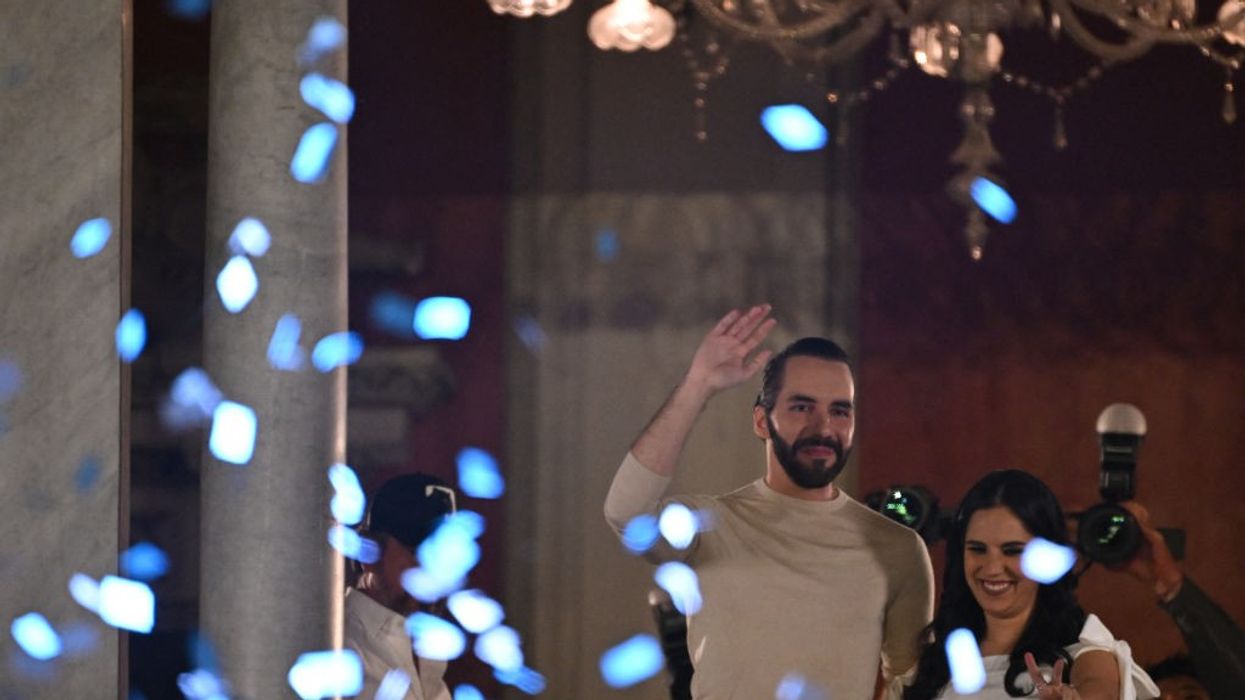
Since the Salvadorian leader began his war on gangs, easily 25,000 (and likely many more) innocent people have been arrested and held under inhumane conditions, including extreme overcrowding.
Salvadoran President Nayib Bukele had a huge (though controversial) electoral victory in February 2024. But a small, stubborn legal movement is challenging his popular, indiscriminate war against gangs.
Even as the reduction of gang violence brings relief to many Salvadorans, many low-income people see their law-abiding neighbors being swept up arbitrarily in Bukele’s war. Understandably, they fear the so-called security forces.
During a November 2024 tour in the United States, attorneys Ingrid Escobar and Óscar Rosales of Socorro Jurídico Humanitario (SJH or Humanitarian Legal Aid ) were clear: They do not oppose the legal arrest and incarceration of gang members. But they’re resisting a suspension of constitutional rights that’s proven to be capricious in practice, cruel, dangerous, and deadly.
MS-13 killed 87 people during the last weekend of March 2022. At Bukele’s direction, the Legislative Assembly implemented Article 29, resulting in an extraordinary emergency measure called a “state of exception.” With it, “the rights to freedom of association and assembly, and privacy in communications, as well as some due process protections” were temporarily suspended. “Temporarily” has become long-term.
Of the 83,000 who have been detained during Bukele’s war against gangs, SJH estimates that only 40% are actually gang members, another 30% have collaborated with gangs (often unwillingly and sometimes under threat of death), and the remaining 30% (most of them also charged with collaboration) are actually innocent of any gang affiliation at all.
The denial of the presumption of innocence and a lack of access to legal representation and family are harrowing for detainees, as well as their loved ones.
So, easily 25,000 (and likely many more) innocent people have been arrested and held under inhumane conditions, including extreme overcrowding. Some released prisoners report 150 detainees sharing a single toilet, multiple people sharing a single bed, and those who can’t access a bed sleeping on floors with excrement.
In mid-November, Bukele stated that 8,000 state-of-exception prisoners had been released. But, according to Escobar, hundreds of release orders have been ignored. Former detainee Melvin Ortiz had received 24 such orders but was only released after his case was taken to the United Nations.
SJH claims there were at least 330 deaths in detention between April 27, 2022 and the end of October 2024. About half were due to violence, 40% to medical neglect, and 10% to terminal illness. Notably, 94% of those 330 decedents did not belong to gangs.
Considering the cumulative institutional brutality, these deaths aren’t surprising. Some released prisoners report “welcome beatings” by prison guards upon incarceration, extreme malnutrition, dehydration (prisoners receive four ounces of water to drink daily), torture, and a lack of medications or medical care.
There is psychological trauma, too. The denial of the presumption of innocence and a lack of access to legal representation and family are harrowing for detainees, as well as their loved ones.
One government official told Leslie Schuld, director of Centro de Intercambio y Solidaridad: “We are throwing out nets to capture gang members and then we will release the innocent people caught in the nets.” But statistics from the past 32 months show that, once imprisoned, it’s easier to become entangled in those metaphorical nets than be released.
In practice, anyone—but it’s usually people in low-income neighborhoods—can be arrested under the state of exception. SJH reports that police and military personnel arrest arbitrarily to fulfill quotas. Allegations against persons can be made anonymously—which has proven handy for unscrupulous people with grudges, unwelcome competitors, or even romantic rivals. People are arrested for their tattoos (one young man was detained for having a rose tattoo honoring his mother, Rosa), for haircuts or clothing deemed suspicious, for having an old criminal record, or for having been deported from the United States.
“The fear we have is that we’ll be the next ones he arrests despite never having broken the law.”
Sandra Leticia Hernández fits several of these categories. After serving a sentence in Ilopango prison, she returned to Isla El Espíritu Santo where she lived with her lesbian life partner. Business competitors resented her thriving motorcycle-taxi service as well as her sexual orientation. Sandra was arrested first—and then her partner, Eidi Roxana Claros de Zaldaña, was detained when she made inquiries about her. Sandra was released eventually, while Eidi remains incarcerated.
Young Salvadorans are deeply affected by state-of-exception injustices. Human Rights Watch has observed that many children in low-income barrios are doubly traumatized: once preyed upon by gangs, they are now targeted by the police and state security forces. Over 3,000 children have been arrested; detainees as young as 12 years old can receive prison sentences of up to 10 years.
Additionally, both SJH and Columbia University’s Center for Mexico and Central America claim that, in El Salvador, “an estimated 100,000 children and adolescents had been effectively orphaned” after their parents disappeared into detention. SJH reports that many of these children lack basic necessities and some of them experience one or more of the following: depression, weight loss, eating disorders, nightmares, hyperactivity, aggressiveness, and fear and anger toward the military and police.
Finally, troublesome critics of corporations and the government—such as union members denouncing corruption, social activists, and human-rights defenders—are targeted. That includes the SJH. At a press conference, Escobar talked about the scrutiny they’re under: “These [investigatory] actions include surveillance and monitoring of our homes, workplaces, and the facilities of the Humanitarian Legal Aid. We have confirmed [this] through license plates on vehicles that are used solely for police purposes.”
But SJH isn’t deterred. In addition to providing full legal accompaniment to 100 innocent clients, SJH is rendering habeas corpus services to another 2,600. And because many of its clients were sole breadwinners, SJH provides material support to their families. So far, SJH has secured the release of 50 innocents, after taking some of their cases to international courts.
Escobar declares on her X page: “Tengo sed, sed de #Justicia.” She is thirsty for justice—but it’s risky. Elsewhere she’s acknowledged, “The fear we have is that we’ll be the next ones he arrests despite never having broken the law.”
SJH has a loud collective voice that carries far. It regularly denounces the Bukele administration’s violations of human rights in national and international settings. Surely these defenders of El Salvador’s hard-won but vulnerable democratic rights deserve our moral, political, and monetary support.
Please call senators and representatives through the U.S. Capitol switchboard at (202) 224-3121. Ask that U.S. aid for the Salvadoran armed forces be withheld until all innocents have been released and the prisons investigated independently.

As a physician delivering telemedicine-based addiction care to rural and low-income communities, the program has been the essential linchpin for creating access to lifesaving medications for opioid use disorder.
In an ironic twist, people recovering from opioid addiction recently gained permanently expanded access to telemedicine services through a new federal policy—but many are likely to be among the 22 million low-income households losing access to affordable internet.
The Federal Communications Commission recently began to wind down the Affordable Connectivity Program, the country’s largest, most successful internet affordability program. This government-sponsored benefit program, introduced during the pandemic, provides low-income Americans with a one-time subsidy to purchase an internet-capable device and monthly subsidies for broadband services.
As a physician delivering telemedicine-based addiction care to rural and low-income communities, the Affordable Connectivity Program has been the essential linchpin for creating telemedicine access to lifesaving medications for opioid use disorder.
I urge Congress to renew funding for the Affordable Connectivity Program and pursue legislative pathways to permanently expand internet access to all.
Substance use disorders are life-threatening chronic conditions, but they’re treatable. More than 70% of people with substance use disorders transition into recovery. However, early recovery is fragile. When people are ready to engage in care, low-barrier, rapid access to care is vitally important to support treatment success, especially during reentry from incarceration when the overdose risk is up to 129 times greater than community-based populations. Nearly half of people using opioids in rural areas were recently incarcerated, emphasizing the need for expanded rural access to treatment.
Yet, in-person addiction care is disproportionately limited in rural communities, requiring long drive times to access care. This is simply not an option for most of my patients, particularly those in early recovery. Most are trying to rebuild their lives while confronting significant financial debts incurred during past periods of expensive, prolonged substance use and incarceration. Stigma locks them out of high-earning positions, effectively segregating them to low-wage positions with limited opportunities for advancement and usually no access to benefits like paid time off to engage in care.
Many of us can get a leg up during hard times from family or peers. However, most patients in early recovery are at the starting line of repairing social relationships weakened by trust lost during active substance use and prolonged absence during incarceration. Often, the social supports they can access are facing similar resource-limited circumstances, with minimal ability or bandwidth to help with transportation or finances.
Every day, my patients choose what they can afford from a menu of necessities.
What will you have today?
Rarely can they cover more than one or two at a time. How could expensive, time-intensive travel to distant healthcare ever compete?
It shouldn’t have to. And thanks to the relaxation of telemedicine rules and the Affordable Connectivity Program, it hasn’t had to.
While the Affordable Connectivity Program’s $30 monthly subsidy sounds inconsequential, the true value of costs saved is much higher, as the collateral costs (e.g., transportation, lost-wages) of in-person services are avoided. With reliable access to data plans, my patients attend their medical appointments from their worksites during their lunch breaks or easily negotiate alternative breaks with their bosses, who are more willing to be flexible because work can quickly resume when patients remain on-site. This has allowed patients to consistently receive addiction treatment without incurring lost wages and transportation costs during the two-to-four-hour long process of in-person care. With their financial distress tempered, my patients have more quickly transitioned from survival mode to future planning.
The Affordable Connectivity Program also enabled internet access to key social resources that promote health and stability. My patients have taken online classes, searched and prepared for jobs, and built healthy social connections with online recovery communities, the latter particularly key for rural patients with limited in-person social options.
Funding for the Affordable Connectivity Program is projected to run out in April unless Congress acts quickly to renew funding. Amidst the Affordable Connectivity Program’s wind down, my team has begun switching patients to the remaining alternative telecommunication benefits for low-income households, like the Lifeline program. However, this inferior program provides only $9.95 monthly toward internet service—insufficient to cover the entire cost of a plan—and limited options of qualifying service providers. For my patients battling homelessness living in tents, cars, and motel room rentals while working tireless hours to survive and endeavor toward stable thriving, a $20 increase in monthly expenses is insurmountable.
The communities with significantly limited internet access—rural, low-income, Black—are also disproportionately impacted by the opioid crisis and low access to in-person treatment. Their precarious internet access falsely positions the internet as a luxury, rather than an essential resource for healthcare, education, employment, transportation, and social belonging. Internet access is a health equity issue.
I urge Congress to renew funding for the Affordable Connectivity Program and pursue legislative pathways to permanently expand internet access to all. Without swift action, I fear that losing the Affordable Connectivity Program will lead to more lives lost to treatable substance use disorders.
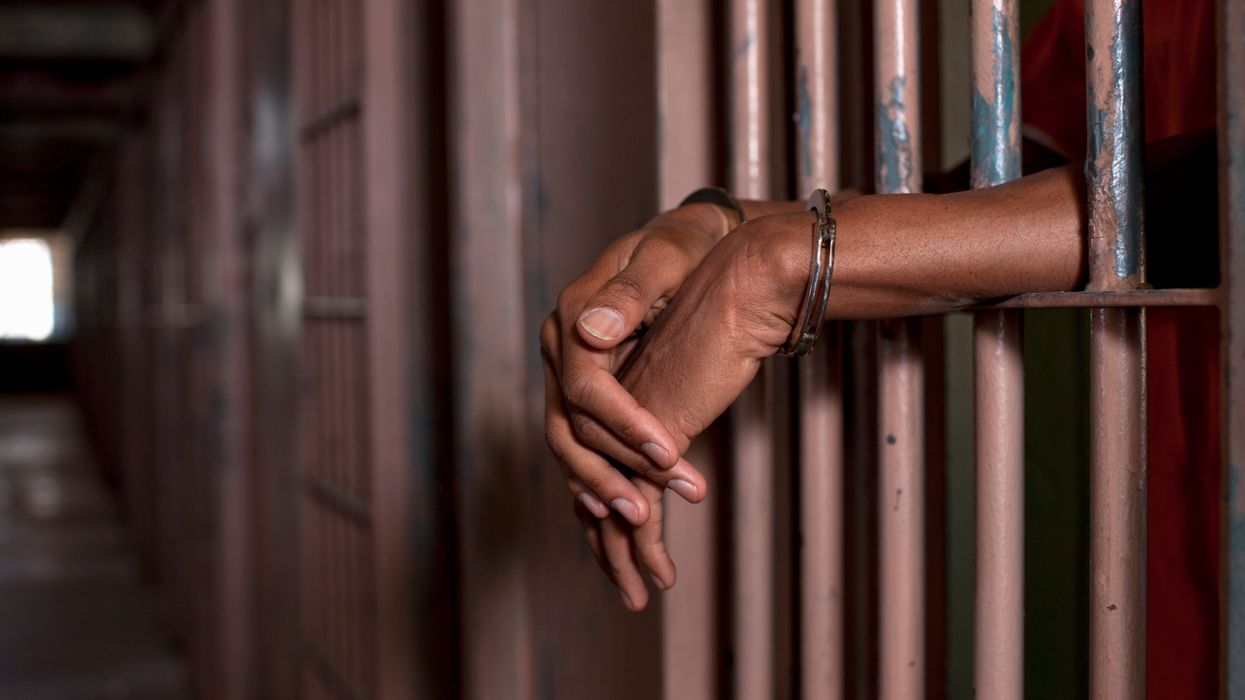
State and federal government entities are not equipped or prepared to protect the 1.9 million people in our nation’s jails, prisons, and detention facilities during more frequent and severe weather disasters.
In February, California faced a “monster storm.” This storm was the second atmospheric river storm to hit the state within a week, leaving nine confirmed dead in its wake. While this storm was record breaking, California saw similar weather patterns and severe flooding last year, and we can only expect these occurrences to continue and increase in intensity as climate change fuels a rise in extreme weather events.
In 2023, a series of storms created Tulare Lake in a previously dry basin near Corcoran, California. Protected only by a levee in need of repairs, the highest concentration of incarcerated people in the state were left at risk of flooding. Last spring, flooding caused by storms affected visitors’ access to the Substance Abuse Treatment Facility and State Prison at Corcoran and forced the California Department of Corrections and Rehabilitation to stop accepting transfers.
Despite no news yet on the effects of California’s most recent storm on people in carceral facilities, it is only a matter of time before these stories come to light. California’s disaster response plans fail to account for its incarcerated population. Over and over again across the country, weather-related disasters have threatened the lives and well-being of people behind bars. Still, this problem remains unmitigated—state and federal government entities are not equipped or prepared to protect the 1.9 million people in our nation’s jails, prisons, and detention facilities during these disasters.
As medical professionals, we implore lawmakers and prison administrators to take proactive measures to prevent the health risks of freezing winters and scorching summers from becoming recurring nightmares in the years ahead.
These extreme weather incidents extend beyond just flooding in California. During the 2023 summer of record-breaking heat, states and the federal government put hundreds of thousands of lives at risk by confining people to carceral facilities that lack universal air conditioning and air filtration equipment—we saw extreme heatwaves and raging wildfires in Canada cause widespread panic and lethal ramifications for people behind bars, including reports of at least 41 heat-related deaths in the Texas summer alone. Over 30% of California’s wildland firefighting crews are made up of incarcerated people, putting them directly in harm’s way. Increasing frigid winter temperatures have also caused suffering and death in facilities ill-equipped with adequate heating systems. During the brutal winter storm Uri of 2021, people incarcerated in Texas prisons faced freezing temperatures and power blackouts, described by one person as “being in a meat locker.”
Correctional facilities are often situated in geographically vulnerable areas, susceptible to a gamut of natural disasters, from floods and hurricanes to blizzards and wildfires. And incarcerated people, devoid of the agency to evacuate, are left unprotected. The impacts of the catastrophic Hurricane Katrina in 2005 serve as a stark reminder of these consequences. Major flooding left prisons under water and without food and water for days due to a lack of coordination to plan and evacuate facilities, highlighting the critical need for including prisons in emergency preparedness planning. Yet almost two decades later, states still rarely incorporate jails and prisons into their emergency disaster response plans, rendering incarcerated individuals an afterthought even under emergency evacuation orders. They are often left stranded in dire circumstances, used as free labor, and denied access to critical medical treatment for weeks, if not months, during these emergency events.
As medical professionals, we implore lawmakers and prison administrators to take proactive measures to prevent the health risks of freezing winters and scorching summers from becoming recurring nightmares in the years ahead. We call upon them to develop comprehensive strategies for the threat of extreme weather, such as creating evacuation plans and implementing temperature reporting and standards for indoor temperatures—planning ahead for the weather extremes that will certainly occur can save lives.
With predictions of increasingly frequent and severe temperatures and natural disasters on the horizon, safeguarding one of society’s most vulnerable and rapidly-aging populations must be a paramount concern.
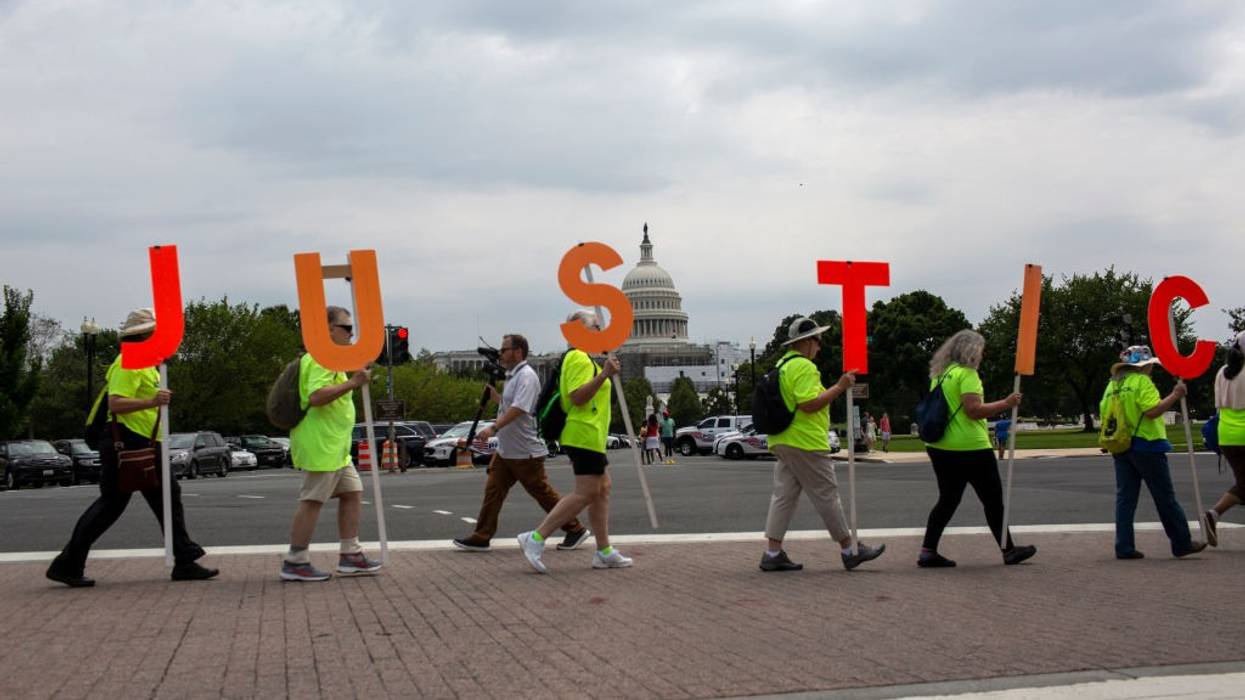
Those looking for fairness in the criminal justice system may wish to see Trump treated like an ordinary criminal defendant. But instead, what if everyone else accused of a crime were treated more like Trump?
Former President Donald Trump often complains that he is being treated unfairly by the prosecutors charging him with crimes.
Trump is now the subject of three federal and state criminal cases—and it is true that he is being treated unlike other criminal defendants.
The prosecutors are treating Trump a lot better than the average criminal defendant.
Most criminal defendants are just arrested and taken to jail, where they may sit for months or even years while they await trial, unless they plead guilty.
We are law scholars who have defended clients in criminal and civil cases, and we wish that our clients received the advantages that prosecutors are giving Trump.
Trump’s unique treatment began before he was even charged with any crime. First, he had ample warning of the investigations because he got letters from the Justice Department saying he was a target of each investigation. These letters were sent to Trump a few weeks before his two federal indictments in June and July 2023.
Especially in white-collar cases, criminal defendants sometimes receive target letters that warn them of an impending indictment and sometimes give them the chance to testify.
But target letters generally lack detail and are far from the norm across all criminal cases. Target letters are not legally required. The Justice Department spells out various reasons why its prosecutors do not need to send them, including risks of a defendant destroying evidence or endangering witnesses.
After Trump was charged with crimes in each of his three pending cases, his lawyers negotiated dates when he could submit to authorities for processing.
And after Trump’s brief arraignments in court, judges found he was not a flight risk and released him.
Most criminal defendants are just arrested and taken to jail, where they may sit for months or even years while they await trial, unless they plead guilty. Three-quarters of federal criminal defendants are locked up to await trial.
Defendants in courts across the country plead guilty to crimes even if they are innocent, in part because pleading guilty gets them home sooner.
It is hard for detained defendants to recover lost wages and from the humiliation they experience while in jail, even if they defy the odds and later win their case.
Pretrial detention has also been shown to result in a higher chance of being convicted and receiving longer sentences.
Indeed, defendants in courts across the country plead guilty to crimes even if they are innocent, in part because pleading guilty gets them home sooner. For some defendants, the pretrial detention is longer than their actual punishment will be, so pleading guilty resolves the case with credit for time served. But the stain of a conviction stays on their record forever.
Because Trump is not sitting in jail, he is well positioned to ask that his trials be postponed far longer than would an ordinary criminal case. Federal law generally requires “speedy” trials, which are considered a right to protect defendants.
Trump got a lengthy delay, though it’s not as long as his legal team requested. Trump asked that his classified documents trial be held after the November 2024 election, but his trial is scheduled to begin in May 2024. Federal prosecutors pushed for a December 2023 start date. These kinds of compromise decisions are common in legal decisions like deciding court dates.
This timing gives Trump’s lawyers nearly a year to prepare arguments in his favor. They can easily meet with their client to do so, something that would be difficult if Trump were incarcerated.
Most criminal defendants face a very different experience.
For example, after federal prosecutors charged Air Force reservist Jack Teixeira in June 2023 for revealing classified information, he asked for provisions similar to those that judges made for Trump.
He argued that he, too, should be released to await trial. Teixeira did not have Trump’s wealth and easy ability to flee.
Nonetheless, the court determined that Teixeira poses a national security threat and must remain in jail. The case is still pending.
Other criminal defendants spend years in jail before pleading guilty or perhaps going to trial.
The differences do not stop there.
Prosecutors in all three of Trump’s cases have explained, in great detail, the allegations against him.
The classified documents indictment recounted several text message conversations between Trump aides and transcribed a conversation in which Trump disclosed the contents of classified documents and acknowledged their classified status.
Prosecutors often withhold documents until the eve of trial or wait until after key witnesses have testified, all of which is legal.
The indictment regarding Trump’s alleged plot to overturn the 2020 election results was 45 pages long and included a play-by-play description of his plan.
Early in the documents case, federal prosecutors publicly disclosed key information about their investigation that could have helped Trump’s legal defense.
In contrast, criminal defendants typically do not know the precise allegations facing them this early in a case.
Prosecutors often withhold documents until the eve of trial or wait until after key witnesses have testified, all of which is legal. In some cases, they fail to disclose the information.
Prosecutors’ decision to treat Trump differently from other criminal defendants could serve a few purposes.
The Justice Department is prosecuting a former president. That puts the department in a delicate, high-profile position, where it has the “Herculean task of putting an ethical rope through a needle,” as one former federal prosecutor has said.
So, prosecutors’ detailed indictments help inform the public about the breadth and depth of the allegations made against Trump.
Their approach could add legitimacy to the prosecution’s and the Justice Department’s goal of maintaining accountability and independence while countering Trump’s perception that the cases are “a witch hunt” and rooted only in politics.
Those looking for fairness in the criminal justice system may wish to see Trump treated like an ordinary criminal defendant. But instead, what if everyone else accused of a crime were treated more like Trump?
In that world, perhaps most importantly, pretrial detention would be used quite sparingly and would not provide leverage to coerce guilty pleas. People who are charged with a crime have not been proven guilty, and pretrial detention inflicts serious harm on defendants, their cases and their loved ones.
Prosecutors would tell defendants from the earliest stage of the case the detailed allegations against them so that defendants can prepare a meaningful defense.
The U.S. legal system aims at the truth, and robust procedures serve that goal.
In our view, the more thorough the judicial process is, the more confident people can be that it reaches the right outcome—whether the case regards Trump or not. Looking at Trump’s special treatment offers a good place to start in thinking about how the criminal legal system should treat all people accused of a crime.
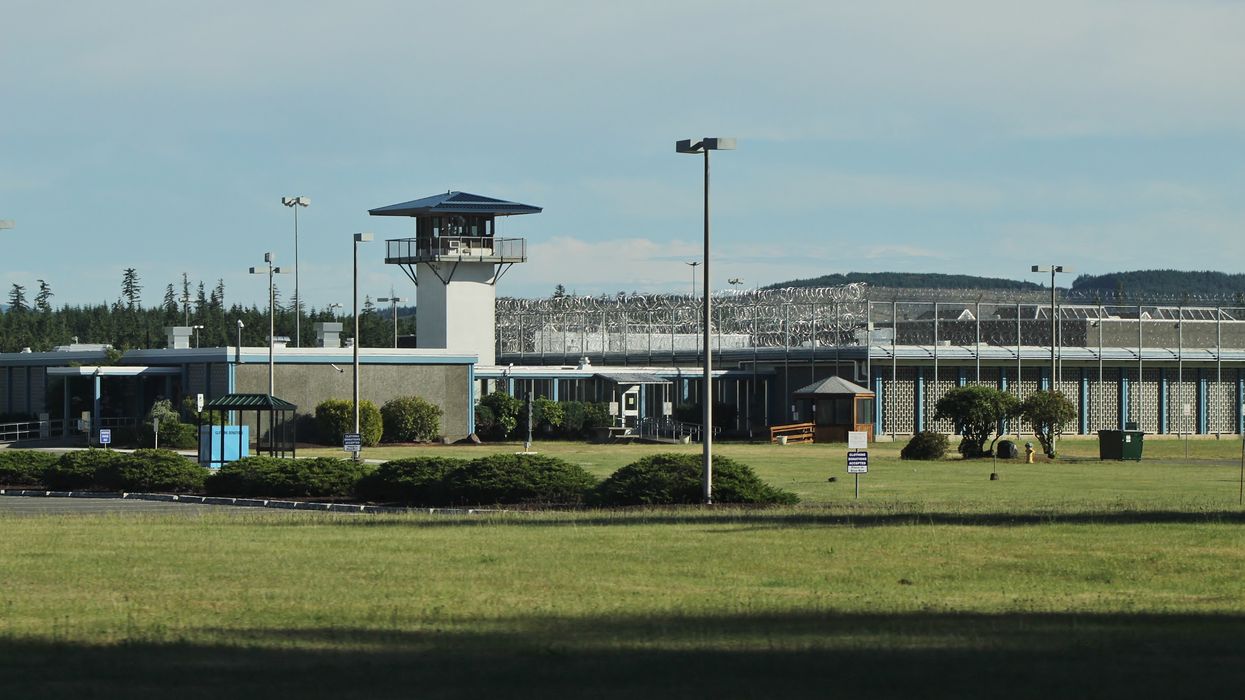
Joining the Black Prisoners Caucus helped me find direction and the opportunity to support my community while serving a life-without-parole sentence.
To survive in prison, inmates usually accept a “convict code” that demands toughness and makes us wary of others.
To thrive in prison, I learned to embrace organizing for social change and discovered the rewards in thinking of others first. Contributing to a collective has helped me find deeper purpose in my life, even while serving a sentence of life without the possibility of parole.
Like most transformations in our lives, this didn’t happen overnight.
My introduction to organizing was the Black Prisoners Caucus, or BPC, at Clallam Bay Corrections Center in Washington state. BPC is organized for many purposes, including legislative, religious, literary, educational, charitable, and cultural events through the use of workshops, seminars, celebrations, banquets, films or videos, and speakers in conjunction with other civic community-based organizations, churches, and foundations.
As I wrapped up my gripe session, he stopped, placed his hand on my shoulder, looked me dead in my eyes, and asked this simple question: “Do you want to spend the rest of your life in here pleasing other people or do you want to get out of prison?”
In 2012, while only a few years into my sentence, I was at a pivotal point in my life. I was drawn to gang activity and old patterns of behavior, but I also wanted to get past the destructive aspects of that convict code that seemed necessary to navigating prison life. I was young, impressionable, and confused, and then I had a conversation that changed my life forever.
I was walking around the track with the president of the BPC, explaining to him this crossroads I faced. As I wrapped up my gripe session, he stopped, placed his hand on my shoulder, looked me dead in my eyes, and asked this simple question: “Do you want to spend the rest of your life in here pleasing other people or do you want to get out of prison?” (Despite my life-without-parole sentence, clemency is still possible).
That seemed like a no-brainer, but I had to think long and hard about what it meant for my daily life.
It wasn’t immediate or easy, but I started the process of separating myself from gang life and began immersing myself in organizing. For the first time in my life, I had found a place where I felt I truly belonged, that gave me purpose, focused on goals greater than myself. As I let go of those negative beliefs and destructive behaviors that can seem to be an unavoidable prison reality, I grew as an organizer, and I learned some important lessons along the way.
One thing I noticed quickly is that those with natural charisma are usually given more opportunities and groomed for leadership positions. I wasn’t the most charismatic, but I was consistent and showed up ready to do whatever needed to be done. I did a lot of work during those beginning stages in my organizing, but was never noticed or acknowledged when a leadership position became available. I found myself having to scratch and claw my way into being involved.
From that experience, I learned a different form of leadership, focused on team building and investing in the uniqueness of each individual. I saw that focusing on one charismatic person and pushing that individual forward can achieve results in the short term. But as that individual receives praise and adulation, the collective is almost always left behind.
When I began organizing with the Black Prisoners Caucus, I didn’t really understand its purpose, but I hung in. With time, I began to understand why it was so important for Black men who are incarcerated.
When the BPC was created in 1972, the African American prison population did not have a space to express and explore their culture. Henry Grisby, one of the group’s founding members, told me, “Everyone had a group or a club except for us, and because of the racial prison politics that existed during that time, we were not allowed to participate in anyone else’s groups simply because we were Black. So, we created our own thing.”
The BPC immediately provided that missing space to collectively organize and fight for the things that Black people needed but would never have unless they fought for it.
Now 50 years later, a Black Prisoners Caucus exists in almost every prison in Washington state, including the women’s facilities. Watching Black men from different gangs and geographical locations work together instead of fighting each other has been a powerful experience. It has shown me that if this work can be done in prison, it could be done in our communities.
No group can function without community support, but a consistently high level of commitment isn’t guaranteed. For a long time, I fell into the trap of complaining when membership participation dropped.
At the height of the BPC’s growth at Clallam Bay, it seemed that every Black man, young and old, came to programs and filled whatever space we were in. But when it was time to work, there might be only a handful of us who showed up. Those empty seats would drive me nuts, and I brought it up in a lot of organizing meetings. Finally, someone said to me, in front of the whole group, that I should “focus on the seats that are filled and not the ones that are empty.”
As I have grown more in the organization, I understand that when it’s time to do work there will always be a few dedicated people willing to roll up their sleeves and get it done, and in those moments we need to focus on what we have and not on the things we don’t. If we would like to see things move in a particular direction, we have to keep at it and believe in the process.
Organizing has changed me as a man in many ways, but one of the most important things I have learned is the value of service in creating a meaningful life. At first, I focused too much on what I could receive personally for being a part of the BPC. I found myself thinking about the things I was missing (such as spending time in the yards, gyms, and dayroom) while working on BPC projects.
During events, I often felt like I didn’t have much to offer and was insecure about my place within the organization. But if I was asked to speak, pass out programs, or set up the room, I did it. I now realize that what at the time felt like sacrifices were not really sacrifices at all. I gave up time that could have been spent on personal interests and took on jobs that sometimes felt uncomfortable, but eventually I saw that my contributions—combined with those of many others—had positive effects on the community.
In 2017, I learned I would be transferred to the Washington Corrections Center in Shelton. During my final BPC meeting at Clallam Bay, I took one last look around the room at the faces I had grown so accustomed to seeing and realized that I likely would never again see the men who had the most impact on my life. As I began saying my final goodbyes, tears started falling, and I broke down crying in front of everyone. Despite being in an environment that encourages prisoners to exploit others’ weakness, no one ridiculed me for crying. Instead, I received love. When I left, the men of that community wrapped their arms around me, just as they had done when they accepted me.
When I got to prison at the age of 22—carrying that life without parole sentence—I thought I had nothing to look forward to. Being a member of the Black Prisoners Caucus saved my life, metaphorically and perhaps literally. The BPC provided me with the opportunity to serve my community in ways I never knew possible. That circle of life had taken in a young man with no hope or sense of direction and created a man I can look at in the mirror and be proud of.
Good work happens when we all show up and find ways to become involved.
Today, I don’t show up trying to figure out what I can receive from the collective. Instead, I try to figure out what I can give. I came to the Washington Corrections Center as a man who was determined and focused, someone who understood his value to the collective.
What I’ve learned: You don’t have to be the most articulate speaker or writer, or have the best ideas to be effective in organizing. You don’t have to have the loudest voice, be the most charismatic, or push to the front to lead the charge. Good work happens when we all show up and find ways to become involved. We learn about our value to the collective by showing up and doing the work.
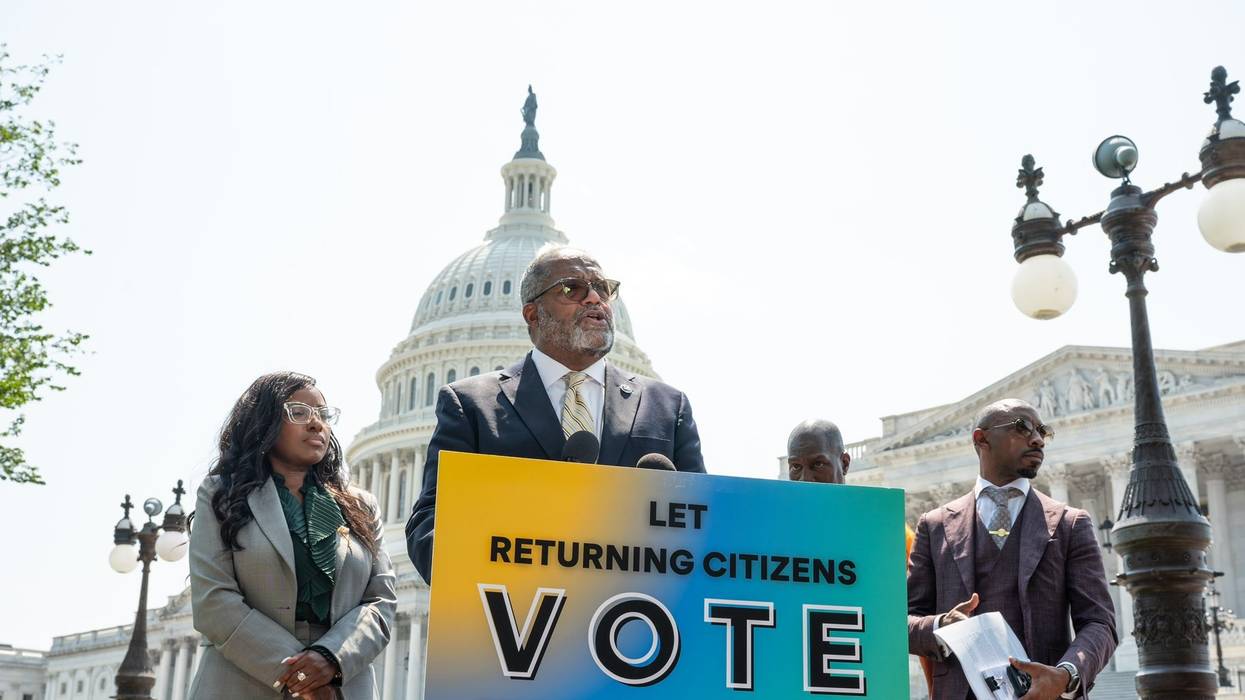
"After 50 years of mass incarceration in America—and 50 years of stripping voting rights from justice-impacted individuals—it's time for a better path forward," said one advocate.
Voting rights and criminal justice reform advocates on Thursday applauded U.S. House Democrats for reintroducing legislation to end the disenfranchisement of 3.5 million people who are barred from voting in federal elections due to their past prison sentences—part of what Rep. Valerie Foushee, a co-sponsor of the bill, called the country's "long history of weaponizing incarceration status."
Foushee (D-N.C.) was one of six Democrats to introduce the Democracy Restoration Act, led by Rep. Jasmine Crockett (D-Texas.).
The bill would end the denial of federal voting rights to people who have been incarcerated for felony convictions and would provide outreach to people with past convictions about their newly restored right to participate in elections, eliminating what the Sentencing Project called "the complicated patchwork of state laws that creates a lack of uniform standards for voting in federal elections, exacerbates racial disparities in access to the ballot box, and contributes to confusion and misinformation regarding voting rights."
Twenty-four states plus the District of Columbia and Puerto Rico currently allow formerly incarcerated people to vote in state and local elections, but they cannot participate in federal elections. People on felony probation or parole cannot vote in 25 states, and in 11 states a conviction can lead to lifetime disenfranchisement.
"There's no justification for denying people who have paid their dues a voice in our democracy," said co-sponsor Rep. Troy Carter (D-La.), who spoke at a press conference on the bill on Thursday.
Reps. Jamie Raskin (D-Md.), Maxwell Frost (D-Fla.), and Greg Casar (D-Texas) are also co-sponsors of the House bill, while Sen. Ben Cardin (D-Md.) introduced the legislation in the Senate in May.
"It's in our values to say that a second chance is part of America," said Cardin at the press conference.
Recent polling from Stand Up America, the Sentencing Project, and other groups has shown that a majority of Americans believe the right to vote should be extended to all Americans regardless of past incarceration—a move that Nicole D. Porter of the Sentencing Project noted would end the United States' status as "an international outlier."
"After 50 years of mass incarceration in America—and 50 years of stripping voting rights from justice-impacted individuals—it's time for a better path forward," said Porter, senior director of advocacy for the group. "By empowering justice-impacted people with the right to vote, we strengthen the principles of fairness and equality in our democracy. That's why The Sentencing Project will continue to support legislative efforts that protect and expand the right to vote for all people impacted by the criminal legal system, including those currently in prison."
A policy brief by the Sentencing Project earlier this year explained how enfranchising formerly incarcerated people is a public safety measure, helping to reduce recidivism, as well as a way to advance criminal justice reform.
"Voting is among a range of prosocial behaviors in which justice-impacted persons can partake, like getting a college education, that is associated with reduced criminal conduct," the April report read. "Among Americans with a history of criminal legal system involvement, having the right to vote or the act of voting is related to reduced recidivism. The re-entry process after incarceration improves because restoring voting rights gives citizens the sense that their voice can be heard in the political process, and contributes to building an individual's positive identity as a community member."
Stand Up America founder and president Sean Eldridge said the bill is a step away from "a racist relic of the Jim Crow era."
"By introducing legislation to restore voting rights, Democrats in Congress are taking an important step toward acknowledging the injustice of these laws and building momentum to rectify them," said Eldridge. "Americans returning to their communities should have a say in who represents them in government and the policies that affect their lives—from the quality of their kids' education to access to parks and clean water—just like everyone else."
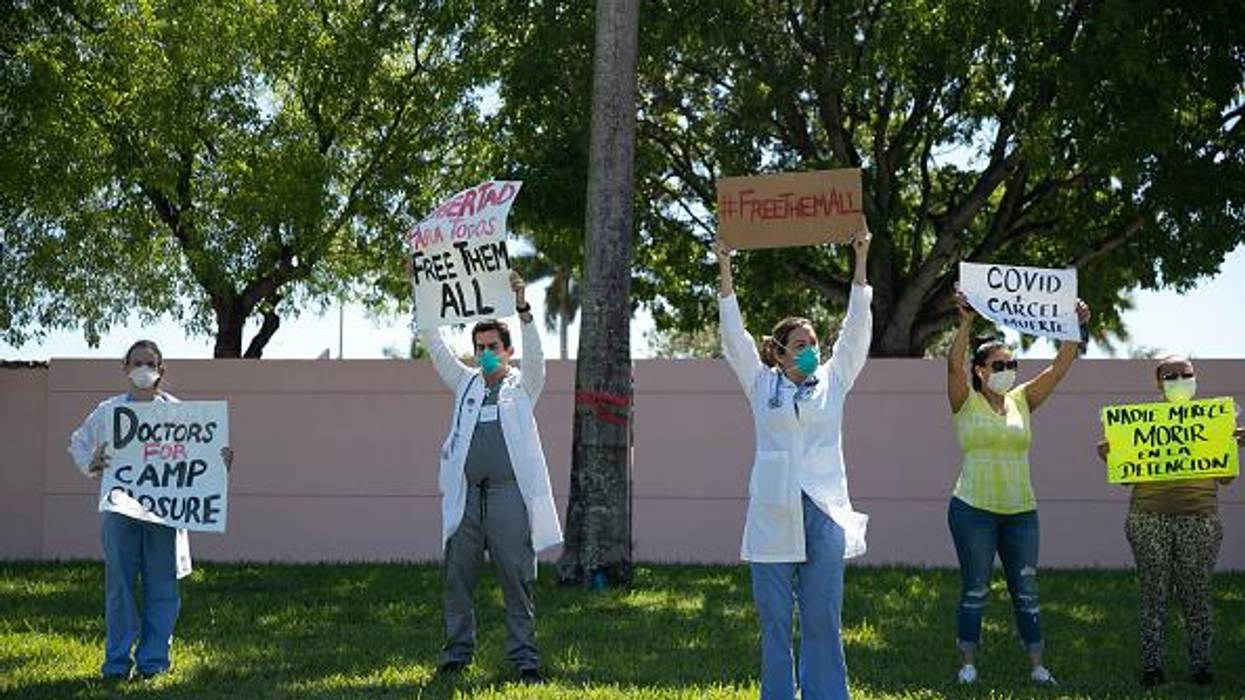
The American Friends Service Committee and several other groups have planned several consecutive days of actions beginning Tuesday, during which opponents of mass incarceration will mobilize in communities across the U.S. to demand people be released from prisons, jails, and immigration and juvenile detention centers.
As "a Quaker organization with more than a century of experience working to end militarism and violence," the AFSC is opposed to "punitive approaches" to public safety, which it considers "dehumanizing and harmful," and at odds with its goal of moving "toward a more peaceful world."
In a statement, the AFSC explained its preference for pursuing policies that "actually work to interrupt and prevent cycles of violence, end harm, and provide access to tools to ensure everyone's well-being," noting the organization's desire to see resources shifted away from "incarceration in all forms" and toward "institutions our communities most need... to thrive"
According to the AFSC, the U.S. carceral system is an unjust institution that violates the dignity and rights of 2.3 million people, disproportionately poor people and people of color, who are imprisoned with inadequate access to healthcare and other resources. Furthermore, despite having the highest incarceration rate in the world, the U.S. continues to experience "incredibly high rates of gun violence and sexual assault," meaning that "warehousing" millions of people is an ineffective crime deterrent that does "little to stop harm or help survivors of violence and communities heal."
"If incarceration stopped violence, the U.S. would be the safest country in the world," said Lewis Webb, coordinator of the AFSC's Healing Justice program. "Instead, we have 2.3 million people in cages while our communities lack access to quality healthcare, education, employment, addiction, and mental health services, and an approach to justice that actually addresses the root causes of violence. We believe another approach isn't only possible, but absolutely necessary for the well-being of our communities."
Kristin Kumpf, AFSC's director of human migration and mobility, explained that "thousands of people are in immigration detention--including people who recently came to the U.S. seeking asylum and those who have lived here with their families for years before getting caught up in the Trump administration's cruel immigration policies." She added, "We are calling on Immigration and Customs Enforcement (ICE) and Customs and Border Protection (CBP) to immediately release everyone in their custody."
While the AFSC seeks to shrink the carceral system and transform public safety in general, it made the case that the coronavirus pandemic renders imprisonment particularly deadly and strengthens the impetus for change. To date, there have been more than 176,000 positive cases among incarcerated people as well as staff--and at least 1,000 people have died, according to a statement shared by the organization.
The group explained that "both infection rates and death rates are much higher" inside carceral facilities, where "the nature of confinement makes it almost impossible for people to practice social distancing, and inadequate healthcare and limited sanitation supplies help Covid-19 spread"--conditions that Common Dreams reported on last week.
In a video urging viewers to join the call to #FreeThemAll, the AFSC described how the pandemic multiplies the dangers of incarceration, "making every sentence a potential death sentence" and "turning every cell and cage into a potential death chamber."
For all of these reasons, the AFSC and over a dozen partner organizations are asking people to safely participate in the national days of action that kick off Tuesday evening to demand local, state, and federal leaders:
The AFSC noted that those unable to attend an event in-person can still take action online if they choose by telling their governor, ICE, and the Bureau of Prisons to protect people in prisons, jails, and detention centers from Covid-19 by releasing as many incarcerated people as possible.
The events coincide with the 49th anniversary of the Attica uprising, when more than 2,000 people incarcerated in upstate New York occupied the prison yard to demand access to education, medical care, wages, and more.
A list of actions by state can be found here.
From policing to sentencing to incarceration, LGBTQ people--especially those who are poor, black, and brown--are systematically targeted and then, once locked up, subjected to "constant violence by both prison staff and other prisoners," a harrowing new study reveals.
Coming Out of Concrete Closets, released Friday by the LGBTQ prison abolition organization Black and Pink, is based on 1,118 prisoners' handwritten responses to a 133-question survey designed with the participation of incarcerated people. Researchers say the findings of the study, the largest-ever survey of this population, indict the U.S. prison system as a whole.
"The prison industrial complex is a tool of racial control to marginalize and contain people of color," Rev. Jason Lydon, national director of Black and Pink and lead author of the report, told Common Dreams. "It is also a tool of homophobia and transphobia."
A stunning 85 percent of respondents reported spending time in solitary confinement at some point, with half reporting two or more years there. Black, Latino, mixed-race, and Native American respondents were two times as likely to have been in solitary confinement than white respondents. Prisons often employ euphemisms such as "protective custody" to justify such policies.
However, the targeting starts long before--in the streets. Nearly a fifth of respondents reported being homeless before being locked up and over a third said they were unemployed. Fifty-eight percent of respondents said they were arrested when they were younger than 18 years old, and that ratio jumped to 66 percent among Black and Latino populations.
Once in the court system, LGBTQ people report high levels of inequitable treatment, with over half of transgender women and nonbinary-gendered people saying they faced discrimination from their defense attorneys. Half of Native American respondents and more than 40 percent of Latino and mixed-race respondents reported race- or ethnicity-based discrimination from their lawyers.
In prison, respondents were more than six times more likely to be assaulted than the general population. "Prisoners are over three times more likely to have committed sexual assaults on LGBTQ prisoners than prison staff," the report states. "However, of those who report having been sexually assaulted by a prisoner, 76% also report that prison staff intentionally placed them in situations where they would be at high risk of sexual assault from another prisoner."
"I was placed in solitary after being raped," said one unnamed respondent, and "only released after it drove me to a suicide attempt."
"I was raped BADLY cuz Trans, scared of being hurt cuz of how feminine I am and I was 18 years old," said another.
"As someone who took this survey on the inside, and as someone who has been through sexual assault, this report is very, very important," Ashley Diamond, recently paroled in Georgia, told Common Dreams. Diamond, who is transgender, attracted national media attention when she sued the state of Georgia last month for placing her in a men's prison and subjecting her to abuse.
LGBTQ prisoners also reported denial of access to healthcare, with 44 percent of transgender, nonbinary gender, and Two-Spirit respondents saying they were denied the hormone therapy they requested.
The report urges a litany of reforms to immediately reduce harm, including holding prison staff accountable and facilitating the release of prisoners at their first parole eligibility date. Ultimately, it calls for a reimagining of justice: "Rather than respond to social problems by simply locking people up, new practices for accountability must be instituted that do not rely on incarceration or carceral practices."
A young man who spent three years in Rikers Island prison without trial--almost two of them in solitary confinement--after being arrested at age 16 for allegedly stealing a backpack committed suicide Saturday at age 22.
Kalief Browder's case, brought to light by New Yorker journalist Jennifer Gonnerman in an October 2014 profile, helped raise awareness about New York City's dysfunctional criminal justice system. Browder claimed to have endured beatings by guards as well as other inmates--allegations supported by surveillance footage that emerged earlier this year. While in prison, he attempted suicide multiple times before prosecutors ultimately dropped the charges against him in May 2013.
"He wanted the public to know what he had gone through so that nobody else would have to endure the same ordeals," Gonnerman wrote on Sunday of Browder's desire to share his tragic story with the world. "His willingness to tell his story publicly--and his ability to recount it with great insight--ultimately helped persuade Mayor Bill de Blasio to try to reform the city's court system and end the sort of excessive delays that kept him in jail for so long."
But even as his revelations led to changes at the institutional and citywide level, Browder continued to grapple with personal trauma.
"People tell me because I have this case against the city, I'm all right," he told the New Yorker last year. "But I'm not all right. I'm messed up. I know that I might see some money from this case, but that's not going to help me mentally. I'm mentally scarred right now. That's how I feel. Because there are certain things that changed about me, and they might not go back."
As Browder's attorney Paul Prestia said in a phone interview with the LA Times on Sunday evening: "I think what caused the suicide was his incarceration and those hundreds and hundreds of nights in solitary confinement, where there were mice crawling up his sheets in that little cell. Being starved, and not being taken to the shower for two weeks at a time...those were direct contributing factors....That was the pain and sadness that he had to deal with every day, and I think it was too much for him."
Blogger Shaun King, writing at Daily Kos, was even blunter: "The state of New York is responsible for this young man's death," King wrote. "Officials [at Rikers] ruined this boy's life. Hardly old enough to drive when they locked him up, they destroyed his soul in that prison."
In The Atlantic, Ta-Nehesi Coates agreed that Browder's story is one of systemic cruelty and racism.
"The numbers which people like me bring forth to convey the problems of our justice system are decent tools," Coates wrote on Monday. "But what the numbers can't convey is what the justice system does to the individual black body."
He continued: "Kalief Browder was an individual, which is to say he was a being with his own passions, his own particular joys, his own strange demons, his own flaws, his own eyes, his own mouth, his own original hands. His family had their own particular stories of him. His friends must remember him in their own original way. The senseless destruction of this individual must necessarily be laid at the feet of the citizens of New York, because our servants did it, and it was done in our name."