
SUBSCRIBE TO OUR FREE NEWSLETTER
Daily news & progressive opinion—funded by the people, not the corporations—delivered straight to your inbox.
5
#000000
#FFFFFF
To donate by check, phone, or other method, see our More Ways to Give page.


Daily news & progressive opinion—funded by the people, not the corporations—delivered straight to your inbox.
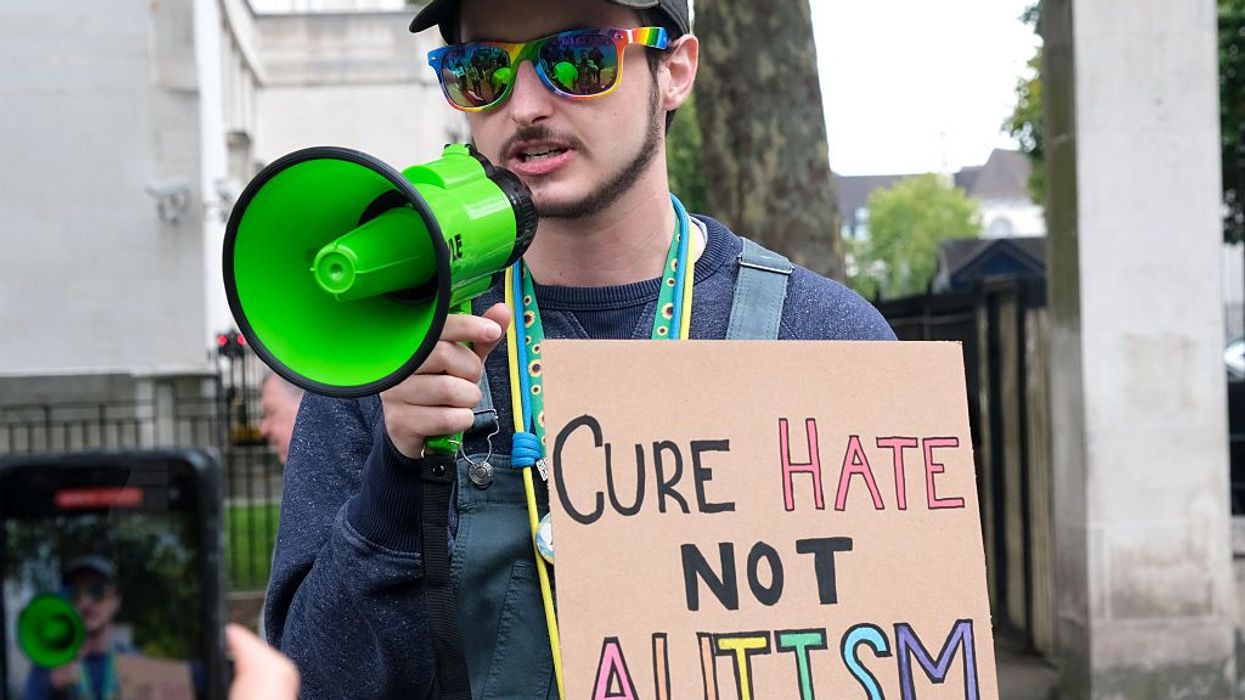
My situation is emblematic of a broader problem faced by Autistic people: There is so much public misunderstanding of our condition and, in spite of some progress, nowhere near enough ways for us to advocate for ourselves.
Recently there has been highly welcome indignation and pushback against the quackish treatments and attitude of stigmatization advocated by President Donald Trump against Autistic people during his infamous September 22 press conference. Some of the most forceful criticisms have been made by Autistic individuals and Autistic-led organizations. It has also been satisfying to see a major political figure like Illinois’s Democratic Gov. JB Pritzker offer enlightened rhetoric on the subject. In an executive order in May designed to protect Illinois’s Autistic persons’ privacy from Health and Human Services Secretary Robert F. Kennedy Jr.’s proposal to create a nationwide registry of Autistic persons, Pritzker stressed that “autism is a neurological difference–not a disease or an epidemic.”
In recent years activists and writers like Eric Garcia Jr., Temple Grandin, and the late Steve Silberman have pushed back against the stigmas attached to Autism by Trump and RFK Jr.: that Autistic people represent a diseased, anti-social segment of the population that are in need of a “cure” for their condition. Silberman’s best selling 2015 book NeuroTribes was a particularly notable contribution to the public discourse, describing Autism not as a mental illness but a normal and healthy variation of human neurological development. Writers like Silberman have stressed that Autistic people have the potential to use their unique intellectual and emotional gifts to make valuable contributions to the broader society—if that society is willing and able to offer accommodations to allow Autistic people to thrive.
Unfortunately, while the relatively enlightened approach toward Autism outlined above has made some progress in positively impacting public understanding, that progress has also been relatively limited. That limitation is illustrated perfectly by the Trump administration’s focus on finding a “cure” and other aspects of its harmful, reactionary approach to Autism. The Trump administration’s approach to Autism is part and parcel of its punitive and uncaring approach to underprivileged Americans in general, as demonstrated by its draconian gutting of an already devastated American welfare state.
Some of the most serious problems in Autistic policy in the United States run much deeper than Trump’s cruelty and ignorance or the medical quackery promoted by RFK Jr. One of the most deep-seated problems relates to Autistic adults in the job market. The unemployment rate for Autistic adults in the United States is extremely high—85% according to one estimate.
I have direct experience with the subject of Autistic adult employment. As an adult in my early 30s—in 2012—I received my first official medical diagnosis of Autism Spectrum Disorder: I was diagnosed with Asperger’s Syndrome. This diagnosis was supposed to help me receive disability accommodations in future employment after I received my master’s degree. After all, according to the Americans with Disabilities Act of 1990, employers are supposed to provide “reasonable accommodations” to persons with documented disabilities in order to help them overcome barriers to performing a job.
Over the past 15 years, I have had about seven employers—all low wage jobs—and have mostly gone without disability accommodations—not because I don’t need them but because I’ve found it impossible in most cases to obtain them. In most of these jobs, it was a psychologically shattering strain for me to try to succeed at them and try to compensate for my learning disabilities and moderate verbal communication impairment.
As far as I can tell, one of the reasons for my difficulties in obtaining employment accommodations is that, looking at me on the surface, I appear “high functioning.” As a job counselor with my state government’s Department of Vocational Rehabilitation (DVR) said to me 15 years ago, “You have a master’s degree, you shouldn’t be working at McDonalds,” when I suggested the latter as a possible employment route. When I had my first meeting with a supervisor at a job with a medical company in 2021, she remarked—thinking she was giving me a compliment—that I “didn’t look” like I had Asperger’s Syndrome. According to her I appeared “well put together” and well spoken. However, before long, previously invisible manifestations of my disabilities became apparent to her; I quit the job after four months as the supervisor made clear she was preparing to write me up for ineptitude.
The Trump administration’s approach to Autism is part and parcel of its punitive and uncaring approach to underprivileged Americans in general, as demonstrated by its draconian gutting of an already devastated American welfare state.
Although at one point the supervisor suggested she would be willing to give me disability accommodations, the company’s corporate office refused, saying that I would have to go through the costly and lengthy process of getting a new diagnosis of Autism before they would consider granting accommodations. The corporate HR official said that my 2012 Aspergers diagnosis was obsolete because of new diagnostic criteria for Autism embodied in the 2013 publication of the fifth edition of the Diagnostic and Statistical Manual of Mental Disorders.
However, perhaps the most important reason for my frequent failure to secure disability accommodations is that, in many cases, the willingness of employers to provide accommodations often comes into conflict with the need to maximize worker productivity in the interests of profit. Even when accommodations are officially provided, they can easily become reduced to irrelevance as supervisors feel the pressure to maximize efficiency and productivity and lash out at employees. I myself have been bullied at a previous job for aspects of my personality related to my Autism—in spite of this job being one of the few instances where I was provided with formal disability accommodations—and have seen other Autistic coworkers similarly treated.
Meanwhile, I can report that I have been employed in a full time job for the last four years with the same company, currently making per hour approximately $3.49 more than my state’s minimum wage. I work with no disability accommodations at this job and have only told one coworker that I am Autistic. Within the last year, the company has assigned me a more public-facing role in tasks especially incompatible with my Autism-related disabilities. I’m highly tempted to ask HR for accommodations—to at least minimize my work in the public-facing role—but fear rejection and unduly antagonizing my supervisor who has long faced a staffing shortage in the public-facing role.
I think my situation is emblematic of a broader problem faced by Autistic people: There is so much public misunderstanding of our condition and, in spite of some progress, nowhere near enough ways for us to advocate for the manner in which society can respect our needs.
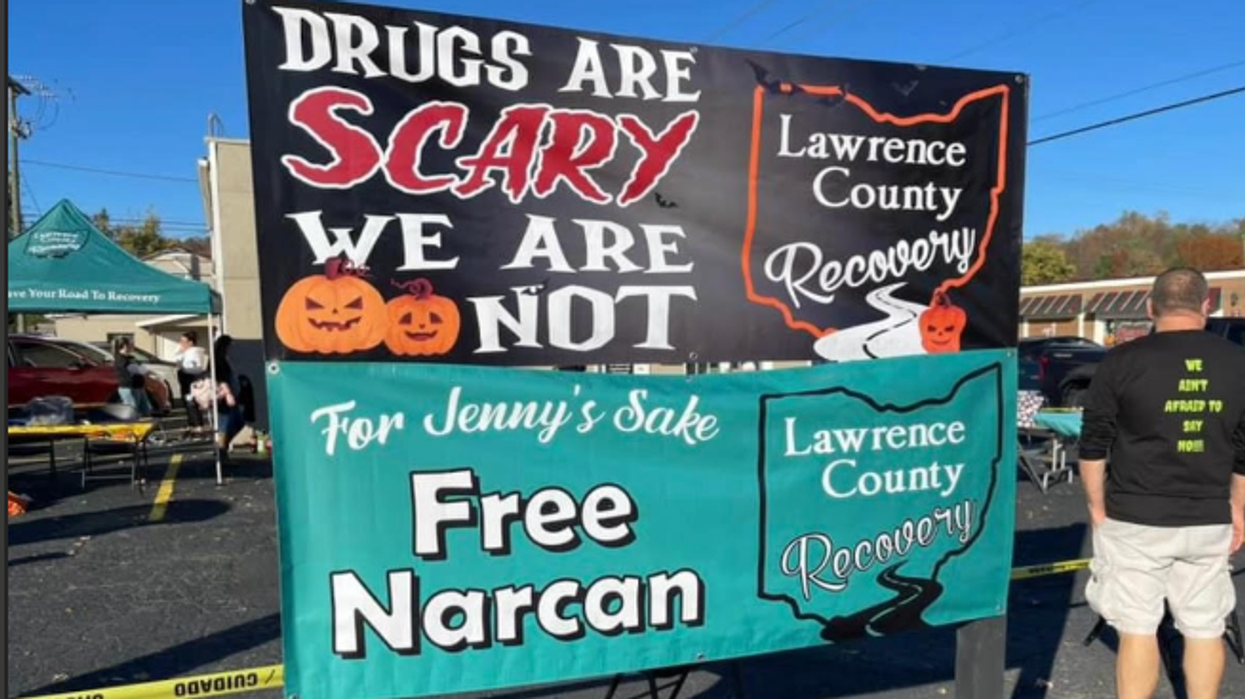
This National Recovery Month, learn about an Ohio community agency taking a stand for recovery justice.
As we mark National Recovery Month this September, I find myself reflecting on my own journey with Substance Use Disorder, or SUD, and the vital role that community plays in both addiction and healing. My experience is a testament to how crucial a supportive environment is for people to rebuild their lives with dignity, especially now, as communities across our country try to close the door on those who deserve a chance at recovery.
My story is not unique. Like so many others, I struggled in silence. Substance use was a topic never openly acknowledged in my family—it was treated like dirty laundry, something to be disregarded, not diagnosed. As a nurse and a loving mother, I presented a picture-perfect life to those around me. I was in denial myself, too: I believed I was immune to any of the pressures that could lead to substance use, despite living in a city and state where it was so prevalent. And even with my medical background, I was unable to see my own addiction for the health issue that it was.
It wasn’t until I confronted my internalized stereotypes and became vulnerable with others that I began to heal. Since there was a lack of official recovery services in my hometown, I realized recovery cannot occur in isolation, it requires a supportive community and dedicated spaces and professionals. Even with a lack of drug courts, reentry drug courts, and support groups available in my city at the time, my own recovery was made possible because of my friends and family: the very community I had feared to share my truth with.
Shunning and shaming does not stop SUD. Our siblings, children, and friends deserve our support and should not be labeled as “dangerous” or “criminals.”
Once my truth was laid bare, others became more vulnerable with me and began to share their own stories. There were fellow parents, neighbors, and friends all of whom believed they were the only ones struggling. I learned that SUD thrives in secrecy. This experience inspired me to create a recovery center so others could heal within the community and find the support they need, free from stigma.
Alongside my family, I founded Lawrence County Recovery, LLC (LCR), an agency dedicated to breaking the cycle of shame surrounding SUD, and providing recovery services that empower individuals to reenter their communities with pride. Too often, people in recovery are met with judgment instead of compassion, turned away when they should be welcomed. Recognizing that peer and community support makes the recovery process more sustainable, LCR has set up recovery housing, or sober living homes. In these homes, small groups of people in recovery can live together, support one another, and hold each other accountable as a step toward independent living.
Despite these successes, and after more than five years of supporting over 1,500 people in recovery, I am still witnessing firsthand how discrimination harms and stigmatizes LCR’s clients.
This past August, LCR filed a lawsuit against the Village of Coal Grove, Ohio for engaging in a uniquely egregious and discriminatory campaign targeting individuals in recovery from SUD. The complaint alleges that Coal Grove has imposed a moratorium on new recovery homes, enforced invasive and restrictive requirements on existing providers, and pursued criminal charges against LCR’s leadership, all based on unfounded fears and prejudices.
It is deeply painful to watch as some of my local leaders and neighbors turn their backs on members of our community. Shunning and shaming does not stop SUD. Our siblings, children, and friends deserve our support and should not be labeled as “dangerous” or “criminals.”
People in recovery are protected under federal and state disability laws, including the Fair Housing Act and the Americans with Disabilities Act, which are designed to ensure access to the resources necessary to rebuild lives. This lawsuit is about more than just one city or one recovery provider—it represents a broader struggle for recovery justice.
In Lawrence County alone, zoning proposals in Ironton and South Point have threatened treatment facilities. Throughout Ohio and across the country, local governments are enacting policies that actively hinder recovery services, often driven by misinformation, fear, and stigma.
If we are to make real progress, we must dismantle the harmful stereotypes that surround substance use disorder and embrace the true values of community—belonging and acceptance. My hope is that this stand against discrimination sends a message across the state, that hate has no place in our homes and that healing takes a village.
Recovery is possible, but it cannot happen in the shadows. As a society, we must do better—opening our communities and our hearts to those who need support. This National Recovery Month, let us remember that addiction does not discriminate, and neither should we.
A lack of investment in home- and community-based services and the low wages that result threaten to turn back the clock due to a severe national shortage of direct support professionals.
To think about it a different way, it was only 25 years ago that our nation codified its rejection of the warehousing of human beings in large, state-run institutions, isolated from their families and from opportunities to enjoy independence and autonomy.
The two plaintiffs in the Olmstead case, Lois Curtis and Elaine Wilson, cycled through numerous institutions and hospitals through their childhoods due to their disabilities before they ended up at the state-run Georgia Regional Hospital. Doctors decided both women were ready to transition to community-based treatment that would offer greater independence, but the state stopped the women from moving, confining them to the institution several years beyond what was necessary.
Olmstead and the ADA were milestones meant to ensure the civil and human rights of people with disabilities, and we must protect them against the possibility of going backward.
The lawsuit these women filed against the state declared that the unjustified isolation they suffered as the result of their disability was discrimination under Title II of the Americans with Disabilities Act of 1990 (ADA).
Like the ADA, which will celebrate its own anniversary later this month, the court’s Olmstead decision came with a promise: It is “appropriate and required” that individuals with disabilities receive the support they need to thrive in our communities.
Since these landmark human rights victories, we have made significant progress. But a quarter-century later, a lack of investment in home- and community-based services and the low wages that result threaten to turn back the clock due to a severe national shortage of direct support professionals, or DSPs, who are the backbone of the disability service delivery system.
In fact, a survey of hundreds of disability service providers across the country in 2023 found that severe staffing challenges had them facing impossible choices. More than 3 in 4 providers reported that they are no longer accepting new referrals, while 63% were forced to close programs. Meanwhile, nearly a half a million people nationally are languishing on waiting lists for services.
DSPs support people with intellectual and developmental disabilities (I/DD) to carry out activities of daily living, find and maintain employment, develop and sustain meaningful relationships, and so much more.
One of us, Doug, is a DSP whose interest in supporting others dates back to childhood. When I was 10 years old, I often babysat a little boy with Down syndrome. Even at my young age, I was aware of how his family struggled to find resources for their son, cover mounting costs, and make ends meet.
But throughout my tenure as a DSP, I’ve only seen things get worse. The people I support see skyrocketing costs for everyday essentials. Whereas I used to be able to open my wallet to help with these costs from time to time, I’m finding my own finances stretched thinner and thinner. I recently agreed to begin supporting a second person, thinking it would help me bring in more income. Instead, the additional bills mean I’m only falling farther behind.
Nevertheless, I will continue committing to this work because of the impact I know I’m having in the lives of those I support. One of the people I work with is a 65-year-old disabled trans person. When we first started working together, he experienced debilitating anxiety, had no support from family or other natural networks, and felt completely ostracized from his community. By building trust, connecting him with local support groups, and supporting him to find safe spaces, he developed the courage to come out as trans and begin his transition.
The other one of us, Barbara, leads a national association representing thousands of disability service providers like those that employ outstanding DSPs like Doug. Our entire service delivery system rests on the civil rights promises made possible through legal landmarks like Olmstead. But without increased funding for these services to improve DSP wages, more people with I/DD will struggle to find—and keep—people like Doug committed to person-centered support. And that means longer waits for services and a higher risk of unnecessary institutionalization.
Olmstead and the ADA were milestones meant to ensure the civil and human rights of people with disabilities, and we must protect them against the possibility of going backward. Both state and federal leaders have the power to do just that, but they must be willing to commit to the long-term sustainability of the DSP workforce.