SUBSCRIBE TO OUR FREE NEWSLETTER
Daily news & progressive opinion—funded by the people, not the corporations—delivered straight to your inbox.
5
#000000
#FFFFFF
To donate by check, phone, or other method, see our More Ways to Give page.


Daily news & progressive opinion—funded by the people, not the corporations—delivered straight to your inbox.
"While this is a positive short-term development, no one can rest easy when our ability to get this safe, effective medication for abortion and miscarriage care still hangs in the balance," stressed an ACLU attorney.
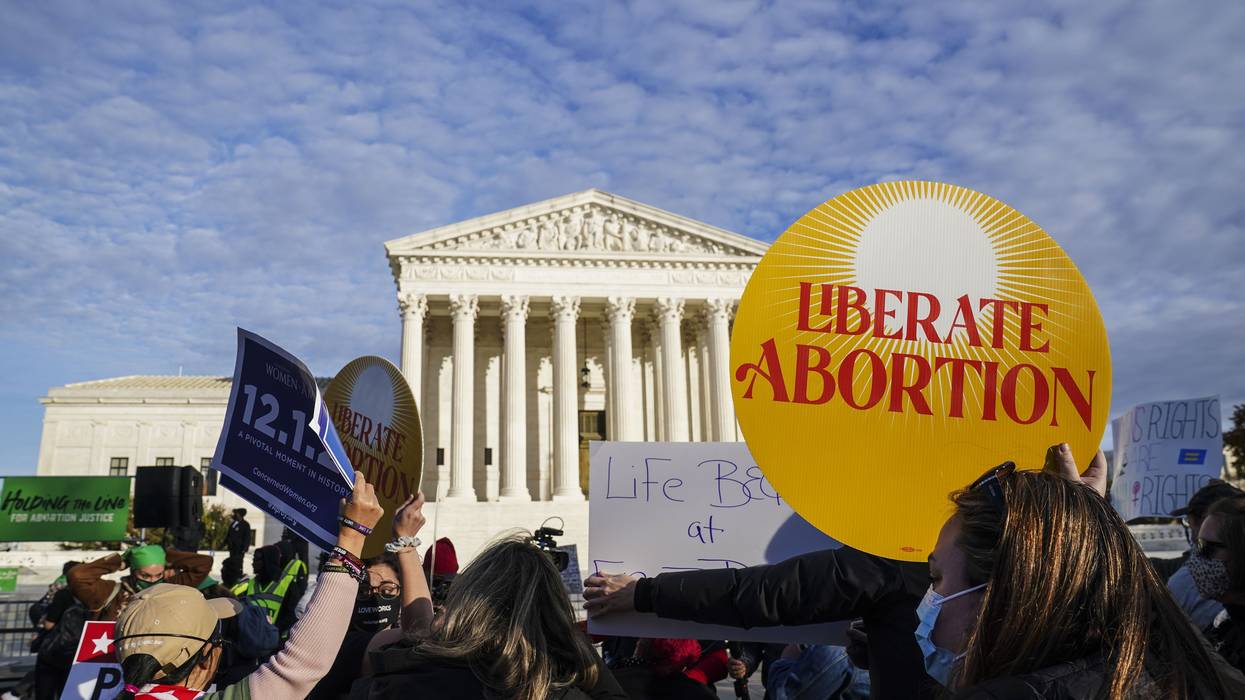
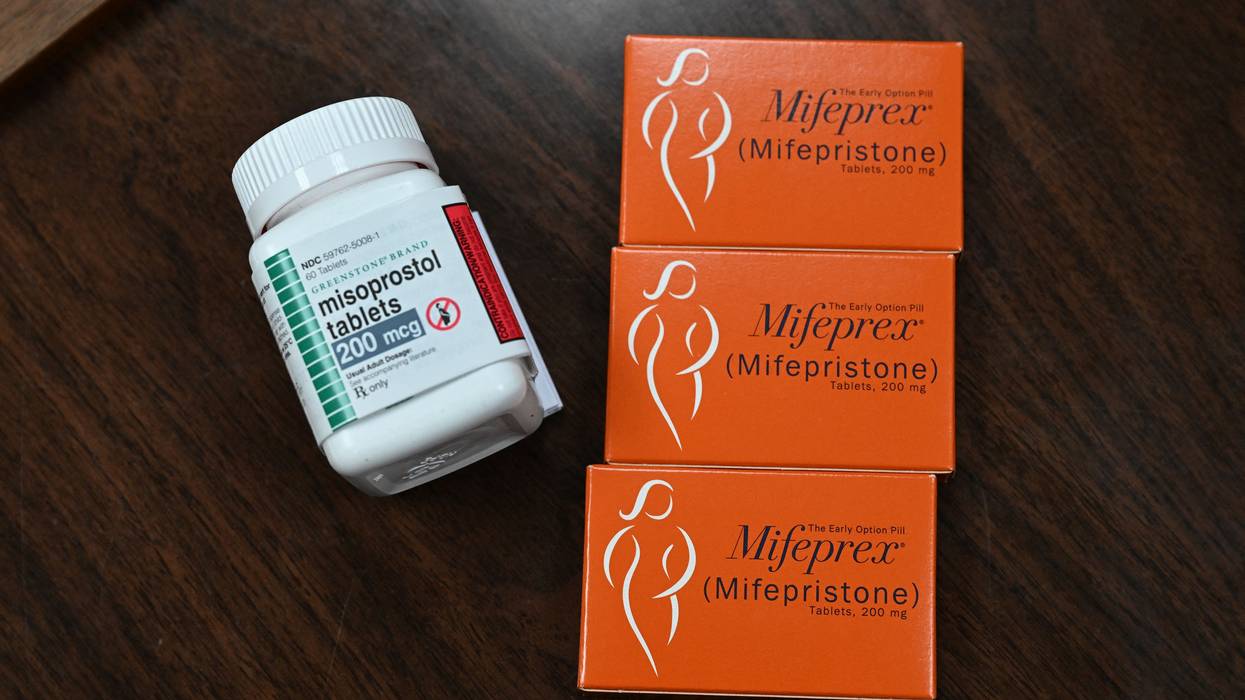
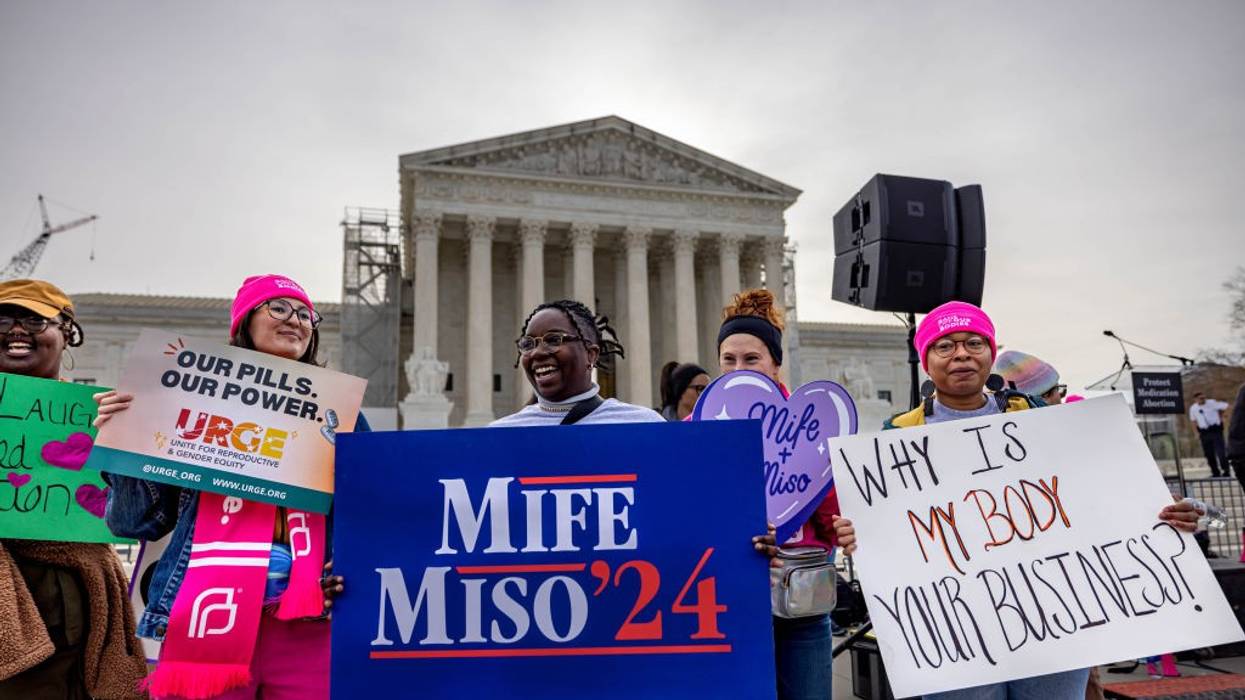
The US Supreme Court on Monday temporarily restored access to mifepristone, a medication commonly used for abortion and early miscarriage care, through the mail while the justices review a decision requiring it to be dispensed in person by a medical provider.
Justice Samuel Alito, who is part of the high court's right-wing supermajority, oversees the US Court of Appeals for the 5th Circuit. He issued a one-week stay for the appellate court's Friday dispensing decision, which critics had condemned as "sweeping and dangerous."
"This is not particularly surprising from Alito. He's the circuit justice here, acting—in essence—until the full court can act," explained Law Dork's Chris Geidner. He noted that both Alito and Justice Clarence Thomas, another right-winger, "have issued administrative stays in the past until the full court can rule in similar circumstances, regardless of their ultimate votes on the matters."
The drug companies Danco Laboratories, which makes the brand-name version of mifepristone, Mifeprex, and GenBioPro, which makes the generic pill, asked the country's top court to intervene following Friday's ruling, which threatened patients nationwide.
"Even this Supreme Court can see that this 5th Circuit decision is reckless," declared Alexis McGill Johnson, president and CEO of Planned Parenthood Action Fund, on Monday. "While mifepristone access returns to where it was on Friday morning, the whiplash and chaos that patients and providers are navigating have already had real consequences for real people's lives and futures."
Brittany Fonteno, president and CEO of the National Abortion Federation, similarly highlighted how "this back-and-forth has created confusion and chaos," but welcomed that the high court's "decision provides critical, if temporary, relief for patients and providers and ensures that people can continue to access this essential medication through telehealth while the court considers the case."
"The lower court's ruling disregards the well-established safety and efficacy of the use of mifepristone via telehealth, and any future restriction will create medically unnecessary barriers to care for patients across the country," Fonteno added. "Mifepristone has been safely used for more than 25 years, and is essential to abortion care and miscarriage management in the United States. For many patients, especially those in rural areas or facing financial and logistical barriers, access to telehealth is a critical component of holistic reproductive healthcare."
Since the Supreme Court reversed Roe v. Wade in June 2022, the anti-choice movement and right-wing politicians have ramped up attacks on reproductive freedom at the state level. Meanwhile, the Biden administration's Food and Drug Administration (FDA) permanently lifted mifepristone's in-person dispensing requirement in early 2023, allowing doctors in pro-choice states to serve patients across the country via telehealth and the mail, regardless of local laws.
Louisiana responded to the eased restrictions on mifepristone—which is generally taken with another drug, misoprostol, for abortions—by suing, which led to the battle that has now reached the Supreme Court. Prior to Friday's decision by the infamously far-right 5th Circuit, a district judge in the state paused the case due to what the ACLU on Monday called "a sham FDA review announced by the Trump administration," which is ongoing.
"While this is a positive short-term development, no one can rest easy when our ability to get this safe, effective medication for abortion and miscarriage care still hangs in the balance," Julia Kaye, senior staff attorney for the ACLU's Reproductive Freedom Project, stressed Monday. "The Supreme Court needs to put an end to this baseless attack on our reproductive freedom, once and for all."
This article has been updated with comment from the National Abortion Federation.
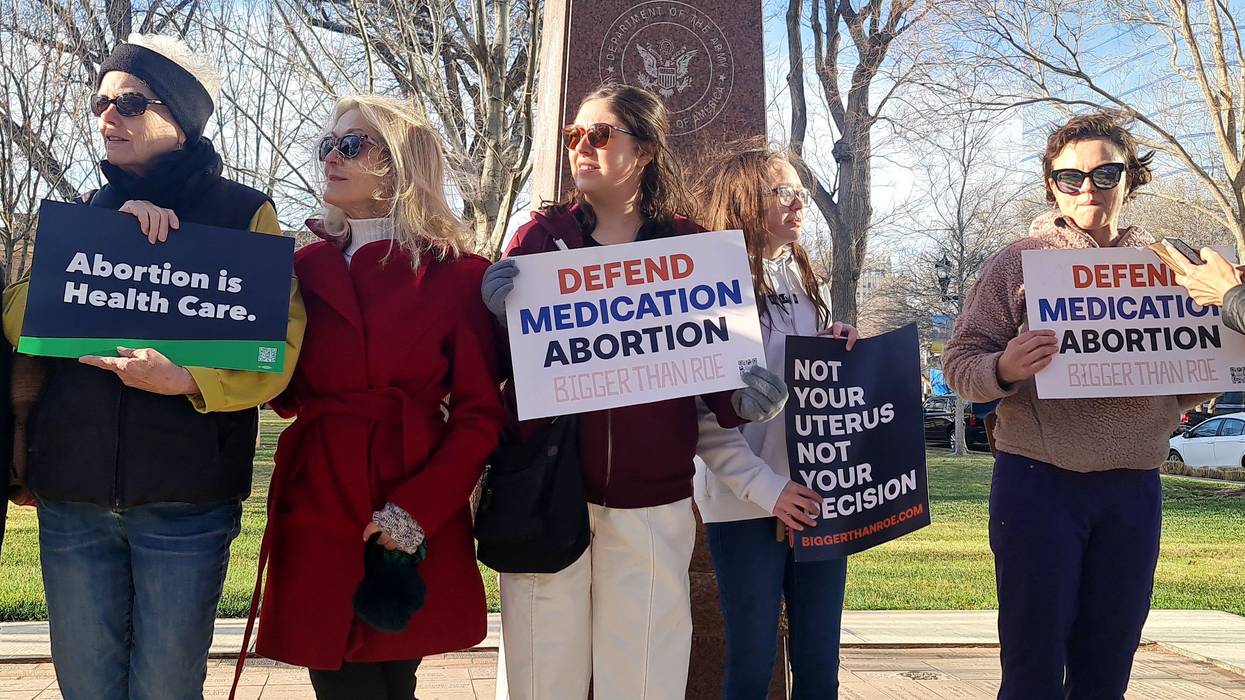
If the FDA further restricts access to abortion pills, more people, especially those in marginalized communities, will die.
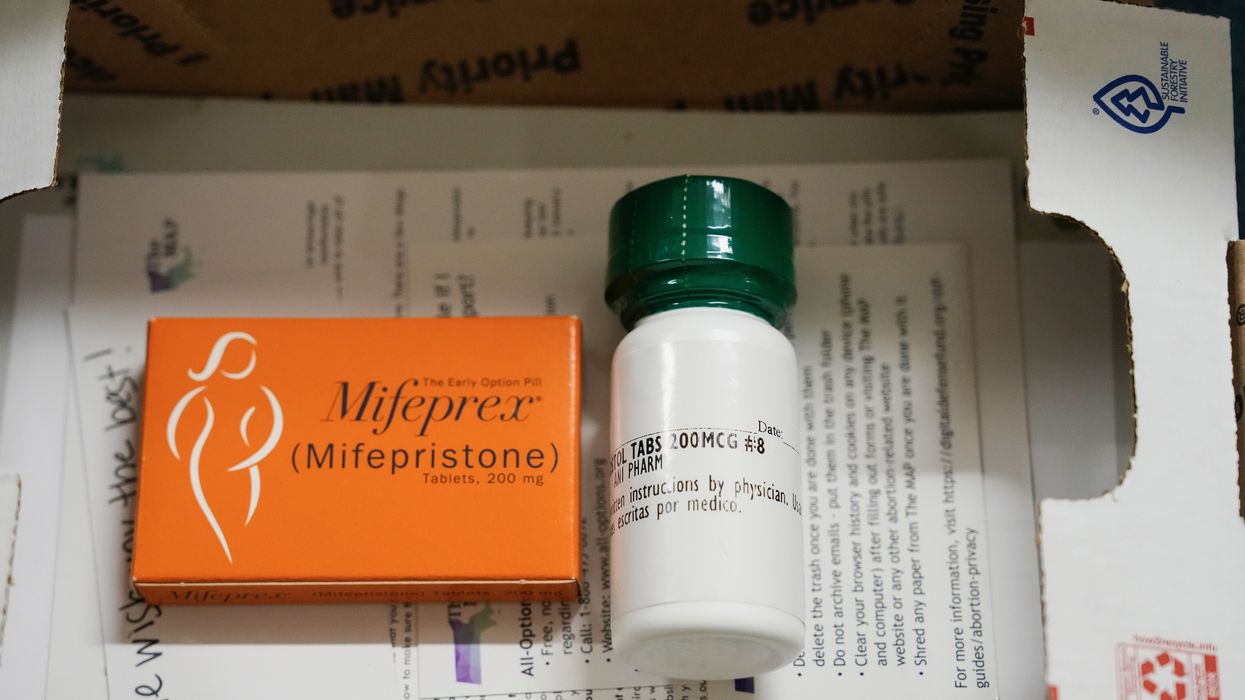
Next to the abortion pills in my medicine cabinet lies a potentially risky drug: Tylenol. Ironically, while this common pain reliever is widely accepted, safer, life-saving drugs like mifepristone and misoprostol have been under relentless attack by Republican lawmakers.
For decades, these pills, Food and Drug Administration-approved after rigorous testing and proven safe through extensive studies, have been trusted by millions of physicians and pregnant people to treat miscarriages, carry out abortions, or address various medical issues. Yet, the necessity and widespread use of abortion pills seem to elude the wisdom of lawmakers and health secretaries, and highlight a troubling disconnect between the realities faced by patients and the decisions made by lawmakers.
For example, Robert F. Kennedy Jr. recently directed the FDA to review regulations based on a demonstrably flawed study funded by the organization responsible for overturning Roe v. Wade. This study has not undergone peer review or been published in any medical journal, highlighting its misguided methodology and analysis. For instance, it inappropriately cites bleeding and follow-up exams as adverse effects when, in reality, bleeding is an intended effect, and experts recommend follow-up exams.
The science and testimonies are clear: Abortion pills are normal, safe, and necessary.
My abortion saved my life. I am at high risk of death during pregnancy, and my sister, who shares the same medical syndromes, nearly died in childbirth. Mentally, I would have preferred to end my life rather than continue a pregnancy with my then-abusive boyfriend or pass down incurable, painful medical conditions. Emotionally, I could not handle the responsibilities of motherhood. I believe it is the most demanding and beautiful role on Earth, but it must remain a choice.
Every day that the government forces someone to remain pregnant against their will is another day the United States commits a crime against humanity, according to the United Nations. One in four people who can get pregnant will have at least one abortion in their lifetime, with nearly two-thirds of them relying on abortion pills.
I advocate for abortion patients daily and hear their harrowing stories of reproductive and medical distress. For many of them who want to save their life, preserve their liberty, or pursue happiness, abortion pills are their only option, solely due to their address and station in life. For example, consider two women who look down at a positive pregnancy test weeks after being diagnosed with cancer. One is an Oregonian; the other is a Floridian. The Oregonian can access abortion pills or have a D&C within a day or two, well past an unreasoned “heartbeat” law. Meanwhile, the Floridian may have no choice but to rely on abortion pills to protect her life, risking a future where her children could become orphans, as the majority of people who have an abortion are already parents.
If the FDA further restricts access to abortion pills, more people, especially those in marginalized communities, will die. Victims of abuse will be forced to carry pregnancies resulting from incest and rape. More people will drop out of college, and more unwanted children will be born into neglect. These are not mere possibilities; they are certainties based on the experiences of hundreds of thousands of people.
People in blue states may mistakenly believe the FDA’s decision wouldn’t impact their rights, but they would be wrong. Revoking or restricting access to abortion pills would have a ripple effect, overwhelming health centers in blue states with patients from red states. Worse yet, it could eliminate access to abortion pills entirely, effectively reducing abortion resources by 66%. Extremist Republican lawmakers are banking on rolling back our right to abortion pills as a stepping stone to enacting a nationwide abortion ban, followed by the restriction of contraception rights and the falsification or elimination of sex education. This “review” is all part of a plan to control our reproductive rights, finances, health, education, autonomy, and destiny.
Reproductive restrictions for anyone create reproductive restrictions for everyone. The science and testimonies are clear: Abortion pills are normal, safe, and necessary. More than 7 in 10 Americans support access to medication abortion, including half of Republicans.
Just as we should have been more vocal when the Trump administration withdrew from the World Health Organization and defunded cancer research, we must be vigilant about their strategy to roll back reproductive rights. I urge you to share your opinion, call your representatives, and demand that they use their leverage, platform, and influence to speak out and pressure the Department of Health and Human Services to end its misguided review of these safe and vital medications. Together, we can push back against these unjust restrictions and protect the human rights, health, and dignity of the people.
Here's my message to The Times-Picayune and every other institution that finds truth "uncomfortable": Get comfortable with discomfort. Because abortion pills aren't going anywhere.
So here's what happened.
We—Mayday Health, an abortion education nonprofit—tried to buy a newspaper ad in The Times-Picayune of New Orleans. The ad featured just a few words: "Abortion pills are more popular than ever. Thanks, Amy" with a photo of Amy Coney Barrett, who was born in New Orleans.
The Times-Picayune of New Orleans, Louisiana said… no. They refused to publish.
They sent us a rejection letter assuring us that they "support First Amendment free speech," of course. They just find our particular speech too "uncomfortable."
Uncomfortable.
Let me tell you about uncomfortable.
Uncomfortable is 900,000 Louisiana women of childbearing age waking up in a state that treats their uteruses like crime scenes. Uncomfortable is pregnant Kaitlyn Joshua bleeding through her jeans in a Louisiana hospital parking lot because doctors were too scared of criminal repercussions. Uncomfortable is driving five hours across state lines for healthcare that used to be 10 minutes away. Uncomfortable is a group of Louisiana Republicans investigating a New York-based doctor for legally shipping pills to patients in the state—prosecutors hunting doctors for simply providing care.
In trying to end abortion access, Barrett accidentally revealed just how determined Americans are to control their own bodies. (Thanks for nothing, Amy.)
Louisiana already had one of the highest maternal mortality rates in the nation before this medieval abortion ban. Black and Native American women die here at rates that would make developing countries blush. And now? Doctors turn away women with pregnancy complications because providing necessary care might land them in a state prison.
So yes, Amy Coney Barrett voted to overturn Roe v. Wade. Yes, clinics shuttered overnight from coast to coast. But here's what nobody saw coming: When you eliminate physical access to abortion care, people don't simply accept defeat. They fight for their reproductive freedom. Today, more Americans are ending pregnancies with pills delivered to their mailboxes than ever before—not because it's ideal, but because it's necessary. The data is unequivocal; Abortion rates have actually risen since Roe fell in 2022, though countless people still face dangerous barriers to care. In trying to end abortion access, Barrett accidentally revealed just how determined Americans are to control their own bodies. (Thanks for nothing, Amy.)
But The Times-Picayune finds our ad uncomfortable. The Times-Picayune chose comfort over truth. They chose to protect their readers from reality, rather than prepare them for it.
Here are the facts The Times-Picayune doesn't want you to read: Abortion pills work. They're Food and Drug Administration-approved. They're safe. And—here's the kicker—they're available by mail in all 50 states, including Louisiana. Right now, as you read this, about 8,000 women per month in abortion-banned states are getting these pills delivered to their doorsteps.
I run Mayday Health. We're the people who put up billboards and buy ads and generally make powerful people squirm by stating the obvious. Like the time we put up three billboards in Jackson, Mississippi that read "Pregnant? You still have a choice." When Mississippi's attorney general tried to intimidate us with subpoenas, we didn't blink. We bought 20 more billboards and ran a state-wide TV ad. We turned their threats into a marketing campaign about abortion pills.
When Spotify rejected our audio ads about abortion pills, claiming we violated their policies, we posted a Tweet thread called the "Spotify Rapist Playlist," a list of convicted felons whose music is still available to stream. A week later, Spotify admitted their "ad reviewer made an error." (Spotify ultimately rejected our ads, and we ended up going on Pandora).
We've danced this dance before. The powerful get nervous when they think they have something to lose.
Here's what kills me: The same people who spread complete bullshit about abortion—that it causes breast cancer, that fetuses feel pain at six weeks, that women regularly use it as birth control—these people get full-page spreads. But a few words of truth about FDA-approved pills? Too spicy for the newspaper of record in the Big Easy.
Amy Coney Barrett and her robed colleagues said they were giving the power back to the states, back to the people. Noble, right? Except how are people supposed to make informed decisions when newspapers won't even print basic medical facts?
The truth is simple: Abortion bans don't stop abortions. They stop safe abortions. Women have been ending pregnancies since before we figured out how to make fire, and they're not stopping anytime soon. The only question is whether they'll have accurate information to aid them in the process.
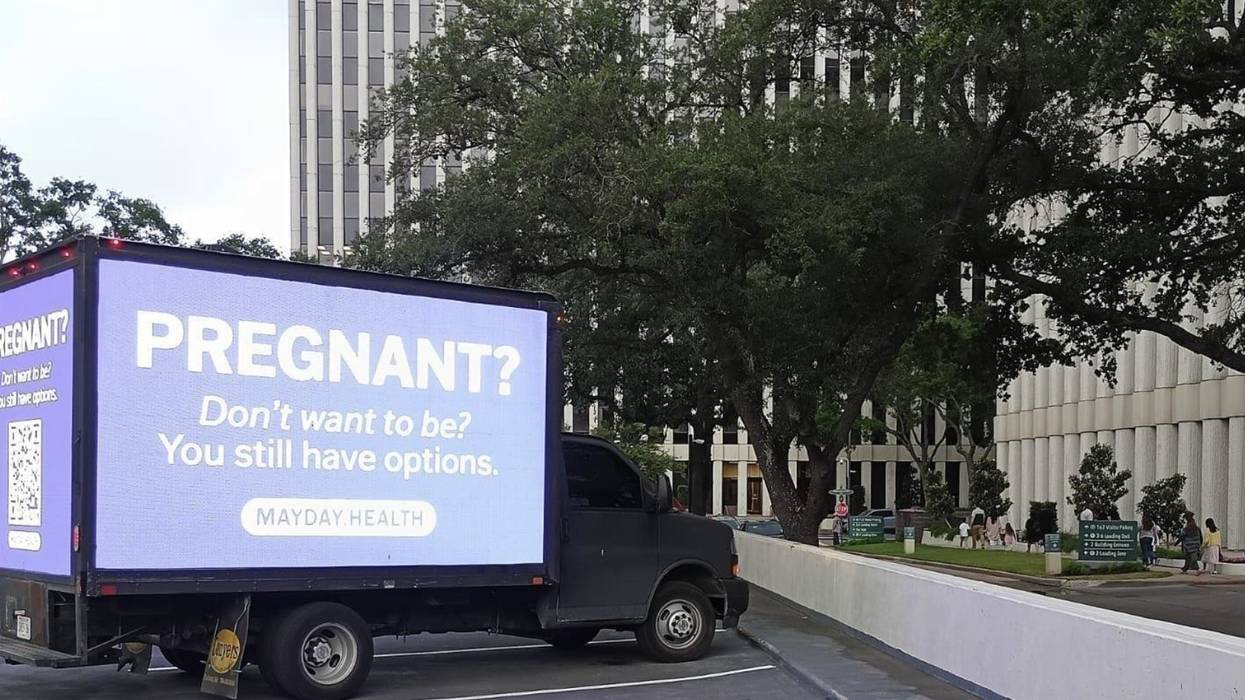
We're not backing down. Mayday Health will keep taking out ads, conducting undercover investigations into fake crisis centers, flying airplane banners over MLB games, driving digital billboard trucks to fake crisis pregnancy centers, building pop-up abortion stores in Texas, and spreading information to rape crisis pregnancy centers. Because while The Times-Picayune worries about its comfort level, Louisiana women are out here living in the real world—a world where information isn't just power, it's survival.
So here's my message to The Times-Picayune and every other institution that finds truth "uncomfortable:" Get comfortable with discomfort. Because we're not going anywhere, and neither are abortion pills.
How's that for uncomfortable?