SUBSCRIBE TO OUR FREE NEWSLETTER
Daily news & progressive opinion—funded by the people, not the corporations—delivered straight to your inbox.
5
#000000
#FFFFFF
To donate by check, phone, or other method, see our More Ways to Give page.
Daily news & progressive opinion—funded by the people, not the corporations—delivered straight to your inbox.
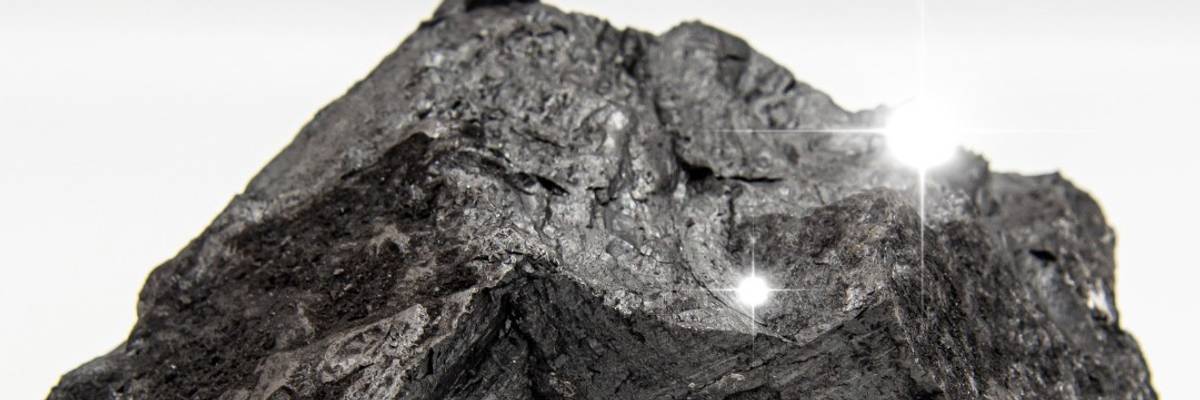
The US Department of Energy shared an image of coal with the message, "She is the moment," on social media on July 31, 2025.
The Trump administration is trying to prop up coal at the expense of cheaper sources of energy like wind and solar that would benefit the nation as a whole.
A lump of coal is Santa’s proverbial gift to children who have been naughty. But what naughtiness makes Americans deserve the coal that the Trump administration is trying to inflict on us? The current incoherent energy policy will increase electricity prices even more than they would rise otherwise.
Admittedly, the coming demise of coal, which the administration may delay but not ultimately prevent, will be very hard on the people who work in the coal industry. And it will badly hurt communities where coal is the chief industry and states in which they are located.
Understandably, the coal industry has contributed generously to politicians who try to protect it, and its donations have paid very large dividends for that industry. But forcing electric utilities to keep burning coal, and stomping on potential competitors who could defeat it in any fair competition, is not the right way to protect the people and communities involved in a declining industry.
Government support for these people could take many more reasonable forms, including retraining programs, special support for schools and other local government services, and possibly even making workers eligible to collect Social Security and to be on Medicare before they would otherwise be old enough. These people should not be singled out to pay for the benefits that society as a whole will receive from abandoning the use of coal—the taxpayers as a whole owe it to them.
The current administration should abandon its current incoherent policies and stop trying to micromanage the energy market.
Rational policy would not try to protect people in particular energy industries. It would aim to create equal conditions within which all sources of energy could compete. The main present alternatives to coal include oil, natural gas, solar, wind, atomic, and geothermal sources. Each of these has its own unique combination of advantages and disadvantages.
During the last 200 years the world has shifted from one dominant energy source to another as technologies advanced and economic conditions changed. For a long time coal was the cheapest and most abundant fuel, but it was displaced by petroleum and, more recently, by natural gas. Each of these fuels prevailed because it was available and cheaper than the alternatives.
Atomic energy, at one time expected to take over and make electricity “too cheap to meter,” never took off to that extent for various reasons, not the least of which was its expense.
Thanks to research during the last half century, the cheapest sources are now solar panels and wind turbines. They are therefore the chief threats to the coal, oil, and natural gas industries, and especially to coal. That is why the Trump administration has concentrated on wiping out the wind turbine projects in the Atlantic Ocean, even those that are nearly finished and in which billions of dollars have been invested.
The administration claims that the offshore wind projects are a threat to national security, a possibility that had been thoroughly vetted and rejected by government experts before the projects began.
It also claims that wind and solar energy are unreliable, since the sun does not always shine and the wind does not always blow. But these are only problems locally. The sun is always shining on exactly half the planet, and winds are always blowing somewhere.
The intermittency problem does not exist when we consider the world as a whole. Once we have connected up the whole planet into a single electrical grid—now entirely possible—solar and wind energy will be just as dependable as the older energy technologies. And they will be cheaper than the older technologies even when we include the cost of building and operating the grid that they will require.
If we want the cheapest possible electricity—and who doesn’t?—we should support creation of a level playing field for all possible sources of energy. The current administration should abandon its current incoherent policies and stop trying to micromanage the energy market.
Does this Republican administration believe in free markets or doesn’t it?
Dear Common Dreams reader, It’s been nearly 30 years since I co-founded Common Dreams with my late wife, Lina Newhouser. We had the radical notion that journalism should serve the public good, not corporate profits. It was clear to us from the outset what it would take to build such a project. No paid advertisements. No corporate sponsors. No millionaire publisher telling us what to think or do. Many people said we wouldn't last a year, but we proved those doubters wrong. Together with a tremendous team of journalists and dedicated staff, we built an independent media outlet free from the constraints of profits and corporate control. Our mission has always been simple: To inform. To inspire. To ignite change for the common good. Building Common Dreams was not easy. Our survival was never guaranteed. When you take on the most powerful forces—Wall Street greed, fossil fuel industry destruction, Big Tech lobbyists, and uber-rich oligarchs who have spent billions upon billions rigging the economy and democracy in their favor—the only bulwark you have is supporters who believe in your work. But here’s the urgent message from me today. It's never been this bad out there. And it's never been this hard to keep us going. At the very moment Common Dreams is most needed, the threats we face are intensifying. We need your support now more than ever. We don't accept corporate advertising and never will. We don't have a paywall because we don't think people should be blocked from critical news based on their ability to pay. Everything we do is funded by the donations of readers like you. When everyone does the little they can afford, we are strong. But if that support retreats or dries up, so do we. Will you donate now to make sure Common Dreams not only survives but thrives? —Craig Brown, Co-founder |
A lump of coal is Santa’s proverbial gift to children who have been naughty. But what naughtiness makes Americans deserve the coal that the Trump administration is trying to inflict on us? The current incoherent energy policy will increase electricity prices even more than they would rise otherwise.
Admittedly, the coming demise of coal, which the administration may delay but not ultimately prevent, will be very hard on the people who work in the coal industry. And it will badly hurt communities where coal is the chief industry and states in which they are located.
Understandably, the coal industry has contributed generously to politicians who try to protect it, and its donations have paid very large dividends for that industry. But forcing electric utilities to keep burning coal, and stomping on potential competitors who could defeat it in any fair competition, is not the right way to protect the people and communities involved in a declining industry.
Government support for these people could take many more reasonable forms, including retraining programs, special support for schools and other local government services, and possibly even making workers eligible to collect Social Security and to be on Medicare before they would otherwise be old enough. These people should not be singled out to pay for the benefits that society as a whole will receive from abandoning the use of coal—the taxpayers as a whole owe it to them.
The current administration should abandon its current incoherent policies and stop trying to micromanage the energy market.
Rational policy would not try to protect people in particular energy industries. It would aim to create equal conditions within which all sources of energy could compete. The main present alternatives to coal include oil, natural gas, solar, wind, atomic, and geothermal sources. Each of these has its own unique combination of advantages and disadvantages.
During the last 200 years the world has shifted from one dominant energy source to another as technologies advanced and economic conditions changed. For a long time coal was the cheapest and most abundant fuel, but it was displaced by petroleum and, more recently, by natural gas. Each of these fuels prevailed because it was available and cheaper than the alternatives.
Atomic energy, at one time expected to take over and make electricity “too cheap to meter,” never took off to that extent for various reasons, not the least of which was its expense.
Thanks to research during the last half century, the cheapest sources are now solar panels and wind turbines. They are therefore the chief threats to the coal, oil, and natural gas industries, and especially to coal. That is why the Trump administration has concentrated on wiping out the wind turbine projects in the Atlantic Ocean, even those that are nearly finished and in which billions of dollars have been invested.
The administration claims that the offshore wind projects are a threat to national security, a possibility that had been thoroughly vetted and rejected by government experts before the projects began.
It also claims that wind and solar energy are unreliable, since the sun does not always shine and the wind does not always blow. But these are only problems locally. The sun is always shining on exactly half the planet, and winds are always blowing somewhere.
The intermittency problem does not exist when we consider the world as a whole. Once we have connected up the whole planet into a single electrical grid—now entirely possible—solar and wind energy will be just as dependable as the older energy technologies. And they will be cheaper than the older technologies even when we include the cost of building and operating the grid that they will require.
If we want the cheapest possible electricity—and who doesn’t?—we should support creation of a level playing field for all possible sources of energy. The current administration should abandon its current incoherent policies and stop trying to micromanage the energy market.
Does this Republican administration believe in free markets or doesn’t it?
A lump of coal is Santa’s proverbial gift to children who have been naughty. But what naughtiness makes Americans deserve the coal that the Trump administration is trying to inflict on us? The current incoherent energy policy will increase electricity prices even more than they would rise otherwise.
Admittedly, the coming demise of coal, which the administration may delay but not ultimately prevent, will be very hard on the people who work in the coal industry. And it will badly hurt communities where coal is the chief industry and states in which they are located.
Understandably, the coal industry has contributed generously to politicians who try to protect it, and its donations have paid very large dividends for that industry. But forcing electric utilities to keep burning coal, and stomping on potential competitors who could defeat it in any fair competition, is not the right way to protect the people and communities involved in a declining industry.
Government support for these people could take many more reasonable forms, including retraining programs, special support for schools and other local government services, and possibly even making workers eligible to collect Social Security and to be on Medicare before they would otherwise be old enough. These people should not be singled out to pay for the benefits that society as a whole will receive from abandoning the use of coal—the taxpayers as a whole owe it to them.
The current administration should abandon its current incoherent policies and stop trying to micromanage the energy market.
Rational policy would not try to protect people in particular energy industries. It would aim to create equal conditions within which all sources of energy could compete. The main present alternatives to coal include oil, natural gas, solar, wind, atomic, and geothermal sources. Each of these has its own unique combination of advantages and disadvantages.
During the last 200 years the world has shifted from one dominant energy source to another as technologies advanced and economic conditions changed. For a long time coal was the cheapest and most abundant fuel, but it was displaced by petroleum and, more recently, by natural gas. Each of these fuels prevailed because it was available and cheaper than the alternatives.
Atomic energy, at one time expected to take over and make electricity “too cheap to meter,” never took off to that extent for various reasons, not the least of which was its expense.
Thanks to research during the last half century, the cheapest sources are now solar panels and wind turbines. They are therefore the chief threats to the coal, oil, and natural gas industries, and especially to coal. That is why the Trump administration has concentrated on wiping out the wind turbine projects in the Atlantic Ocean, even those that are nearly finished and in which billions of dollars have been invested.
The administration claims that the offshore wind projects are a threat to national security, a possibility that had been thoroughly vetted and rejected by government experts before the projects began.
It also claims that wind and solar energy are unreliable, since the sun does not always shine and the wind does not always blow. But these are only problems locally. The sun is always shining on exactly half the planet, and winds are always blowing somewhere.
The intermittency problem does not exist when we consider the world as a whole. Once we have connected up the whole planet into a single electrical grid—now entirely possible—solar and wind energy will be just as dependable as the older energy technologies. And they will be cheaper than the older technologies even when we include the cost of building and operating the grid that they will require.
If we want the cheapest possible electricity—and who doesn’t?—we should support creation of a level playing field for all possible sources of energy. The current administration should abandon its current incoherent policies and stop trying to micromanage the energy market.
Does this Republican administration believe in free markets or doesn’t it?