SUBSCRIBE TO OUR FREE NEWSLETTER
Daily news & progressive opinion—funded by the people, not the corporations—delivered straight to your inbox.
5
#000000
#FFFFFF
To donate by check, phone, or other method, see our More Ways to Give page.
Daily news & progressive opinion—funded by the people, not the corporations—delivered straight to your inbox.
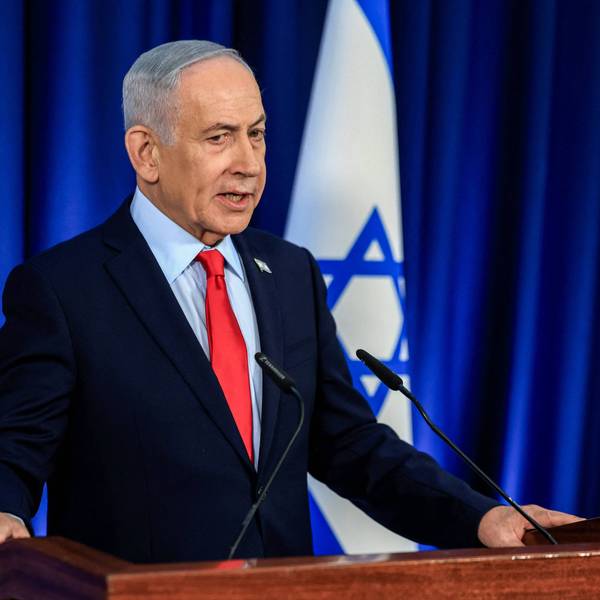
While the Israeli leader claims that his goal is the elimination of Hamas, the evidence is clear that his real intention is to save himself and his government—and in this he has had a willing accomplice.
When the Israeli Knesset passed its 2025 budget this past week, the government of Prime Minister Benjamin Netanyahu breathed a sigh of relief. Had the budget not been approved by March 31, the Knesset would have been automatically disbanded, and new elections would have been called. Polls indicate that Netanyahu and his coalition would have decisively lost.
What saved Netanyahu was his renewed war in Gaza.
The negotiations over a ceasefire in Gaza had resulted in the desertion of one of his coalition partners and the alienation of some members of his own party, putting his government at risk. Once the ceasefire was announced, Netanyahu’s problems grew. His trial on charges of corruption and abuse of his office was once again centerstage as were his Trump-like theatrics in response to the grilling he received from the prosecutors. Also plaguing Netanyahu were reports of his government’s failures emanating from the ongoing investigation into the October 7th Hamas attack.
With his coalition hemorrhaging and his personal position weakening, renewing the war in Gaza provided Netanyahu with a way out. His coalition was restored. His budget was passed. He had a distraction from his trial. His cabinet approved his decision to remove the head of Israel’s domestic intelligence agency who was faulting him for the October 7th attack. And he was in a position to once again advance his legislative efforts to “reform” what he views as the obstacles presented by Israel’s pesky judiciary.
Further compounding Netanyahu’s dilemma were the expectations created once the implementation of the ceasefire agreement began. The world witnessed the powerfully moving scenes of hundreds of thousands of Palestinians trekking northward to return to their demolished homes and communities in the north of Gaza. Compassion grew for Palestinians as did revulsion for the gratuitous devastation wrought by Israel’s bombardments.
There were other factors that weighed heavily on Netanyahu in this period.
Hamas, as expected, overplayed their hand with disgraceful scenes of bravado during each of the hostage releases. Most likely done out of a need to demonstrate control, their behavior was stupid and provocative, especially in the face of the enormity of the suffering endured by their people. One might reasonably ask Hamas’ leadership, “How many times can you foolishly kick the hornets’ nest before you understand the consequences of your actions?”
Gaza’s Palestinians, who our polling establishes have long had unfavorable views toward Hamas, are now demonstrating their anger at both Israel and Hamas. But the last thing Netanyahu wants is an alternative Palestinian leadership in Gaza, as that would threaten his continuation of the conflict and his rule.
The ceasefire agreement of January 19th included three phases, with the second and third phases ultimately leading to an Israeli withdrawal from Gaza and an end to the war. As the negotiations themselves had already cost Netanyahu coalition partners, he promised his allies that he would never allow the process to get to phase two. As a result, early in the implementation of phase one, Netanyahu began seeking an escape, claiming that Hamas was violating the terms of the agreement and pressing unacceptable demands that he sought to add to the first phase.
Then came the Arab peace plan to end the conflict. The plan, which would fulfill phase three of the ceasefire agreement, called for an Israeli withdrawal from Gaza, the positioning of an Arab/international peacekeeping force, the establishment of Palestinian governance linked to the Palestinian Authority, and a plan to reconstruct Gaza. This Arab plan has won broad international support and, if adopted, would have spelled the end of Netanyahu’s reign in Israel.
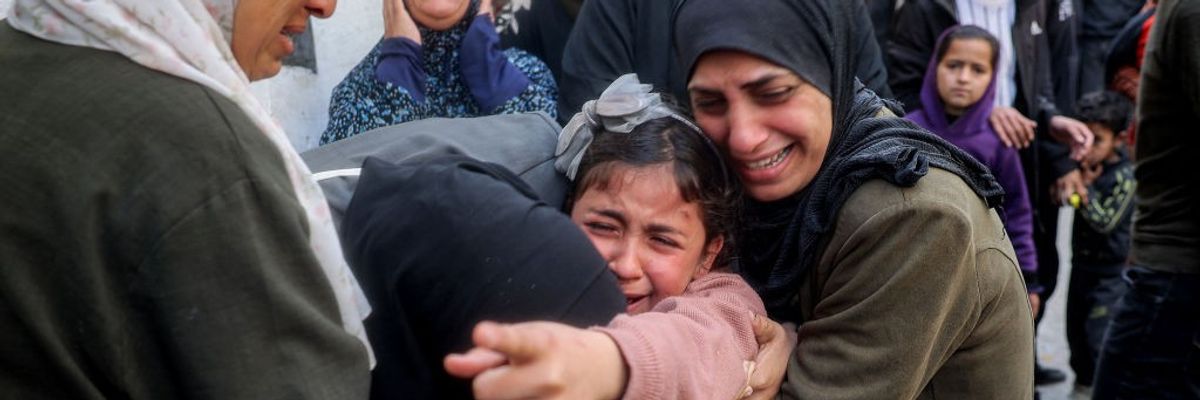
In the face of all these challenges, Netanyahu felt compelled to break the ceasefire. The renewed campaign has been a ruthless continuation of genocide. For one month now, Israel has withheld entry of all aid and medical personnel from the north of Gaza, implementing what was once termed “the General’s plan” of starving the Palestinians in that area, forcing them to leave. The Israelis have also continued their bombing campaign, taking the lives of hundreds. They have retaken areas of Gaza, promising to annex them to Israel, and are exploring plans to forcibly evict Palestinians from Gaza to both sabotage any effort to allow for Palestinian governance and facilitate Israel’s conquest and annexation of more of Gaza’s land.
While Netanyahu claims that his goal is the elimination of Hamas, the evidence is clear that his real intention is to save himself and his government—and in this he has had a willing accomplice. The Trump administration has supported Israel’s trashing the very ceasefire agreement Trump once boasted as his personal diplomatic victory.
And so here we are, a little over two months after the announced ceasefire and Palestinians are once again victims of slaughter and mass starvation. Instead of being an agreement that would lead to an end of the conflict, the ceasefire, as I feared, turned out to be nothing more than a pause or a cruel ruse that was sacrificed on the altar of Netanyahu’s political survival.
There are no good guys to this story, only Palestinian victims. As tens of thousands of Israelis are demonstrating in opposition to Netanyahu because he is risking the lives of Israeli hostages still held in Gaza, it is time for Arabs to unite in defense of the Palestinian people and their own peace plan to end the genocide.
Dear Common Dreams reader, It’s been nearly 30 years since I co-founded Common Dreams with my late wife, Lina Newhouser. We had the radical notion that journalism should serve the public good, not corporate profits. It was clear to us from the outset what it would take to build such a project. No paid advertisements. No corporate sponsors. No millionaire publisher telling us what to think or do. Many people said we wouldn't last a year, but we proved those doubters wrong. Together with a tremendous team of journalists and dedicated staff, we built an independent media outlet free from the constraints of profits and corporate control. Our mission has always been simple: To inform. To inspire. To ignite change for the common good. Building Common Dreams was not easy. Our survival was never guaranteed. When you take on the most powerful forces—Wall Street greed, fossil fuel industry destruction, Big Tech lobbyists, and uber-rich oligarchs who have spent billions upon billions rigging the economy and democracy in their favor—the only bulwark you have is supporters who believe in your work. But here’s the urgent message from me today. It's never been this bad out there. And it's never been this hard to keep us going. At the very moment Common Dreams is most needed, the threats we face are intensifying. We need your support now more than ever. We don't accept corporate advertising and never will. We don't have a paywall because we don't think people should be blocked from critical news based on their ability to pay. Everything we do is funded by the donations of readers like you. When everyone does the little they can afford, we are strong. But if that support retreats or dries up, so do we. Will you donate now to make sure Common Dreams not only survives but thrives? —Craig Brown, Co-founder |
When the Israeli Knesset passed its 2025 budget this past week, the government of Prime Minister Benjamin Netanyahu breathed a sigh of relief. Had the budget not been approved by March 31, the Knesset would have been automatically disbanded, and new elections would have been called. Polls indicate that Netanyahu and his coalition would have decisively lost.
What saved Netanyahu was his renewed war in Gaza.
The negotiations over a ceasefire in Gaza had resulted in the desertion of one of his coalition partners and the alienation of some members of his own party, putting his government at risk. Once the ceasefire was announced, Netanyahu’s problems grew. His trial on charges of corruption and abuse of his office was once again centerstage as were his Trump-like theatrics in response to the grilling he received from the prosecutors. Also plaguing Netanyahu were reports of his government’s failures emanating from the ongoing investigation into the October 7th Hamas attack.
With his coalition hemorrhaging and his personal position weakening, renewing the war in Gaza provided Netanyahu with a way out. His coalition was restored. His budget was passed. He had a distraction from his trial. His cabinet approved his decision to remove the head of Israel’s domestic intelligence agency who was faulting him for the October 7th attack. And he was in a position to once again advance his legislative efforts to “reform” what he views as the obstacles presented by Israel’s pesky judiciary.
Further compounding Netanyahu’s dilemma were the expectations created once the implementation of the ceasefire agreement began. The world witnessed the powerfully moving scenes of hundreds of thousands of Palestinians trekking northward to return to their demolished homes and communities in the north of Gaza. Compassion grew for Palestinians as did revulsion for the gratuitous devastation wrought by Israel’s bombardments.
There were other factors that weighed heavily on Netanyahu in this period.
Hamas, as expected, overplayed their hand with disgraceful scenes of bravado during each of the hostage releases. Most likely done out of a need to demonstrate control, their behavior was stupid and provocative, especially in the face of the enormity of the suffering endured by their people. One might reasonably ask Hamas’ leadership, “How many times can you foolishly kick the hornets’ nest before you understand the consequences of your actions?”
Gaza’s Palestinians, who our polling establishes have long had unfavorable views toward Hamas, are now demonstrating their anger at both Israel and Hamas. But the last thing Netanyahu wants is an alternative Palestinian leadership in Gaza, as that would threaten his continuation of the conflict and his rule.
The ceasefire agreement of January 19th included three phases, with the second and third phases ultimately leading to an Israeli withdrawal from Gaza and an end to the war. As the negotiations themselves had already cost Netanyahu coalition partners, he promised his allies that he would never allow the process to get to phase two. As a result, early in the implementation of phase one, Netanyahu began seeking an escape, claiming that Hamas was violating the terms of the agreement and pressing unacceptable demands that he sought to add to the first phase.
Then came the Arab peace plan to end the conflict. The plan, which would fulfill phase three of the ceasefire agreement, called for an Israeli withdrawal from Gaza, the positioning of an Arab/international peacekeeping force, the establishment of Palestinian governance linked to the Palestinian Authority, and a plan to reconstruct Gaza. This Arab plan has won broad international support and, if adopted, would have spelled the end of Netanyahu’s reign in Israel.
In the face of all these challenges, Netanyahu felt compelled to break the ceasefire. The renewed campaign has been a ruthless continuation of genocide. For one month now, Israel has withheld entry of all aid and medical personnel from the north of Gaza, implementing what was once termed “the General’s plan” of starving the Palestinians in that area, forcing them to leave. The Israelis have also continued their bombing campaign, taking the lives of hundreds. They have retaken areas of Gaza, promising to annex them to Israel, and are exploring plans to forcibly evict Palestinians from Gaza to both sabotage any effort to allow for Palestinian governance and facilitate Israel’s conquest and annexation of more of Gaza’s land.
While Netanyahu claims that his goal is the elimination of Hamas, the evidence is clear that his real intention is to save himself and his government—and in this he has had a willing accomplice. The Trump administration has supported Israel’s trashing the very ceasefire agreement Trump once boasted as his personal diplomatic victory.
And so here we are, a little over two months after the announced ceasefire and Palestinians are once again victims of slaughter and mass starvation. Instead of being an agreement that would lead to an end of the conflict, the ceasefire, as I feared, turned out to be nothing more than a pause or a cruel ruse that was sacrificed on the altar of Netanyahu’s political survival.
There are no good guys to this story, only Palestinian victims. As tens of thousands of Israelis are demonstrating in opposition to Netanyahu because he is risking the lives of Israeli hostages still held in Gaza, it is time for Arabs to unite in defense of the Palestinian people and their own peace plan to end the genocide.
When the Israeli Knesset passed its 2025 budget this past week, the government of Prime Minister Benjamin Netanyahu breathed a sigh of relief. Had the budget not been approved by March 31, the Knesset would have been automatically disbanded, and new elections would have been called. Polls indicate that Netanyahu and his coalition would have decisively lost.
What saved Netanyahu was his renewed war in Gaza.
The negotiations over a ceasefire in Gaza had resulted in the desertion of one of his coalition partners and the alienation of some members of his own party, putting his government at risk. Once the ceasefire was announced, Netanyahu’s problems grew. His trial on charges of corruption and abuse of his office was once again centerstage as were his Trump-like theatrics in response to the grilling he received from the prosecutors. Also plaguing Netanyahu were reports of his government’s failures emanating from the ongoing investigation into the October 7th Hamas attack.
With his coalition hemorrhaging and his personal position weakening, renewing the war in Gaza provided Netanyahu with a way out. His coalition was restored. His budget was passed. He had a distraction from his trial. His cabinet approved his decision to remove the head of Israel’s domestic intelligence agency who was faulting him for the October 7th attack. And he was in a position to once again advance his legislative efforts to “reform” what he views as the obstacles presented by Israel’s pesky judiciary.
Further compounding Netanyahu’s dilemma were the expectations created once the implementation of the ceasefire agreement began. The world witnessed the powerfully moving scenes of hundreds of thousands of Palestinians trekking northward to return to their demolished homes and communities in the north of Gaza. Compassion grew for Palestinians as did revulsion for the gratuitous devastation wrought by Israel’s bombardments.
There were other factors that weighed heavily on Netanyahu in this period.
Hamas, as expected, overplayed their hand with disgraceful scenes of bravado during each of the hostage releases. Most likely done out of a need to demonstrate control, their behavior was stupid and provocative, especially in the face of the enormity of the suffering endured by their people. One might reasonably ask Hamas’ leadership, “How many times can you foolishly kick the hornets’ nest before you understand the consequences of your actions?”
Gaza’s Palestinians, who our polling establishes have long had unfavorable views toward Hamas, are now demonstrating their anger at both Israel and Hamas. But the last thing Netanyahu wants is an alternative Palestinian leadership in Gaza, as that would threaten his continuation of the conflict and his rule.
The ceasefire agreement of January 19th included three phases, with the second and third phases ultimately leading to an Israeli withdrawal from Gaza and an end to the war. As the negotiations themselves had already cost Netanyahu coalition partners, he promised his allies that he would never allow the process to get to phase two. As a result, early in the implementation of phase one, Netanyahu began seeking an escape, claiming that Hamas was violating the terms of the agreement and pressing unacceptable demands that he sought to add to the first phase.
Then came the Arab peace plan to end the conflict. The plan, which would fulfill phase three of the ceasefire agreement, called for an Israeli withdrawal from Gaza, the positioning of an Arab/international peacekeeping force, the establishment of Palestinian governance linked to the Palestinian Authority, and a plan to reconstruct Gaza. This Arab plan has won broad international support and, if adopted, would have spelled the end of Netanyahu’s reign in Israel.
In the face of all these challenges, Netanyahu felt compelled to break the ceasefire. The renewed campaign has been a ruthless continuation of genocide. For one month now, Israel has withheld entry of all aid and medical personnel from the north of Gaza, implementing what was once termed “the General’s plan” of starving the Palestinians in that area, forcing them to leave. The Israelis have also continued their bombing campaign, taking the lives of hundreds. They have retaken areas of Gaza, promising to annex them to Israel, and are exploring plans to forcibly evict Palestinians from Gaza to both sabotage any effort to allow for Palestinian governance and facilitate Israel’s conquest and annexation of more of Gaza’s land.
While Netanyahu claims that his goal is the elimination of Hamas, the evidence is clear that his real intention is to save himself and his government—and in this he has had a willing accomplice. The Trump administration has supported Israel’s trashing the very ceasefire agreement Trump once boasted as his personal diplomatic victory.
And so here we are, a little over two months after the announced ceasefire and Palestinians are once again victims of slaughter and mass starvation. Instead of being an agreement that would lead to an end of the conflict, the ceasefire, as I feared, turned out to be nothing more than a pause or a cruel ruse that was sacrificed on the altar of Netanyahu’s political survival.
There are no good guys to this story, only Palestinian victims. As tens of thousands of Israelis are demonstrating in opposition to Netanyahu because he is risking the lives of Israeli hostages still held in Gaza, it is time for Arabs to unite in defense of the Palestinian people and their own peace plan to end the genocide.